Thinking about learning to scuba dive in Europe? Good call. The continent has some of the world's most accessible, beautiful, and frankly, forgiving dive sites for newbies. Forget the intimidating images of deep wrecks or strong currents. We're talking warm, clear water, gentle slopes, and dive schools that know how to handle someone whose heart is pounding through their wetsuit (we've all been there).
I remember my first open water dive in the Med. I was so focused on not screwing up my buoyancy that I almost missed the octopus staring at me from a crack. The point is, the right location sets the tone for your entire diving future. A bad, stressful first experience can put you off for good. A great one? You're hooked.
Your Quick Dive Guide
Why Europe is a Secret Weapon for New Divers
You might not think of Europe before the Caribbean or Southeast Asia for easy diving, but that's the advantage. The conditions in the Mediterranean and parts of the Atlantic are uniquely suited to learning.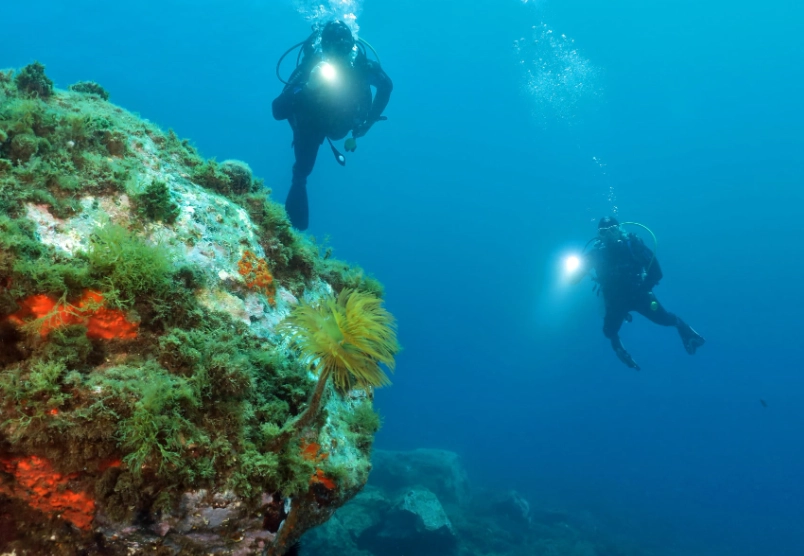
The water is generally calmer. No big tidal changes, minimal currents in sheltered bays, and long stretches of sunny, stable weather in the summer season. Visibility is reliably good, often 20 meters or more. That means you can see your instructor, your buddy, and the cool stuff around you without feeling lost in a blue haze.
Infrastructure is top-notch. Dive centers are professional, safety standards are high (look for centers affiliated with PADI, SSI, or CMAS), and equipment is well-maintained. Many instructors speak excellent English. It's a controlled, comfortable environment to make your mistakes.
A common mistake beginners make: Choosing a destination just because it's famous for diving. Places like Egypt's Blue Hole or Croatia's deep wrecks are advanced. For your first breaths underwater, you need a nursery slope, not a black diamond run.
The Top 5 Beginner Dive Spots in Europe
Based on calm conditions, stellar dive schools, and that magical "wow" factor for new divers, here are my top picks. I've logged dives in all of them, often with students in tow.
1. The Islands of Malta & Gozo
Why it's perfect: This is the gold standard. Crystal clear water (40m visibility is common), hundreds of sheltered bays, and a diving culture built on training. The islands are essentially a giant limestone platform, so many sites are shallow, rocky reefs teeming with life. It's where I got my Divemaster certification, and the consistency is unreal.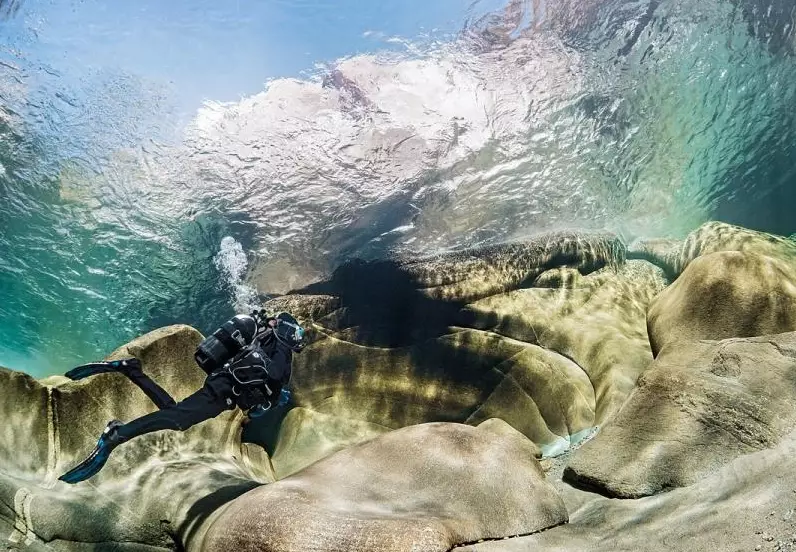
Beginner Highlight: The Blue Lagoon, Comino (yes, it's not just for Instagram). It's 4-12 meters deep, sandy bottom with seagrass and rocks, absurdly clear, and packed with curious bream. A confidence-builder.
Dive Center Vibe: Look for schools in Marsalforn (Gozo) or Cirkewwa (Malta). They're used to daily influxes of beginners. Expect to pay €50-€70 for a guided fun dive after certification. A full Open Water course runs €450-€550.
Best Time: May to October. July/August is busy. September is sweet spot: warm water, fewer crowds.
2. The Bay of Kotor, Montenegro
Why it's perfect: This deep fjord-like bay is a giant, flat-calm swimming pool. No waves, no current, and the mountains drop straight into the water. It's spectacularly beautiful above and below. The underwater world is a quirky mix of natural reefs, old pier pilings encrusted with life, and even some intentionally sunk structures. Perfect for practicing skills in utter tranquility.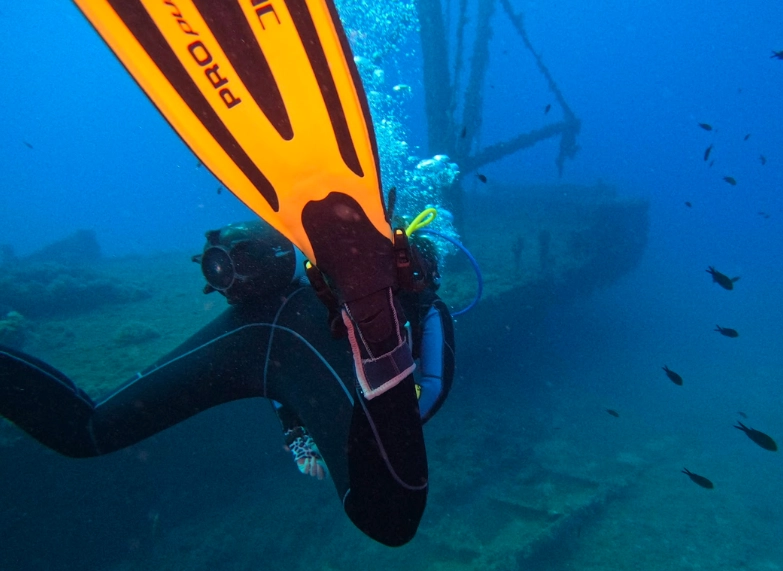
Beginner Highlight: The "Fish Market" near Muo village. A shallow (5-15m) artificial reef created with rocks and old structures. It's a fish apartment block—groupers, morays, sea bass. You feel like you're in an aquarium.
Dive Center Vibe: Small, personal operations in Kotor or Tivat. They have time for you. A Discover Scuba Diving experience here is incredibly relaxed. Open Water courses are around €400.
Best Time: June to September. Water hits 25°C+.
3. The Canary Islands, Spain (Specifically Lanzarote & Gran Canaria)
Why it's perfect: Year-round diving. Water temps hover between 18°C (winter) and 23°C (summer). The Atlantic here is tamed by the islands' leeward sides. You get volcanic landscapes underwater—lava tunnels, arches, and caves that are shallow and swim-through friendly. The marine life is Atlantic-cool: angel sharks (harmless, like big flounders), stingrays, massive schools of barracuda.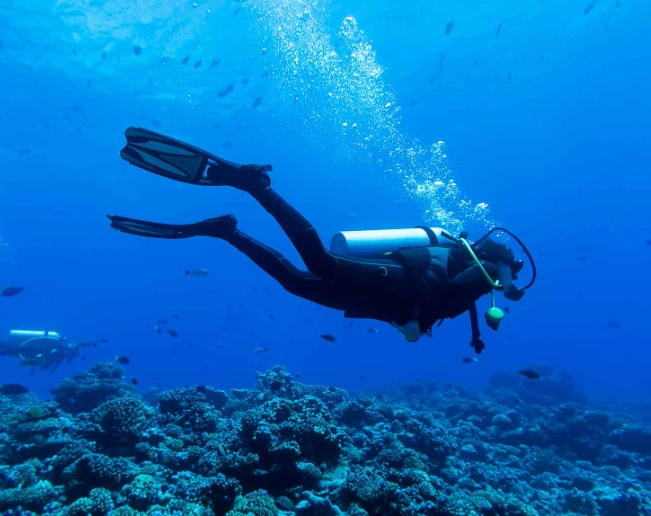
Beginner Highlight: Playa Chica, Puerto del Carmen (Lanzarote). A sheltered cove you enter from the beach. It's a marine protected area. You'll see octopus, cuttlefish, and neon-colored nudibranchs in less than 15 meters of water. No boat needed.
Dive Center Vibe: Very professional and tourist-friendly. Puerto del Carmen and Puerto de Mogán are hubs. DSD from €90, OWD courses from €420.
Best Time: Any time. Seriously. Winter requires a 5mm wetsuit, but it's empty and pristine.
4. The Algarve, Portugal (Lagos & Portimão)
Why it's perfect: For those who want a mix of dive and vibrant holiday. The south coast has stunning limestone caves and grottoes, many accessible to beginners. The water is Atlantic-clear, and the sites are protected from the prevailing wind. The dive community is passionate and welcoming.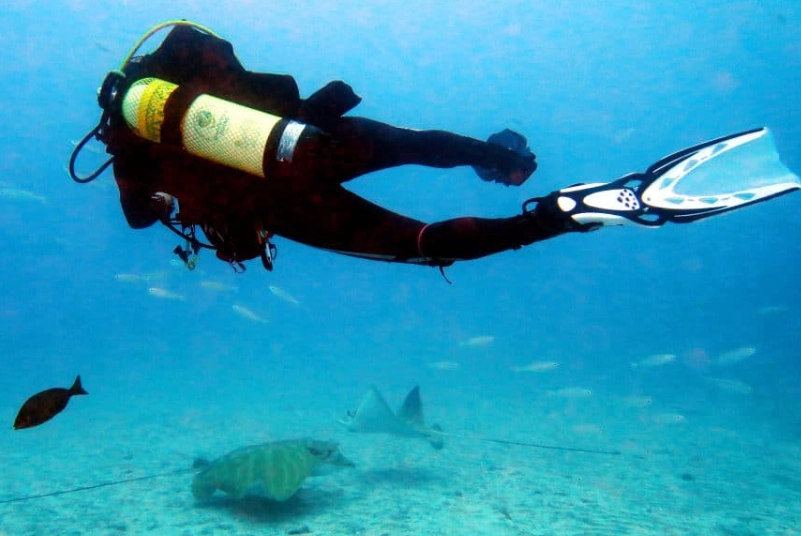
Beginner Highlight: The Ocean Revival Park near Portimão. Four decommissioned navy ships sunk intentionally to create an artificial reef. The smallest, a helicopter frigate, sits at 16-30m. You can do the deck at 16m on an Advanced course, but beginners can marvel at the structures from above. It's a unique, non-intimidating wreck intro.
Dive Center Vibe: A mix of larger schools and smaller outfits. Lagos has a great backpacker/diver scene. Prices are slightly lower than the Med: OWD for €380-€450.
Best Time: Late spring to early autumn (May-Oct). September is ideal.
5. The French Riviera (Èze-sur-Mer & Saint-Raphaël)
Why it's perfect: Glamour and gentle diving. The Med here is at its most benign in the summer. Shallow, posidonia seagrass meadows give way to rocky drop-offs smothered in red gorgonian fans and colorful sponges. It feels lush. The sites are close to shore, and the après-dive culture—well, you're on the Côte d'Azur.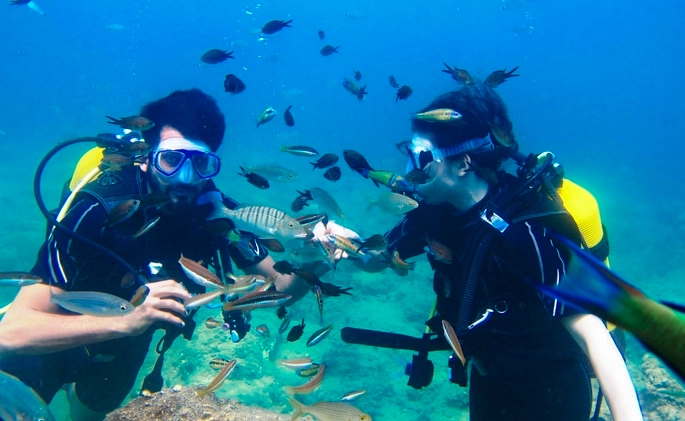
Beginner Highlight: The Rocher de l'Étoile near Èze-sur-Mer. A massive rock rising from 25m to just 5m below the surface. You circle it in the 10-15m range, surrounded by clouds of anthias and maybe a passing moray. It's simple, beautiful navigation.
Dive Center Vibe: Efficient and chic. Don't be intimidated. Many have been family-run for decades. It's pricier: OWD courses can be €500+. A fun dive is €55-€75.
Best Time: June to September for the warmest, calmest water.
How to Pick a Dive School That Won't Rush You
This is more important than the country. A great instructor makes a mediocre site amazing. A bad one ruins paradise.
- Email them first. Ask: "What's your maximum student-to-instructor ratio for Open Water?" If they say more than 4:1, be wary. 2:1 or 3:1 is ideal for beginners.
- Ask about confined water. Do they use a pool, or a sheltered sandy bay? A bay is more realistic and fun, but a pool is great for the truly nervous to master basics.
- Check reviews, but read between the lines. Look for phrases like "patient," "took their time," "made me feel safe." Ignore the "awesome bro!" reviews.
- Smaller is often better. A family-run center with two boats often cares more about its reputation than a giant factory with ten.
Pro Tip: When you book a Discover Scuba Diving experience, you're not committed to that center for a full course. Try a DSD with one, see if you click with the instructor. If not, walk down the beach and try another. It's your money and your safety.
Realistic Budget & Trip Planning
Let's get practical. A diving holiday isn't just the course fee.
Flight & Accommodation: This varies wildly. Malta and the Canaries often have cheap flight deals from across Europe. The Algarve and Montenegro offer better value accommodation than the Riviera. Consider an apartment with a kitchen to save on meals.
The Diving Costs (Approx.):
- Discover Scuba Diving: €80 - €120 (half-day, includes gear).
- PADI/SSI Open Water Diver Course: €400 - €600 (3-4 days, all materials, gear rental, certification).
- Guided Fun Dives (post-cert): €40 - €75 per dive. Packages (e.g., 10 dives) bring the per-dive cost down.
- Gear Rental (if not included): €25 - €40 per day for full kit (BCD, regulator, wetsuit, computer).
Mandatory Extras:
- Dive Insurance: Not optional. Your travel insurance likely excludes scuba. DAN Europe or DiveAssure offer essential coverage from €50/year.
- Logbook & Certification Card: Usually included in the course fee.
A focused 5-day trip to get certified, including mid-range stays, food, and local transport, can realistically start at €800-€1200 per person, excluding international flights.
Conquering Those First-Dive Jitters
Everyone is nervous. The trick is managing it.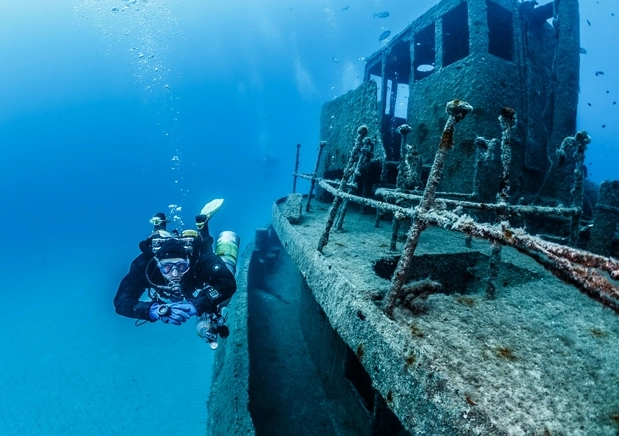
Breathe. Just breathe. The single most important skill in diving is steady, deep breathing. It controls your buoyancy and your panic. If you feel anxiety rising, stop. Hold onto a rock or your guide's line. Focus on the sound of your bubbles. Inhale for four counts, exhale for six. You are in control.
Communicate. Use the hand signals. A flat hand waving side-to-side means "I'm not okay." Tell your instructor on the surface if you're feeling claustrophobic or anxious. They have seen it all. A good one will slow down, go shallower, or just hold your hand for a minute.
Embrace the Shallow. The best stuff for beginners is often in the first 12 meters. That's where the light is best and the colors are brightest. You don't need to go deep to have an incredible experience. A curious octopus at 8 meters is more fun than a blank blue wall at 30.
Europe hides some of the world's most welcoming underwater gateways. It's not about conquering the deep on your first try. It's about that moment you stop fighting the water, take a calm breath, and realize you're floating. You're flying. And a whole new world just opened up.
Choose one of these spots, find a patient guide, and take the plunge. Your future self, the one with the logbook full of adventures, will thank you.



Comments