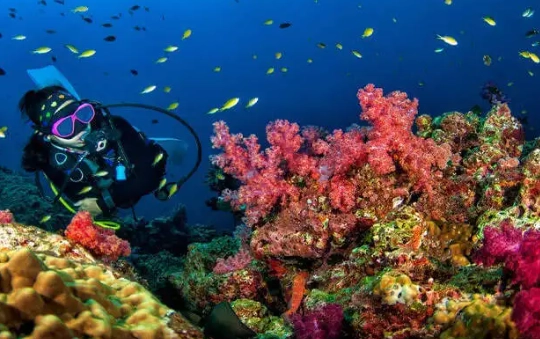
Europe might not be the first place you think of for world-class diving, but that's a mistake. From the Atlantic's wild coasts to the Mediterranean's hidden gems, the continent offers incredible underwater encounters that rival tropical destinations. I've been diving here for over a decade, and I still get surprised by the diversity—think whales in the Azores, seahorses in Croatia, and massive schools of fish in Malta.
Jump to What Matters
Why Europe is a Hidden Gem for Marine Life Diving
Most divers flock to the Caribbean or Southeast Asia, but Europe has its own charm. The water might be cooler, but that brings unique species like cold-water corals and migratory pelagics. Plus, you get history—ancient wrecks, volcanic formations—and easy access from major cities. I remember diving off Malta and stumbling upon a Roman amphora; it's not just about fish here.
Marine protected areas are expanding across Europe, thanks to efforts by organizations like the European Environment Agency. This means healthier ecosystems and more reliable sightings. Don't let the temperature scare you. With a good 7mm wetsuit or drysuit, you're set for most spots.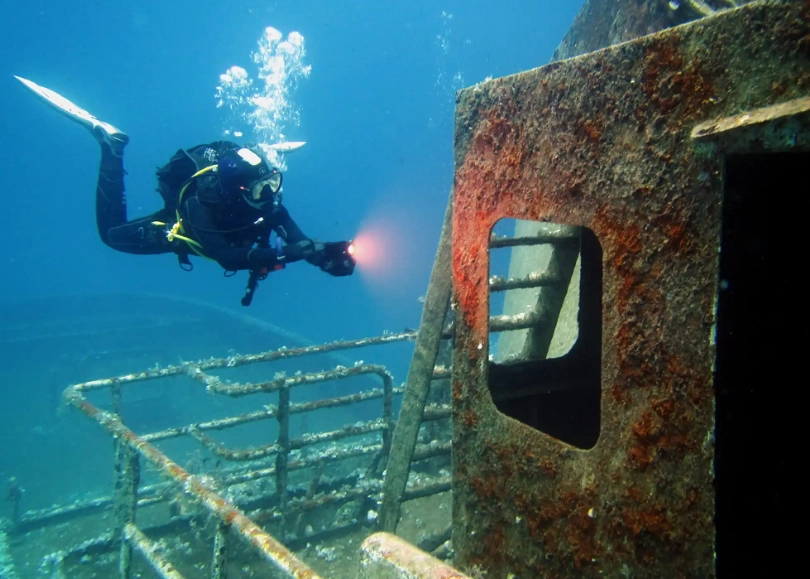
Top 5 Diving Spots in Europe for Marine Life Encounters
Here's my pick of the best, based on personal dives and feedback from local operators. I've included specifics so you can start planning today.
1. The Azores, Portugal: Whale and Dolphin Central
Located in the mid-Atlantic, the Azores are a paradise for pelagic lovers. From June to October, you can see sperm whales, blue whales, and dolphins almost guaranteed. Dive sites like Princess Alice Bank attract manta rays and hammerhead sharks.
Key details: Fly into Ponta Delgada (PDL) from Lisbon. Best time is June-October. A two-tank dive costs around €80-€120. Operators like Azores Dive Center offer packages. Water temps range 18-24°C. Address for a top shop: Marina de Ponta Delgada, 9500-771 Ponta Delgada, São Miguel.
I once spent a week here and logged 15 dives. The highlight? A pod of bottlenose dolphins playing around our boat for an hour. It's not cheap, but worth every euro.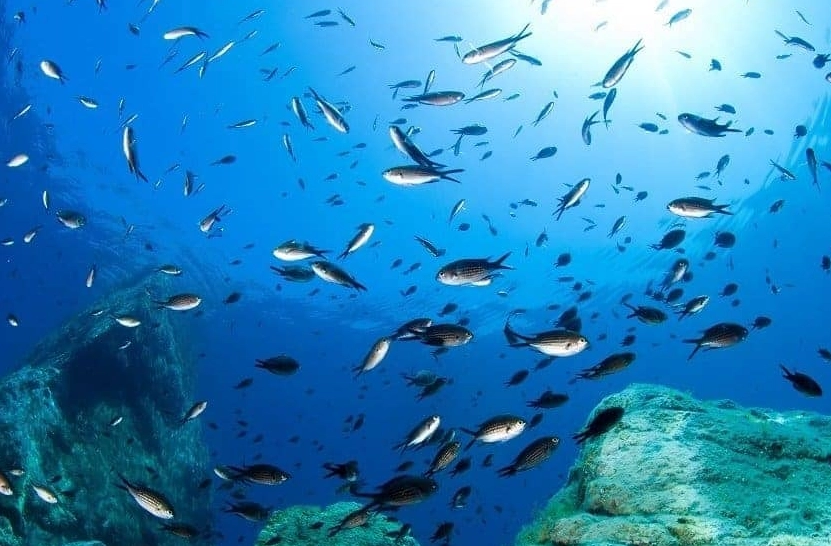
2. Malta: Wrecks and Mediterranean Life
Malta is perfect for beginners and experts alike. The water is clear, and wrecks like the Um El Faroud host barracuda, octopus, and moray eels. Summer brings warmer temps and more marine activity.
Getting there: Malta International Airport (MLA) is well-connected. Dives cost €40-€70 per dive. Try Divewise Malta for courses. Best months: May to September. Address: St. Julian's, Malta. The island is small, so everything is within a short drive.
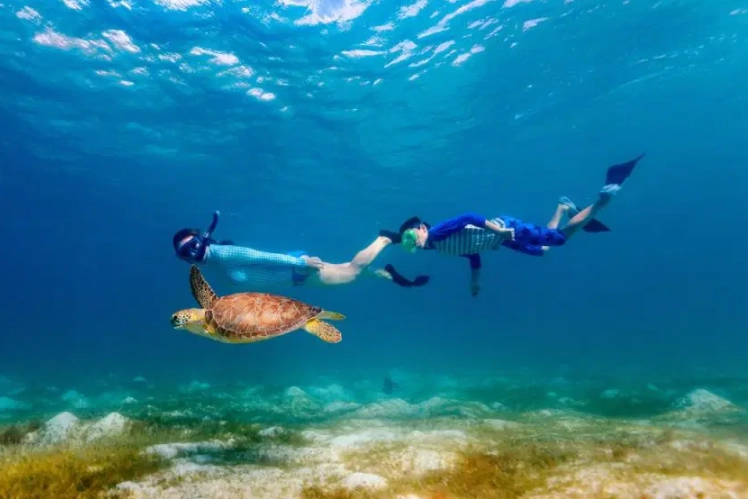
A common mistake? Overlooking the shore dives. Sites like Cirkewwa are accessible from land and packed with life. I've seen more turtles here than in some tropical places.
3. Canary Islands, Spain: Volcanic Wonders and Rays
El Hierro and Lanzarote stand out. El Hierro's La Restinga Marine Reserve has angel sharks and stingrays, while Lanzarote's Museo Atlántico features an underwater sculpture park attracting schools of fish.
Flights go to Tenerife (TFN) or Lanzarote (ACE). Dive prices: €50-€90 per dive. Best time: April to November. Operator example: Buceo Lanzarote. Water temps: 18-23°C. Address: Puerto del Carmen, Lanzarote.
The currents can be strong, so check conditions. I got caught in a mild current once—no big deal, but it reminded me to always listen to the guide.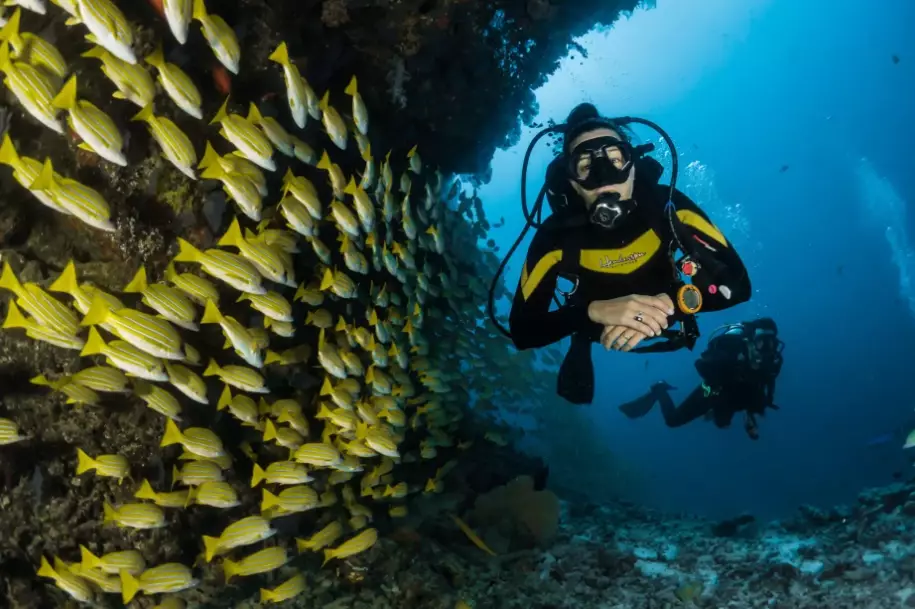
4. Vis, Croatia: Adriatic Seahorses and Reefs
Vis is a hidden gem in the Adriatic. The Blue Cave and reefs are home to seahorses, groupers, and rare sponges. It's less crowded than other Mediterranean spots.
Ferry from Split takes 2-3 hours. Dives: €40-€60. Best in summer (June-August). Try Diving Center Vis. Address: Vis Town, 21480 Vis. Water temps peak at 25°C in August.
The downside? Limited infrastructure. Book accommodation early, especially in peak season. I stayed in a small guesthouse and loved the local vibe.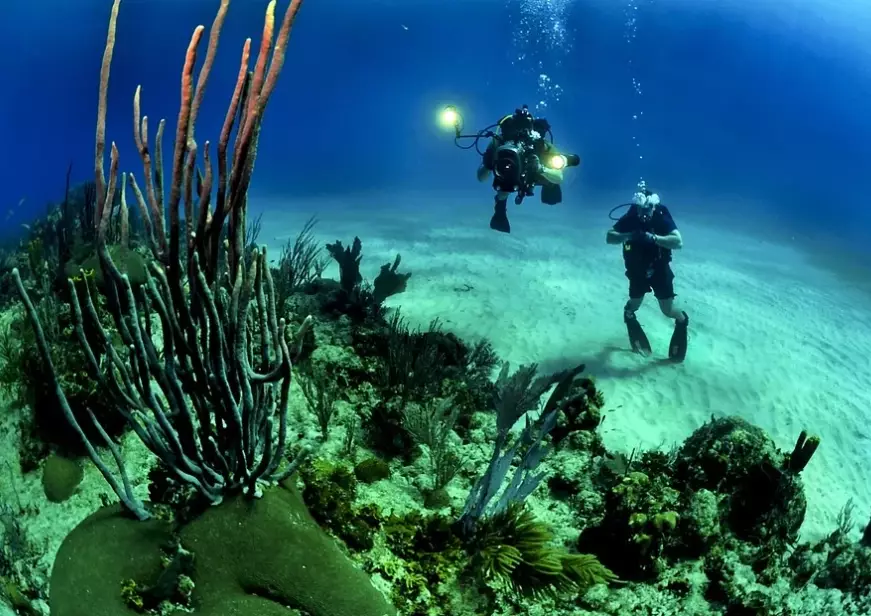
5. Lofoten Islands, Norway: Cold-Water Giants
For something different, Lofoten offers orcas in winter and cod year-round. It's cold—water temps around 4-8°C—but the scenery above and below is stunning.
Fly to Bodø (BOO) then ferry. Dives: €100-€150 due to gear needs. Best for orcas: November-January. Operator: Lofoten Diving. Address: Svolvær, 8300 Lofoten. Drysuits are mandatory.
It's not for the faint-hearted. I dove here in December and the cold was brutal, but seeing an orca underwater was a lifetime memory.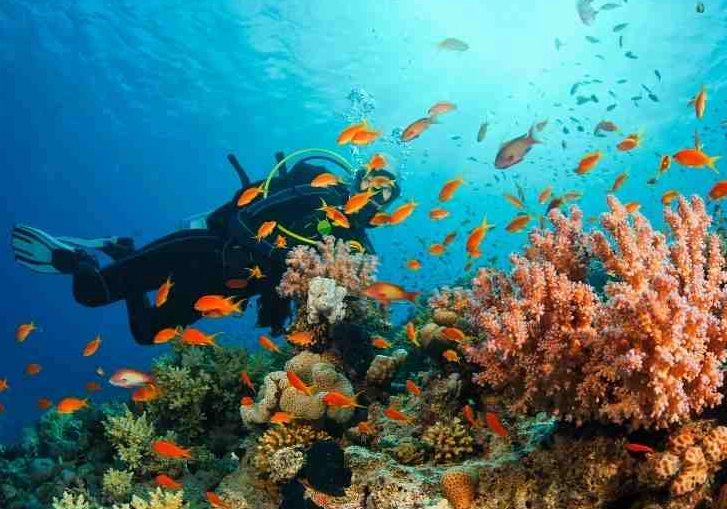
| Spot | Key Marine Life | Best Time to Visit | Avg. Dive Cost |
|---|---|---|---|
| Azores, Portugal | Whales, dolphins, manta rays | June-October | €80-€120 |
| Malta | Barracuda, octopus, turtles | May-September | €40-€70 |
| Canary Islands, Spain | Angel sharks, stingrays, fish schools | April-November | €50-€90 |
| Vis, Croatia | Seahorses, groupers, sponges | June-August | €40-€60 |
| Lofoten Islands, Norway | Orcas, cod, cold-water species | November-January (for orcas) | €100-€150 |
How to Plan Your Diving Trip to Europe
Planning is key. Europe's diving seasons vary, and some spots require advance bookings. Here's a step-by-step based on my own blunders and successes.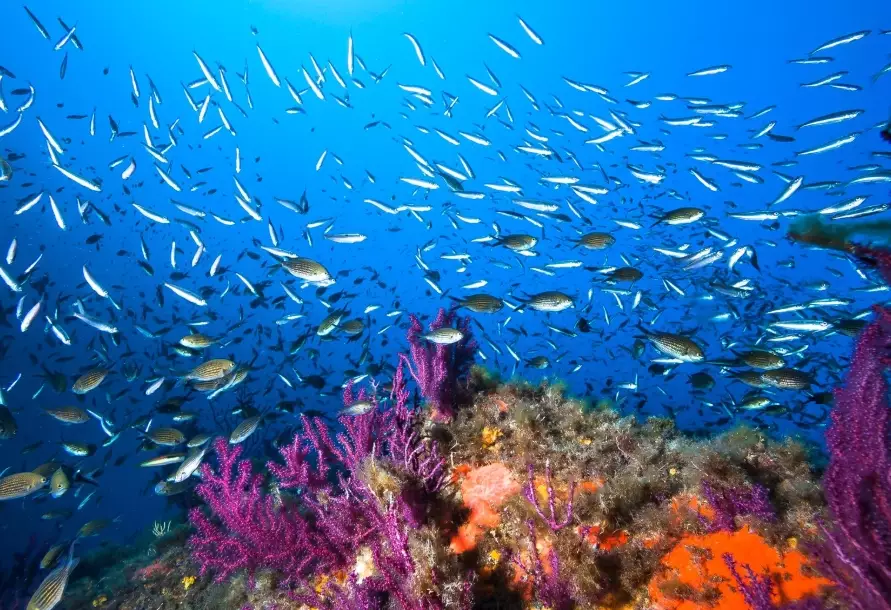
First, decide on your priority. Want big pelagics? Go Azores. Prefer wrecks and ease? Malta. Budget matters too. Flights within Europe can be cheap with carriers like Ryanair, but remote islands cost more.
Budget breakdown: For a week, expect $1,500-$3,000 per person including flights, stays, and dives. Malta is cheaper, Norway pricier. Always factor in gear rental if you don't bring your own—around $50-$100 per day for full kit.
Book dive operators early, especially for popular spots like the Azores. I once showed up in August without a reservation and had to wait three days for a slot. Check reviews on sites like TripAdvisor, but also ask for local recommendations. Many operators offer package deals with accommodation.
Consider sustainability. Choose operators that follow guidelines from bodies like the Professional Association of Diving Instructors (PADI) for eco-friendly practices. Avoid touching marine life or disturbing habitats—it's a common rookie mistake that can harm ecosystems.
Transport: Rent a car for flexibility. In places like the Canary Islands, public transport is limited. For Malta, taxis and buses work fine. In Norway, you might need a car for remote dive sites.
Health and safety: Ensure your travel insurance covers diving. European standards are high, but always check operator credentials. I always carry a dive computer and SMB—some spots have strong currents.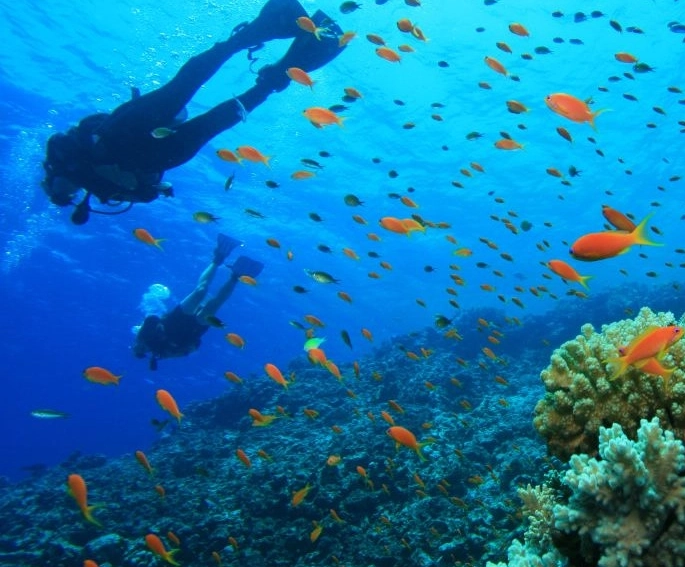
FAQs About Diving in Europe for Marine Life
Europe's diving scene is evolving. With climate change, some species are shifting ranges, so local knowledge is gold. Talk to dive masters—they often share tips you won't find online. My final advice: don't rush. Pick one or two spots, dive deep, and savor the experience. The underwater world here has stories to tell.
Comments