Let's cut to the chase. The "best" dive spot doesn't exist. It depends entirely on what you're after. Are you a new diver craving calm, clear water and pretty fish? Or a seasoned pro hunting for adrenaline-pumping drift dives with sharks? This guide won't just list places; it'll help you match your dream to the perfect underwater destination.
Your Dive Trip Planner
How to Choose Your Perfect Dive Destination
Forget just looking at pretty pictures. Ask yourself these questions first.
The Budget Reality: A week in the Maldives on a liveaboard can cost $3,000+. A week of shore diving in Bonaire might be half that. Flights are the other huge variable—getting to remote Pacific atolls is rarely cheap.
Your Experience Level: Be brutally honest. Sites like Cocos Island or Socorro are legendary for giant mantas and sharks, but they're also famous for strong currents and advanced conditions. Diving there as a novice isn't just unsafe; it ruins the trip for everyone else.
What You Want to See:
Big Animals? Think Galápagos, South Africa, Cocos Island.
Colorful Coral? The Coral Triangle (Raja Ampat, Philippines), parts of the Great Barrier Reef.
History & Wrecks? Truk Lagoon, the Red Sea, Scapa Flow.
Macro & Critters? Muck diving in Indonesia (Lembeh Strait) or the Philippines (Anilao).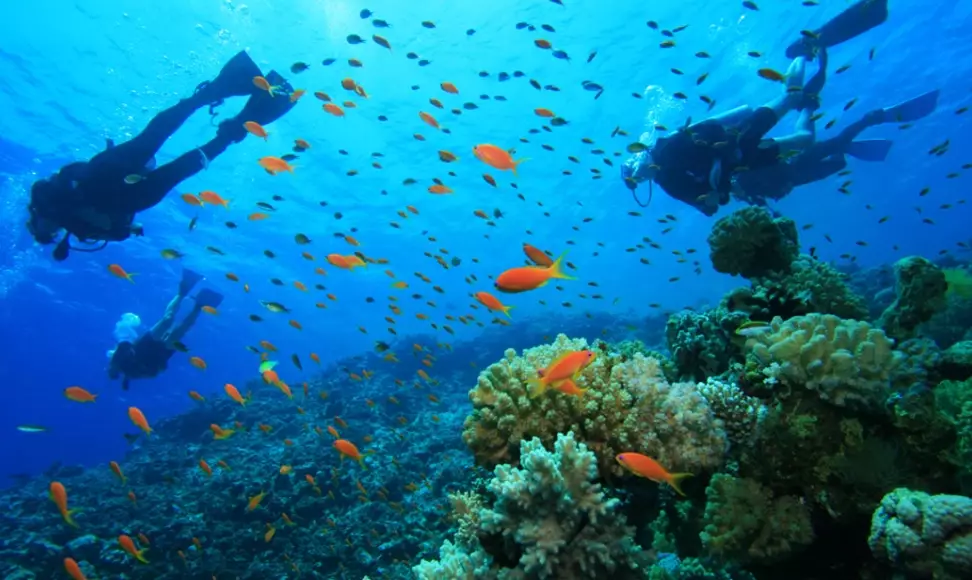
Calm seas, easy shore entries, minimal current. Bonaire, Sharm el-Sheikh (Egypt), Koh Tao (Thailand).
Currents, deep dives, challenging conditions. Galápagos, Palau, Sipadan (Malaysia).
Great diving + non-diving activities. Curaçao, Roatán (Honduras), Florida Keys.
Top 5 Must-Visit Dive Destinations
Based on a mix of accessibility, marine life, and sheer "wow" factor, here are my picks.
1. The Maldives
The Vibe: Picture-perfect atolls, guaranteed shark encounters, and the iconic "Maldives drift" dive.
Best Time: December to April (dry season, best visibility).
How to Dive It: Liveaboard. Resorts are nice, but a liveaboard lets you access the best outer atolls. Routes focus on either the Central Atolls (more sharks) or the South (more mantas, stronger currents).
Don't Miss: A "night dive" on a submerged seamount where hundreds of grey reef sharks circle in the current. It's surreal.
Reality Check: It's expensive. And during the rainy season (May-Nov), visibility can drop and seas can be rough.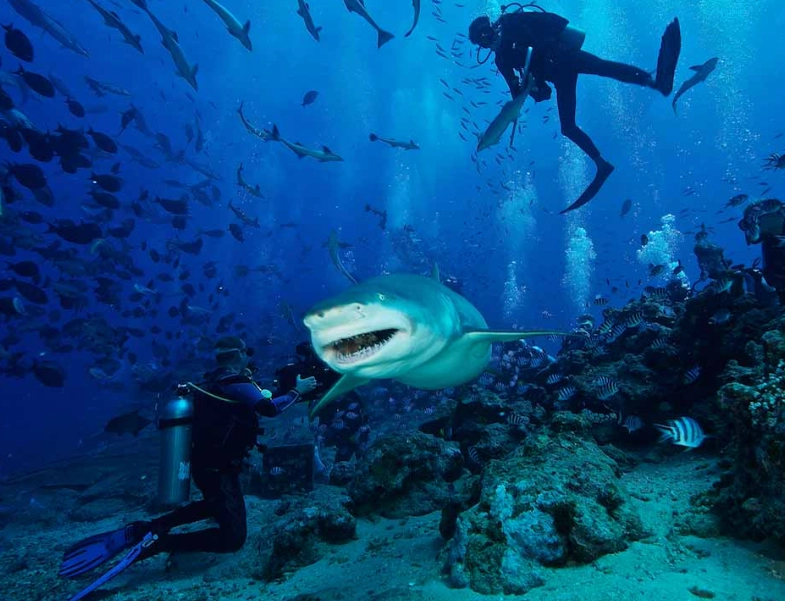
2. The Red Sea, Egypt
The Vibe: World-class wrecks, stunning coral walls, and incredible value for money.
Best Time: Year-round, but April-May & Sept-Oct offer the best mix of warm water and calm seas.
How to Dive It: Liveaboards out of Hurghada or Marsa Alam are the way to go. The Northern routes (SS Thistlegorm wreck) are classic; the Southern routes (Brothers, Daedalus) are for advanced divers with epic pelagic action.
Don't Miss: The wreck of the SS Thistlegorm. Swimming through a WWII cargo ship full of motorcycles, trucks, and rifles is history you can touch.
Reality Check: Politics can affect travel. Always check your government's travel advisories. Also, some sites get crowded.
3. Komodo, Indonesia
The Vibe: Raw, wild, and diverse. From manta rays to muck diving, all with Komodo dragons on the beach.
Best Time: April to December. The currents are stronger but bring nutrient-rich water and amazing wildlife.
How to Dive It: Liveaboard from Labuan Bajo. Day boats are possible, but you'll miss the best sites.
Don't Miss: Batu Bolong. A pinnacle that's arguably the best single dive site on Earth. It's a washing machine of current swarming with fish. Not for the faint-hearted.
Reality Check: The currents are no joke. This is advanced diving. Your dive guide's skill is paramount.
4. Galápagos Islands, Ecuador
The Vibe: The ultimate "big animal" safari. Underwater iguanas, penguins, sea lions, and massive schools of hammerheads.
Best Time: June to November for whale sharks (cold water, ~18-22°C/64-72°F). December to May is warmer (21-26°C/70-78°F) with calmer seas.
How to Dive It: Liveaboard, full stop. It's the only way to reach the remote northern islands of Wolf and Darwin, where the legendary shark action is.
Don't Miss: Darwin's Arch (before it collapsed above water!). The sheer number of scalloped hammerheads is mind-blowing.
Reality Check: This is cold, advanced, challenging diving. You need a drysuit or a very good 7mm wetsuit. It's also one of the most expensive trips you can take.
5. The Seychelles
The Vibe: Pristine granite islands, healthy reefs, and a chance at seeing whale sharks and mantas year-round.
Best Time: April-May & Oct-Nov for calm seas and best visibility.
How to Dive It: Liveaboard is ideal to reach remote sites like Aldabra Atoll. Island-based diving from Mahe or Praslin is also excellent.
Don't Miss: Diving with the resident population of friendly, curious giant stingrays at St. Pierre.
Reality Check: Remote = expensive. This isn't a budget destination.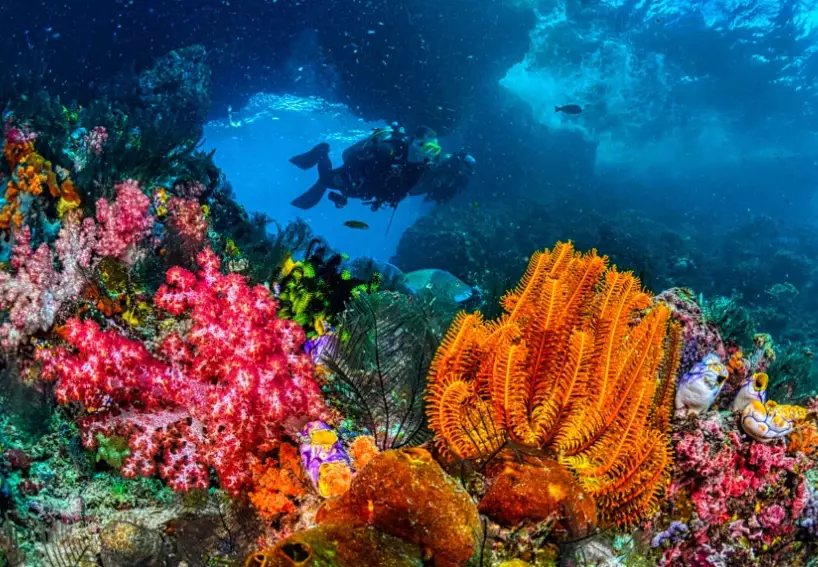
The Smart Diver's Packing List
Beyond mask, fins, and regulator.
- A Surface Marker Buoy (SMB) and reel: Don't rely on your guide. If you get separated, you need to signal the boat. This is non-negotiable safety gear.
- Anti-fog gel: Spit works... until it doesn't. A small bottle saves every dive.
- Reef-safe sunscreen & a rash guard: Protect your skin and the coral. Many destinations (like Palau) now ban oxybenzone-based sunscreens.
- Extra mask strap: They break at the worst possible moment.
- A waterproof notebook: Log your dives on the spot. You'll forget the details by dinner.
Diving with a Conscience
We're guests. Act like it.
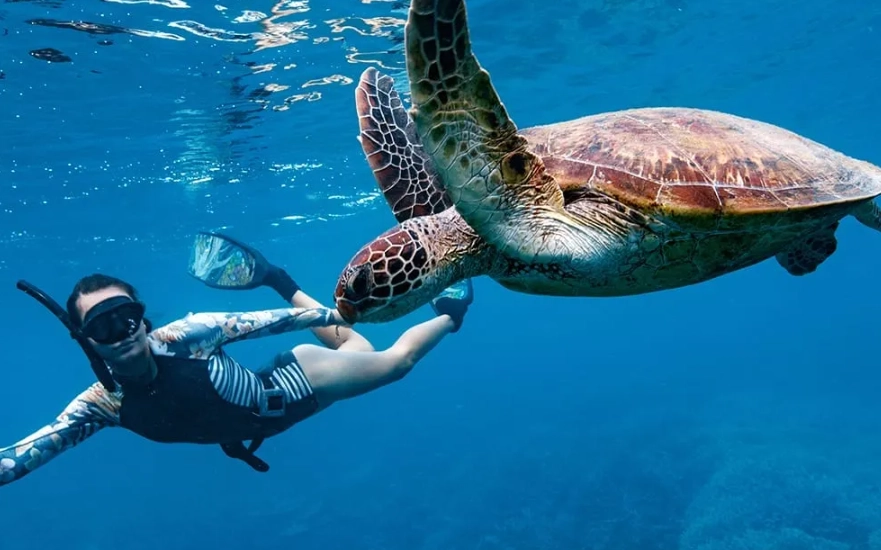
- Don't Touch. Ever. Not the coral, not the turtles, not the "cute" nudibranch. Your touch can remove protective slime coats or kill delicate polyps.
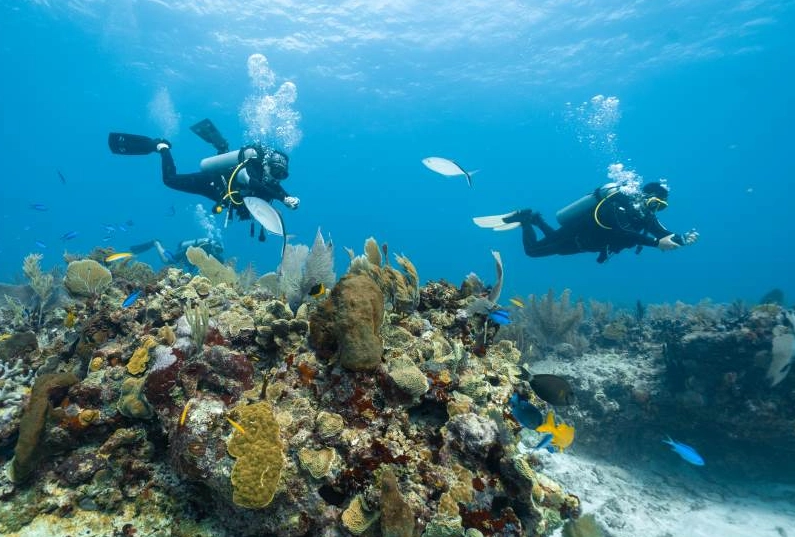
- Master Your Buoyancy. This is the single most important skill for protecting the reef. Practice in a pool before your trip if you're rusty.
- Choose Operators Wisely. Look for shops with Green Fins or Project AWARE affiliations. Ask how they handle anchors and interact with wildlife.
- Say No to Wildlife Harassment. If a guide chases or grabs animals for a photo, speak up. Report them to the shop owner or local conservation body.
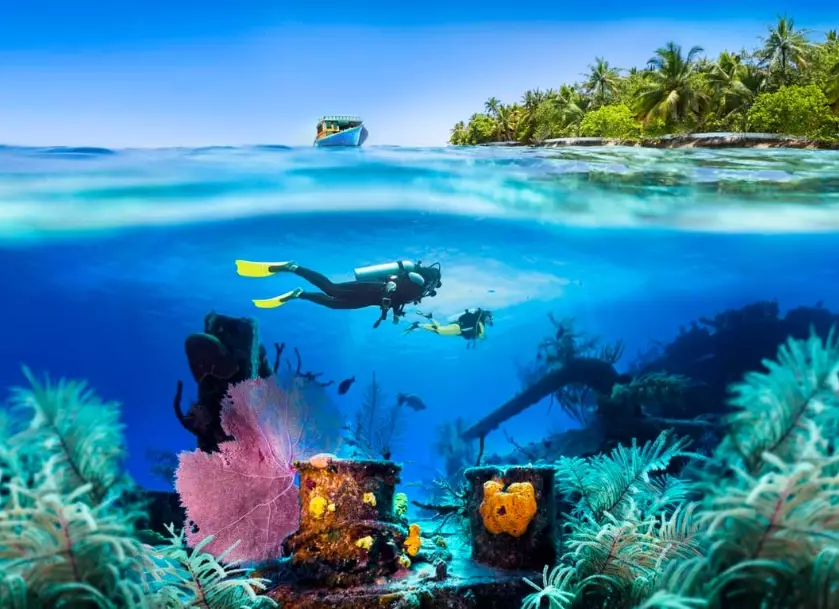
So there you have it. The world's best diving isn't on a list. It's the place that matches your skills, your budget, and your sense of wonder. Do your research, pack your SMB, and dive responsibly. The ocean is waiting.



Comments