Let's be real. Choosing the 'best' dive spot is personal. It depends on what gets your heart racing. Is it swimming alongside a school of hammerheads? Exploring a WWII wreck cloaked in coral? Or just floating weightlessly over a garden of pastel-colored soft corals? The Red Sea delivers on all fronts. I've logged hundreds of dives here over the years, from day boats out of Sharm to multi-week liveaboard expeditions south of the border. This guide cuts through the hype and gives you the straight facts to plan your trip.
Your Red Sea Dive Blueprint
Where is the Absolute Best Diving in the Red Sea?
Forget a single answer. The Red Sea is massive, and its character changes dramatically from north to south. Think of it in three main zones, each with a distinct personality.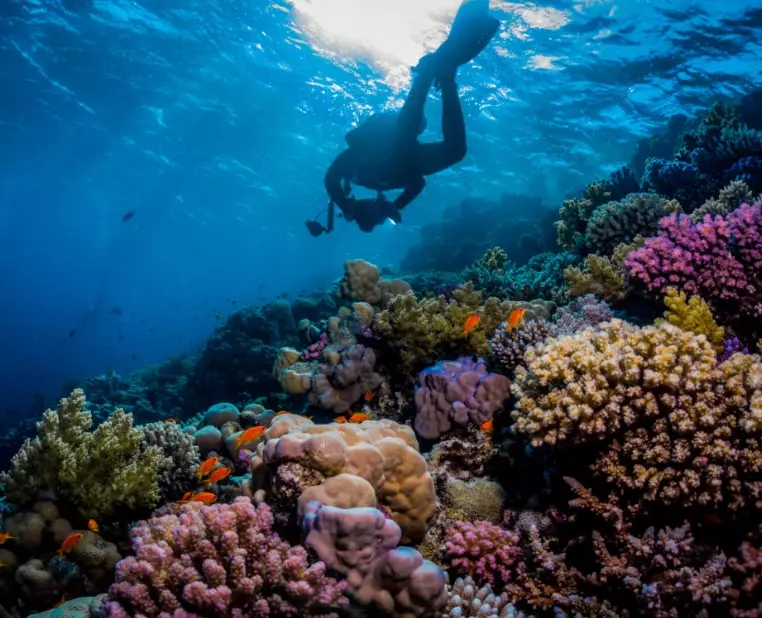
The Northern Red Sea: Wrecks and Reefs
Centered around Sharm el-Sheikh and the Sinai Peninsula. This is where you find the iconic, accessible wrecks and sheltered reefs. The SS Thistlegorm is the star—a British merchant navy ship sunk in 1941, its holds still packed with motorcycles, trucks, and rifles. It's a time capsule. Diving here requires good buoyancy control; the silt is fine and clouds in an instant if you're not careful.
Nearby, the reefs of Ras Mohammed National Park, especially Shark Reef and Yolanda Reef, are where the Gulf of Suez meets the Gulf of Aqaba. The current can pump here, bringing in pelagics. It's a classic drift dive. For something utterly unique, the Blue Hole in Dahab is a geological marvel, though its infamous "Arch" is a serious technical dive site only for the highly experienced.
Local Knowledge: The Thistlegorm Crowds
The Thistlegorm is a victim of its own fame. Mid-morning, it can feel like a bus station. The pro move? Book a liveaboard that does a dedicated 'safari' to the northern wrecks, or a day boat that promises an early, first-dive slot. Being the first group on the wreck, with the shafts of sunlight piercing the holds and no one else around, is an entirely different, magical experience.
The Southern Red Sea (Egyptian Sector): Remote and Rugged
This is the domain of the liveaboard. We're talking about the Brother Islands (El Akhawein), Daedalus Reef, and St. John's Reef—the so-called "Holy Trinity" or "Deep South" route. These are oceanic seamounts, rising from the abyss, and they are magnet for big fish.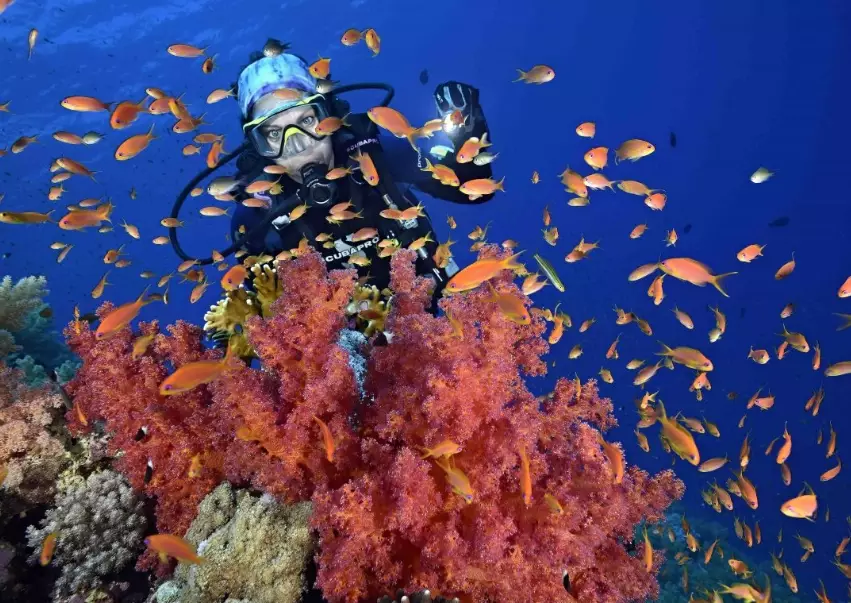
The Brothers are two tiny islands about 40 miles offshore. The diving is advanced, often with strong currents and sometimes choppy surface conditions. But the reward? Schools of hammerhead sharks (mostly scalloped), oceanic whitetips patrolling the blue, and breathtaking vertical walls. Daedalus, with its iconic lighthouse, is similar. These sites aren't for checking off a leisure dive; they're for experienced divers who are comfortable in dynamic ocean environments.
The Far South & Sudan: The Final Frontier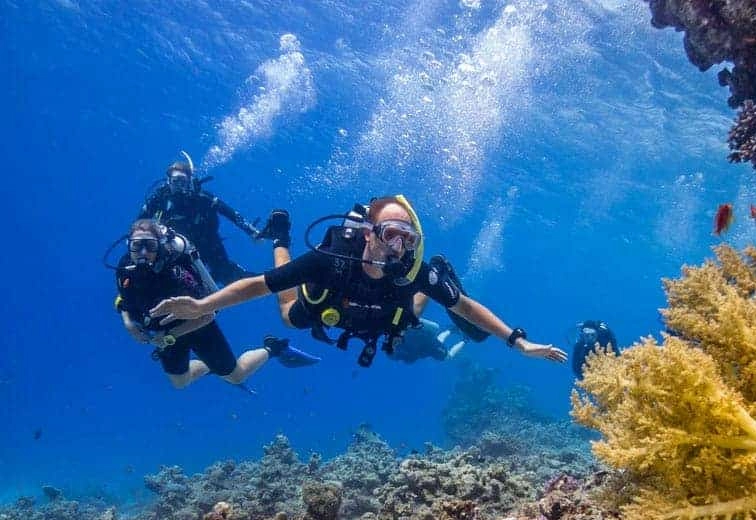
Beyond Egypt, places like Sudan's Sha'ab Rumi and Anglesha offer some of the most pristine and remote reefs in the world. This is expedition-level diving, with longer trips, basic facilities, and untouched marine life. You might dive a wreck alone for an hour. It's logistically challenging but rewards the adventurous spirit.
How to Plan Your Red Sea Diving Adventure: Liveaboard vs. Day Trips
This is the biggest decision you'll make. The 'best' diving often requires getting far from shore, which means a liveaboard. But day trips from Hurghada or Sharm have their place.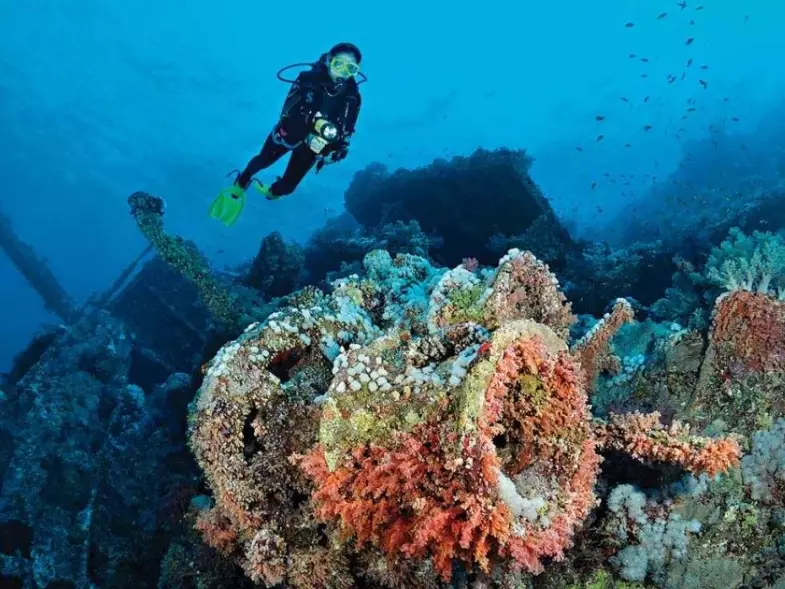
| Option | Best For... | What to Expect | Approx. Cost (per day) |
|---|---|---|---|
| Liveaboard | Advanced divers; remote reef sites (Brothers, Daedalus, Rocky); multiple dives per day; full immersion. | Cabins, meals, 3-4 dives daily. Social atmosphere. Trips range 6-12 nights. Need to be comfortable on a boat. | $200 - $400+ |
| Shore/Day Diving | Beginners; budget travelers; flexible schedules; wreck diving (Thistlegorm, Ras Mohammed). | Day trips from Hurghada/Sharm. Usually 2 dives with lunch. Back to hotel each night. Less remote sites. | $80 - $150 |
The Liveaboard Experience: Is It Worth It?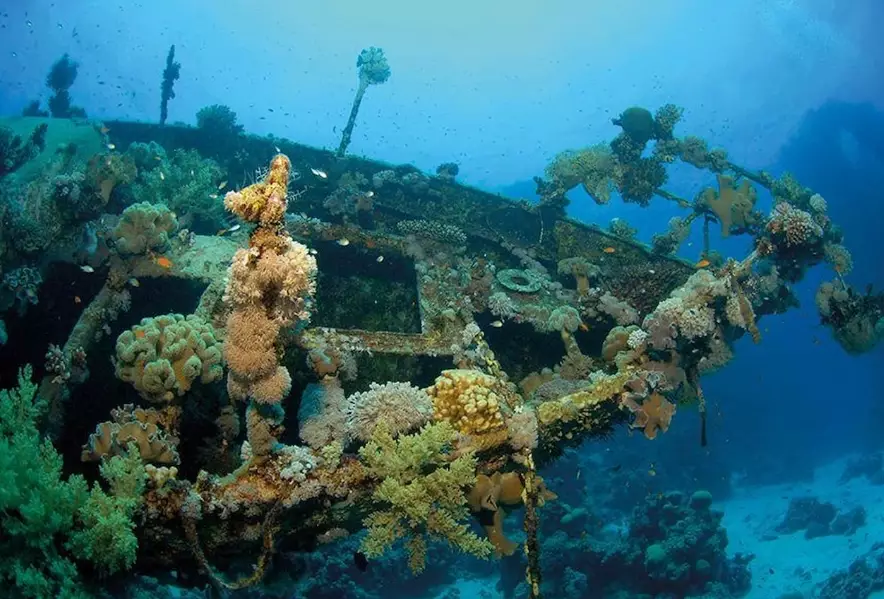
If your goal is the Brothers or Daedalus, it's not just worth it—it's the only way. A typical 7-night southern itinerary might include 20+ dives. You wake up, dive, eat, nap, dive, eat, watch the sunset, maybe do a night dive. It's a rhythm.
I remember one evening on the deck after a day at Daedalus. We'd seen hammerheads in the blue. No one was talking. We were just watching the stars, completely content. That's the liveaboard vibe.
Booking tip: Book at least 6-12 months in advance for peak season. Reputable operators include Blue O Two and Emperor Divers. Check their schedules for specific routes.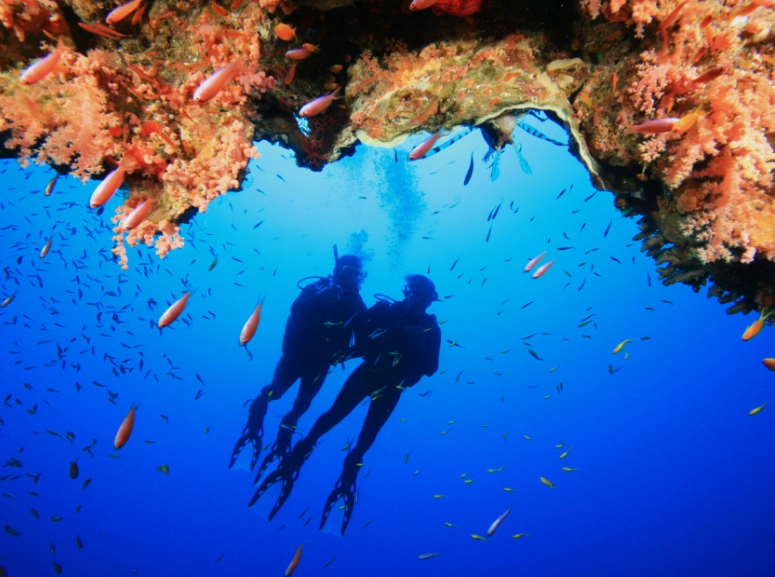
Shore & Day Diving: Flexibility on a Budget
Resorts in Hurghada, Sharm el-Sheikh, and Dahab offer incredible value. You can do two guided boat dives a day for less than $100, including gear and lunch. The reefs are stunning—places like the Straits of Tiran or Ras Mohammed are world-class. It's perfect for new divers or those who want to mix diving with other activities. The infrastructure is excellent, and you're back at your hotel each evening.
Essential Tips for Diving the Red Sea Successfully
- Marine Park Fees: These are substantial and paid locally (often ~$100 for a week liveaboard). Factor this into your budget.
- Currents: They can be fierce, especially around the southern islands and Ras Mohammed. Good buoyancy control and comfort in current are non-negotiable for these sites. Listen to your dive guide.
- Marine Life: It's a busy ecosystem. You'll see everything from tiny nudibranchs to oceanic sharks. Maintain good buoyancy to avoid damaging the fragile coral.
- Conservation: The coral reefs, while resilient, face threats. Use reef-safe sunscreen, maintain perfect buoyancy, and never touch or harass marine life.


Comments