Imagine descending into a world where time slows, and every breath reveals a new marvel. The ocean's vastness holds secrets that have captivated humans for centuries, and for divers, it's a calling to explore the unknown. But with countless dive sites around the globe, how do you choose where to plunge next? Whether you're a seasoned diver or planning your first underwater adventure, this guide to the top 10 dive sites in the world will steer you to destinations that redefine awe.
Your Quick Dive Guide
What Makes a Dive Site World-Class?
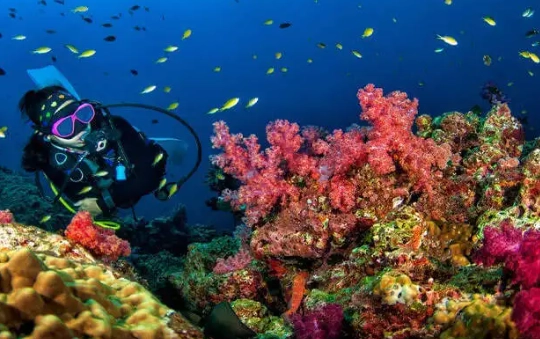
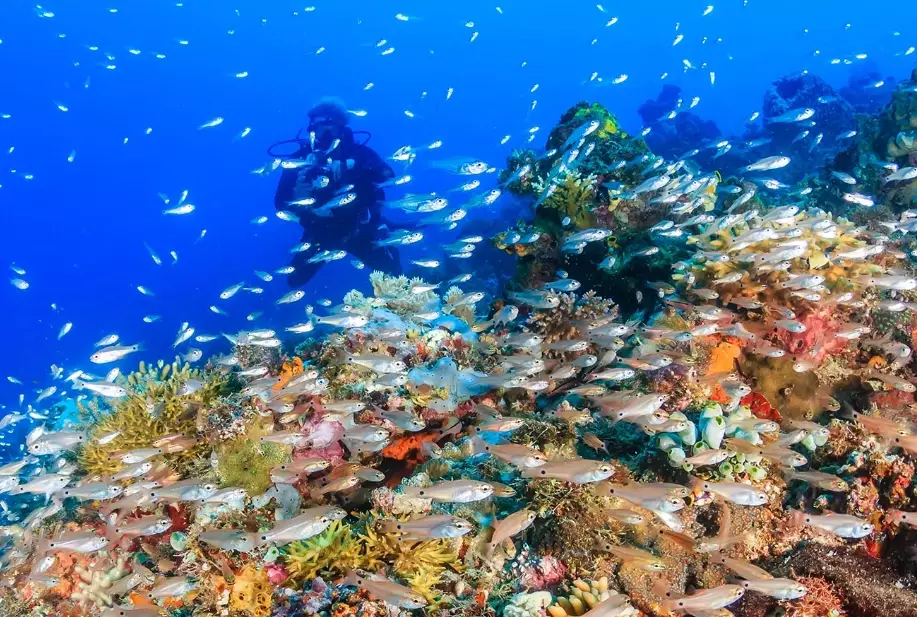
It's not just about clear water or colorful corals. A world-class dive site is a symphony of elements. We're talking visibility that feels like flying, marine life that belongs in a documentary, and a sense of adventure that lingers long after you surface. It's the feeling of floating weightlessly as a manta ray glides overhead, or the sudden silence as you hover above a coral garden teeming with life.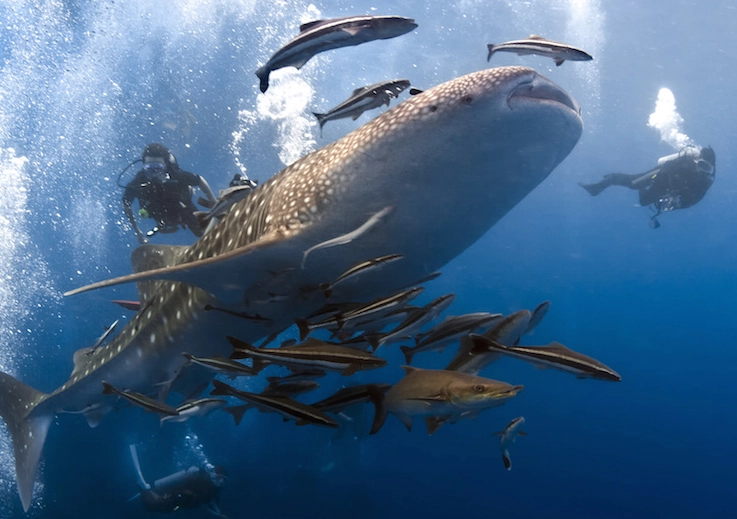
Key factors include:
- Biodiversity: The sheer variety of species. Think coral reefs bustling with life, mysterious wrecks, or walls descending into the abyss.
- Visibility: Crystal-clear water that transforms the dive into a high-definition dream.
- Unique Features: Underwater caves, dramatic drop-offs, or a resident shark population.
- Accessibility: Can you get there without a saga? A great site balances remoteness with reach.
- Conservation Efforts: Pristine conditions and responsible tourism practices.
Our list celebrates sites that excel across these metrics, offering experiences that are not just dives, but stories you'll tell for a lifetime.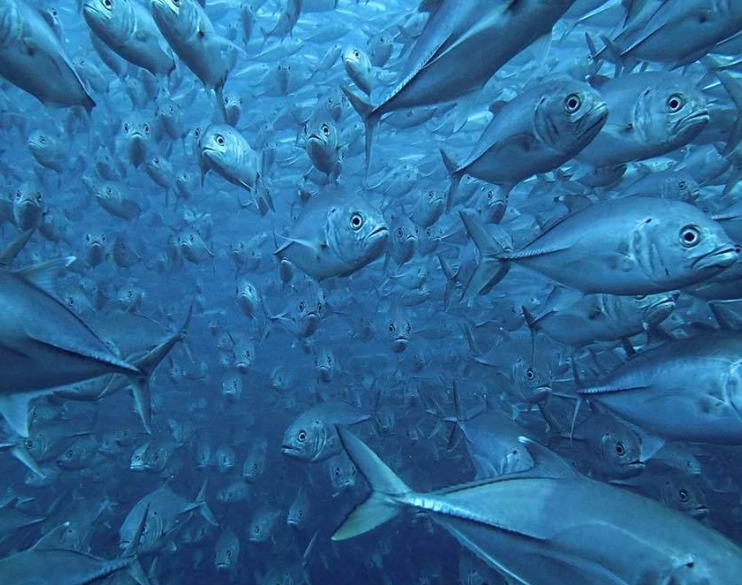
The Definitive Top 10 List
| Rank | Dive Site | Location | Key Feature | Best Time to Visit |
|---|---|---|---|---|
| 1 | Blue Corner, Palau | Micronesia | Shark-filled channel drift dive | November to April |
| 2 | Barracuda Point, Sipadan | Malaysia | Turtle tornado and reef sharks | April to December |
| 3 | SS Yongala, Australia | Queensland | Historic wreck teeming with life | June to November |
| 4 | Shark Reef, Fiji | Fiji | Shark aggregation site | April to October |
| 5 | Manta Ray Night Dive, Kona | Hawaii, USA | Nocturnal manta ray ballet | Year-round |
| 6 | Ricardo Silva, Cuba | Cuba | Pristine reefs and wall dives | November to April |
| 7 | Muck Diving, Indonesia | Indonesia | Macro life and rare species | April to November |
| 8 | Silfra Fissure, Iceland | Iceland | Diving between tectonic plates | June to August |
| 9 | Kelp Forests, California | USA | Underwater forests and sea lions | August to October |
| 10 | Cenotes, Mexico | Mexico | Freshwater sinkholes and caves | November to April |
1. Blue Corner, Palau
Palau isn't just a dive site; it's a theater, and the sharks are the main act. Located in the Micronesian island of Palau, Blue Corner is where the ocean's drama unfolds. Strong currents sweep divers along a coral-covered wall, where gray reef sharks patrol in a display of raw power. It's a drift dive that feels more like flying, a reminder of the ocean's untamed rhythm. The coral formations are ancient sculptures, and the sheer drop into the deep blue is a humbling experience. This site isn't for the faint-hearted, but for those who seek to dive at the edge of the underwater world.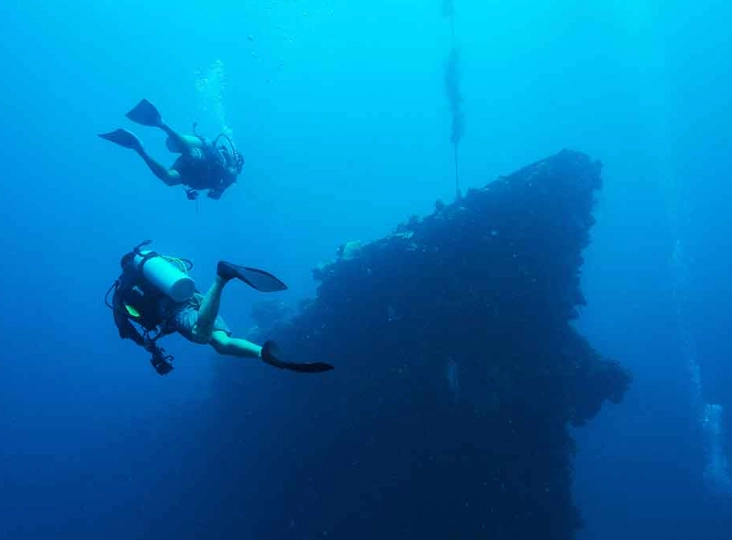
Pro Tip: Time your dive with the current. It's like catching an underwater express train, soaring past sharks and schools of glittering fish. The key is to find the current's sweet spot and let it do the work.
2. Barracuda Point, Sipadan
Off the coast of Borneo lies Sipadan, an island that rises from the depths like a lost world. Barracuda Point is its crown jewel, a dive site where the ocean's drama unfolds in clear, warm waters. The reef wall is a vertical garden of coral, home to turtles, sharks, and a school of barracuda so dense it looks like a silver tornado. The current here is strong, a river in the ocean that carries divers along the reef. It's an adrenaline-pumping ride, a chance to hover effortlessly as the marine world streams by.
Conservation is woven into Sipadan's story. The island is a protected marine park, a sanctuary where fishing is banned and the reefs are left to thrive. It's a model of how tourism and conservation can dance together, ensuring that the underwater theater remains open for generations.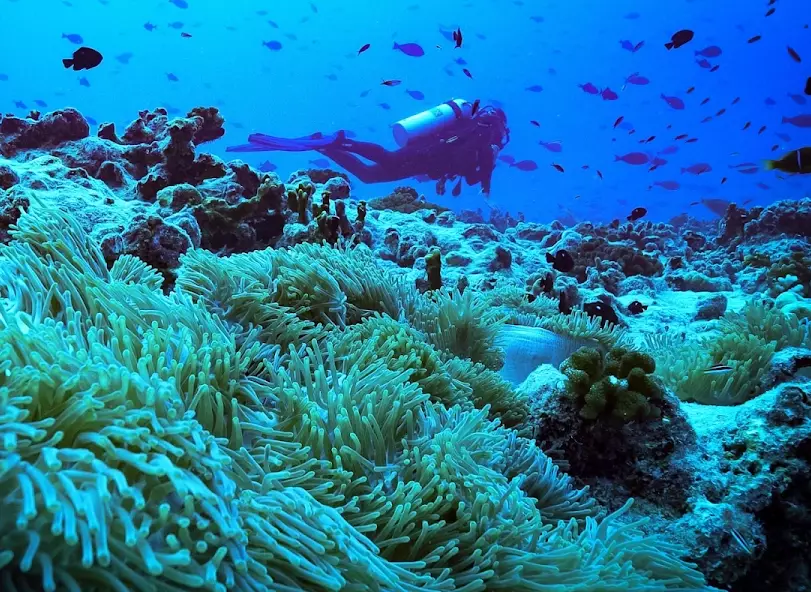
3. SS Yongala, Australia
The SS Yongala isn't just a shipwreck; it's a city beneath the waves, a metropolis for marine life. Sunk in 1911, the steamship now rests off the coast of Queensland, Australia, transformed into an artificial reef. Giant grouper, sea snakes, and schools of batfish have claimed it as their home. The wreck is draped in corals, a garden that sways with the current, hiding octopus and anemonefish in its crevices.
Diving the Yongala is a journey through time and life. You'll glide past the ship's propeller, now a home for corals, and peer into cabins where fish dart through portholes. The silence is profound, broken only by the click of shrimp and the hum of the ocean. It's a place where history and nature have intertwined, creating a sanctuary that feels both haunting and alive.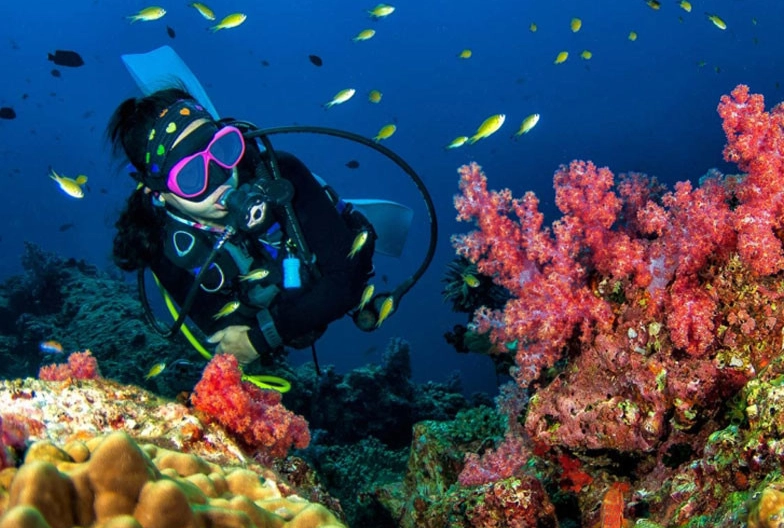
4. Shark Reef, Fiji
Fiji's Shark Reef is where the ocean's predators gather, a site that turns diving into a front-row seat at nature's most thrilling show. The reef is a cleaning station, where sharks come to have parasites removed by smaller fish. It's a delicate dance of survival, a glimpse into the ocean's interconnected world.
Bull sharks, reef sharks, and even the occasional tiger shark patrol the waters. Watching them is like observing a well-oiled machine, each movement calculated and graceful. The current here is strong, sweeping divers along like birds in a sky of blue. It's a rush, a feeling of flying, as the reef wall streams by in a blur of color and life.
Remember: Respect is the golden rule. Keep a safe distance, avoid sudden movements, and let the sharks be the stars of the show. They're not villains, but vital players in the ocean's balance.
5. Manta Ray Night Dive, Kona
When the sun sets over Hawaii's Kona coast, the ocean transforms into a theater, and the mantas are the stars. Armed with plankton-attracting lights, divers wait in the darkness, their breaths creating silver trails in the water. Then, they arrive—giant manta rays, their wings spanning up to twelve feet, gliding through the beams with a grace that defies their size.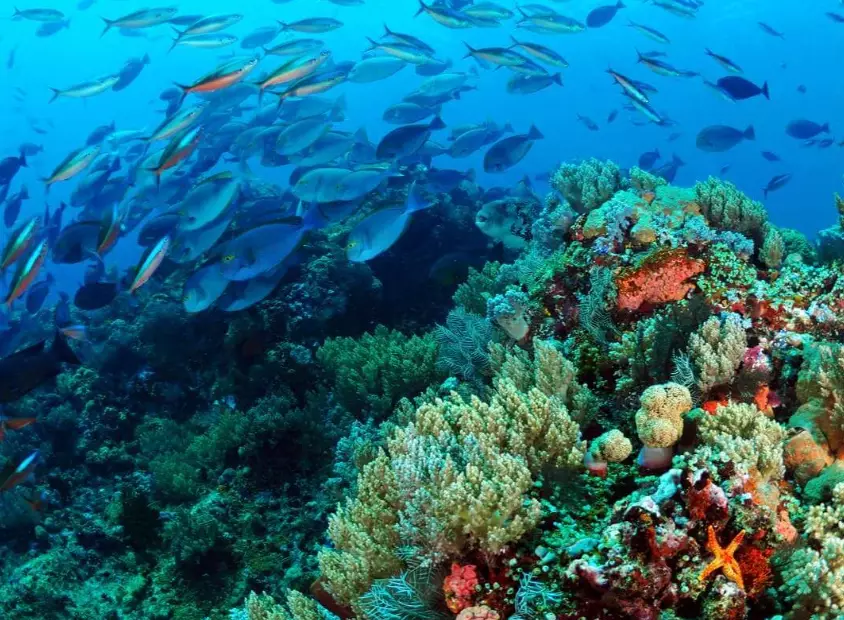
It's a ballet, a slow-motion flight as they loop and spin, their mouths wide to filter the plankton. The divers are merely spectators, humbled by the display. The rays are curious, approaching the lights with a gentle curiosity, their gills fluttering as they filter the water. It's a moment of connection, a reminder that we're guests in their world.
The Kona coast is a manta ray sanctuary, a testament to conservation efforts and the ocean's resilience. Diving here is more than an adventure; it's a privilege, a chance to witness the grace of these gentle giants.
6. Ricardo Silva, Cuba
Ricardo Silva is a dive site that feels like a secret, a stretch of Cuba's coast where the ocean has woven a tapestry of coral and life. The reef is a masterpiece, a structure so intricate it looks like a city for fish. Gardens of coral sway in the current, their colors a vibrant contrast to the blue.
What sets Ricardo Silva apart is its sense of discovery. The reef is a labyrinth of swim-throughs and caves, each hiding a new marvel—a lobster peering from a crevice, a school of grunts hovering like underwater birds. The current here is strong, sweeping divers along the reef wall like leaves in a stream. It's a ride, a chance to hover effortlessly and watch the ocean's drama unfold.
7. Muck Diving, Indonesia
Muck diving is the ocean's treasure hunt, a dive where the sand and silt reveal wonders often overlooked. Indonesia's Lembeh Strait is the genre's masterpiece, a site where every grain of sand holds a potential discovery. It's not about the big, but the small—a nudibranch no larger than a fingernail, a frogfish disguised as coral, a seahorse clinging to a blade of seagrass.
The key to muck diving is patience and a keen eye. Move slowly, let the details reveal themselves. That patch of sand might be a flounder, that piece of coral a crab. It's a dive that rewards stillness, a chance to witness the behaviors often missed in the rush of a reef dive.
Conservation is woven into the fabric of muck diving. The sites are protected, a sanctuary where life is left to thrive. Divers are taught to hover, to avoid disturbing the sand, to be guests rather than intruders. It's a model of responsible tourism, a reminder that the ocean's wonders are a privilege to witness.
8. Silfra Fissure, Iceland
Silfra is where two worlds meet, a crack in the earth where the North American and Eurasian tectonic plates drift apart. The water is glacial melt, filtered through lava rock until it achieves a clarity that feels like diving through air. The visibility is unparalleled, a hundred meters or more, turning the fissure into a crystal corridor.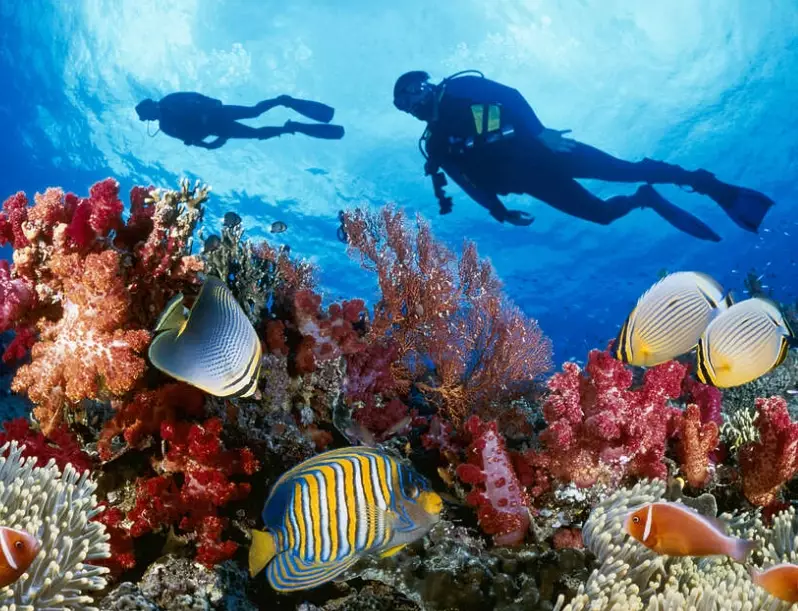
Diving Silfra is a journey through the earth's crust, a chance to touch rock formed by volcanic fire. The walls are a tapestry of lava rock, covered in algae that sways in the current. The water is cold, a shock that sharpens the senses, but the clarity is worth every chill.
The fissure is narrow in places, a crack just wide enough for a diver, creating a sense of intimacy with the rock. The current is gentle, a flow that carries divers along like leaves in a stream. It's a dive that feels more like flying, a chance to explore a world of crystal and rock.
9. Kelp Forests, California
California's kelp forests are the ocean's redwoods, towering structures that sway with the current, creating a canopy that filters the sunlight into beams of gold. The kelp is a haven, a nursery for fish, a hunting ground for seals. The forests are most vibrant in summer and fall, when the water is clear and the kelp sways in the current like a field of underwater wheat.
Diving a kelp forest is a sensory overload. The kelp sways in the current, creating a dance of shadow and light. Fish dart through the stalks, their scales catching the sun. The silence is profound, broken only by the click of shrimp and the hum of the ocean. It's a place that feels timeless, a sanctuary where the world above is forgotten.
The forests are also a theater, a stage for the ocean's daily drama. Sea lions chase through the stalks, their speed a blur. Garibaldi fish defend their territory, their orange bodies a flash against the green. Even the kelp itself is alive, a structure that sways and pulses with the ocean's rhythm.
10. Cenotes, Mexico
Mexico's Yucatan Peninsula is a land of limestone and jungle, but beneath the surface lies another world—a network of rivers and caves, carved by the ocean over millennia. The cenotes are sinkholes, windows into this underground realm, filled with water so clear it feels like diving through air.
The caves are the cenotes' heart, a labyrinth of tunnels and chambers, their walls covered in formations that look like stone waterfalls. The water is cold, a shock to the system, but the clarity is worth every chill. Sunlight filters through openings in the rock, creating beams that illuminate the water like spotlights.
Diving a cenote is a journey into the earth, a chance to explore a world untouched by time. The silence is profound, broken only by the sound of your breath. The formations are ancient, their shapes a record of the water's slow dance with the rock.
Planning Your Ultimate Dive Adventure
Choosing among the world's top dive sites is like being a kid in a candy store—every option is tempting. But the right choice depends on what you're seeking. Are you drawn to the thrill of shark dives, the mystery of underwater caves, or the serene beauty of a coral garden? Your diving experience level is also key. Some sites, like Blue Corner, are for the seasoned diver, while others welcome beginners with open fins.
Seasonality is another factor. The ocean has its rhythms, its times of calm and times of storm. Research is your ally here, a way to ensure your dive isn't thwarted by a monsoon or a jellyfish bloom. And always, always dive with a reputable operator. They're not just guides; they're guardians, ensuring your adventure is as safe as it is unforgettable.
Pro Tip: Pack a dive log. It's more than a record; it's a story, a way to relive each dive long after you've surfaced. Note the depth, the time, the marine life you encountered. It's a practice that turns a dive into a memory, a story to share over a lifetime.
Conservation: The Diver's Pledge
With the privilege of exploring the ocean's wonders comes a responsibility—to protect them. Conservation is the diver's pledge, a commitment to leave no trace, to respect the marine life, to be a guest rather than an intruder. It's a practice woven into the fabric of responsible diving, a way to ensure that the underwater world remains a sanctuary for generations.
Support local conservation efforts, choose operators who prioritize the ocean's health, and spread the word. Conservation is a collective effort, a ripple that starts with a single diver and grows into a wave. It's the diver's legacy, a way to ensure that the ocean's wonders remain for those who follow.
Frequently Asked Questions
How do I choose the right dive site for my skill level?
Start with an honest assessment of your experience. Beginner sites often have calm, shallow waters, while advanced sites might feature strong currents or deep walls. Research is key—read reviews, talk to dive operators, and consider a guide if you're new to the sport. The ocean is a world of wonder, but it's also a world of respect. Choose a site that matches your comfort and skill, and you'll have an adventure that's as safe as it is unforgettable.
What gear do I need for a world-class dive?
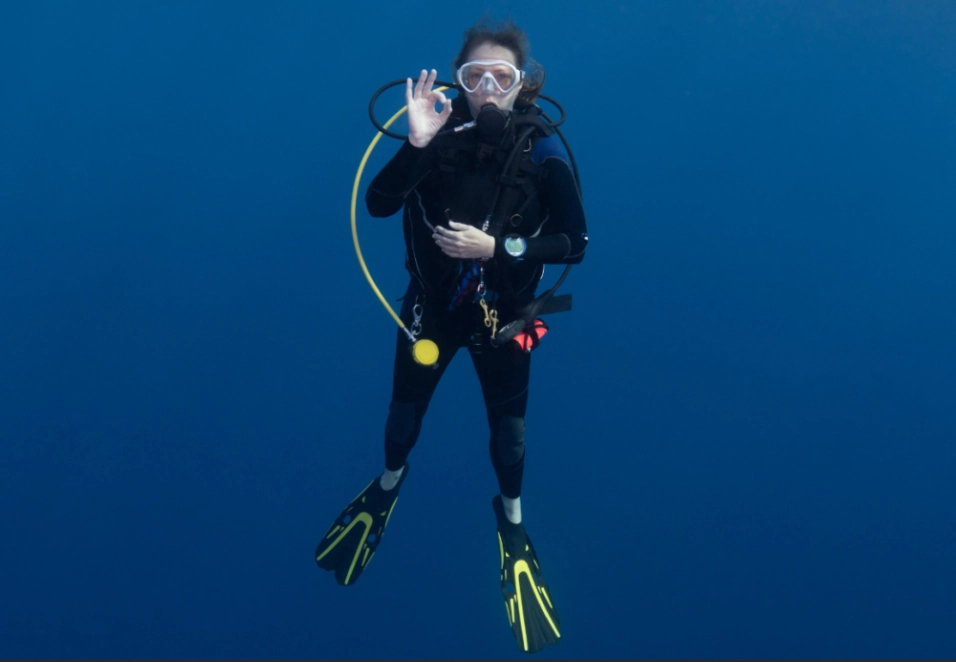
The basics are non-negotiable—a mask, fins, regulator, buoyancy control device, and a wetsuit. But consider investing in gear that fits you perfectly. A leaking mask or fin that rubs can turn a dive into a chore. And always, always have your gear serviced. It's a small step that can prevent a world of trouble.
Are there any health considerations for diving?
Diving is a sport of fitness, so a check-up is your first step. Discuss any conditions with your doctor, especially those related to your heart, lungs, or ears. And listen to your body—if you're feeling unwell, postpone the dive. The ocean will still be there tomorrow.
Planning is your ally. Research the site, understand the currents, and always dive with a buddy. It's a partnership, a way to ensure that help is at hand if needed. And remember the golden rule—never hold your breath. It's a practice that keeps the air flowing, the lungs safe, and the dive unforgettable.
The ocean is a world of wonder, a place where the everyday is left behind. And with the right approach, every dive can be an adventure, a story, a memory that lasts a lifetime. So take a breath, descend into the blue, and discover the wonders that await. The ocean is calling, and the answer is yes.

Comments