Ask ten divers which country has the best diving, and you'll get eleven different answers. That's the beauty and the frustration of this question. The "best" country entirely depends on what you're looking for. Are you a macro photography nerd hunting for tiny critters? A thrill-seeker wanting sharks and big pelagics? Or someone who wants crystal clear water and easy access from a comfy resort?
I've logged dives in over 20 countries, from crowded tourist hotspots to remote atolls you need a liveaboard to reach. The truth is, there's no single champion. Instead, there's a handful of elite contenders, each dominating a specific category. Think of it like the Olympics—different countries win gold in different events.
So, let's stop looking for one winner and start matching the perfect country to your personal diving style and dreams.
Your Quick Dive Guide
- The Top Contenders: A Side-by-Side Breakdown
- The Philippines: Biodiversity Capital of the World
- Egypt & The Red Sea: The Wreck Diver's Paradise
- Indonesia: From Manta Rays to Komodo Dragons
- Mexico: Beyond the Reef to Cenotes and Bull Sharks
- Honorable Mentions: Maldives, Australia & More
- How to Choose Your "Best" Diving Country
- Your Diving Destination Questions Answered
The Top Contenders: A Side-by-Side Breakdown
Before we dive deep into each location, here's a snapshot. This table isn't about ranking them 1 to 5, but about showing their superpowers at a glance.
| Country | Core Strength | Best For | Prime Season | Budget Vibe |
|---|---|---|---|---|
| The Philippines | Unmatched biodiversity & macro life | Critter hunters, photographers, variety seekers | Nov - May (dry season) | Mid-range to affordable |
| Egypt (Red Sea) | World-class wreck diving & clear walls | Wreck enthusiasts, tech divers, liveaboard fans | Year-round (best Mar-Jun, Sep-Nov) | Budget to luxury liveaboards |
| Indonesia | Epic big animal encounters & pristine reefs | Manta/sunfish seekers, advanced adventurers | Varies by region (Apr-Dec in Komodo/Raja) | Mid-range to high-end |
| Mexico | Unique cenote diving & reliable shark action | Cave/cavern divers, bull shark lovers, combo trips | Cenotes: Year-round. Sharks: Nov-Mar. | Affordable to mid-range |
| Maldives | Channel drifts & luxurious overwater living | Drift diving, relaxation, honeymooners | Dec - Apr (NE monsoon) | High-end (liveaboards/resorts) |
See what I mean? Picking Egypt over Indonesia because it's "better" is like saying a hammer is better than a screwdriver. It depends on the job.
The Philippines: Biodiversity Capital of the World
If your idea of a great dive involves finding weird and wonderful creatures smaller than your thumb, the Philippines is your holy grail. The Coral Triangle's heart beats here, pulsing with life. I remember one dive in Anilao, a macro hotspot a few hours from Manila, where I saw three different species of pygmy seahorse on a single sea fan. The guide pointed them out—I never would have spotted them myself.
Key Regions & What You'll See
Tubbataha Reefs Natural Park: This UNESCO site is open only by liveaboard for a few months a year (Mar-June). It's remote, pristine, and delivers big pelagics—sharks, tuna, jackfish storms. It's the country's premium big-animal offering.
Anilao & Puerto Galera: The macro capitals. Think rhinopias, flamboyant cuttlefish, countless nudibranchs. Water conditions can be variable, but the critter list is endless. Perfect for underwater photographers.
Malapascua: The only place in the world where you have a near-guaranteed daily sighting of thresher sharks. You'll be getting up at 4:30 AM for the dawn dive at Monad Shoal. It's a unique, almost spiritual experience.
Getting There & Staying: Fly into Manila or Cebu. Domestic flights and ferries connect the islands. Accommodation ranges from basic diver guesthouses (PHP 1500-2500/night) to high-end resorts. A week of diving with accommodation can cost anywhere from $800 to $2500+ depending on your style.
Local Tip: Many new divers flock to Coron for the famous Japanese wrecks. They're incredible, but they sit in silty, low-visibility water. It's not a great place for your first open water dives. Go there once you're confident in your buoyancy and aware of your surroundings.
Egypt & The Red Sea: The Wreck Diver's Paradise
The Red Sea is a desert ocean—clear, warm, and littered with history. The diving here has a different flavor. It's often about structure: walls, reefs, and most famously, wrecks. The SS Thistlegorm, a WWII cargo ship sitting upright on the seabed with trucks, motorcycles, and boots still in its hold, is a dive that stays with you. It's not just a dive; it's a time capsule.
There are two main approaches: the day-boat diving from Sharm El-Sheikh or Hurghada (more affordable, shorter trips), and the liveaboard safaris that head to the remote southern reefs (Brothers, Daedalus, Elphinstone) or further north. The southern routes are for advanced divers due to currents and depth, but they offer staggering walls covered in soft corals and the chance for oceanic whitetip and hammerhead sharks.
Costs: Egypt is one of the most cost-effective world-class destinations. A week on a mid-range liveaboard can be found for $1000-$1800, including all dives and food. Shore-based diving is even cheaper.
Indonesia: From Manta Rays to Komodo Dragons
Indonesia is massive, and its diving is equally vast. It's less about tiny critters (though it has them) and more about breathtaking landscapes and iconic megafauna.
Raja Ampat: Touted by many as the best reef diving on the planet. The fish biomass is insane—schools so thick they block the sun. It's about healthy, resilient reefs and stunning topography. It's expensive and a journey to reach (fly to Sorong), but for pure reef health and drama, it's unbeatable.
Komodo National Park: Strong currents mean vibrant, fed reefs and big animal action. Manta ray cleaning stations are almost a sure thing. The diving is dynamic and best for divers comfortable with current. Oh, and there are dragons on the islands. It adds a fun twist to the surface interval.
Bali: The accessible all-rounder. You've got the USAT Liberty wreck at Tulamben (a shore dive!), the muck diving of Padang Bai, and the chance to see the elusive oceanic manta ray and seasonal Mola mola (sunfish) around Nusa Penida. Bali lets you mix culture, food, and varied diving easily.
Mexico: Beyond the Reef to Cenotes and Bull Sharks
Mexico offers a brilliant two-for-one deal. On one hand, you have the Mesoamerican Reef along the coast of places like Cozumel (famous for easy, beautiful drift dives). On the other, you have the Yucatán's inland cenotes—flooded limestone caves with haloclines, stalactites, and beams of light that look like underwater cathedrals.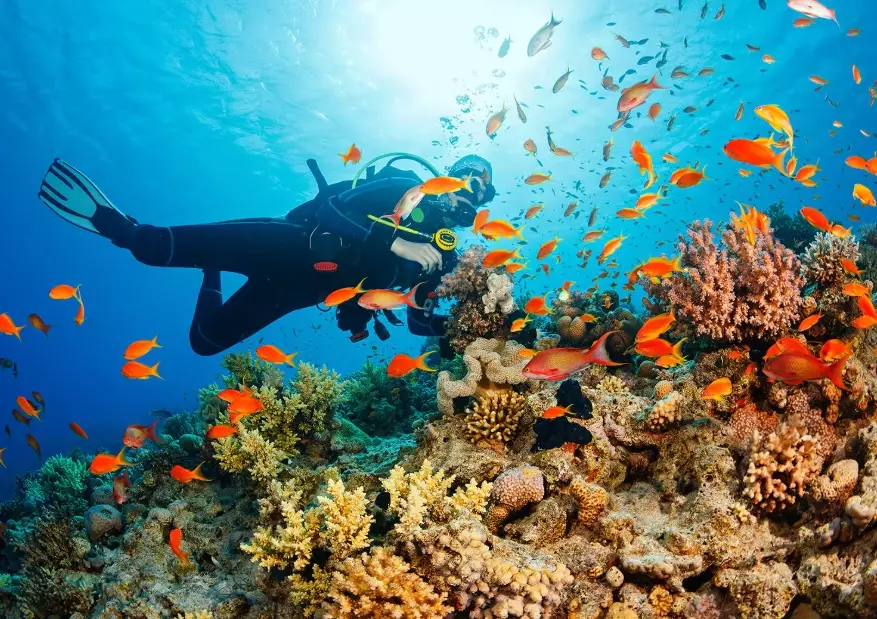
Diving a cenote like The Pit or Dos Ojos is a surreal experience unlike any ocean dive. It's fresh water, so you need perfect buoyancy—kicking up silt is a big no-no. It's also a great skill-builder. Then, from November to March, you can head to Playa del Carmen to dive with congregations of bull sharks. It's a controlled, adrenaline-pumping experience.
Logistics: Fly into Cancún (CUN). Cozumel requires a ferry from Playa del Carmen. Cenote diving is based around Tulum or Playa. A 2-tank ocean dive costs around $90-120. A 2-tank cenote dive is similar but often includes a guide and gear.
Honorable Mentions: Maldives, Australia & More
Some destinations don't fit the "do everything" mold but excel in their niche.
The Maldives is the quintessential luxury dive holiday. You're either on a lavish liveaboard sailing between atolls or staying in an overwater villa. The diving is all about channel drifts—riding currents through passes where sharks, rays, and schools of fish gather. It's exhilarating but can be current-heavy. It's perfect if you want your diving served with a side of five-star pampering.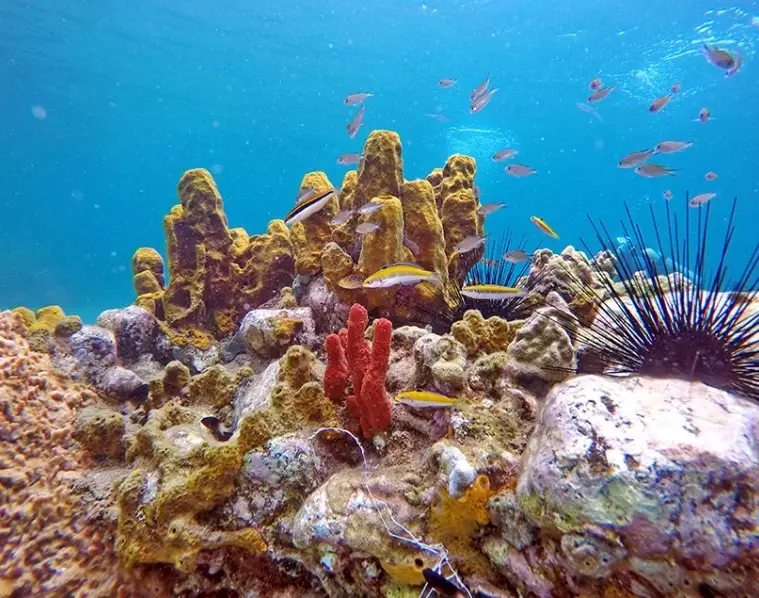
Australia's Great Barrier Reef has suffered from bleaching events, which the media rightly reports. But saying it's "dead" is a massive overstatement. The outer reefs, accessed from Cairns or Port Douglas, still offer spectacular coral formations and big life. For a more unique Aussie experience, head to the Ningaloo Reef on the west coast for the chance to swim with whale sharks (Mar-Jul).
Palau is a micro-nation that packs a punch. Famous for Jellyfish Lake (currently closed for recovery) and its shark-filled channels, it's a conservation-focused, advanced destination. It's expensive but profoundly wild.
How to Choose Your "Best" Diving Country
Stop asking "which is best?" and start asking yourself these questions:
What's your dive experience level? Beginners should prioritize easy conditions, good visibility, and reliable operations. Cozumel (easy drifts), the Red Sea (calm northern reefs), or Bali's Liberty wreck are fantastic starters. Save the strong currents of Komodo or Cocos Island for later.
What's on your must-see list? Make a list of your top 3 marine creatures or experiences. Wrecks? Egypt. Manta rays? Indonesia or Maldives. Weird macro? Philippines.
What's your trip budget and style? Be honest. Are you a backpacker wanting cheap dorm beds and local food, or do you want a resort with a rinse tank steps from your room? Egypt and Southeast Asia offer great value. The Maldives and remote liveaboards are investment-level trips.
Do you want more than diving? If your travel companions or you want culture, jungle trekking, or great food, consider Indonesia, Mexico, or the Philippines. A liveaboard in the middle of the ocean is 100% diving, 0% temples.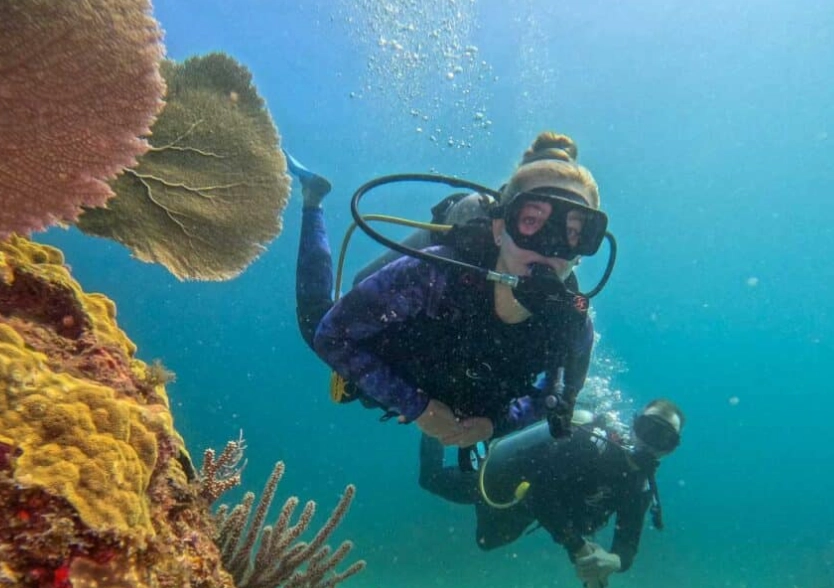
Comments