Let's cut to the chase. The Mediterranean Sea is a diving paradise, but with so many coasts—from Spain to Turkey—picking the best spot can feel overwhelming. After diving here for over a decade, I've learned that the "best" place depends on what you're after: wreck diving, marine life, or just crystal-clear water without breaking the bank. This guide covers the top destinations, plus insider tips you won't find on generic travel blogs.
Jump to Your Favorite Section
Top 5 Mediterranean Dive Sites You Can't Miss
Forget the hype. These spots deliver based on accessibility, marine diversity, and that wow factor. I've ranked them for different diver profiles.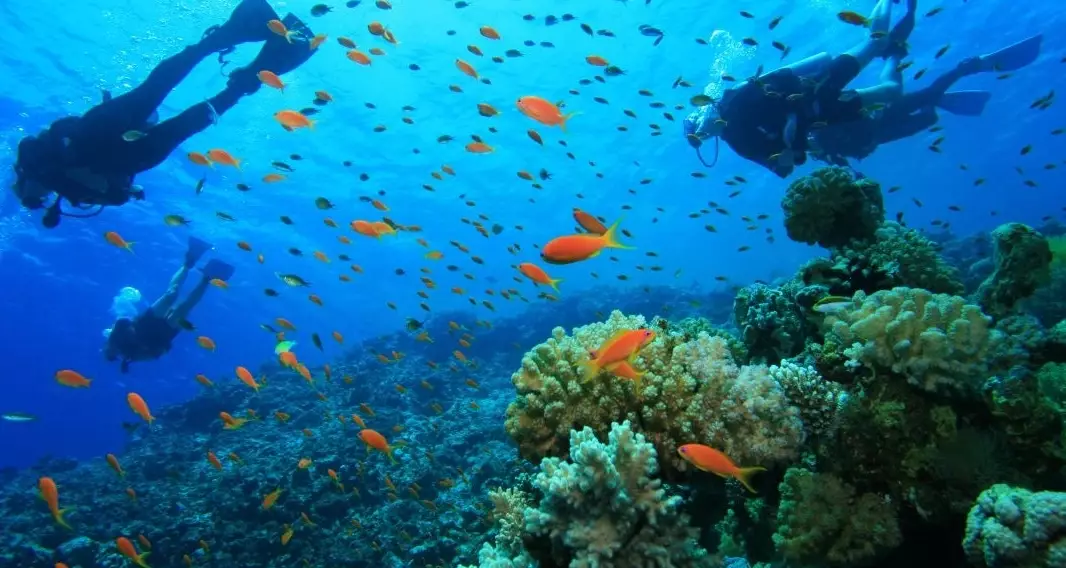
| Destination | Country | Best For | Key Features | Approx. Cost (2 dives) | Best Time to Visit |
|---|---|---|---|---|---|
| Blue Hole | Malta | Advanced divers, underwater arches | 26m deep sinkhole, swim-throughs, barracuda | €70-€90 | June-Sept (calm seas) |
| Calanques de Cassis | France | Beginners, scenic shore dives | Turquoise coves, sea grass, octopus sightings | €50-€70 | May-Oct (avoid Aug crowds) |
| Medes Islands | Spain | Marine life lovers, photography | Protected reserve, groupers, moray eels | €60-€80 | Year-round (spring for viz) |
| Vis Island Wrecks | Croatia | Wreck diving, history buffs | WWII ships at 30-40m, intact structures | €65-€85 | July-Sept (warmest water) |
| Aegean Sea (Santorini) | Greece | Volcanic landscapes, thermal springs | Black sand, hot vents, occasional seals | €55-€75 | Sept-Oct (fewer tourists) |
Now, let's dive deeper into each.
1. Blue Hole, Malta – The Advanced Playground
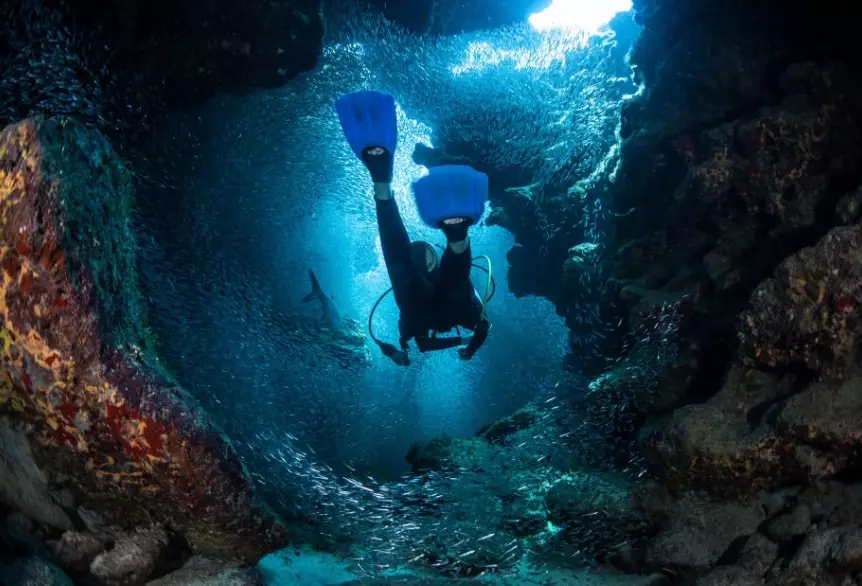
Located near Gozo, the Blue Hole is iconic but often crowded. Address: Dwejra Bay, Gozo. No formal ticket—just pay dive centers like Atlantis Diving Gozo (they charge €85 for a guided dive). The site is free to access, but you need a boat or shore entry; parking is limited. Best hours: early morning before 9 AM to avoid tour groups. Water temps hit 25°C in summer. I once saw a loggerhead turtle here, but it's rare. The arch at 10m is stunning, but currents can pick up—check with local authorities like the Malta Tourism Authority for weather updates.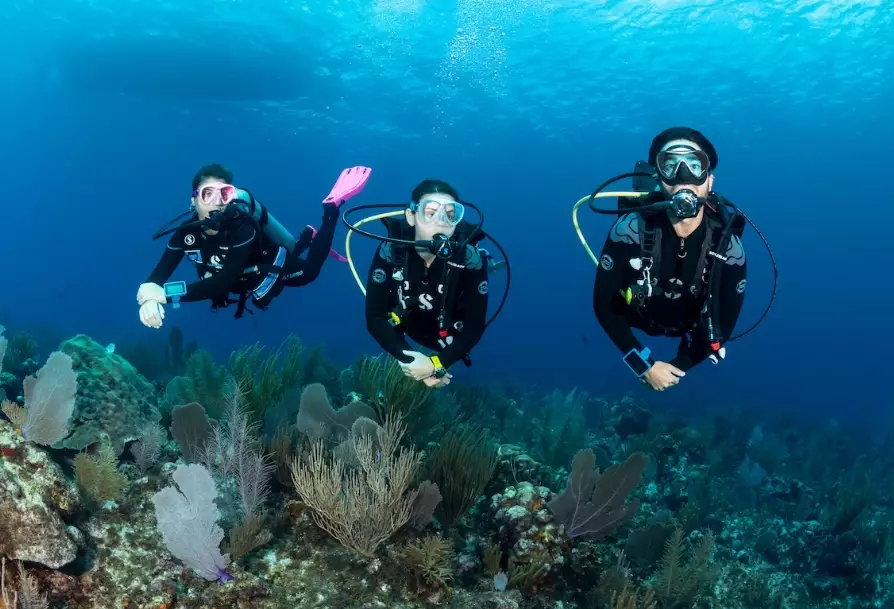
2. Calanques de Cassis, France – Easy Beauty
This is my go-to for beginners. Address: Calanques National Park, near Marseille. No entrance fee, but park regulations limit group sizes. Dive shops like Centre de Plongée Cassis offer packages from €55. Shore diving means you control your time. Water clarity peaks in May at 30m visibility. The sea grass beds hide tiny seahorses—bring a magnifier. Traffic can be hell in July; take the train from Marseille (€5) instead of driving.
3. Medes Islands, Spain – Marine Sanctuary
A protected area since 1983, Medes Islands are teeming with life. Address: L'Estartit, Costa Brava. You'll need a permit (included in dive packages). Dive centers like Dive Empordà charge €75 for two dives. Boat rides are short, 10 minutes from port. Summer sees lots of snorkelers, so book ahead. I've spotted barracuda schools here every October. The underwater caves are shallow, perfect for newbies.
4. Vis Island Wrecks, Croatia – History Underwater
Croatia's coast is wreck heaven. The B-24 Liberator bomber near Vis sits at 38m—advanced only. Address: Vis Island, Dalmatia. Dive operators like Blue Cave Diving Vis run trips for €80. Permits required for some wrecks; they handle it. Water temps reach 24°C in August. The island is remote; ferries from Split cost €15 each way. Accommodation: guesthouses from €50/night. A tip: wrecks are fragile—avoid touching, as corrosion is real.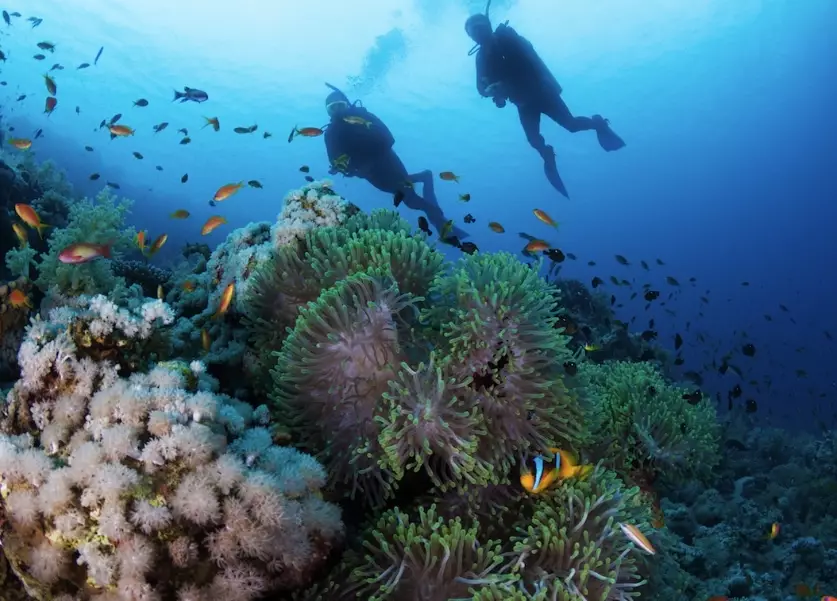
5. Aegean Sea, Greece – Volcanic Wonders
Santorini isn't just for sunsets. The volcanic caldera offers unique dives. Address: Amoudi Bay, Santorini. Dive shops like Santorinidiving.com charge €70. No tickets, but boat dives are common. Water can be cooler, 20°C even in summer. The hot springs near Nea Kameni are surreal—like a spa at 5m depth. I've seen monk seals here twice in a decade, so don't bank on it. Season runs April to November; winter diving is rough.
Insider Tip: Many dive spots don't have official "opening hours," but dive centers operate 8 AM-6 PM. Always call ahead—I've shown up to find a shop closed for a local festival. Check sites like PADI's dive shop locator for verified operators.
How to Plan Your Mediterranean Diving Trip
Planning makes or breaks a dive trip. Here's a step-by-step based on my own blunders.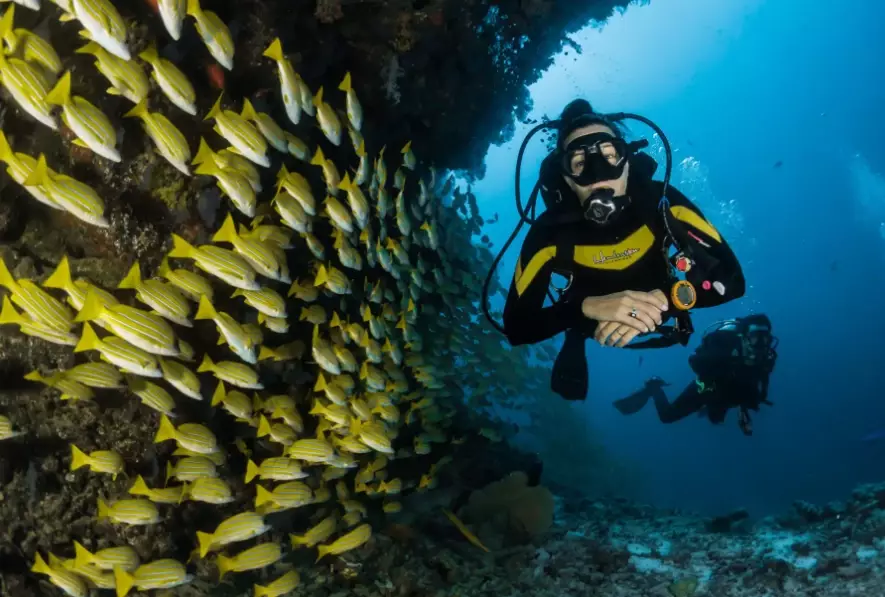
Step 1: Match Your Skill Level
If you're new, stick to depths under 18m and low currents. Medes Islands or Calanques are safe bets. Advanced divers? Head to Malta or Croatia. I've seen intermediates struggle in the Blue Hole's surge—it's no joke.
Step 2: Budget Realistically
A week in the Med diving costs €800-€1500. Breakdown:
- Flights: €200-€400 from Europe (book 3 months ahead).
- Diving: €50-€100/day including gear.
- Accommodation: €40-€150/night. Croatia and Greece offer cheaper options.
- Food: €30-€50/day. Local tavernas beat tourist traps.
I saved €300 by diving in Turkey's Kaş region—less crowded, similar marine life.
Step 3: Timing is Everything
Peak season (July-August) means crowds and higher prices. Shoulder seasons (May-June, Sept-Oct) offer better visibility and deals. In spring, water might be 18°C—bring a thicker wetsuit. I dove in November once; sites were empty but shops limited.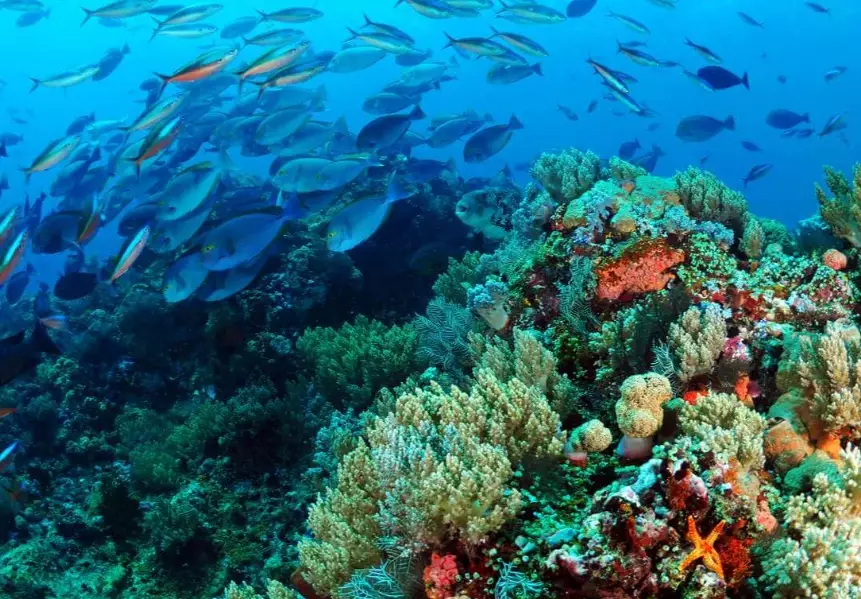
Step 4: Gear and Certifications
Most centers rent gear, but bring your mask—fit matters. Certification: Open Water Diver (PADI or equivalent) is standard. For wrecks, advanced certs help. Check if your operator requires dive logs; some in Croatia ask for proof of deep dives.
Step 5: Logistics and Travel
Rent a car for flexibility in places like Malta (€30/day). Public transport works in Spain and France. Ferries connect Greek islands; book online. For health, DAN Europe offers diving insurance—worth every penny.
External resources: I rely on the Mediterranean Science Commission for marine updates, and official tourism boards like Visit Malta for travel advisories.
Diving in the Med: What Nobody Tells You
Here are pitfalls I've learned the hard way.
Overestimating Visibility
Mediterranean water isn't always crystal clear. Summer algae blooms can reduce viz to 10m. Check local reports—dive centers post conditions daily.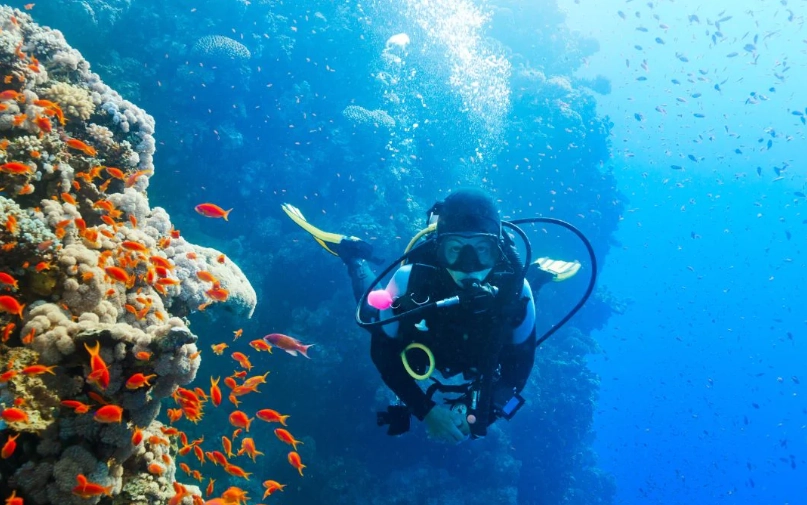
Ignoring Currents
Currents around islands like Sicily or Cyprus can be strong. A dive guide once told me, "If you feel a pull, don't fight it—swim parallel." I ignored that once and ended up half a kilometer off course.
Budget Dive Operators
Cheap isn't always safe. I tried a €40 dive in Tunisia; gear was outdated. Look for operators with ISO certifications or affiliations with PADI. Read reviews on ScubaBoard.
Marine Life Misconceptions
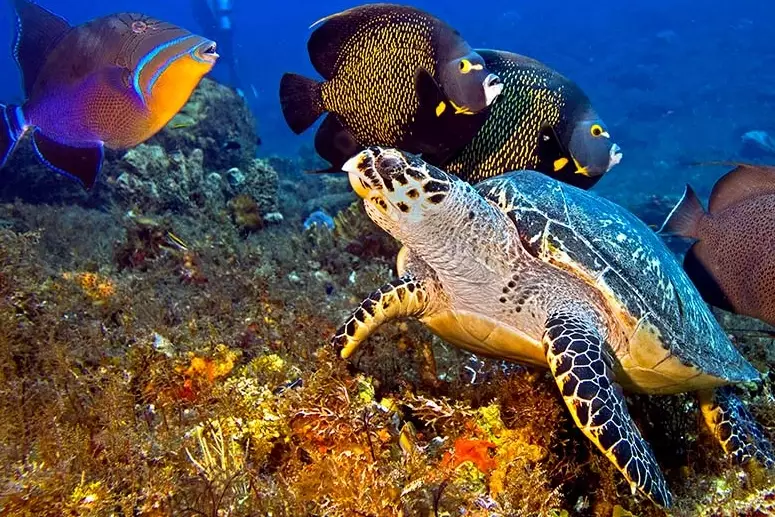
You won't see tropical reefs. The Med has rocky bottoms and seagrass. But the biodiversity is rich—look for nudibranchs and octopuses. Touching is a no-go; sea urchin spines hurt, and you'll damage ecosystems.
Cultural Nuances
In Greece, dive shops might close for a siesta. In Italy, bookings are casual—confirm twice. I've missed dives assuming email was enough.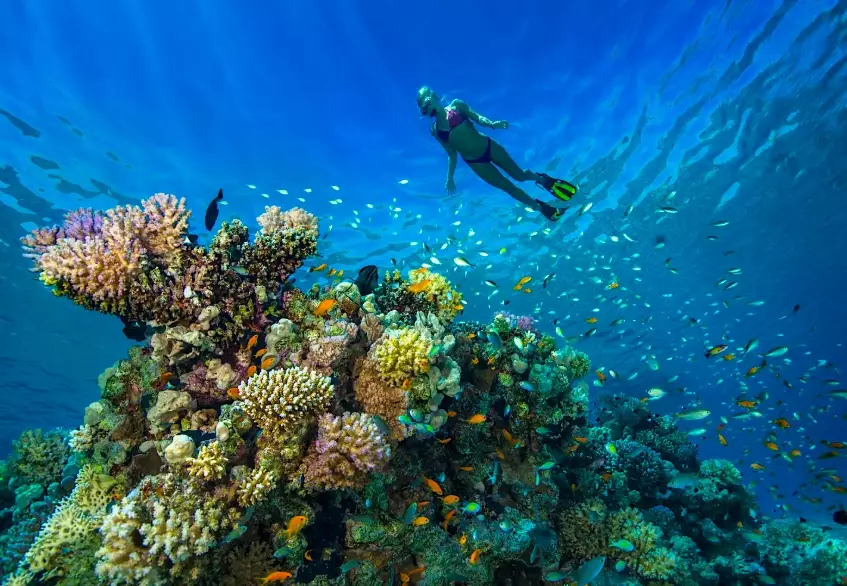
Your Questions Answered
That's it. The Mediterranean offers something for every diver—just pick your spot, plan smart, and dive safe. I still get chills diving those wrecks in Croatia. What are you waiting for?


Comments