Ask any seasoned diver to name the best dive sites in the world, and you'll get a passionate debate. But after hundreds of dives across six continents, I've found that five locations consistently rise to the top. These aren't just pretty reefs; they're transformative experiences that redefine what you think is possible underwater.
Forget the glossy brochures. I'm talking about the raw power of a Galapagos current, the eerie silence of a bottomless blue hole, and the controlled chaos of a shark-filled corner. Planning a trip to any of these requires more than just booking a flight. You need the right season, the right operator, and frankly, the right level of skill. Get it wrong, and you'll have an expensive, mediocre trip. Get it right, and it changes you.
Your Quick Dive Guide
#1: The Great Blue Hole, Belize
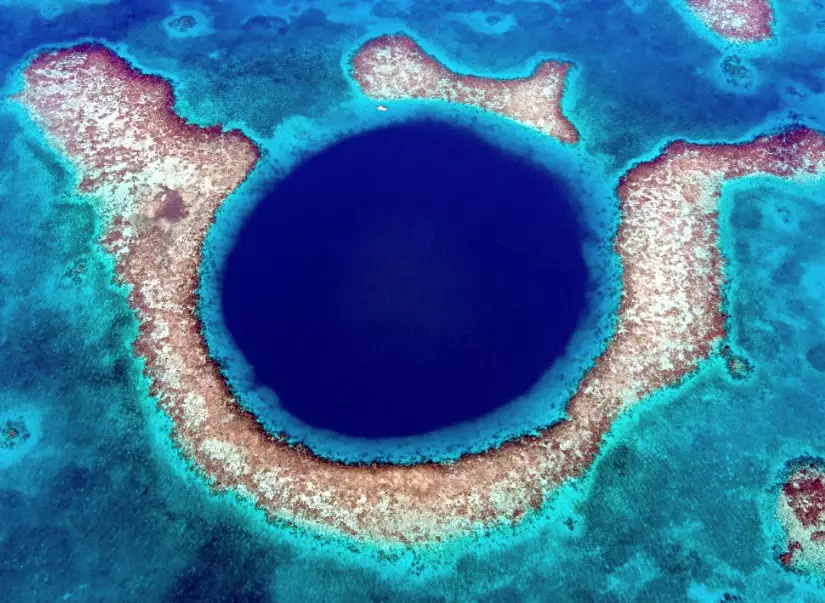
Let's start with the icon. From the air, the Great Blue Hole is a perfect dark-blue circle punched into the Belize Barrier Reef. Underwater, it's a geological time capsule. You don't come here for colorful coral. You come for the sheer scale and the chilling descent.
The dive is a straight shot down the wall. Around 40 meters (130 feet), you hit the first stalactites—massive limestone formations that prove this was once a dry cave, thousands of years ago. The light fades to deep blue. It's silent, cold, and profoundly humbling. You're not looking for tiny critters; you're witnessing a piece of planetary history.
The Nitty-Gritty Details
Getting There & Logistics: Almost all trips are day-long excursions from San Pedro or Belize City. You'll take a fast boat (2-3 hour ride) to Lighthouse Reef Atoll. It's a long day, often starting before sunrise. The dive itself is deep, requiring Advanced Open Water and good buoyancy control. Most operators include two shallower, spectacular reef dives on Lighthouse Reef afterward to off-gas and see the color you missed in the hole.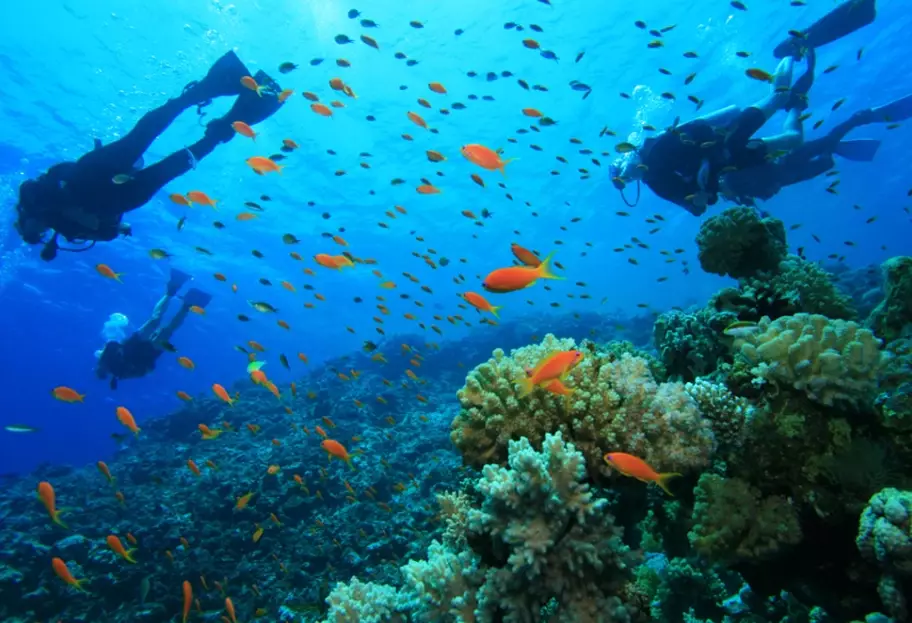
What They Don't Tell You: The visibility inside the hole can be lower than the surrounding reef due to minimal water exchange. And those famous stalactites? They're deeper than you think. Many divers push their limits to see them, which is a recipe for trouble. My advice? Respect your computer. The grandeur is in the entire experience, not just touching a rock at 40 meters. The real stars are the reef sharks and giant groupers that patrol the lip of the hole at your safety stop.
#2: Sipadan Island, Malaysia
Sipadan is biodiversity on overdrive. A tiny oceanic island rising from the deep Celebes Sea, it's protected as a marine park with limited daily permits (120 divers). This means no one lives there, and the fish have never learned to fear humans.
The signature dive is Barracuda Point. Imagine a swirling tornado of hundreds, sometimes thousands, of chevron barracuda. One moment they're a distant shimmer, the next you're inside the vortex. On the same dive, you'll see white-tip reef sharks napping on the sand, turtles munching on sponges, and massive schools of jacks. At Drop Off, the reef wall starts in 3 feet of water and plummets straight down 600 meters. You literally back-roll off the boat and are on the wall.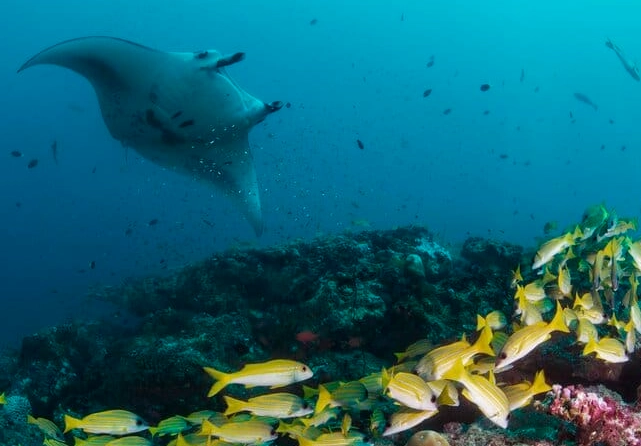
| Key Sipadan Dive Sites | Highlights | Skill Level |
|---|---|---|
| Barracuda Point | Barracuda tornados, turtles, sharks | Intermediate |
| Drop Off | Sheer wall, macro life, schooling fish | Beginner+ |
| South Point | Strong currents, pelagics, eagle rays | Advanced |
| Turtle Tomb | Cavern dive (special permit), eerie skeleton | Expert Only |
Logistics are everything. You cannot stay on Sipadan. You base yourself on nearby islands like Mabul or Kapalai, staying at a resort that holds Sipadan permits. Book months, sometimes a year, in advance. The permit system, while a hassle, is why Sipadan remains world-class. A common mistake? Spending all your time chasing the permit and ignoring Mabul's incredible muck diving for rare critters like flamboyant cuttlefish and frogfish—it's the perfect complement.
#3: Wolf & Darwin Islands, Galapagos, Ecuador
This is the big league. Wolf and Darwin are remote volcanic pinnacles, a 15-20 hour overnight sail from the main Galapagos islands. You come here for one thing: large pelagic animals in staggering numbers. This isn't a casual reef dive. The water is cold (18-24°C/65-75°F), the currents are strong, and the seas can be rough. You earn every sighting.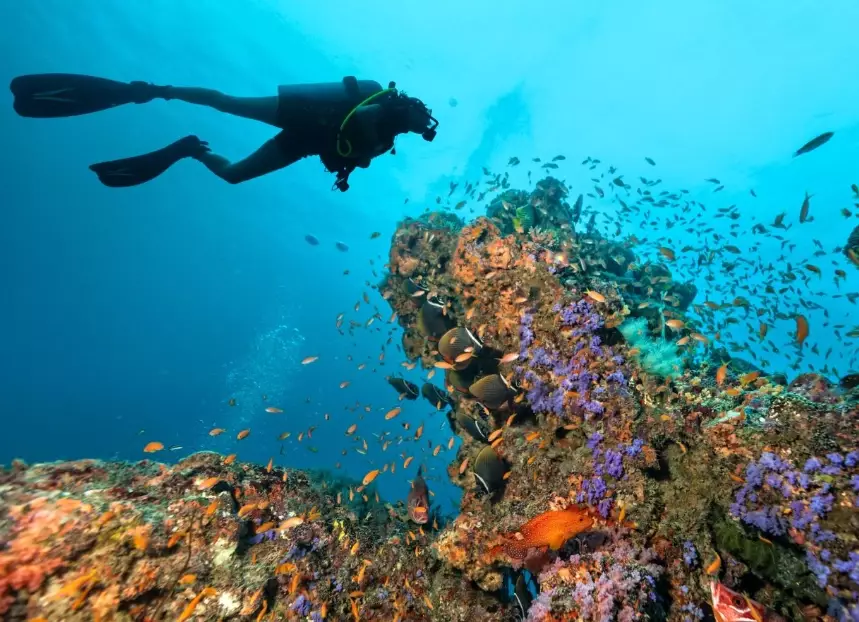
At Darwin's Arch (the iconic rock formation that recently collapsed), you descend onto a plateau at about 18 meters. Then you hold on. The current sweeps you along the wall in what's called a "drift dive on steroids." And then they appear: schools of hundreds of scalloped hammerhead sharks, swirling in the blue. Silky sharks, Galapagos sharks, and from June to November, the elusive whale shark. It's raw, powerful, and utterly mesmerizing.
The only way to dive here is via a liveaboard. A typical 7-10 day itinerary includes these northern islands and the central ones. You need to be an advanced diver with significant cold-water and current experience. I've seen confident warm-water divers completely overwhelmed here. It's worth every penny and every bit of preparation.
#4: The Cod Hole, Great Barrier Reef, Australia
The Great Barrier Reef is vast, but one site has legendary status: the Cod Hole, near the remote Ribbon Reefs. It's famous for its resident population of massive Potato Cod (Giant Groupers), some over 2 meters long and weighing 100+ kg. These are wild animals, but decades of careful interaction by a few select operators have made them curiously friendly.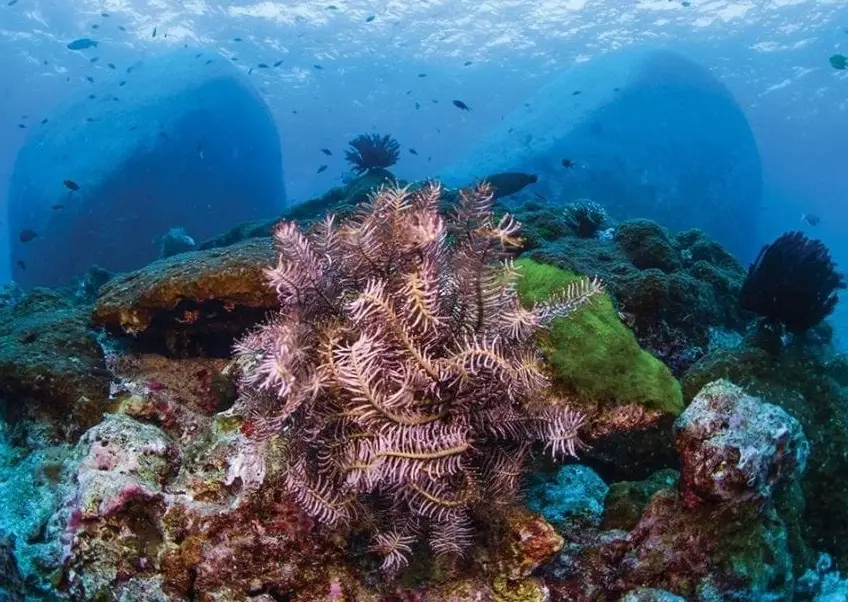
You kneel on the sand, and these gentle giants will swim right up to you, looking you in the mask. It's an intimate, almost surreal wildlife encounter. But the Cod Hole is more than just big fish. The Ribbon Reefs have pristine coral formations, incredible visibility, and during the Australian winter (Jun-Aug), it's one of the only places in the world to snorkel with dwarf minke whales.
Planning Your Cod Hole Trip
Access is via liveaboard from Cairns, typically on 3-4 day trips heading to the northern reefs. This is key—the southern reefs near Cairns are more affected and crowded. The northern Ribbon Reefs are healthier and quieter. Operators like Mike Ball Dive Expeditions and Spirit of Freedom have long histories with this site. It's suitable for most competent Open Water divers, as the site itself is not deep or particularly current-swept. The challenge is often the sea conditions during the transit.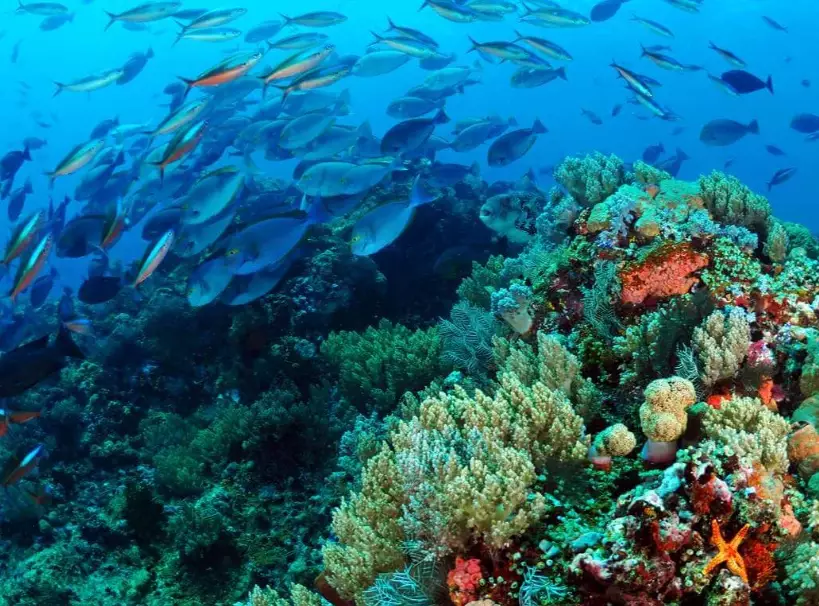
#5: Blue Corner, Palau
Blue Corner is the masterclass in current diving. It's a submerged plateau that juts out into the open ocean. The drill is specific: you drop down to the "corner" at about 20 meters, hook into the reef with a reef hook (a special device), and then float in the current like a kite.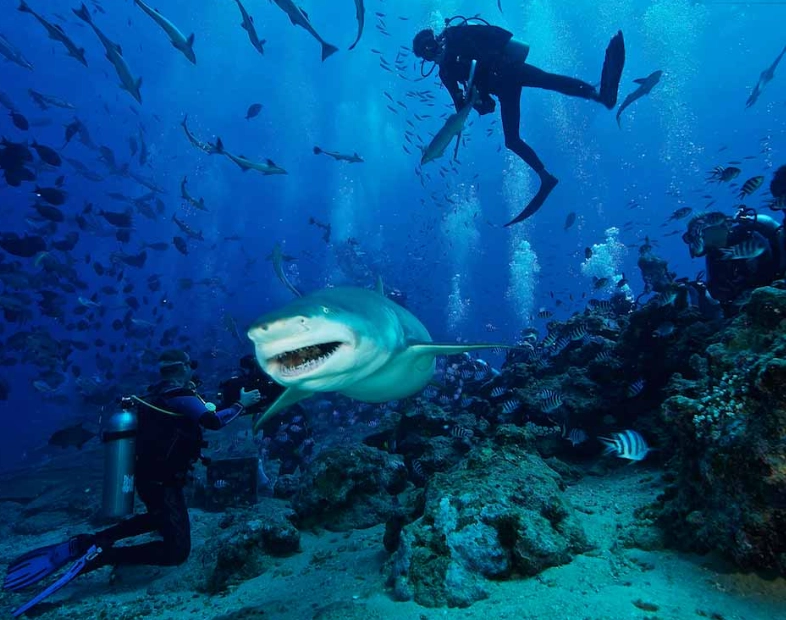
And then the show begins. Grey reef sharks patrol the edge in numbers I've seen nowhere else. Schools of barracuda and jack form living walls. Napoleon wrasse, eagle rays, and sometimes even manta rays cruise by. You're a stationary observer in a highway of marine life. When the current is pumping, it's pure adrenaline. When it's slack, you explore the gorgeous reef top covered in hard corals.
Palau's unique environment, including famous sites like Jellyfish Lake and Chandelier Cave, makes it a complete dive destination. Blue Corner is its beating heart. You need to be comfortable with currents and using a reef hook (your guide will teach you). It's not a deep dive, but it demands good situational awareness and air management.
How to Plan Your Top-Tier Dive Trip
Booking a trip to these places isn't like booking a weekend at the local quarry. Here's the real talk from someone who's messed it up before.
Season is King: Timing is everything. Go to Sipadan in the rainy season (Nov-Feb) and you might get stuck with poor visibility. Visit the Galapagos outside the cooler season and you'll miss the nutrient upwelling that brings the big pelagics. Research is non-negotiable.
Liveaboard vs. Land-Based: For remote sites (Galapagos, Wolf/Darwin, Cod Hole, distant Palau reefs), liveaboards are the only efficient option. For Sipadan and the Great Blue Hole, you're land-based. Liveaboards offer more dives at remote sites but require you to be social and okay with confined spaces.
Skill Check Your Ego: Be brutally honest about your logbook and comfort level. Nothing ruins a trip faster than being the diver who panics in a current at Blue Corner, endangering themselves and others. If you're not there yet, build experience in intermediate destinations first. These sites will still be there.
Your Top Dive Trip Questions Answered
Choosing any of these five dive sites is a commitment—of time, money, and skill. But that's what makes them the best. They're not easy. They demand respect for the ocean, for the local rules, and for your own limits. Get it right, and you're not just checking a box on a bucket list. You're collecting a story that you'll tell for the rest of your life, one that reminds you how wild and magnificent our planet truly is.

Comments