Picking a dive destination can be overwhelming. Social media floods you with perfect shots from everywhere. But here's the thing I've learned after fifteen years of guiding and diving around the globe: not all legendary dive countries are created equal for your trip. The "best" one depends entirely on what you're after—pristine coral, big sharks, tiny critters, or easy logistics. This list isn't just a pretty ranking. It's a practical breakdown of the top 10, cutting through the hype to tell you exactly what you'll get, who it's for, and the trade-offs nobody talks about.
Your Dive Travel Blueprint
How We Picked These Dive Destinations
Throwing darts at a map won't work. I judge a top diving country on a mix of objective quality and subjective experience. Marine biodiversity is king—healthy coral reefs, big fish populations, and unique species. Consistency and access matter too; a single amazing site you can only reach on a rare weather window isn't as valuable as a region with multiple reliable spots. I weigh the overall travel experience—infrastructure, safety, and value for money. Finally, I consider the "X-factor"—that unique draw, like swimming with a specific animal or exploring a legendary wreck, that makes a place irreplaceable.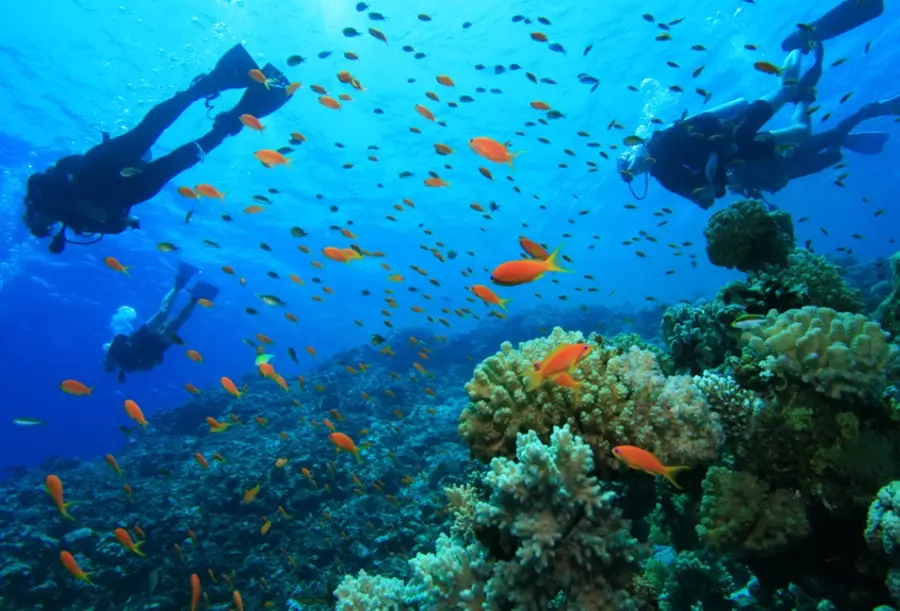
The Top 10 Best Diving Countries
Here they are, ranked not just by raw beauty, but by the holistic diving adventure they offer.
1. Indonesia: The Undisputed Biodiversity Champion
If you measure a dive destination by sheer life-per-square-inch, Indonesia tops the list. It's not even close. The Coral Triangle's heart beats here. Raja Ampat is the headline act—a maze of islands where reefs are so healthy they feel like a time machine to 50 years ago. But don't sleep on Komodo for thrilling currents and dragons, or the Lembeh Strait for the world's best muck diving (macro photography). The downside? It's vast. Getting to the best spots requires time and money, often involving multiple flights and liveaboards. This is a pilgrimage for serious divers.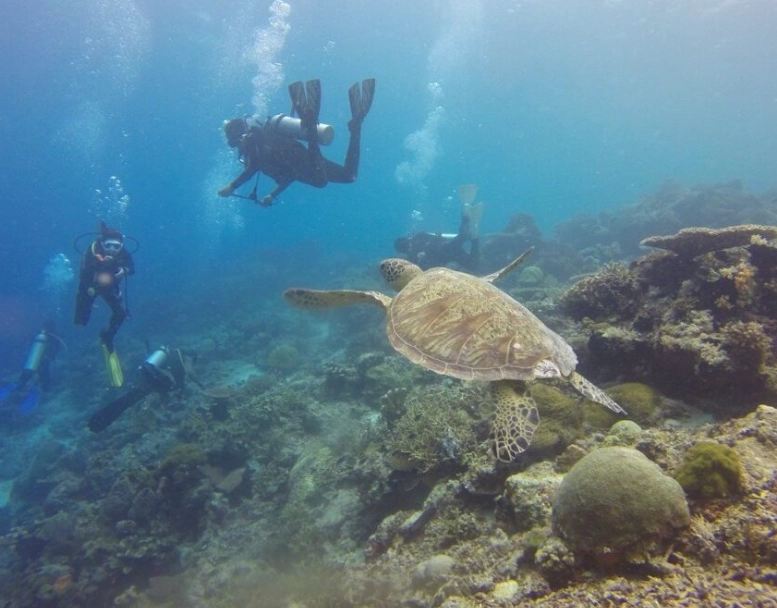
Best for: Advanced divers, macro photographers, biodiversity nerds.
Prime Time: October-April for Raja Ampat; July-September for Komodo.
Notable Site: Cape Kri, Raja Ampat (holds the record for most fish species seen on a single dive).
2. Philippines: The Accessible All-Rounder
The Philippines is Indonesia's user-friendly cousin. The biodiversity is still incredible, but the logistics are often simpler and cheaper. You've got Tubbataha Reefs Natural Park, a remote UNESCO site accessible only by liveaboard in season, offering pristine walls and pelagics. Then there's Malapascua, the only reliable daily spot on Earth to see pelagic thresher sharks. Anilao is a macro heaven just a few hours from Manila. The vibe is generally more relaxed, the English fluency is high, and you can craft a varied trip combining world-class diving with beautiful island-hopping. A common mistake? Trying to do Palawan, Tubbataha, and Malapascua in one go—the distances are deceptive.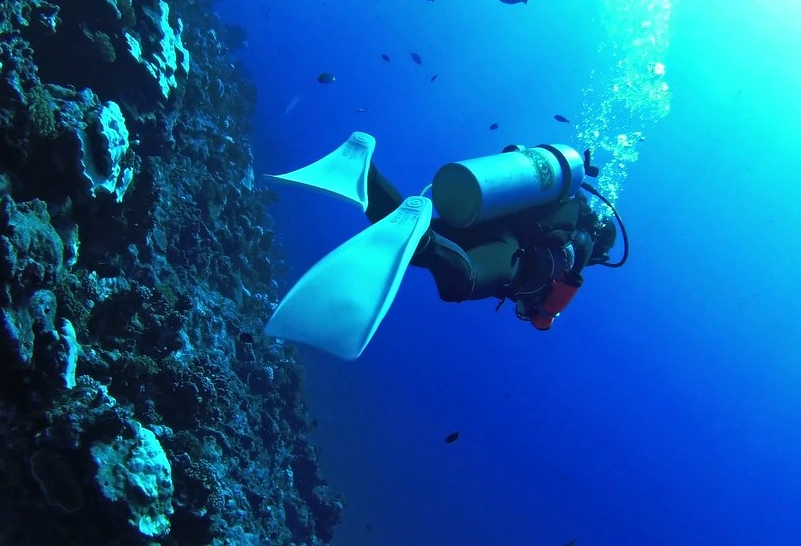
Best for: All levels, divers wanting variety, budget-conscious travelers.
Prime Time: March-June (Tubbataha season: mid-March to mid-June).
Notable Site: Monad Shoal, Malapascua (dawn dive with thresher sharks).
3. Egypt (Red Sea): The Reliable Classic
Don't let its popularity fool you. The Egyptian Red Sea remains a powerhouse for good reason. The sheer convenience is unmatched in this list. You can fly into Hurghada or Sharm el-Sheikh and be on a great reef within hours. The marine life is prolific and colorful. The real magic, though, is in the northern routes (like the SS Thistlegorm wreck) and the southern deep south routes (like the remote St. John's), accessed by liveaboards. It's a perfect training ground—easy, shallow dives for beginners, and challenging wrecks and drift dives for pros. Just be prepared for more crowded sites near the resorts.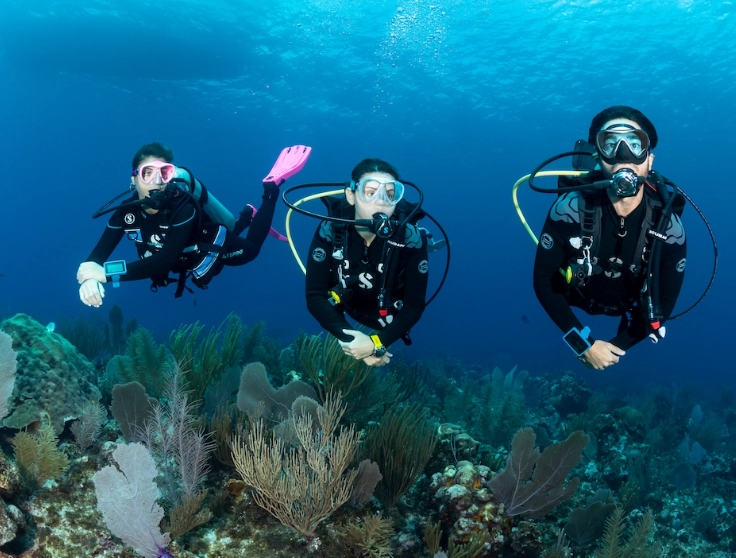
Best for: Beginners, wreck divers, liveaboard enthusiasts, easy getaways.
Prime Time: April-May & September-October for best conditions.
Notable Site: SS Thistlegorm (World War II wreck packed with history and life).
Let's look at the full list in a snapshot to compare key features.
| Country | Key Strength | Best For | Consideration |
|---|---|---|---|
| 4. Mexico | Cenotes (freshwater caves) & Bull Sharks | Advanced/Technical divers, unique geology | Caribbean coast reefs can be busy |
| 5. Maldives | Channel Drifts & Manta Rays | Pelagic action, luxury liveaboards | Expensive; diving is often current-heavy |
| 6. Costa Rica | Big Animal Encounters (Cocos Island) | Shark lovers, experienced adventurers | Cocos requires 36-hr boat ride; not for beginners |
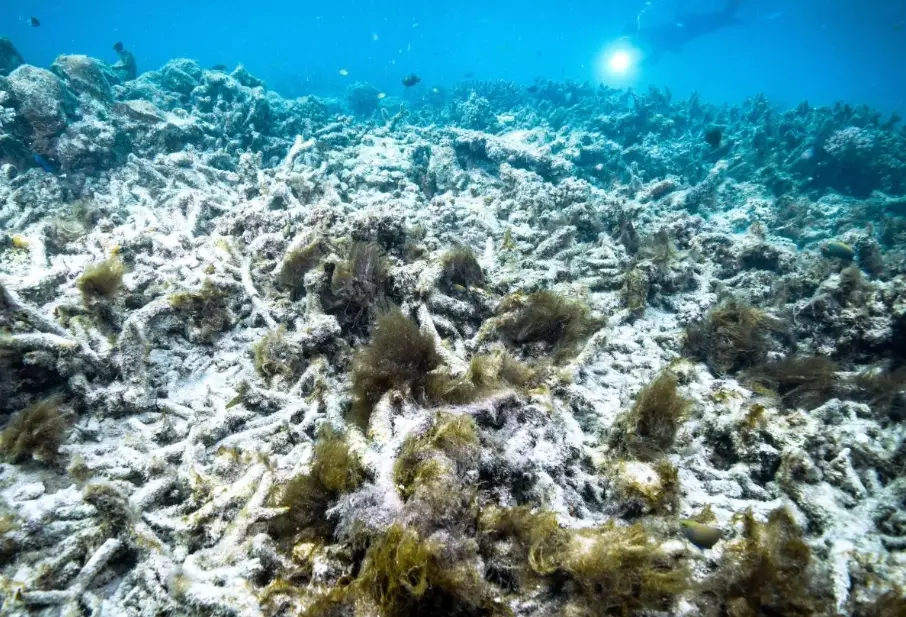
| 7. Australia | The Great Barrier Reef & Cod Hole | Bucket-list reef, diverse marine ecosystems | Portions of the GBR have suffered coral bleaching |
| 8. Palau | Jellyfish Lake & Shark-filled Walls | Unique experiences, strong conservation | Small country; trip options can be limited |
| 9. Fiji | Soft Coral Capital & Friendly Culture | Colorful reefs, relaxed vibe | Some remote areas require longer transfers |
| 10. Thailand | Variety & Vibrant Dive Scene | New divers, fun social atmosphere, whale sharks (Similans) | Heavily dived sites can show wear |
A quick note on Australia. Yes, the Great Barrier Reef is iconic. But seeing it requires managing expectations. From Cairns, many day trips visit reefs that have been significantly impacted. To see the GBR at its best, you need to go further afield—to the Ribbon Reefs or Coral Sea on a multi-day liveaboard. It's a commitment, but the Cod Hole and the sheer scale are unforgettable.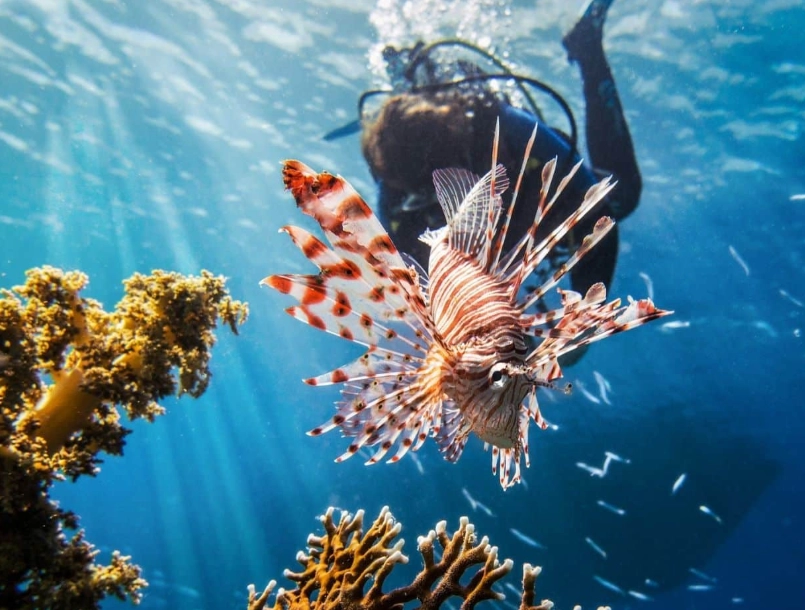
How to Choose Your Perfect Diving Country
Now, the practical part. Don't just pick the top name. Ask yourself these questions.
What's Your Diving Experience Level?
This is the biggest filter. If you're newly certified, Egypt's Red Sea, Thailand's Andaman coast, or parts of the Philippines (like Puerto Galera) offer calm, sheltered bays for building confidence. Throwing a new diver into the strong currents of Cocos Island or the Maldives is a recipe for a bad time—and a safety risk.
Advanced divers, on the other hand, will find those currents deliver the goods. The upwellings bring plankton, which brings mantas and sharks. You need the skills to handle it.
What's Your Budget and Timeframe?
A week-long trip to Indonesia's Raja Ampat from the US or Europe is tough. The flights alone eat up two days. For a 10-day trip, the Philippines or Egypt makes more sense. Liveaboards in the Maldives or Cocos Island are a premium product. You can dive beautifully in Utila, Honduras or Roatan for a fraction of that cost, even if they didn't crack this particular top 10.
Be honest about your budget. The "best" country is the one you can actually afford to enjoy without cutting corners on safety or dive numbers.
What Marine Life is on Your Must-See List?
Is it about swimming with whale sharks? Then timing matters. In Mexico's Isla Mujeres, the aggregation is seasonal (summer). In the Philippines, Oslob offers a controversial guaranteed sighting, while Tubbataha offers a chance in the wild during spring. Want manta rays? The Maldives has cleaning stations, but Indonesia's Komodo and Nusa Penida have them too. Be specific.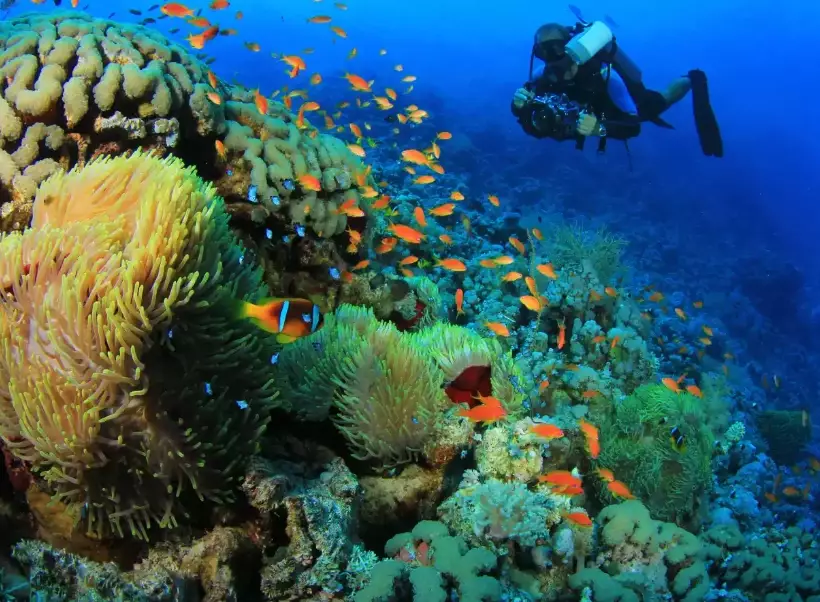
My personal obsession is macro. That's why I keep going back to Lembeh Strait, Indonesia. You won't see a single shark, but you'll see frogfish, mimic octopuses, and pygmy seahorses that look like they're from another planet.
Your Dive Trip Questions, Answered
So, there you have it. The world's best diving countries aren't just postcards. They're living, breathing underwater experiences with distinct personalities. Whether you're ticking off a bucket-list reef or hunting for a weird critter with your camera, the right one is out there. Match your skills, your budget, and your underwater dreams to this list, and you're halfway to an unforgettable trip. Now go plan your dive.

Comments