Let's cut to the chase: if you're dreaming of epic underwater adventures, you need to know where to go. I've spent over a decade diving across the globe, from crowded tourist hotspots to hidden gems, and I'm here to share the real deal. This list isn't just a regurgitation of popular spots—it's a curated guide based on marine diversity, accessibility, and that elusive 'wow' factor. Whether you're a newbie or a seasoned pro, these countries offer something unforgettable. But fair warning: some places are overhyped, and I'll tell you why.
Your Dive Journey Starts Here
What Makes a Country a Top Diving Destination?
It's not just about clear water or pretty fish. A top diving country needs three things: incredible marine life (think sharks, corals, or unique species), good infrastructure (dive shops, boats, and safety standards), and variety (wrecks, walls, reefs). I've seen places with amazing sites but terrible organization—like that time in the Philippines where the boat broke down twice. So, I weigh factors like visibility (30 meters plus is ideal), seasonality (avoid monsoon surprises), and crowd levels. According to PADI, over 70% of divers prioritize biodiversity, but many forget about local conservation efforts. Sustainable diving is huge now; look for places with marine protected areas.
The Top 20 Best Diving Countries – Ranked
Here's the list, from solid options to mind-blowing experiences. I've included key details so you can plan without guesswork. Remember, rankings are subjective, but based on my dives and chats with local guides, this is pretty accurate.
| Rank | Country | Top Dive Site | Best Season | Difficulty | Avg. Cost per Dive |
|---|---|---|---|---|---|
| 20 | Greece | Mediterranean wrecks near Crete | Jun-Sep | Beginner | $40-60 |
| 19 | Spain | Canary Islands (Tenerife) | Year-round | Intermediate | $35-55 |
| 18 | USA | Florida Keys wrecks | May-Oct | Beginner | $50-80 |
| 17 | Japan | Okinawa coral reefs | Apr-Nov | Intermediate | $60-100 |
| 16 | South Africa | Sardine Run (seasonal) | Jun-Jul | Advanced | $70-120 |
| 15 | Mozambique | Manta Reef, Tofo Beach | Apr-Dec | Intermediate | $40-70 |
| 14 | Belize | Great Blue Hole | Mar-Jun | Advanced | $60-90 |
| 13 | Costa Rica | Cocos Island (liveaboard) | Jun-Dec | Advanced | $100-150 |
| 12 | Seychelles | Aldabra Atoll | Mar-May, Sep-Nov | Intermediate | $80-130 |
| 11 | Fiji | Great Astrolabe Reef | May-Oct | Beginner | $50-80 |
| 10 | Malaysia | Sipadan Island | Apr-Dec | Intermediate | $60-100 |
| 9 | Egypt | Ras Mohammed, Red Sea | Mar-May, Sep-Nov | Beginner to Advanced | $30-60 |
| 8 | Thailand | Similan Islands | Nov-Apr | Intermediate | $40-70 |
| 7 | Mexico | Cenotes in Tulum | Year-round | Beginner to Advanced | $50-80 |
| 6 | Bahamas | Tiger Beach (shark diving) | Oct-Apr | Intermediate | $70-110 |
| 5 | Palau | Blue Corner Wall | Nov-Apr | Advanced | $80-120 |
| 4 | Philippines | Tubbataha Reefs Natural Park | Mar-Jun | Intermediate | $60-90 |
| 3 | Indonesia | Raja Ampat | Oct-Apr | Intermediate to Advanced | $70-110 |
| 2 | Australia | Great Barrier Reef | Jun-Nov | Beginner to Advanced | $60-100 |
| 1 | Maldives | Manta Point, Ari Atoll | Nov-Apr | Beginner to Intermediate | $80-130 |
Now, let's dive deeper into the top five. I've been to all of them, and each has its quirks.
Maldives (Rank 1)
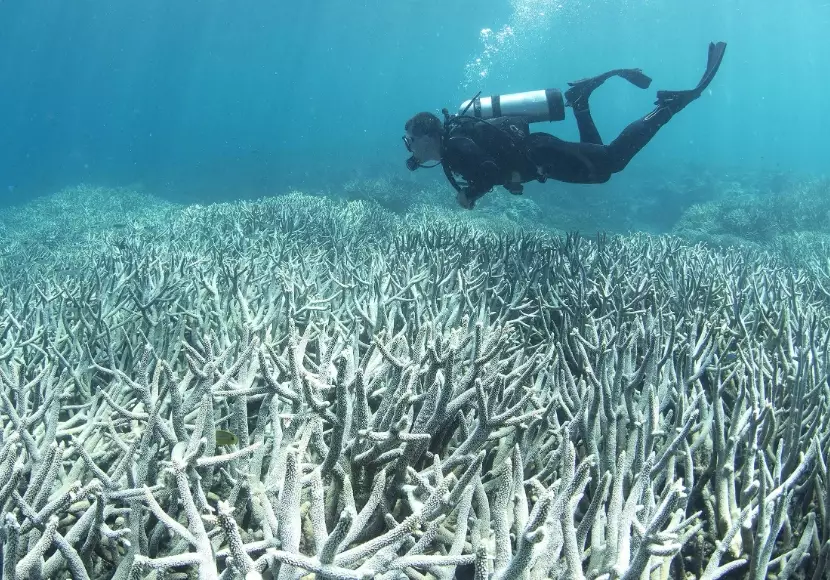
The Maldives is iconic for a reason—endless atolls, crystal-clear water, and mantas everywhere. But it's expensive. A liveaboard trip can cost $2000+ for a week, and resorts add up. Best time: November to April for dry season. Fly into Malé, then take a seaplane or boat to your resort. I recommend diving with local operators like Euro-Divers for sustainable practices. Skip the crowded spots near Malé; head to southern atolls like Fuvahmulah for tiger sharks. One downside: coral bleaching is real here, so support eco-friendly dive centers.
Australia (Rank 2)
The Great Barrier Reef is massive, but parts are degraded. Don't let that deter you—head to the outer reefs like Ribbon Reefs for vibrant coral. Cairns is the main hub; flights from Sydney or Brisbane. Diving costs vary: day trips from $150, liveaboards from $1000. I found the best visibility from June to November. For something unique, try the SS Yongala wreck—it's advanced but teeming with life. A common mistake: beginners overlook the Ningaloo Reef in Western Australia, which has whale sharks from March to July. It's less crowded and just as stunning.
Indonesia (Rank 3)
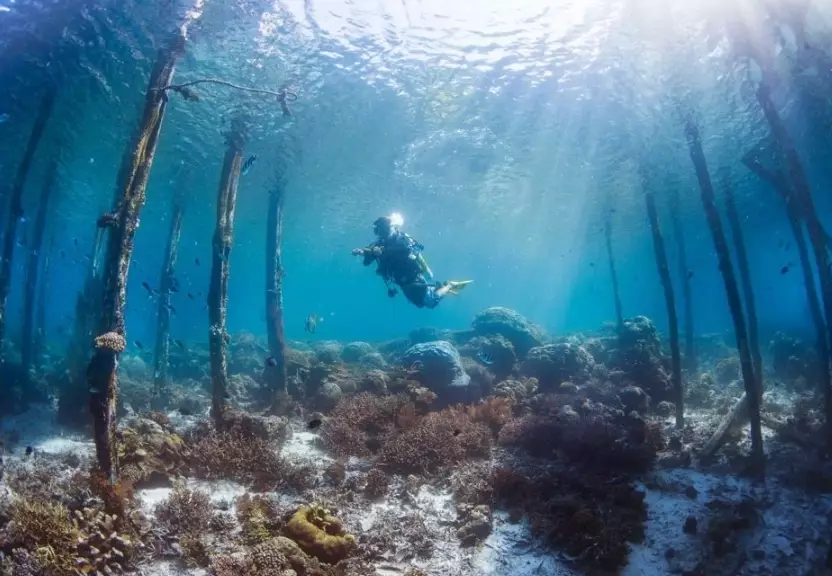
Raja Ampat is biodiversity central. I saw more fish species in one dive than anywhere else. Access is tricky: fly to Sorong, then boat to homestays or liveaboards. Season: October to April for calm seas. Costs: liveaboards start at $2500 for 10 days. Komodo is another hotspot, but currents are strong—not for newbies. Pro tip: book with operators like Papua Diving for conservation-focused trips. Indonesia's a bargain for budget divers if you skip the luxury resorts.
Philippines (Rank 4)
Tubbataha is a UNESCO site, accessible only by liveaboard from Puerto Princesa (Palawan) from March to June. It's pricey but worth it. For easier access, try Moalboal for sardine runs or Coron for wrecks. Cebu has international flights. I've dived here multiple times; the people are friendly, but infrastructure can be patchy. Avoid monsoon season (July to October) when sites close. A hidden gem: Apo Reef, less visited but pristine.
Palau (Rank 5)
Palau's Blue Corner is legendary for drift diving and sharks. It's remote: fly via Manila or Guam. Best season: November to April. Costs are high—dives average $100, but the experience is unmatched. I remember being surrounded by hundreds of sharks; it's intense. Jellyfish Lake is unique but check if it's open (conservation rules change). Palau mandates an eco-pledge for tourists, which I appreciate. Not for beginners due to strong currents.
The other countries in the list have their charms. For example, Egypt's Red Sea is affordable and diverse, but some sites are overcrowded. Thailand's Similan Islands are great for beginners, but avoid peak December when boats jam the sites.
Insider Tip: Many divers overlook Central America. Costa Rica's Cocos Island requires a 36-hour boat ride, but it's a shark lover's paradise. I did it once—rough seas, but seeing hammerheads up close was surreal. Book through Aggressor Fleet, but prepare for seasickness.
How to Choose the Right Diving Destination for You
Your skill level and interests matter. Beginners should stick to warm, calm waters like Fiji or the Great Barrier Reef's inner reefs. Advanced divers? Go for Palau or South Africa's sardine run. Underwater photographers love Indonesia for macro life, while wreck enthusiasts flock to Truk Lagoon in Micronesia (not in top 20 but worth a mention).
Consider travel logistics. Some places, like the Maldives, require multiple flights and boats. Others, like Mexico's cenotes, are easy from Cancún airport. Budget-wise, Southeast Asia is cheaper; the Caribbean can be mid-range.
I made a mistake early on: picking a destination based on photos alone. Research water temperatures—if you hate cold, skip South Africa (it's around 16°C). Check visa requirements too; some countries need advance permits for diving.
Essential Tips for Planning Your Diving Trip
First, book dives in advance, especially for liveaboards—they sell out fast. I use platforms like LiveAboard.com but always cross-check with operator websites for deals.
Pack smart: bring your mask and snorkel (rental ones often fit poorly), a reef-safe sunscreen, and a dive computer if you have one. Many airlines have strict baggage limits for gear; check beforehand.
Health and safety: get dive insurance like DAN (Divers Alert Network). I've seen divers skip this and regret it after a minor injury. Acclimatize for altitude if diving in high-altitude lakes, but that's rare for these countries.
Respect marine life. Don't touch corals or chase animals. In places like the Galápagos (Ecuador), guides enforce strict rules—learn from that.
Finally, connect with local dive communities online. Forums like ScubaBoard have real-time updates on conditions. I once avoided a flooded site in Thailand thanks to a tip from a forum.
Frequently Asked Questions (FAQ)
That's a wrap. Diving is about exploration, but planning smart makes it better. Use this guide to pick your next spot, and remember: the ocean's full of surprises—sometimes good, sometimes not. I once got caught in a current in Thailand and learned to always check tide tables. Happy diving!

Comments