Ask a room of seasoned divers to name the single best place on Earth to dive, and after the passionate debates about the Red Sea or Palau subside, one name consistently rises to the top: Raja Ampat. This Indonesian archipelago isn't just another pretty reef—it's the beating heart of marine biodiversity on our planet. I've been diving for over fifteen years across six continents, and nothing prepared me for the sensory overload of my first descent in the Dampier Strait. It's not an exaggeration to say it redefines what a dive destination can be.
What You’ll Find in This Guide
Why is Raja Ampat Considered the Top Spot?
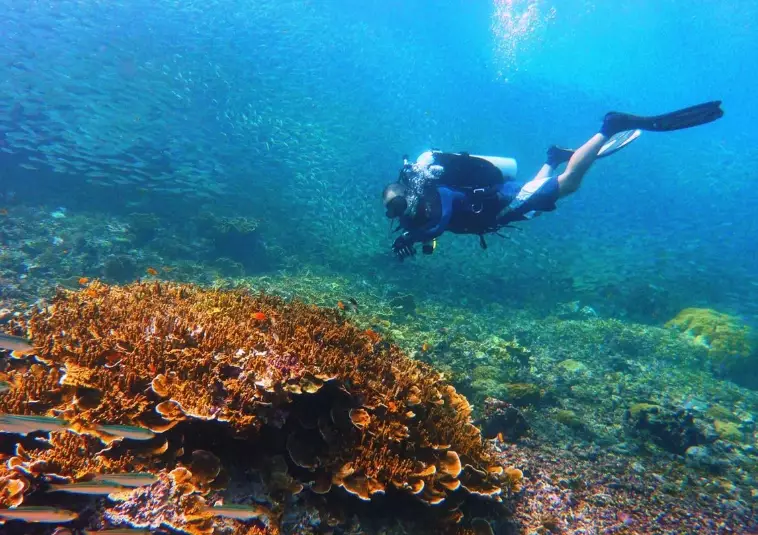
Forget subjective "best of" lists. Raja Ampat's claim is backed by hard science. Conservation International's rapid assessment surveys identified this region as having the highest recorded marine biodiversity on Earth. We're talking about over 1,700 species of fish, 600 species of coral (about 75% of the world's known total), and countless invertebrates. Numbers are one thing, but the density of life is what stuns you. It's common to log 150+ fish species on a single dive.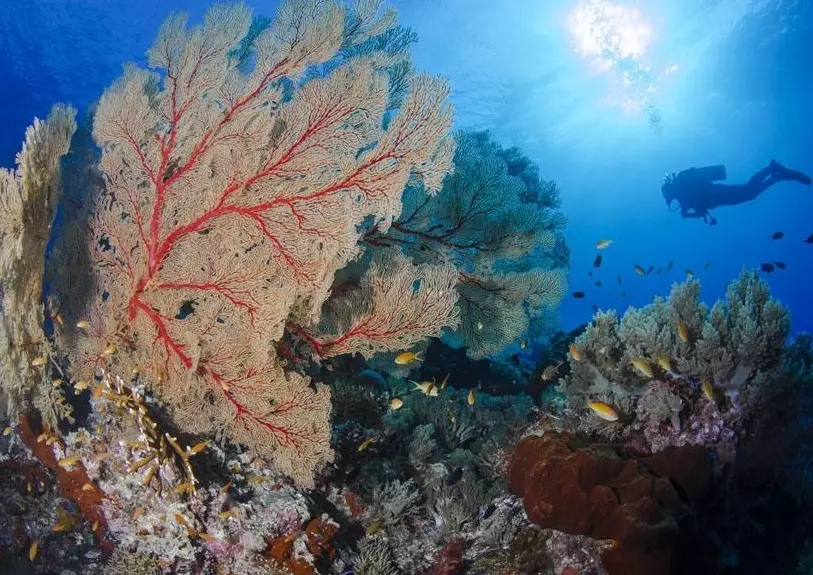
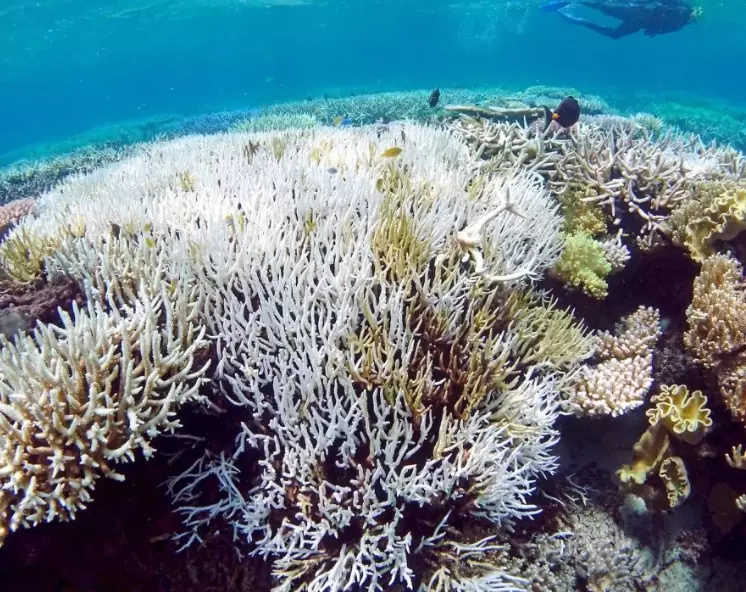
The reason? Its location in the Coral Triangle, combined with unique oceanographic conditions that create a perfect "species factory." Nutrients are swept through the maze of islands, feeding everything from tiny pygmy seahorses to oceanic manta rays. The reefs themselves are incredibly healthy, having largely escaped the widespread bleaching events that have damaged other iconic sites. Diving here feels like stepping back in time 50 years.
The Raja Ampat "Wow" Factor
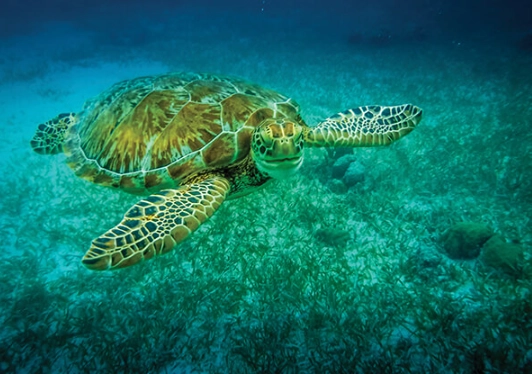
What does this mean for you underwater? On a typical dive at a site like Cape Kri, you might see schools of jacks and barracuda patrolling the blue, several species of reef sharks resting in the current, a parade of turtles, and your entire field of vision filled with anthias and fusiliers. Then you look at the reef wall and spot three different kinds of nudibranchs, a wobbegong shark, and a giant clam all within arm's reach. The sheer quantity and variety is relentless. It's the opposite of a "muck dive" where you hunt for one rare creature. Here, the spectacle is everywhere.
Planning Your Trip: The Nuts and Bolts
Raja Ampat is remote. That's part of its charm and its challenge. You can't just show up. Here’s the actionable intel you need.
Gateway City: Sorong (SOQ) on mainland West Papua. You'll fly here from Jakarta (CGK) or Makassar (UPG).
Key Transfer: From Sorong, you take a ferry (~2 hours) or private speedboat to Waisai on Waigeo Island, or directly to your liveaboard.
Essential Permit: The Raja Ampat Marine Park Entry Tag. It's about 1,000,000 IDR for foreign visitors, valid a year. Your operator usually handles this.
Best Diving Season: October to April for calm seas and peak visibility. But I've had great dives in September—it's about managing expectations.
Currency: Indonesian Rupiah (IDR). Bring cash. ATMs are scarce outside Sorong and Waisai.
Visas on arrival are available for many nationalities, but always check current Indonesian immigration rules before booking flights. Give yourself a buffer day on either side of your liveaboard or resort stay for flight delays, which are not uncommon in this part of Indonesia.
Top Dive Sites You Can't Miss
With thousands of islands, the sites vary wildly. Here are the heavy hitters.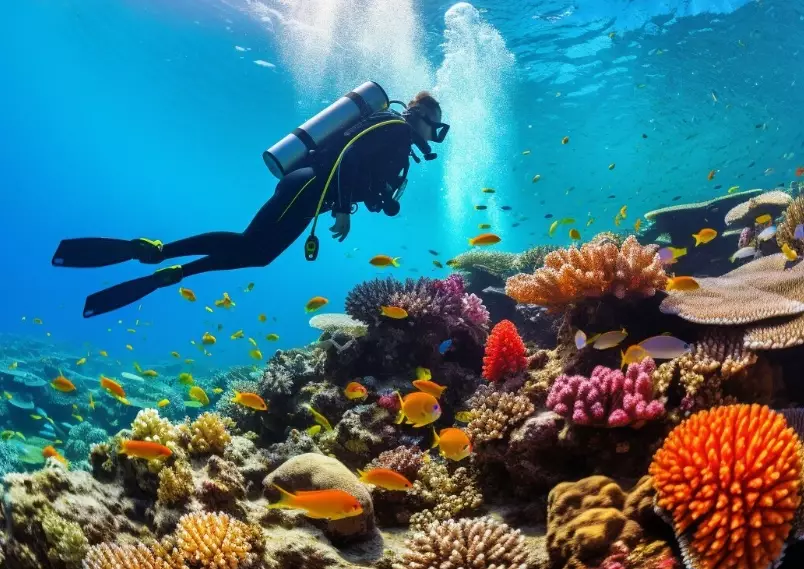
The Dampier Strait Area (Around Kri & Gam Islands)
This is the most accessible and commonly dived area. The currents bring the food, and the food brings the action.
- Cape Kri: Holds the record for most fish species seen on one dive. A sloping reef that acts like a marine highway. Expect sharks, trevallies, and non-stop action. Not for absolute beginners due to potential current.
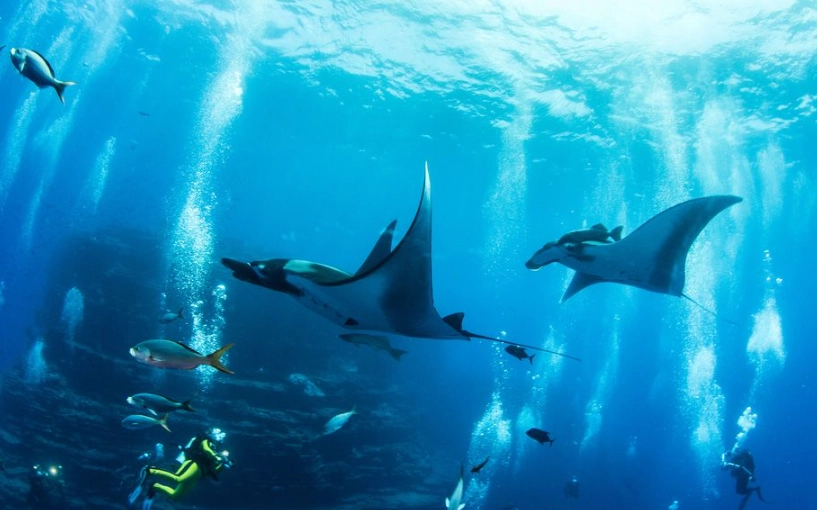
- Manta Sandy & Manta Ridge: Cleaning stations for oceanic and reef mantas. Manta Sandy is shallower and more reliable. Seeing a dozen of these giants swoop over you is humbling.
- Melissa's Garden: A stunning coral garden in the Fam Islands. The soft coral coverage is unreal—explosions of purple, pink, and orange. Perfect for photographers and easier currents.
The Misool Area (South Raja Ampat)
More remote, often accessed by liveaboard. The reefs here are arguably even more pristine, with dramatic limestone formations.
- Magic Mountain: A seamount that acts as a pelagic magnet. Schools of hammerheads (seasonal), mobula rays, and dogtooth tuna. Advanced diving due to depth and currents.
- Boo Windows: A series of swim-throughs in a limestone island. Light beams pierce the dark tunnels, illuminating schools of silversides. It's as atmospheric as it gets.
A mistake I see? People try to tick off every famous site. You'll have a better time letting your dive guide pick sites based on daily conditions. Trust them.
Liveaboard vs. Resort: Making the Right Choice
This decision shapes your entire experience. Let's break it down.
Liveaboards are the classic Raja Ampat experience. You wake up, dive, eat, dive, repeat. The big advantage is range. A good 7-10 day itinerary will cover the Dampier Strait, Penemu, and maybe even Misool, hitting remote sites at the perfect time. You're part of a diving-focused community. The cost is all-inclusive (dives, food, accommodation). Operators like PADI-affiliated fleets or specialized Indonesian companies offer various levels of comfort.
Resorts offer stability and deeper connection to a single area. Places like those on Kri or Arborek Island have world-class house reefs you can snorkel or dive anytime. They're better for mixed groups (divers and non-divers), photographers who want repeated access to a site for perfect light, or travelers who value a fixed base. You can do day trips to other sites, but you're limited by boat travel time.
My take? If this is a once-in-a-lifetime, dive-obsessed trip, the liveaboard is worth the investment. If you want flexibility, more land time, or are on a slightly tighter budget, a top-tier resort is phenomenal. Don't let anyone tell you one is definitively better—they're different products.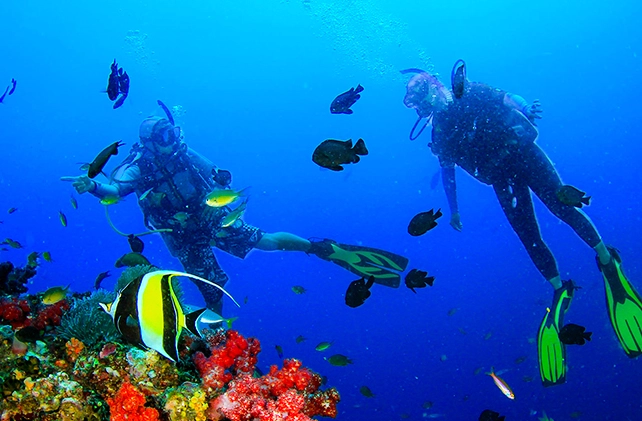
Beyond the Reef: What Else to Know
Raja Ampat isn't just underwater. Factor in time for:
- Wayag Island: The iconic viewpoint of karst pinnacles. A tough hike but the view is the region's signature landscape shot. Usually a stop on liveaboard itineraries.
- Cultural Visits: Villages like Arborek are welcoming. Supporting local crafts and seeing the community-based conservation efforts first-hand is rewarding.
- Kayaking & Snorkeling: The lagoons and mangroves are pristine. Some of the best snorkeling I've done was right off a resort jetty.
Pack for humidity and sun. Rash guards, reef-safe sunscreen (a must!), a hat, and mosquito repellent are essential. Bring your own favorite dive gear if you're particular, though operators have rental sets.
Common Mistakes First-Timers Make
After multiple trips and talking to dozens of operators, here's what goes wrong.
Underestimating the travel. It's a two-day journey from North America or Europe. Jet lag plus diving is a bad mix. Build in a rest day in Sorong or Bali first.
Choosing the wrong operator based on price alone. The cheapest liveaboard might cut corners on safety, food, or site selection. Read recent reviews, not just glossy brochures. Look for operators actively involved in conservation, like those supporting the Raja Ampat SEA Centre.
Not being physically prepared. Dives here can be current-swept. Good buoyancy control isn't just for the reef—it's for your safety and enjoyment. Get a few warm-up dives somewhere current-prone if you're rusty.
Rushing it. A 4-day trip is pointless. With travel time, you need at least 7 full days on the water. 10-12 days is ideal.
The biggest mistake? Not going because it seems too difficult. The logistics are manageable, and the reward is the most profound diving experience on the planet.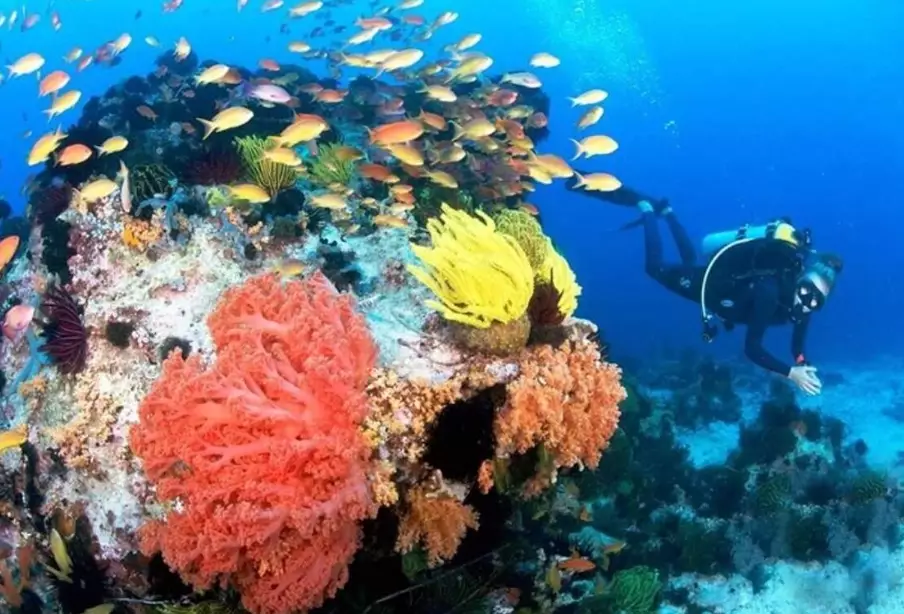

Comments