Let's cut to the chase. The Philippines isn't just a good diving destination; it's arguably the most biodiverse marine environment on the planet. But here's the rub: with over 7,000 islands, choosing where to base yourself can feel impossible. Picking the wrong resort can mean long, rough boat rides to the good sites, or being stuck in a place that's past its prime.
I've been diving here for over a decade, guiding trips and just exploring for fun. The difference between a good trip and a legendary one often comes down to matching your style with the right home base.
Your Quick Dive Trip Planner
How to Choose Your Perfect Dive Resort in the Philippines
Forget just looking at pretty pictures. You need to interrogate what a resort actually offers. Here’s what really matters.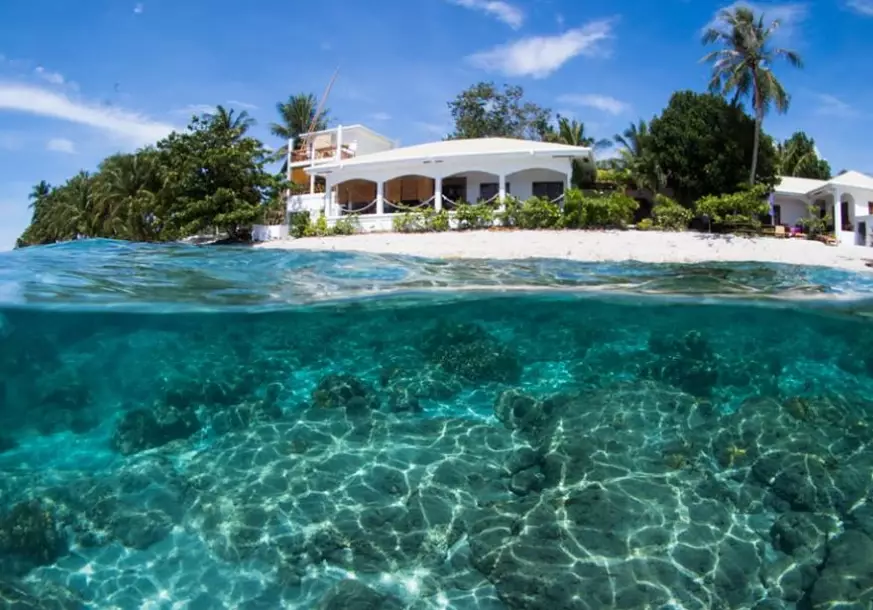
The Core Question: Are you a "resort diver" or a "safari diver"? Resort divers want a comfortable base, maybe some topside exploration, and reliable daily boat trips. Safari divers live to eat, sleep, and breathe diving, often preferring a liveaboard to hit remote sites. Most Philippines diving resorts cater to the first group, but some blur the lines.
Key Factors Beyond the Brochure
Proximity to Sites: This is the biggest hidden factor. A resort in Puerto Galera might be cheap, but if the famous sites are an hour away by bangka (outrigger boat), that's two hours of your day gone. Look for phrases like "house reef" or "5-minute boat ride to the drop-off."
Boat Quality & Dive Center Management: Are the boats covered? Do they have proper tank racks and easy entry points? Is the dive center PADI 5-Star or SSI Diamond? This often indicates better-trained guides and maintained equipment. I've seen stunning resorts with a chaotic, unsafe dive operation bolted on as an afterthought.
Package vs. A La Carte: Packages that bundle room, meals, and dives usually save money. But read the fine print. How many dives per day? Are marine park fees included? If you get a sinus infection, can you get a refund for missed dives?
The "Vibe": Is it a social backpacker spot, a quiet couples' retreat, or a dedicated tech-diving hub? This shapes your entire experience. A place like Atlantis Dive Resorts (in Puerto Galera and Dumaguete) has a strong, professional, diver-first culture. Others feel more like a beach hotel that happens to have tanks.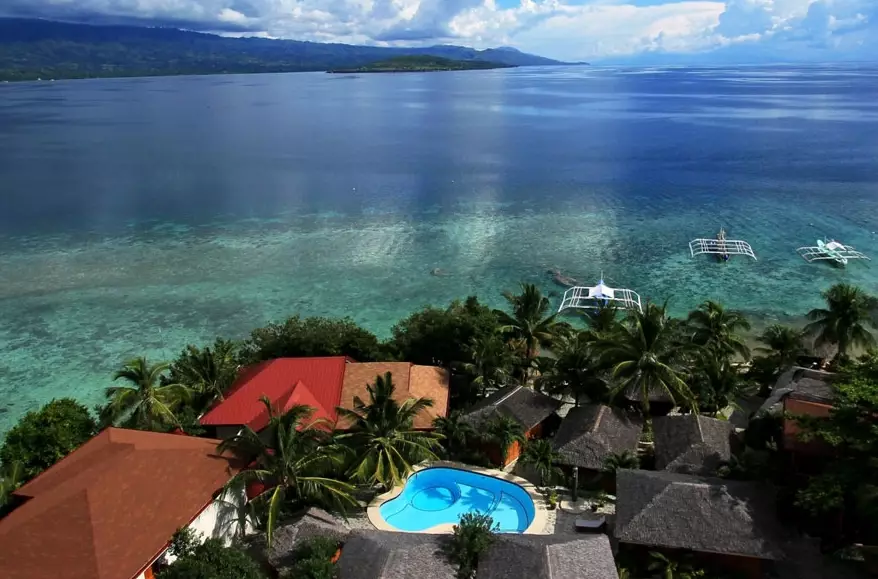
Top Diving Resorts by Region & Specialty
Instead of a generic top 10, let's break it down by what you're actually after. Here are my picks based on years of returning to these spots.
For Macro Lovers & Muck Diving: Anilao & Dumaguete
If your idea of heaven is finding a pygmy seahorse on a sea fan or a blue-ringed octopus in a bottle, this is your circuit.
1. Atlantis Dive Resort, Puerto Galera (Anilao Area)
Location: Sabang Beach, Puerto Galera, Mindoro. About a 2-hour drive plus a 30-minute boat from Manila.
Why it's special: It's the gateway to the Verde Island Passage, the "Center of the Center" of marine biodiversity. Their house reef is a muck diving masterpiece. The resort is purpose-built for divers: camera room, dedicated guides who know every nudibranch by name, and a social vibe in the bar.
Budget: Mid-range. All-inclusive packages start around $150-$200 per person per day.
My take: It's not a luxury spa. Rooms are functional, not fancy. You're here for the diving, full stop. The guides are some of the best eyes in the business.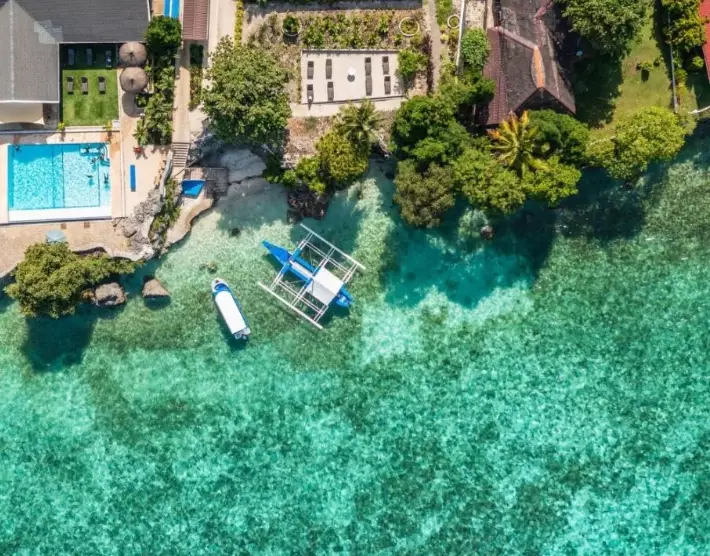
2. Atmosphere Resorts & Spa, Dauin (near Dumaguete)
Location: Dauin, Negros Oriental. A 30-minute drive from Dumaguete City airport.
Why it's special: It combines top-tier muck diving on the black sand slopes of Dauin with easy access to the stunning coral walls of Apo Island. Atmosphere adds a layer of luxury—think yoga shala, spa, and beautiful pools. Perfect if you're traveling with a partner who dives less.
Budget: Upper mid-range to luxury. Packages are typically $250-$400 per day.
My take: You pay for the ambiance. The diving is excellent, but the resort experience elevates the whole trip. Their commitment to sustainability (solar power, no single-use plastics) is genuine.
For Wreck Diving & Big Fish Action: Coron & Subic Bay
World War II history meets thriving reefs. Coron's freshwater lakes offer a unique diving experience.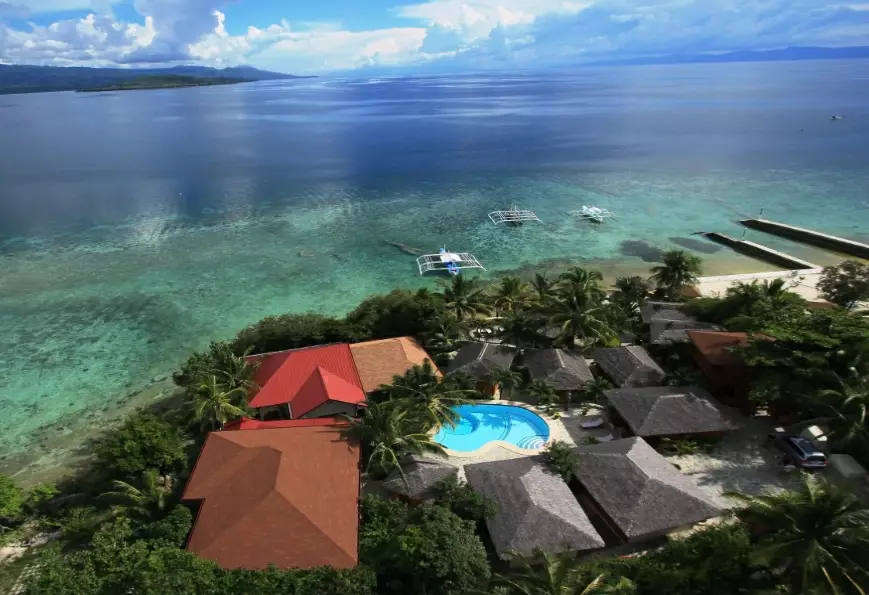
3. Two Seasons Coron Island Resort & Spa
Location: Coron Island, Palawan. A 30-minute boat transfer from Coron town.
Why it's special: You're staying right on Coron Island, cutting your transit time to the famous Japanese wreck fleet in half. After diving the eerie Irako or Okikawa Maru, you're back at a beautiful beachfront property with stunning views of karst cliffs.
Budget: Mid to high. Expect $200-$350 per day for a dive package.
My take: Location, location, location. Staying in Coron town is cheaper, but you'll spend over an hour each way bouncing in a boat to the sites. This resort solves that. The wrecks are advanced diving—often deep, with penetrations.
For Remote Adventure & Thresher Sharks: Malapascua & Ticao
This is for the dedicated diver. The sites are more exposed, the currents can be strong, but the rewards are incredible.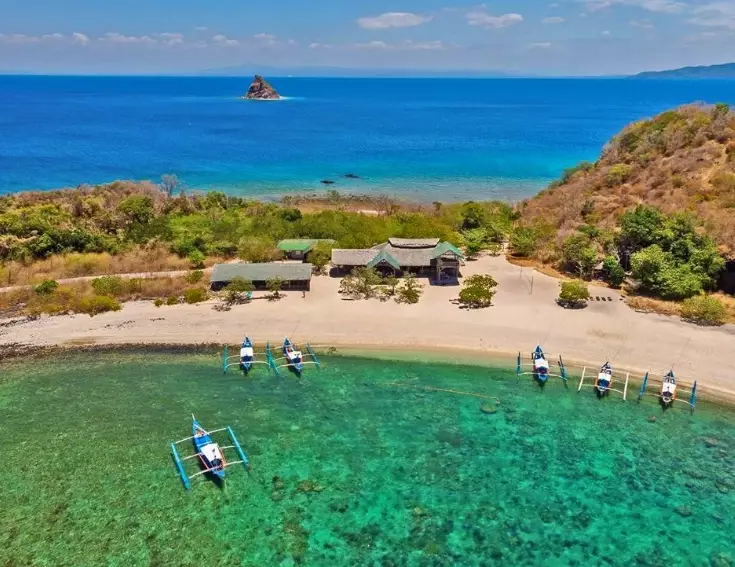
4. Evolution Diving Resort, Malapascua
Location: Malapascua Island, Cebu. Reachable via a 30-minute boat from Maya port (4-5 hours from Cebu City).
Why it's special: It's the only place in the world where you can reliably see pelagic thresher sharks every single morning at Monad Shoal. Evolution is a no-nonsense, diver-owned operation focused on the serious stuff: shark behavior, drift dives at Gato Island (with a resident sea snake population), and managing challenging conditions safely.
Budget: Budget to mid-range. Simple fan rooms start low; AC bungalows are more. Dive packages are straightforward and good value.
My take: This isn't a resort for lounging. It's a basecamp for epic diving. The 4:30 AM wake-up call for the thresher shark dive is brutal but 100% worth it. The community on the island is tight-knit and dive-focused.
Planning Your Philippines Dive Trip: The Realistic Details
Okay, you've picked a region. Now let's make it happen without nasty surprises.
When to Go (It's Not Just "Dry Season")
The classic "dry season" (November to May) is reliable. But here's the insider view:
- Visayas (Bohol, Dumaguete, Malapascua): Best from January to September. Can be drizzly but diveable in the "wet" months.
- Palawan (Coron, El Nido): Peak is December to May. Coron's wrecks are best in the calm summer months (March-May). The Tubbataha Liveaboard season is a short, strict window from mid-March to mid-June.
- South (Davao): Year-round, but best November to May.
Avoid the major Philippine holidays (Christmas, New Year, Holy Week, Easter) unless you book a year in advance. Prices soar and everything is packed.
Getting There & Around
You'll likely fly into Manila (MNL) or Cebu (CEB). For most dive resorts, you need a domestic connecting flight. Use airlines like Cebu Pacific or Philippine Airlines. Pro tip: Book the domestic flight with a generous layover (4+ hours) after your international arrival. Delays are common.
From the provincial airport (like Tagbilaran for Bohol), it's usually a van and then a boat transfer. Your resort will arrange this—factor in an extra $20-$50 per person for this transfer.
What to Pack (Beyond Your Gear)
- A Torch/Flashlight: Even for day dives. Wrecks and overhangs are dark.
- Reef-Safe Sunscreen & a Rash Guard: The sun is intense. Protect yourself and the coral.
- Motion Sickness Pills: Some crossings, like to Apo Island or in the Ticao Pass, can be choppy.
- Cash (Philippine Pesos): Many remote resorts and dive shops don't take cards. ATMs can be scarce.
- A Sense of Patience: Things run on "Philippine time." Boats leave when they're full, not on a strict schedule. Embrace it.
Dive Trip FAQs Answered
The right diving resort in the Philippines isn't just a bed near the ocean. It's your launchpad to some of the most unforgettable underwater experiences on Earth. Do your homework, match the resort to your personal diving goals, and be prepared for a bit of adventure on the surface too. The effort you put into planning is directly proportional to the magic you'll find beneath the waves.
See you down there.
Comments