So you're planning a dive trip to the Philippines. Smart move. The real question isn't *if* you should go, but *when*. Get the timing wrong, and you might be stuck on a boat battling choppy seas instead of gliding over pristine reefs. Get it right, and you unlock some of the most biodiverse, mind-blowing dives on the planet.
The short, oversimplified answer you'll see everywhere is "November to May." That's the dry season for much of the country. But as someone who's spent years hopping between its 7,000+ islands, I can tell you that answer is about as useful as a map with no details. The Philippines isn't one monolithic block of weather. It's three major island groups—Luzon, Visayas, and Mindanao—each with its own microclimates, seasonal quirks, and underwater secrets.
Your perfect diving window depends entirely on what you want to see, where you want to go, and your tolerance for a bit of adventure.
Your Quick Dive Trip Planner
The Two Main Seasons: Amihan vs. Habagat
Forget summer and winter. Filipino weather revolves around two monsoon winds.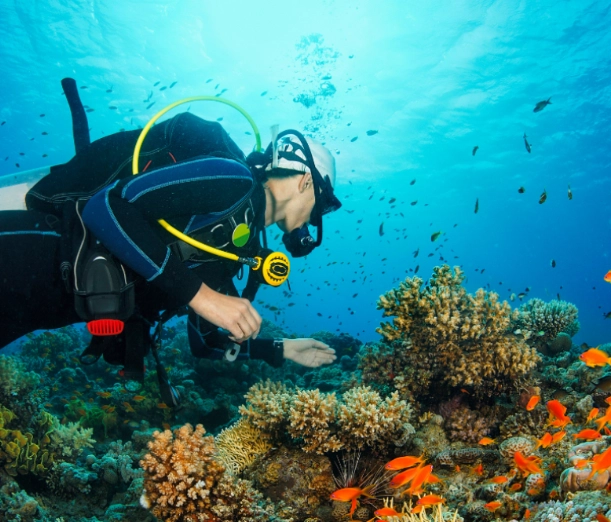
The Amihan is the cool, dry northeast wind. This is your golden ticket. It runs from roughly November to May. Skies are clearer, seas are calmer (especially on the western sides of islands), and underwater visibility often exceeds 30 meters. This is peak tourist season for a reason. Prices are higher, resorts are booked up, and popular sites can get crowded.
Then there's the Habagat, the southwest monsoon. It brings rain, humidity, and rougher seas from June to October. This is the rainy season, peaking with typhoon possibilities from July to September. Now, before you write it off completely, listen up. The Habagat affects regions differently. While Palawan gets slammed, the eastern side of the country (like Leyte or Siargao) can be experiencing its best weather. This is the secret shoulder season for savvy divers who don't mind a passing shower.
A Critical Nuance Most Guides Miss: The transition months—May-June and October-November—are wild cards. The weather is shifting, and you can get a mix of perfect days and sudden storms. I got caught in a surprise squall off Malapascua in late May once. The dive itself was incredible (calm before the storm), but the surface interval was a memorable, soaking rollercoaster. The reward? We had the thresher shark cleaning station entirely to ourselves.
Diving by Region: Luzon, Visayas & Mindanao
This is where the generic advice falls apart. Let's break it down.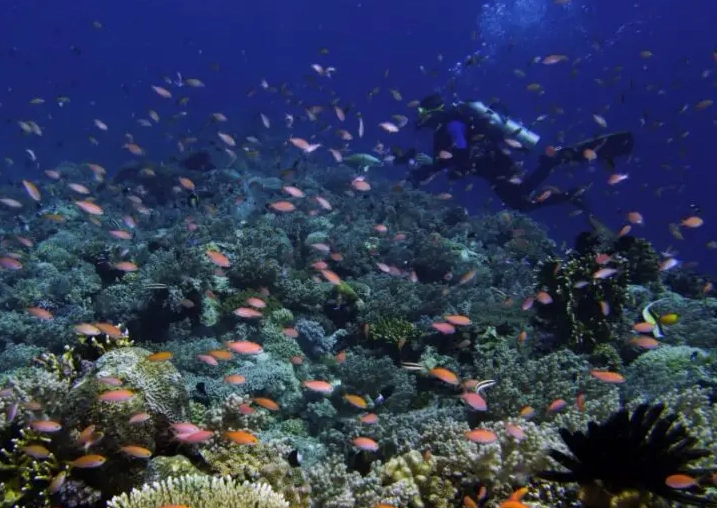
| Region & Key Sites | Prime Diving Season | Seasonal Considerations & What to Expect |
|---|---|---|
| Luzon (North & West) Anilao, Puerto Galera, Subic Bay, Coron (wrecks) |
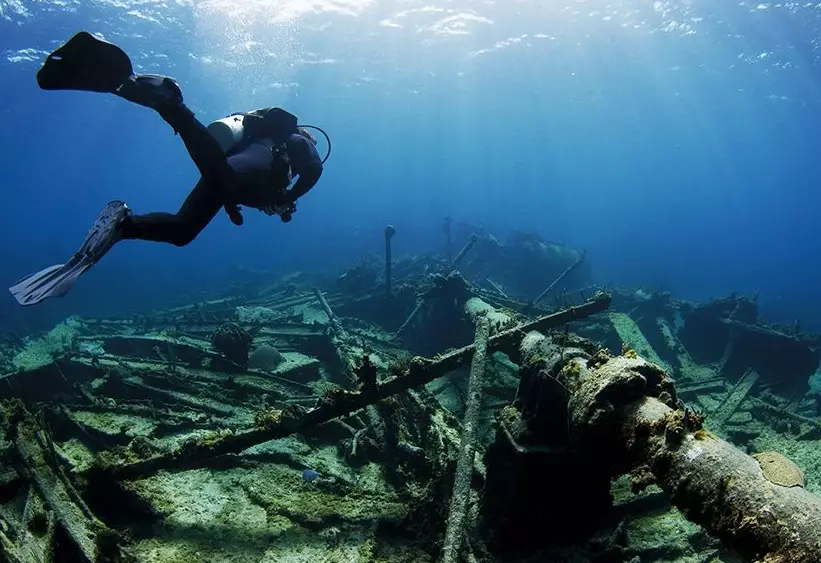
November - May | The classic dry season playground. Anilao's muck diving is stellar. Coron's wrecks are best accessed in calm seas (Dec-Apr). The northern areas (e.g., Hundred Islands) are most pleasant Nov-Feb. |
| Visayas (Central) Cebu, Bohol, Negros, Siquijor, Malapascua |
Year-Round, but best Nov-May | The heart of Philippine diving. The central location offers more shelter. Malapascua (for thresher sharks) is diveable year-round, but seas can be rough June-Oct. Great for avoiding the worst of regional monsoons. |
| Mindanao & Eastern Areas Davao, Siargao, Leyte, Ticao Pass |
March - October | This flips the script. The eastern seaboard is drier when the west is wet. Ticao Pass (Manta Bowl) is famous from Feb-May, but can be good into Oct. Siargao's surfing season (Aug-Nov) coincides with decent diving conditions. |
| Palawan (West) El Nido, Coron (islands), Tubbataha Reefs |
December - May Tubbataha: March-June only |
Palawan is heavily influenced by the southwest monsoon. El Nido can be closed to diving Jun-Oct. Tubbataha Reef Natural Park is a bucket-list liveaboard destination with an extremely short, strict season due to park regulations and sea conditions. |
Spotlight on Tubbataha Reefs
This UNESCO site deserves its own note. Accessible only by liveaboard during a three-month window from mid-March to mid-June. This is pelagic magic—sharks, rays, pristine corals. The season is short because the seas are passable only during this period. Book a year in advance.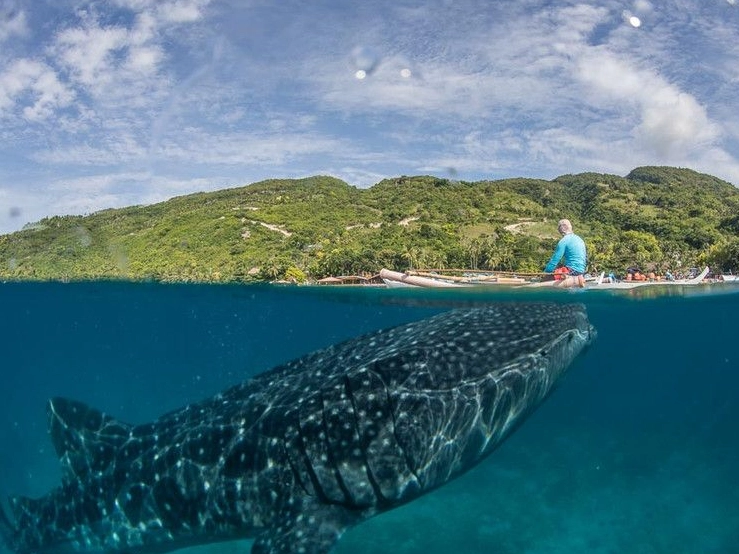
What to See and When: The Marine Life Calendar
Timing your trip for specific creatures? Here's your cheat sheet.
Whale Sharks (Butanding): The most famous sites are Oslob, Cebu (year-round, but ethically controversial due to feeding) and Donsol, Sorsogon (natural aggregation, peak season February to April).
Thresher Sharks: Monad Shoal, Malapascua. Seen year-round, every single morning. Your success rate is 95%+ regardless of season. The challenge is the surface conditions getting to the site, which are rougher during the Habagat.
Manta Rays: Head to Ticao Pass near Donsol or Monad Shoal in Malapascua. Best chances are February to May, though mantas can be spotted in Ticao into October.
Schooling Hammerheads & Pelagics: Southern sites like the Visayan passes (e.g., Pescador Island) or Tubbataha. The cooler, nutrient-rich waters of the dry season (Jan-Apr) often trigger more activity.
Frogfish, Seahorses & Macro Life: Anilao, Dauin, Romblon. Macro diving is less season-dependent. You can find fantastic critters year-round. The dry season simply offers more comfortable boat rides and better visibility to spot them.
Beyond the Calendar: Pro Tips for Timing Your Trip
Here's the advice you won't get from a weather app.
Chase the Shoulder Seasons for Value. Early November or late May. You might dodge a rain shower, but you'll also dodge the peak season crowds and prices. I've had phenomenal dives in early June where the only downside was a quick afternoon downpour—perfect for a post-dive nap.
Factor in Domestic Travel. A typhoon in Manila can cancel all domestic flights and ferries for days, even if your island destination is sunny. If traveling during the Habagat (Jun-Oct), add buffer days. Better yet, book a liveaboard that operates in sheltered areas (like some in the Visayas) during this time.
Water Temperature is a Thing. From December to February, surface temps can drop to a "chilly" 26-27°C (79-81°F). On deeper dives, thermoclines can make it feel colder. A 3mm wetsuit is not a luxury; it's essential for comfort on multiple dives. In the summer months, a rash guard might suffice, but protection from the sun and coral is still needed.
Consult Local Operators, Not Just Blogs. A month before your trip, email the dive shop you plan to use. Ask: "How have conditions been this month?" "Is the site we want to visit accessible?" They have the ground truth.
The "best" time is a balance. Perfect weather, no crowds, low prices, and guaranteed animal sightings—you can only pick two, maybe three. For most first-timers wanting a stress-free, classic Philippines diving experience, February to April is the sweet spot. For the adventurous diver willing to trade perfect skies for unique opportunities and solitude, look at the edges of the seasons.

Comments