Ask ten divers about the best diving in the Philippines, and you might get twelve different answers. That’s the problem—and the beauty—of an archipelago with over 7,000 islands. The sheer choice can paralyze you. I’ve been diving these waters for over a decade, guiding trips from the remote northern reefs down to the deep south. The "best" spot doesn't exist. But the best spot *for you* absolutely does. It comes down to what you want to see, your experience level, and your budget.
Let's cut through the noise. We’re not just listing famous names. We’re matching destinations to diver profiles.
Your Quick Dive Trip Planner
What Makes Philippine Diving So Special?
It's not one thing. It's the combination. The Philippines sits in the Coral Triangle, the global epicenter of marine biodiversity. You get more species of fish and coral here than almost anywhere else on Earth. But beyond the science, it's the variety. Within a few hours' travel, you can go from exploring World War II shipwrecks to drifting over untouched walls in a marine park only accessible by liveaboard.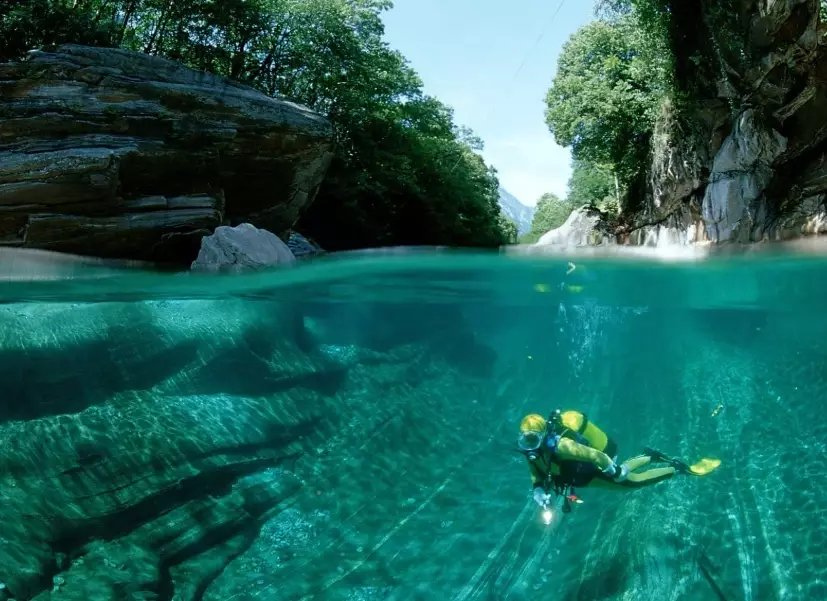
The infrastructure is also a huge plus. English is widely spoken, dive shops operate to generally good standards, and there’s an option for every wallet. A common mistake first-timers make? Trying to cram too many regions into one trip. The domestic flight network is good, but boat transfers and weather can eat your time. Pick one or two hubs and explore them deeply.
The Top 5 Philippines Dive Destinations, Decoded
Here’s my breakdown, not just of places, but of the experience they deliver. I'm including the practical stuff—how to get there, where to stay, the vibe—that actually helps you plan.
| Destination & Region | What You'll See & Vibe | Best For / Not For | Key Logistics |
|---|---|---|---|
| 1. Tubbataha Reefs Natural Park (Sulu Sea, accessed via Puerto Princesa) |
Pristine, remote ocean diving. Huge pelagics—sharks (reef, hammerhead), mantas, tuna. Towering coral walls. Zero shoreline development. A pure, bucket-list liveaboard experience. | For: Advanced divers. Pelagic lovers. Underwater photographers. Those seeking untouched reefs. Not for: Beginners. Budget travelers. Anyone who gets seasick easily. |
Access: Liveaboard only. Season: March to June. Trips are 5-7 nights from Puerto Princesa, Palawan. Book a year ahead. Stay: On the liveaboard. No land options. Cost: Premium ($1,500-$3,500+ for the trip). |
| 2. Apo Reef Natural Park (Mindoro Strait) |
Tubbataha's little sibling, but more accessible. Massive coral gardens, sharks (especially white tip reef sharks), and incredible visibility. Less crowded, feels exploratory. | For: Intermediate to advanced divers. Shark enthusiasts. Divers who want remote-feeling diving without a week-long liveaboard. Not for: Absolute beginners. Nightlife seekers. |
Access: Day trips or short (2-3 night) liveaboards from Sablayan, Mindoro, or Puerto Galera. Stay: Basic resorts in Sablayan or liveaboard. Cost: Mid-range. Cheaper than Tubbataha. |
| 3. Anilao, Batangas (South of Manila) |
The macro capital of the Philippines. Critter heaven—pygmy seahorses, flamboyant cuttlefish, rare nudibranchs. Also great for wide-angle with steep walls. A weekend getaway for Manila-based divers. | For: Underwater photographers (especially macro). Muck diving fans. Beginners learning in calm conditions. Weekend divers. Not for: Those craving big sharks and non-stop adrenaline. |
Access: 3-4 hour drive from Manila. Many resorts have their own dive centers. Stay: Range from budget-friendly to luxury dive resorts (e.g., Planet Dive, Dive & Trek). Cost: Budget to mid-range. Very cost-effective. |
| 4. Coron, Palawan (Northern Palawan) |
Freshwater lake and wreck diving. Explore Japanese WWII shipwrecks in crystal clear water. Unique thermoclines in Barracuda Lake. Stunning limestone scenery above water. | For: Wreck divers. Adventure seekers. Divers who also love above-water exploration. Good for intermediates (some shallow wrecks). Not for: Those who only want colorful coral reefs. The wrecks are largely encrusted, not colorful. |
Access: Fly to Busuanga (USU) from Manila or Cebu. Tricycle or van to Coron town. Stay: Hotels and hostels in Coron town. Boat trips leave from the pier. Cost: Budget to mid-range. Wreck diving permits are cheap. |
| 5. Malapascua Island, Cebu (Visayas) |
Guaranteed thresher sharks. The only place in the world where you can reliably see these elusive, long-tailed sharks at Monad Shoal at sunrise. Also great macro and beautiful reefs. | For: Shark lovers. Divers happy with early starts (5 AM!). A relaxed island vibe. Not for: Late sleepers. The thresher dive is deep (25m+) and can have current. |
Access: Fly to Cebu (CEB), 4-hour drive to Maya port, 30-minute boat to Malapascua. Stay: Beachfront bungalows to mid-range resorts (e.g., Evolution, Tepanee). Cost: Budget to mid-range. |
See the pattern? Tubbataha is the ultimate wilderness. Anilao is for the detail-obsessed. Coron is for history buffs. Picking the wrong one leads to disappointment. I’ve seen divers bored in Anilao because they wanted sharks, and others stressed in Tubbataha because they weren't ready for the currents.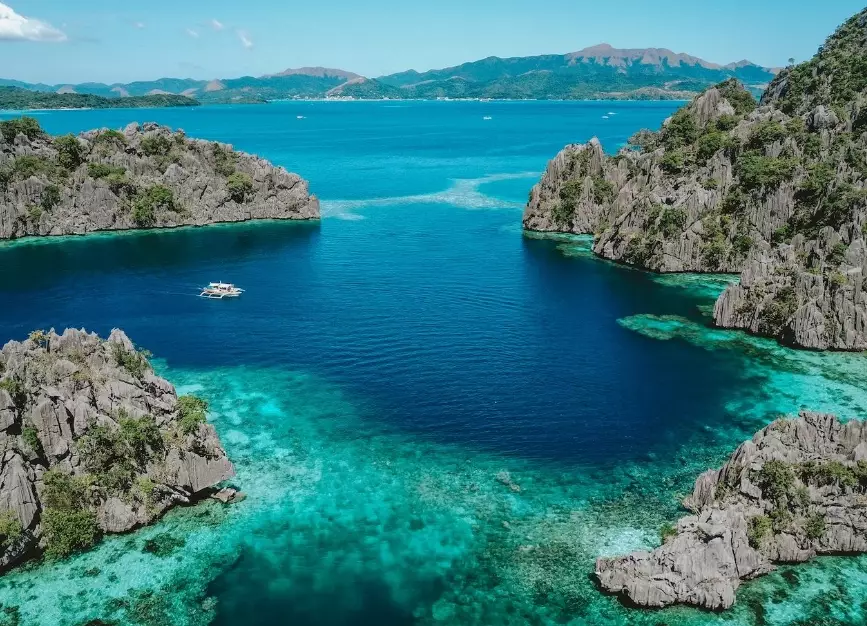
My Personal Pick for an All-Rounder? If you have two weeks and want a bit of everything, combine Malapascua (for the sharks) with nearby Moalboal (for the sardine run, turtles, and easy diving) and maybe Oslob (for a guaranteed whale shark encounter, though this is controversial due to feeding practices). It’s a classic Visayas circuit with great logistics.
How to Choose Your Spot: A Simple Matchmaking Guide
Stop thinking about "best." Start with these questions.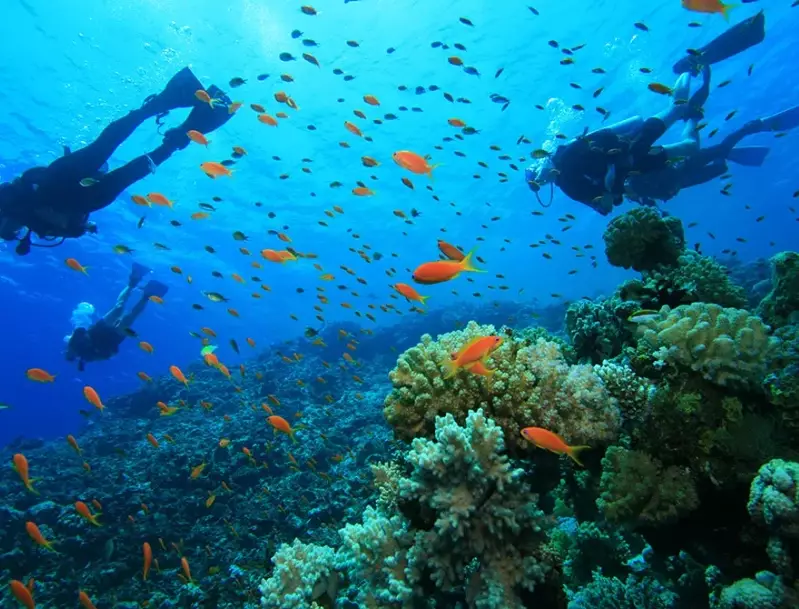
What's your dive experience?
Beginners: Stick to the Visayas (Moalboal, Panglao) or Anilao. Gentle conditions, shallow reefs, and many intro courses.
Intermediate+: You have the whole menu. Coron's wrecks, Malapascua's sharks, Apo Reef.
Advanced: Tubbataha is your pinnacle. Also consider the strong currents at some sites in Puerto Galera or the deep walls of Apo.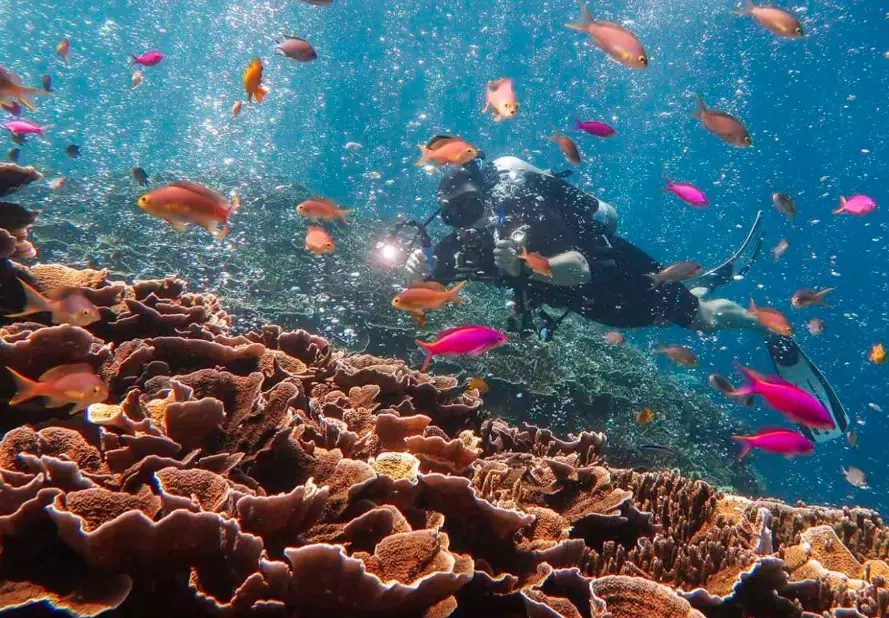
What animals are on your must-see list?
Sharks: Malapascua (threshers), Tubbataha/Apo (reef sharks, chance of hammerheads).
Macro/Critters: Anilao, no contest. Dauin (near Dumaguete) is a close second.
Wrecks: Coron. Subic Bay (near Manila) also has great wrecks but visibility is lower.
Big Fish Action: Tubbataha, Apo Reef.
What's your trip style and budget?
Liveaboard Luxury/Adventure: Tubbataha.
Land-Based & Social: Puerto Galera, Moalboal. You stay in a town with restaurants and bars.
Resort Relaxation: Many high-end resorts in El Nido (Palawan) or Panglao (Bohol) have house reefs.
Budget Backpacker: Moalboal, Anilao (some budget resorts), Coron town.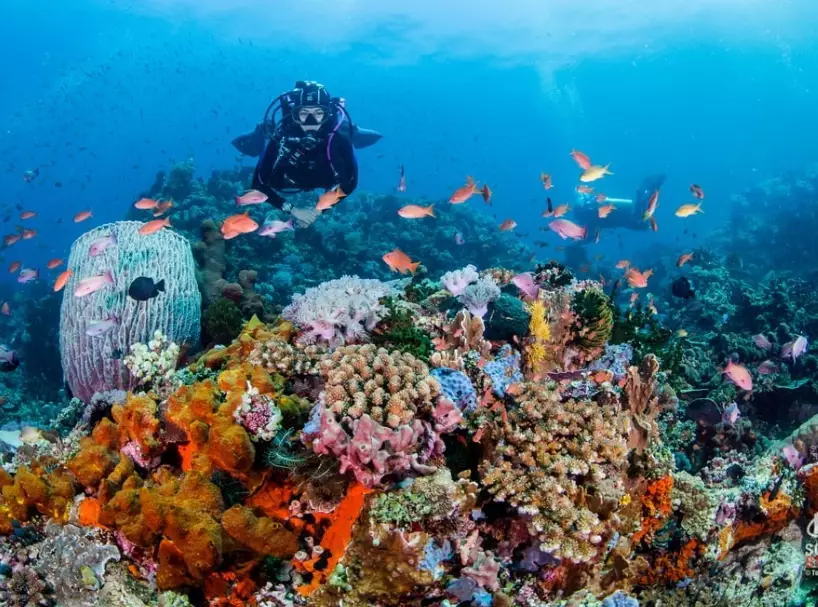
Budget, Logistics, and Trip Planning
Let's get real about money and time. A dream trip can sink fast with poor planning.
Getting Around: Domestic flights on Cebu Pacific, AirAsia, or PAL Express are cheap if booked early. For island hops, ferries like 2Go Travel or OceanJet are reliable—book online. Always pad your schedule. A 1-hour flight can turn into a 5-hour journey with delays and transfers.
Sample 10-Day Budget (per person, mid-range):
- Domestic Flights (2 sectors): $150
- Accommodation ($40/night): $400
- Diving (2-3 boat dives/day @ $25/dive): $400
- Food & Drink ($30/day): $300
- Local Transport/Ferries: $100
Total (excl. international flights): ~$1,350. You can do it cheaper in hostels and eating local, or double it for luxury.
The Weather Wild Card: The Philippines has a typhoon season (July-Oct). The west (Palawan) gets hit differently than the east. Check the forecast for your specific region, not just "Philippines." Sites like the Philippine Atmospheric, Geophysical and Astronomical Services Administration (PAGASA) offer local forecasts.
Your Philippines Diving Questions, Answered
So, where is the best diving in the Philippines? It's the place that aligns with what you, specifically, want from a dive trip. Don't just chase a famous name. Match the destination to your skills, your wishlist, and your travel style. Book your flights, pack your reef-safe sunscreen, and get ready. The water here is unforgettable.
Your comment