I've been diving the Caribbean for over a decade, and let me tell you, picking the best spots isn't just about clear water—it's about finding places that match your style, budget, and what you want to see underwater. Most lists just throw names at you, but I'll break down the real details: costs, how to get there, and even the subtle mistakes divers make. Whether you're a newbie or a pro, this guide cuts through the hype.
Quick Dive Guide
Top Scuba Diving Destinations in the Caribbean
Forget the generic rankings. Here are five spots I've personally dived, with specifics you need to know. I've included things like entry fees—yes, some places charge just to get in the water—and transport tips most blogs skip.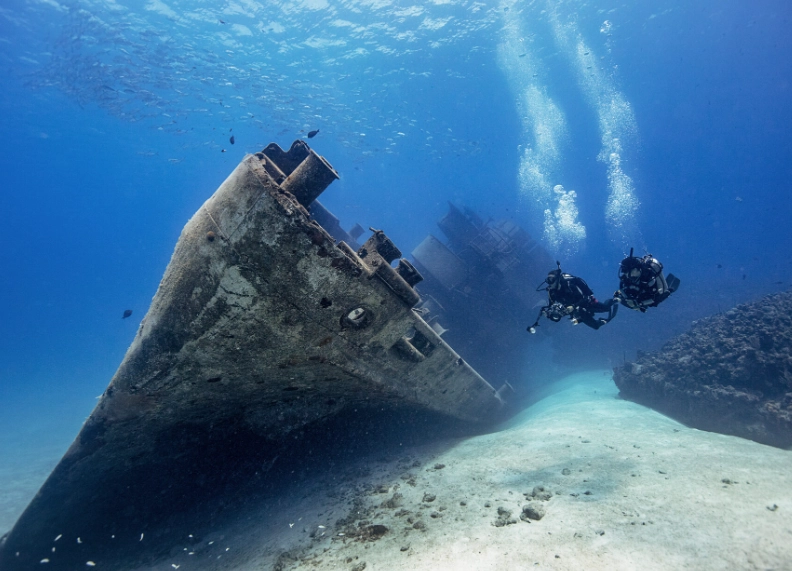
1. Bonaire: The Shore Diving Paradise
Bonaire is all about accessibility. You can walk into the water from dozens of marked sites. But here's the catch: you need a nature tag to dive, costing around $45 for a year. It funds conservation, which I love. Flights often connect through Miami or Amsterdam; expect to pay $600-$800 roundtrip from the U.S. East Coast. Once there, rent a pickup truck—about $50 a day—to haul gear. Don't miss the Salt Pier; it's an easy dive with tons of tarpon. I once saw a seahorse there at 20 feet, something guides rarely mention.
2. Cozumel, Mexico: Drift Diving Heaven
Cozumel's drift dives are legendary, but currents can be strong. Palancar Reef is the star, with visibility often 100+ feet. Most operators charge $90-$120 for a two-tank dive. Fly into Cancun, then take a $25 ferry to Cozumel. Book dives directly with shops like Scuba Tony—they keep groups small. A pro tip: avoid the cruise ship crowds by diving early morning. I've had entire reefs to myself at 7 AM while others slept in.
3. Grand Cayman, Cayman Islands: Wall Diving and Wrecks
Grand Cayman's North Wall drops to thousands of feet, but it's not just for experts. Stingray City is touristy, but the Kittiwake wreck at 60 feet is perfect for beginners. Entry? No fees, but boat dives run $100-$150. Flights are pricey—$400-$600 from Miami—so bundle with a package. Stay in George Town; traffic is a nightmare elsewhere. I learned the hard way: book a condo with a kitchen to save on food costs.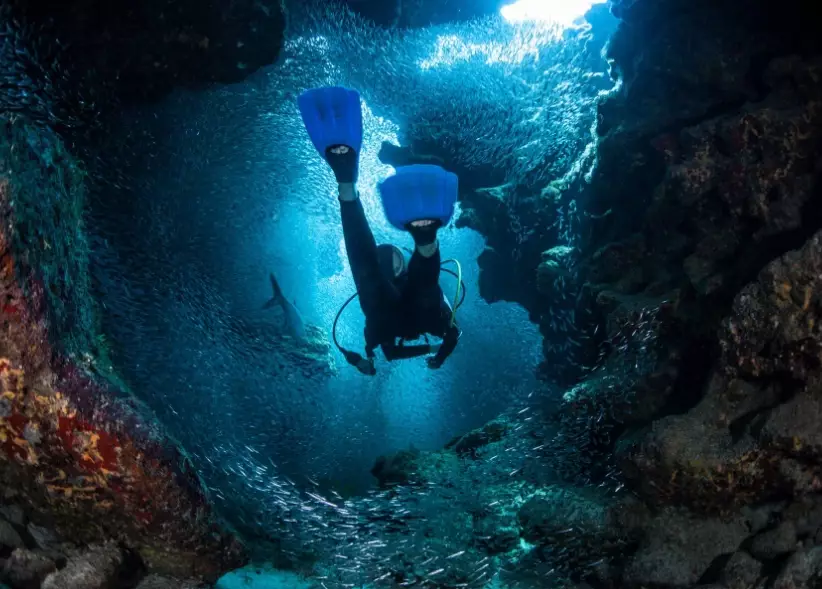
4. Roatán, Honduras: Budget-Friendly Bliss
Roatán is where I send friends on a tight budget. Two-tank dives can be under $80, and the West End has cheap hostels. Fly into Roatán International Airport; flights from Houston start at $300. The marine park fee is $10, valid for your stay. Dive sites like Mary's Place are stunning, but avoid the rainy season (Oct-Jan) when visibility drops. I once dove there in November and could barely see my hand—lesson learned.
5. Saba: The Hidden Gem
Saba is less crowded, with pinnacles rising from the deep. It's a hassle to reach: fly to St. Maarten, then a 15-minute flight or ferry. But the diving is pristine. Costs? Around $110 per dive, but worth it for the untouched coral. No direct address for dive shops—just email Sea Saba ahead. They'll pick you up from the dock. I've seen nurse sharks here every time, something that's become rare elsewhere.
| Destination | Approx. Cost per Dive | Best Time to Visit | Key Marine Life |
|---|---|---|---|
| Bonaire | $25-$40 (shore dive) | Dec-Apr | Tarpon, seahorses, coral |
| Cozumel | $90-$120 (boat dive) | Mar-Jun | Eagle rays, turtles, sponges |
| Grand Cayman | $100-$150 (boat dive) | Jan-Apr | Stingrays, wreck fish, barracuda |
| Roatán | $70-$90 (boat dive) | Feb-Sep | Dolphins, macro critters |
| Saba | $100-$120 (boat dive) | Apr-Aug | Sharks, pinnacles, soft coral |
That table gives a snapshot, but let's talk planning. Most divers overspend because they don't research these details.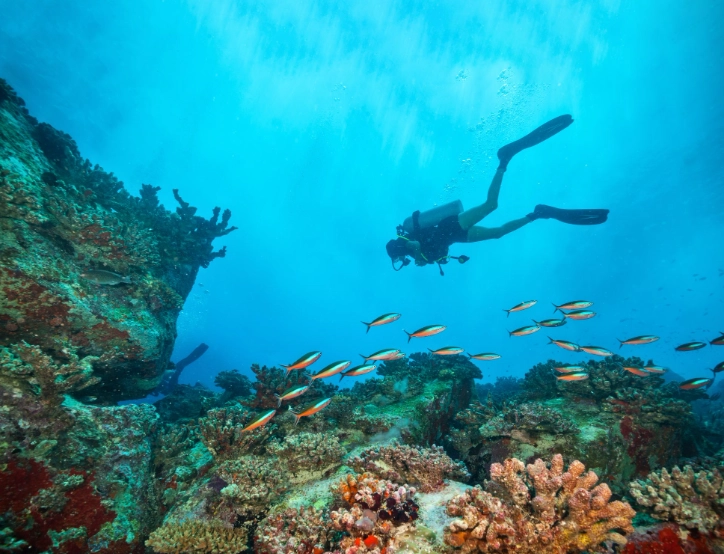
How to Plan Your Caribbean Diving Trip on a Budget
I've seen too many people blow their budget on fancy resorts. Here's how to do it smart. First, flights: use Google Flights and set alerts for islands like Puerto Rico or Dominican Republic—they're hubs with cheaper connections. For example, flying to Punta Cana can cost $300 from New York, then hop to other islands via local airlines.
Accommodation? Skip all-inclusives. Book a villa or Airbnb near dive shops. In Bonaire, I stayed at a guesthouse for $80 a night with free tanks. Food: eat where locals do. In Cozumel, the taco stands off the main strip charge $5 for a feast.
Gear: bring your mask and computer, but rent the rest. It saves baggage fees. A common mistake: packing too much. Airlines charge for extra weight, and dive boats have limited space.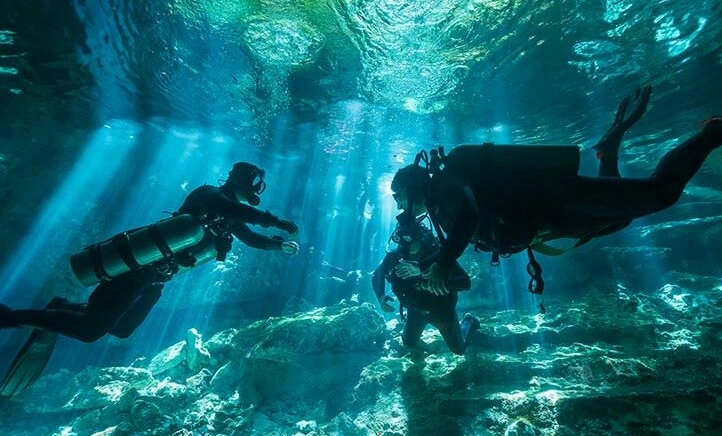
Pro Tip: Contact dive operators 3-4 months ahead. Ask about group discounts or weekly rates. I saved 20% in Roatán by booking six dives upfront and mentioning I read about them on Scuba Diving magazine's website—they love referrals from trusted sources.
Timing is everything. Hurricane season runs June to November, but I've dived in August with no issues. Check sites like the National Hurricane Center for updates. If a storm is brewing, have travel insurance. I use World Nomads—they cover dive trip cancellations.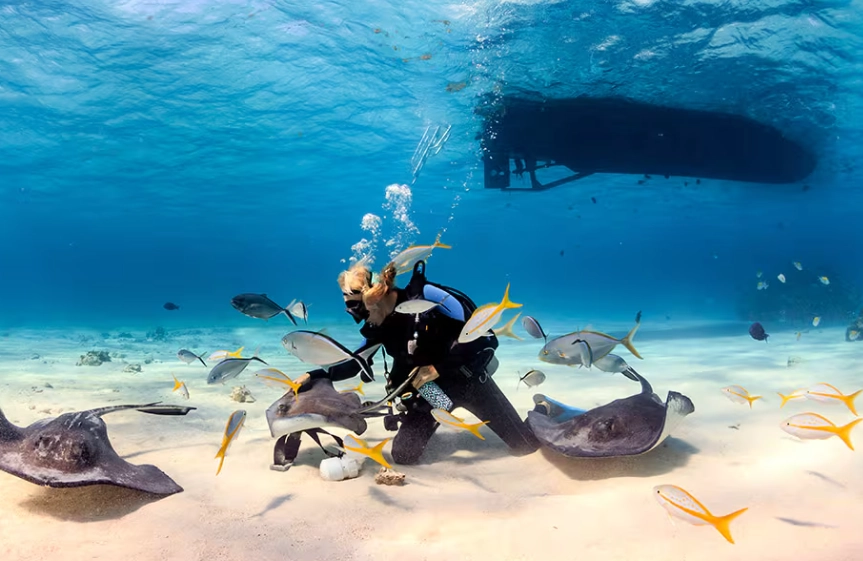
Common Mistakes to Avoid When Diving in the Caribbean
New divers often focus on big animals, but the real magic is in the details. Here's what I've learned from guiding hundreds of trips.
Overlooking shore diving: In Bonaire, people pay for boat dives when shore sites are just as good. Save money by diving from the beach. Just check wind conditions—onshore winds can stir up sediment.
Ignoring marine park rules: Touching coral seems harmless, but in places like Bonaire, fines can hit $500. I've seen divers get slapped with penalties for chasing turtles. Respect the environment; it keeps diving sustainable.
Booking through third-party sites: They add fees and often don't guarantee small groups. Call the dive shop directly. Ask about guide experience—I prefer guides who've been there over 5 years. They know the hidden spots.
Not checking equipment: On a trip to Grand Cayman, my buddy's regulator failed because he didn't test it pre-dive. Always do a pre-dive check, even if the shop says it's fine. Bring a spare mask too; I've lost mine in currents.
Another thing: divers underestimate currents in Cozumel. If you're not comfortable with drift diving, take a refresher course first. I've rescued novices who panicked when the current picked up.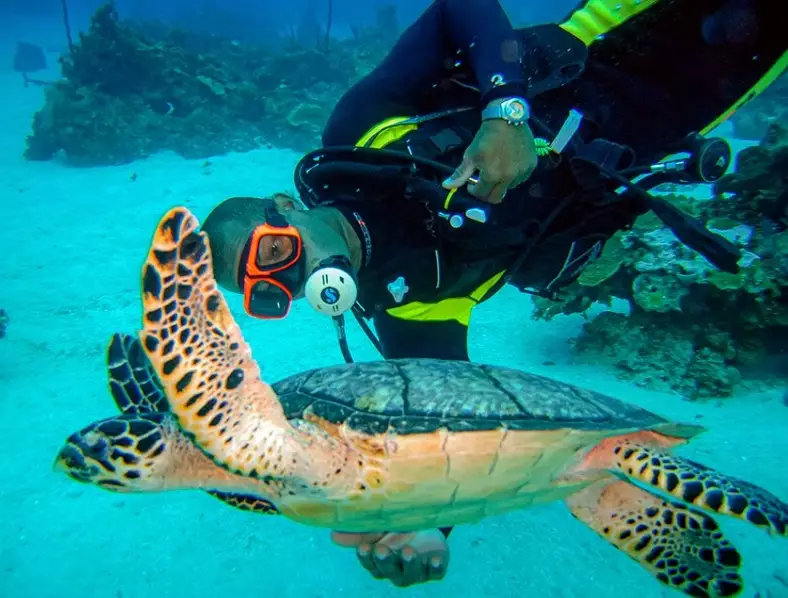
FAQ About Caribbean Scuba Diving
What is the best time of year to scuba dive in the Caribbean for clear visibility and calm seas?
Aim for the dry season from December to April. Water visibility often exceeds 100 feet, but I've found late January to March offers the sweet spot—fewer storms, less rain runoff affecting clarity. Avoid hurricane season from June to November; even if a storm misses, swells can ruin dives for days. In places like Roatán, September rains can drop visibility to 30 feet.
Are there budget-friendly diving options in the Caribbean without sacrificing quality?
Yes, focus on islands like Roatán or Utila in Honduras. A two-tank dive can cost under $80, and shore diving saves boat fees. Book directly with local operators, not resorts. I saved 30% by emailing a small shop in Roatán for a week-long package—they threw in free gear rental. Also, consider lesser-known spots like Dominica; it's cheaper than Barbados and has pristine walls.
What unique marine life should I prioritize seeing in Caribbean dive sites?
Don't just chase sharks. Look for lesser-known critters like frogfish in Bonaire's mangroves or seahorses in Grand Cayman's wreck dives. Night dives in Cozumel reveal octopus and lobsters most miss. Bring a macro lens; the tiny stuff, like nudibranchs, often impresses more than the big guys. In Saba, I've spotted rare black coral at 80 feet—ask guides about specific micro-sites.
How do I choose a safe and reputable dive operator in the Caribbean as a beginner?
Check for PADI or SSI certification, but go deeper. Ask about guide-to-diver ratios—I avoid operators with more than 6 divers per guide. Read recent Google reviews mentioning boat maintenance. Call them: if they rush you off the phone, that's a red flag. A good shop will ask about your experience level and allergies. In Cozumel, I recommend operators who brief on current management; it shows they care about safety.
Wrapping up, the Caribbean offers endless diving, but success comes from planning and local knowledge. Start with one of these spots, keep it simple, and always respect the ocean. I've made my share of errors—like diving tired or skipping checks—so learn from them. Your underwater adventure awaits.
Comments