Ask ten divers about the best scuba diving spot in the world, and you'll get eleven answers. The truth is, "best" is a personal equation. It depends on what makes your heart race—swimming with whale sharks, drifting over endless coral walls, or hunting for tiny, bizarre critters in the muck.
I've been diving for over fifteen years, from frozen lakes to tropical paradises. The places that stick with me aren't always the most famous. They're the ones that matched my mood, skill level, and curiosity at that moment.
So, let's move beyond the generic lists. This guide will unpack the world's top contenders, but more importantly, it will give you the framework to choose your own champion.
Dive Right In: Your Quick Guide
What Actually Makes a "Best" Dive Spot?
Before we name names, let's define the criteria. A world-class dive destination usually ticks several of these boxes:
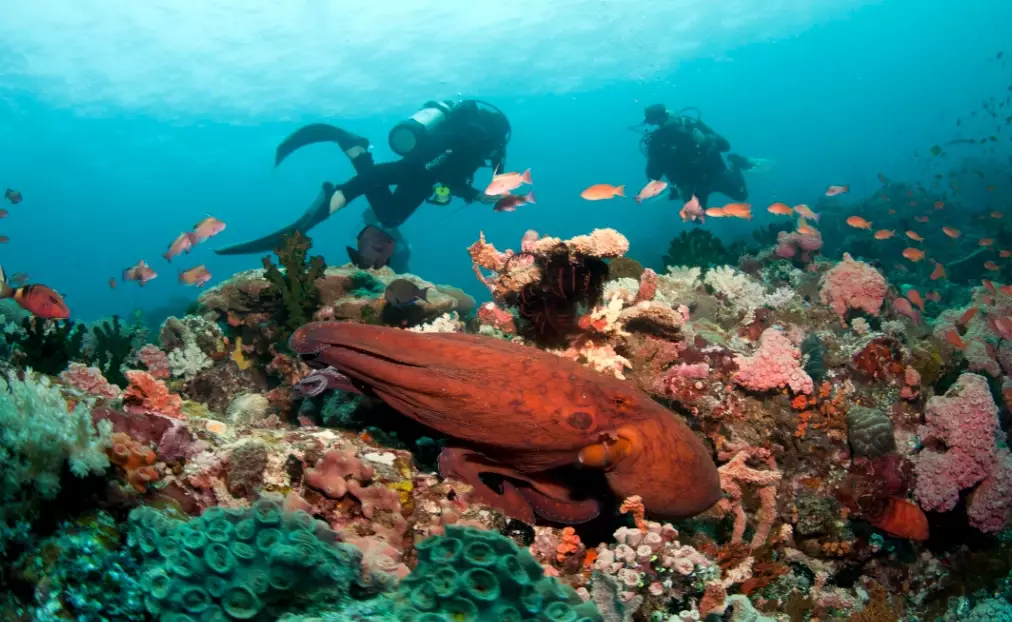
Marine Biodiversity: This is the big one. Think of the Coral Triangle (Indonesia, Philippines, Papua New Guinea). According to conservation organizations, this region houses over 75% of the world's known coral species. More species means more action.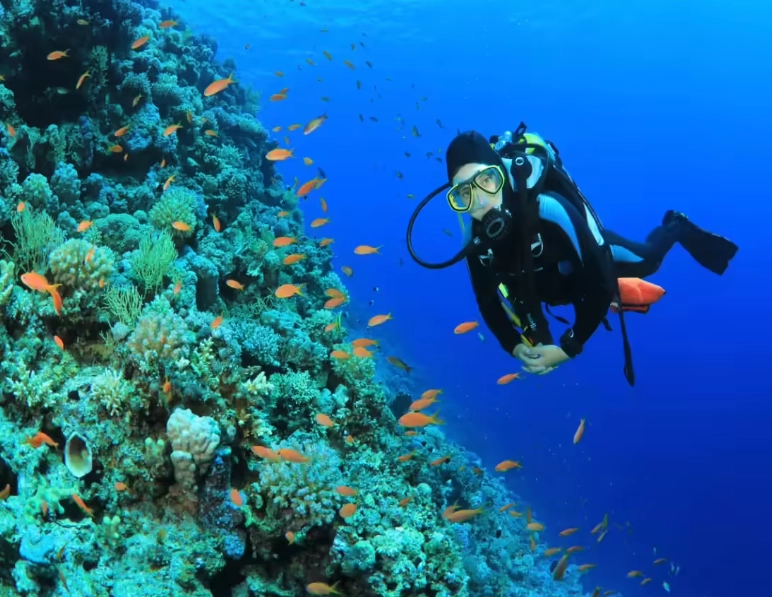
Visibility: Crystal-clear water isn't just for pretty photos. It affects safety, navigation, and how much you actually see. Places like the Red Sea and parts of the Caribbean consistently offer 30-meter (100-foot) plus visibility.
Dive Site Variety: Can you dive deep walls, gentle reefs, eerie wrecks, and mucky sand flats all in one trip? Variety keeps a destination interesting for a week.
Health of the Ecosystem: Sadly, this disqualifies many once-great spots. Bleaching and pollution have taken a toll. The best spots today have active conservation, like the reefs in Palau which are protected by a dedicated marine sanctuary.
Accessibility & Infrastructure: Can you get there? Are there reliable dive operators, comfortable boats, and nitrox available? The most remote reef in the world might be pristine, but if getting there requires a chartered expedition, it's not a "best" spot for most.
The Top Contenders, Broken Down for Real Planning
Here’s a detailed look at five spots that consistently top the charts, with the practical details you need to book a trip.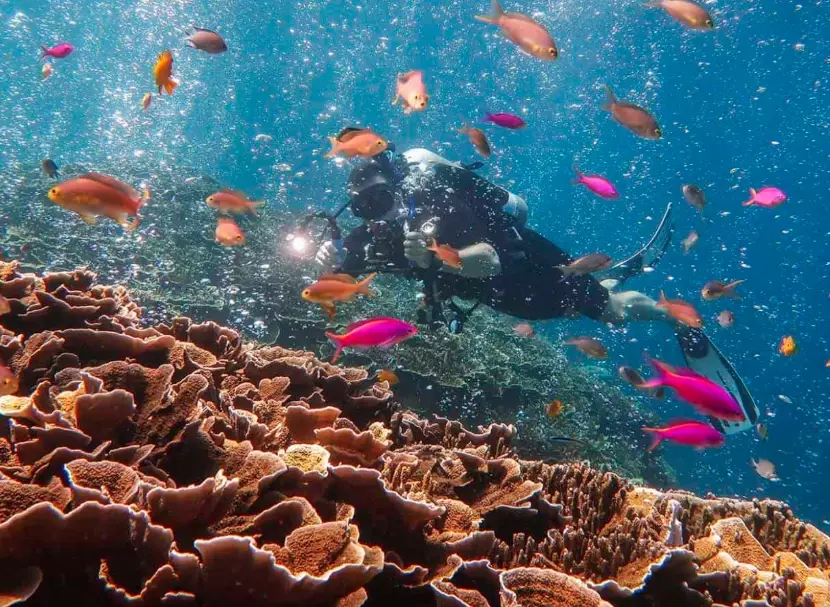
| Destination | Best For | Top Season | Getting There & Base | The Vibe & Skill Level |
|---|---|---|---|---|
| Great Barrier Reef, Australia | Iconic biodiversity, beginner-friendly outer reef | June - Dec (best viz, whale season) | Fly to Cairns or Port Douglas. Day trips or multi-day liveaboards to the outer reef. | Structured, tourist-friendly. Strong operators. Ideal for beginners to intermediates. The inner reef can be crowded and less pristine. |
| Raja Ampat, Indonesia | Ultimate marine biodiversity, pristine reefs | Oct - April (calmer seas) | Long journey: fly to Sorong via Jakarta/Bali. Almost exclusively accessed by liveaboard boats. | Remote, adventurous, expensive. Strong currents common. Best for experienced divers. The "Holy Grail" for coral lovers. |
| Red Sea, Egypt | Wrecks, walls, and reliable big fish action | Year-round (hot in summer) | Direct flights to Hurghada or Sharm el-Sheikh. Shore diving from Dahab or liveaboards from Hurghada. | Fantastic value. Mix of easy shore dives and advanced drift/wreck dives. Great for all levels, depending on site. |
| The Maldives | Channel drifts with pelagics (sharks, mantas), luxury | Jan - April (dry season, best viz) | Fly to Malé. Transfer to a resort via seaplane or boat, or join a liveaboard cruise. | High-end, boat-focused. Drift diving requires buoyancy control. Not ideal for absolute beginners unless in a resort lagoon. |
| Cozumel, Mexico | Effortless, world-class drift diving | Nov - April (avoid rainy season) | Fly to Cozumel International (CZM) or Cancun (CUN) + ferry. Stay in San Miguel. | Relaxed, easy, affordable. Dives are mostly boat-based drifts along walls. Perfect for intermediates. Night life on shore. |
What Makes Raja Ampat So Special?
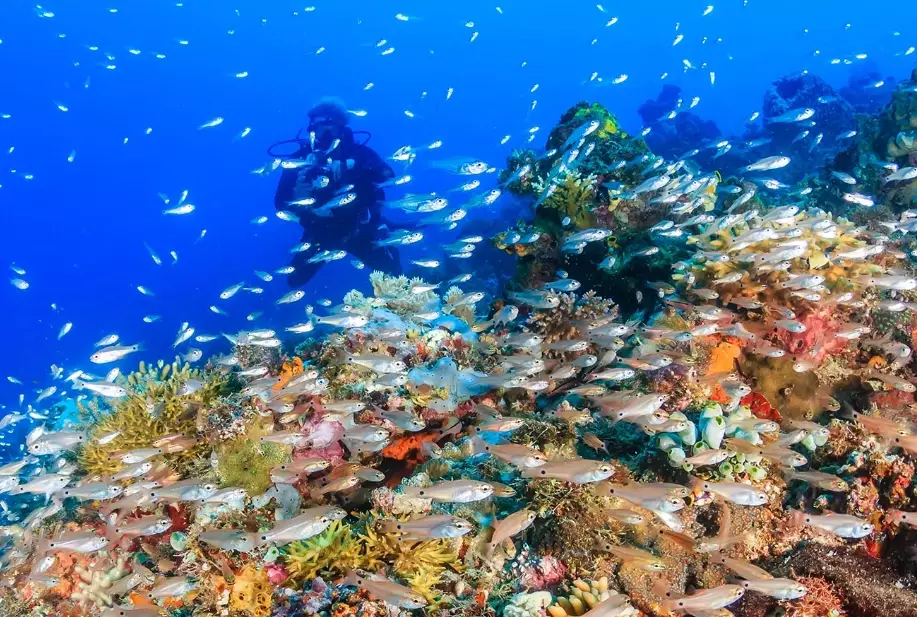
It's not just hype. A 2012 study by the University of Papua identified over 1,400 fish species and 550 coral species in the Bird's Head Seascape where Raja Ampat sits. The numbers are staggering. Diving here feels like someone turned up the saturation and population sliders to maximum. You're overwhelmed.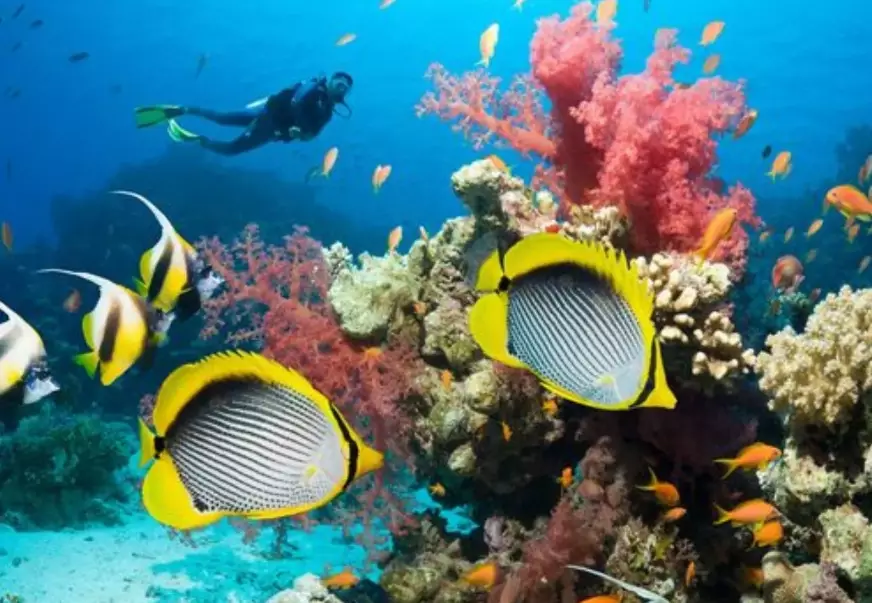
But here's the real talk: it's a mission. After 24+ hours of travel, you board a basic liveaboard (even the "luxury" ones feel rustic). The currents are no joke—you need to be comfortable in strong flow. And it's humid. But when you're hovering over a reef at Cape Kri with a school of jacks overhead, trevally hunting below, and pristine coral all around, you get it. This is the benchmark.
The Red Sea's Secret: More Than Just the SS Thistlegorm
Everyone targets the legendary SS Thistlegorm (a WWII wreck packed with trucks, motorcycles, and boots). It's incredible, but it's also often crowded. The Red Sea's real magic is in its consistency and variety. From Sharm, you have the sheer walls of the Tiran Straits. From Hurghada, liveaboards head to the remote Brothers Islands for guaranteed shark encounters.
My personal favorite? The less-heralded wrecks like the SS Dunraven near Sharm. It's smaller, deeper, and often visited by curious napoleon wrasse. You get a world-class wreck dive without the circus.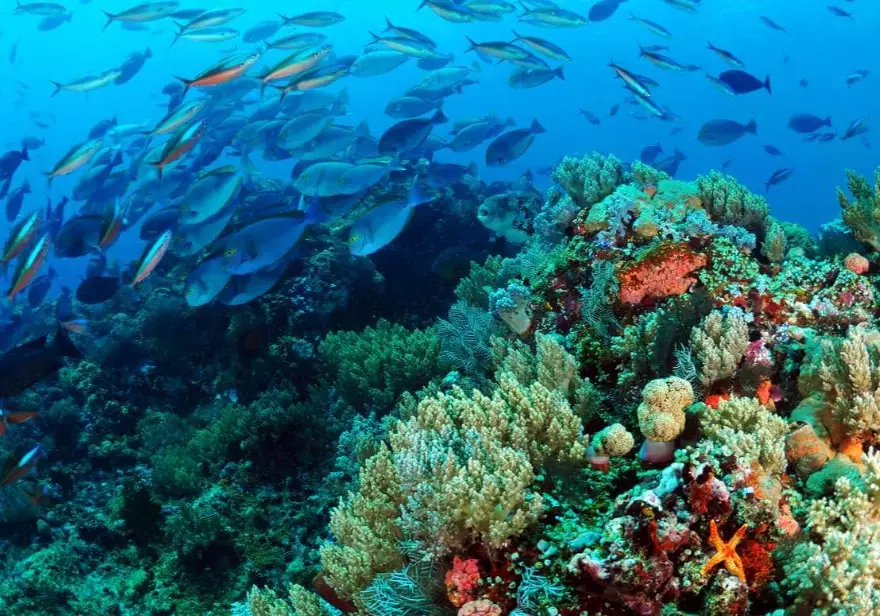
How to Choose Your Perfect Dive Spot
Stop asking "what's the best?" Start asking these questions:
1. What's your current dive level and comfort zone?
A new Open Water diver has no business on a strong channel dive in the Maldives. Be honest. Cozumel's gentle drifts or the GBR's outer reef are perfect confidence-builders.
2. What underwater experience are you craving?
Make a top-three list: Sharks? Macro critters? Wide-angle coral landscapes? Wreck penetration? This will immediately narrow the field.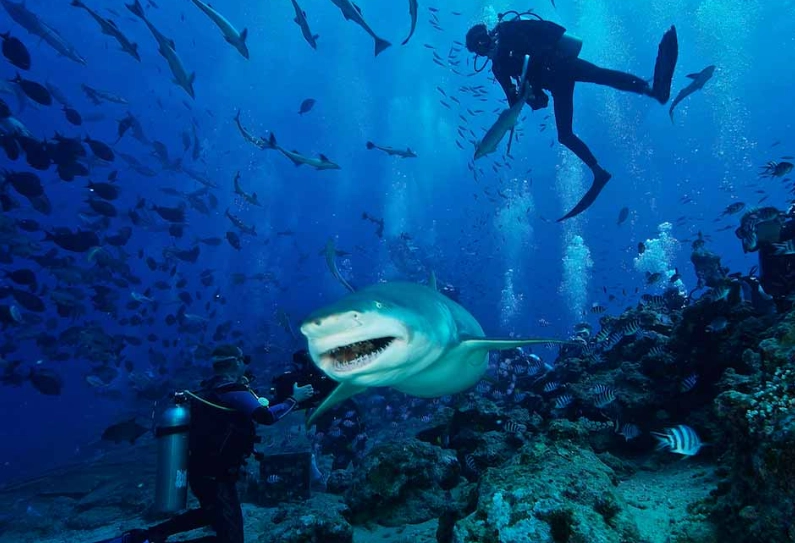
3. What's your trip style and budget?
Are you a backpacker wanting cheap shore dives (think Dahab, Egypt or Koh Tao, Thailand) or are you splurging on a once-in-a-lifetime liveaboard? Raja Ampat liveaboards start around $4,000 for a week, not including flights. A week of diving in Cozumel can be half that.
4. Who are you traveling with?
If your partner is a non-diver, the Maldives or a GBR resort island with a nice beach and spa makes sense. A dedicated dive buddy? Then go remote.
I once planned a "relaxing" dive trip to Socorro Island (Mexico) to see giant mantas. I got the mantas, but the crossings were rough, the diving was advanced, and I spent the week tired. I picked the wrong "best" for that moment in my life.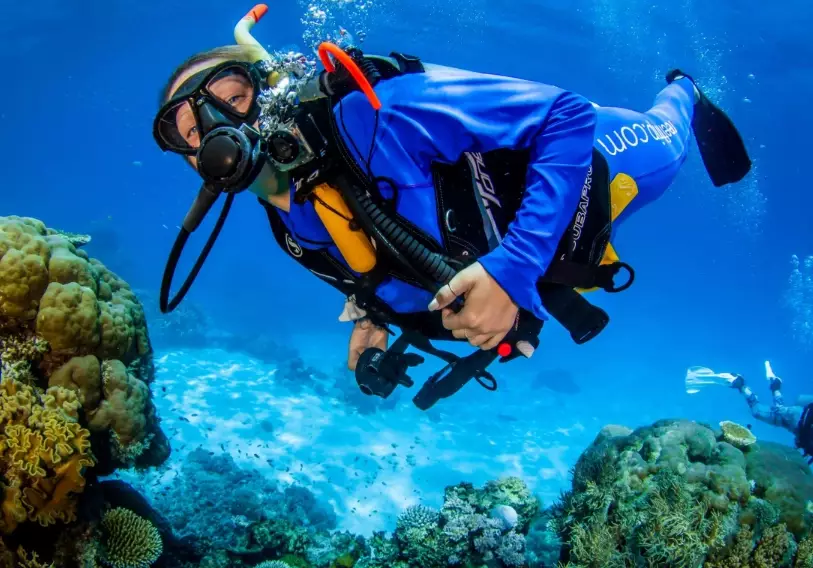
Your Dive Trip Questions Answered
The best scuba diving spot in the world is the one that aligns with your skills, dreams, and budget. Use this guide not as a final ranking, but as a menu. Pick the ingredients that appeal to you. Then get out there and explore. The ocean's waiting, and it has more than one "best" to offer.


Comments