If you're searching for the clearest water to scuba dive in the world, you're in luck—I've dived in many of these spots and can tell you exactly where to go. The answer isn't just one place; it's a handful of destinations where visibility stretches beyond 30 meters, making every dive feel like flying through liquid glass. Let's cut to the chase: Palau, the Maldives, and the Red Sea top the list, but there are hidden gems too. This guide will walk you through each, with practical details on costs, timing, and how to avoid common pitfalls that even experienced divers miss.
Quick Navigation
What Makes Water Clear for Diving?
Water clarity isn't just about luck—it's science. Think of it as a cocktail of factors: low plankton levels, minimal sediment from rivers, and stable ocean currents. In remote areas, human activity is low, so runoff from agriculture or industry doesn't cloud the water. That's why atolls in the middle of the ocean often win. I've seen visibility hit 60 meters in Palau during dry season, but in coastal areas near cities, it can drop to 10 meters.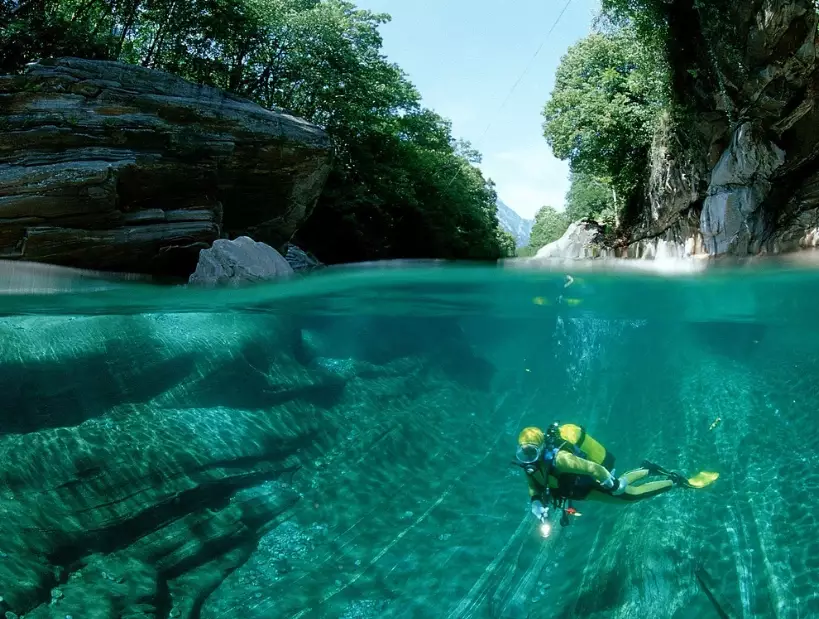
Key Factors Affecting Visibility
Plankton blooms can turn water greenish, reducing visibility. Sediment from storms or erosion washes in, especially during rainy months. Ocean currents play a role too; areas with strong upwelling might bring nutrients that attract plankton. For the clearest dives, target destinations during their dry season and check marine protected status—places like the Great Barrier Reef have zones with better clarity due to conservation efforts, as noted by the Australian Marine Conservation Society.
Top Destinations for Crystal Clear Scuba Diving
Here's a rundown of spots where the water is so clear you'll feel like you're in an aquarium. I've included specifics—because just saying "it's clear" doesn't help you plan.
| Destination | Visibility Range | Best Time to Visit | How to Get There | Approximate Cost per Day |
|---|---|---|---|---|
| Palau, Micronesia | 40-60 meters | November to April (dry season) | Fly to Koror via Guam or Manila; flights from $800 round-trip | $200 for dive packages, plus $100 for permits |
| Maldives | 30-50 meters | December to April (northeast monsoon) | International flights to Malé, then seaplane or boat; transfers from $200 | $250 on liveaboards, all-inclusive |
| Red Sea, Egypt | 40-50 meters | March to May, September to November | Fly to Hurghada or Sharm El Sheikh; direct flights from Europe | $50 for shore dives, $150 for boat trips |
| Socorro Islands, Mexico | 30-40 meters | November to May (whale shark season) | Fly to Cabo San Lucas, then liveaboard; 10-day trips from $3000 | $300 on liveaboards |
| Raja Ampat, Indonesia | 20-40 meters | October to April | Fly to Sorong via Jakarta; boat transfers needed | $150 for resort stays, $100 for diving |
Palau is my personal favorite—diving at Blue Corner, you can see sharks from afar in that blue haze. But don't overlook the Red Sea; the SS Thistlegorm wreck has clarity that makes every detail pop, though it can get crowded. For a quieter experience, Socorro Islands offer remote clarity with giant mantas, but the journey is longer.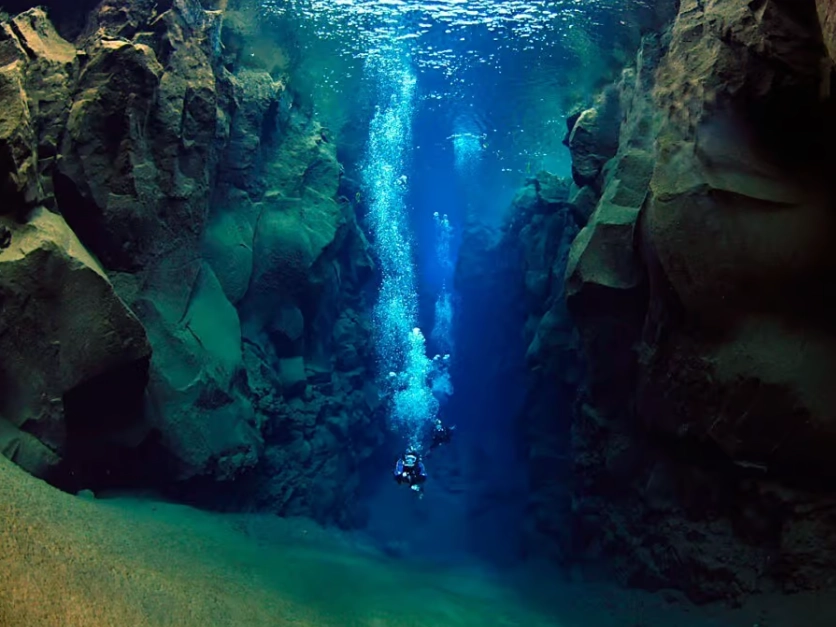
Pro tip: Visibility varies daily. In the Maldives, I've had days with 50 meters and others with 30 due to plankton shifts. Always check with local dive operators before booking—they give real-time updates.
Deep Dive into Palau
Palau isn't just clear; it's a marine sanctuary. The Rock Islands have jellyfish lakes (snorkeling only) with visibility over 30 meters. Dive sites like Blue Corner require advanced skills due to currents, but the payoff is unmatched. Permits cost around $100, valid for 10 days. Stay in Koror; hotels range from $80 to $300 per night. Dive shops like Sam's Tours offer packages from $200 per day, including gear. Getting there: United Airlines flies from Guam, or take connecting flights from Asia. The water clarity peaks in dry season, but even in summer, it's rarely below 30 meters.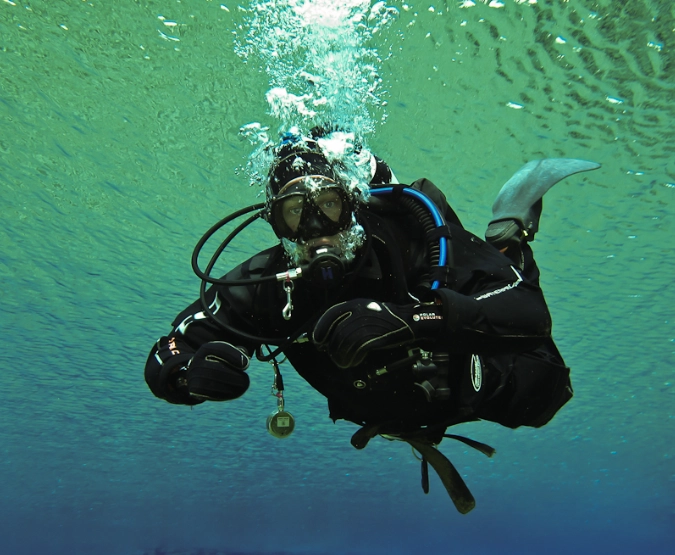
Why the Red Sea Stands Out
Egypt's Red Sea is a budget-friendly gem. Hurghada has shore dives with visibility around 40 meters—just walk in from the beach. The Ras Mohammed National Park charges $5 entry, and dive sites are minutes away by boat. I found that spring and fall avoid the summer heat and winter winds. Flights from Europe can be as low as $300 round-trip. A common mistake: divers assume it's all clear, but near river mouths, visibility drops. Stick to offshore reefs.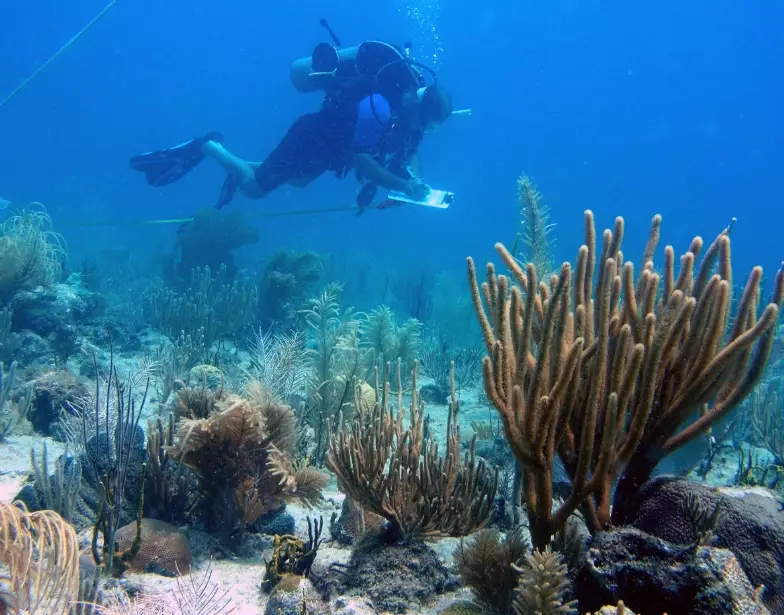
How to Plan Your Trip to These Clear Water Spots
Planning isn't just picking a destination; it's timing, budgeting, and logistics. Let's say you want to dive in the Maldives on a budget. Here's a scenario: You book six months ahead for a liveaboard in April, costing $2000 for a week. Flights from the US to Malé are around $1200. Pack light—weight limits on seaplanes are strict. Use a dive operator like Euro-Divers, which has packages including meals. For photography, bring a red filter; the clear water amplifies blue tones.
If you're eyeing remote spots like Raja Ampat, factor in travel time. From the US, it's a two-day journey with layovers. I'd recommend a 10-day trip to justify the flight costs. Stay at homestays for $50 per night or resorts for $200. Dive permits are included in most packages. Check the Indonesian government's tourism site for visa requirements.
Transport matters. In Palau, renting a car helps access dive shops, but in the Maldives, you're stuck with boat transfers. Always confirm dive operator credentials—clear water doesn't mean safe operations. Look for PADI or SSI certification.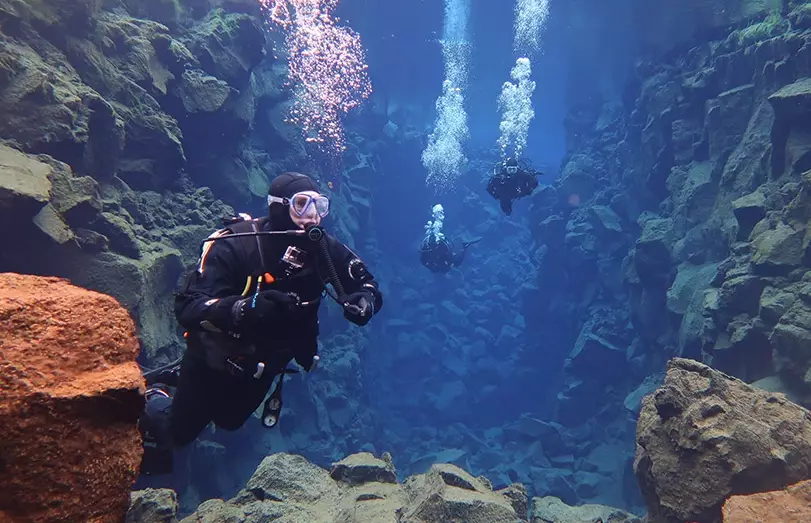
Common Mistakes to Avoid When Diving in Clear Waters
I've seen divers mess up in clear water because they get overconfident. One big error: ignoring depth. In Palau, I once saw a diver think he was at 15 meters when he was actually at 25, just because he could see the surface so clearly. Use a dive computer religiously.
Another mistake: skipping the surface marker buoy. In remote areas, boats might not see you. I always pack a bright orange SMB—it's saved me in currents off Socorro.
Gear choice matters. A cheap mask fogs up, ruining the view. Invest in a tempered glass mask with a silicone skirt. For cameras, avoid overexposure; clear water means more light, so adjust settings. I learned this the hard way in the Red Sea—my photos came out washed out until I used a polarizer.
Lastly, don't assume clear water equals warm water. In the Maldives, thermoclines can drop temperatures suddenly. A 3mm wetsuit is a must, even if it feels warm on the surface.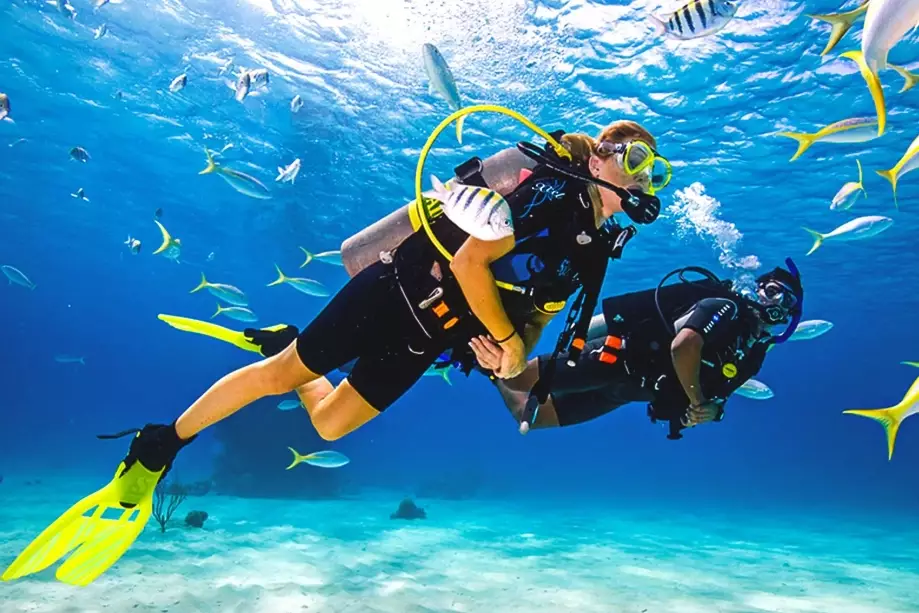
Your Questions Answered
Wrapping up, the clearest waters for scuba diving are out there, but they demand smart planning. From Palau's blue holes to Egypt's wrecks, each spot offers a unique window into the ocean. Use this guide to pick your next adventure—and remember, clarity isn't just about seeing far; it's about experiencing the underwater world with unmatched depth. Dive safe, and enjoy the view.
Your comment