Ask ten divers about the best time to scuba dive in the Philippines, and you might get ten different answers. That's because the classic "dry season vs. rainy season" advice is a massive oversimplification. The Philippines is an archipelago of over 7,000 islands, and the diving conditions in Palawan are worlds apart from those in Leyte. The real answer depends entirely on what you want to see, where you want to go, and your tolerance for a bit of adventure.
I've been diving here for over a decade, leading trips and exploring remote atolls. The biggest mistake I see? Travelers booking a trip to "the Philippines" based on a generic climate chart and then being disappointed when their dream dive site is closed due to monsoon winds they never knew existed.
Let's fix that. This isn't just a weather report; it's a regional blueprint for planning your dive adventure.
Your Dive Planning Quick Guide
The Two Seasons (And Why They Lie)
Officially, the Philippines has a dry season (November to April) and a wet season (May to October). This is driven by two opposing monsoon winds: the cool, dry Amihan from the northeast and the warm, wet Habagat from the southwest.
Here's the catch: these monsoons affect opposite sides of the country at the same time.
The Key Insight Most Blogs Miss
When the Habagat (southwest monsoon) brings rain and rough seas to the western side of the country (Palawan, Mindoro, Zambales), the eastern side (Samar, Leyte, Siargao) is often experiencing its best, calmest weather. And vice-versa during the Amihan (northeast monsoon). There is always a good side to dive.
So, forget "best time for the Philippines." Think "best time for this specific region of the Philippines."
Dive Region by Region: When and Where
Let's break it down. This table is your starting point, but we'll dive deeper into each area.
| Region & Key Destinations | Prime Diving Season | What to Expect | Watch Out For |
|---|---|---|---|
| Western Philippines (Coron, El Nido, Puerto Galera, Anilao) |
November - May (Peak: Jan-Apr) |
Calm seas, stellar visibility (30m+), best access to wrecks in Coron. Anilao's macro heaven is year-round but pristine in dry season. | Habagat winds (Jun-Oct) can shut down boat operations, especially in Coron. Puerto Galera can get windy Dec-Feb, causing surge. |
| Central Visayas (Cebu, Bohol, Dumaguete, Siquijor) |
Year-Round (Best: Nov - May) |
The most reliable area. Cebu's Malapascua (thresher sharks) is daily. Moalboal sardine run is constant. Bohol's Balicasag is legendary. | Short, heavy rains July-Oct may affect visibility briefly. Typhoons are rare but possible Nov-Dec. |
| Eastern Philippines (Samar, Leyte, Siargao, Dinagat) |
April - October | Calm, glassy seas during the Habagat. World-class muck diving in Leyte. Stunning reefs in Siargao often with no other divers in sight. | The Amihan (Nov-Mar) brings wind and rain here, making boat travel rough. This is the off-season for these eastern spots. |
| Southern Philippines (Davao, General Santos, Tawi-Tawi) |
Year-Round (Peak: Mar-Sep) |
Less seasonal variation. Excellent macro, pelagic action. A true frontier for adventurous divers. | Always check local travel advisories. Some areas require special permits or coordination with local dive operators. |
| Tubbataha Reefs Natural Park | Mid-March to Mid-June ONLY | Liveaboard-only access to a remote UNESCO site. Epic pelagics, pristine reefs, shark encounters. The pinnacle of Philippine diving. | A very short, strict season. Book liveaboards 6-12 months in advance. Requires advanced skills due to currents. |
Western Philippines Deep Dive: More Than Just Coron Wrecks
Everyone targets Coron for the Japanese wrecks, and rightly so. Visibility there is like swimming in gin from January to April. But a pro tip? The southern part of Palawan, around Puerto Princesa, has fantastic reef diving that's less affected by the tail-end of the Habagat. I've had brilliant dives there in September when Coron was storm-bound.
Anilao, the birthplace of Philippine diving, is a macro photographer's dream. While it's diveable year-round, the dry season brings cleaner water, making those tiny nudibranchs and pygmy seahorses even easier to spot against a blue background instead of greenish plankton.
The Visayas: Your Safe Bet
If you're nervous about seasons, base yourself here. Cebu is the hub. You can dive Malapascua for thresher sharks at dawn, then be in Oslob (controversial, I know) or Moalboal by afternoon. The sardine run in Moalboal is a permanent fixture—it doesn't migrate. Bohol's Balicasag Island is a protected marine park with stunning drop-offs and frequent jackfish tornadoes. A slight current is common, bringing in the big stuff.
Timing Your Dives for Specific Marine Life
Weather is one thing, but wildlife is another. Here’s what you can target and when.
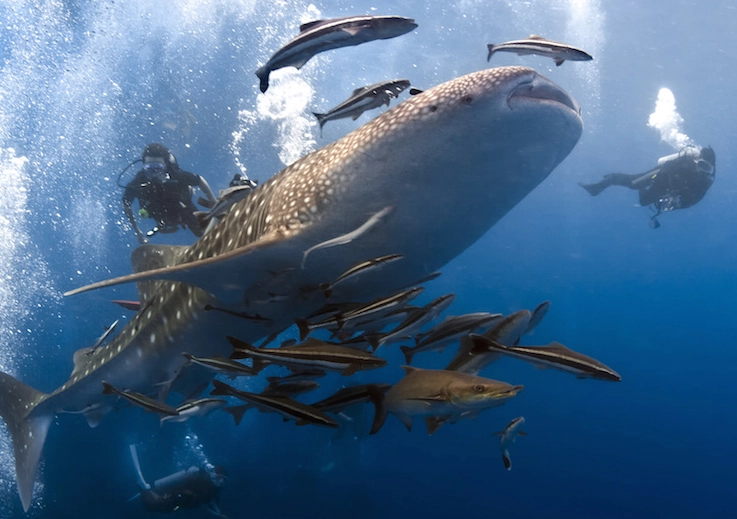
Whale Sharks: Two main sites. Donsol, Sorsogon (natural aggregation) sees them from November to June, peaking Feb-April. Oslob, Cebu has year-round, habituated sharks due to feeding—an ethical dilemma many divers choose to avoid.
Thresher Sharks: Malapascua Island, Cebu is the only place in the world with near-daily sightings. Monad Shoal is their cleaning station. Best at dawn, year-round. Seas can be choppy December-February, but the boats still go.
Manta Rays: Tubbataha (Mar-Jun) is your best shot. They're also spotted in Dauin, Negros and Pamilacan, Bohol more sporadically, often during plankton blooms in transition months (Apr-May, Oct-Nov).
Macro & Muck Diving: The muck diving capitals—Anilao and Dauin—are phenomenal year-round. However, the "wet" season (Jun-Oct) can actually be better for weird critters. Runoff from land brings nutrients, which means more activity. I've found more rare frogfish and seahorses during drizzly days in Dauin than in the bright dry season.
Beyond the Calendar: Expert Planning Tips
After hundreds of dives here, these are the non-negotiable tips I give friends.
Embrace the Shoulder Seasons. April-May and October-November are golden. You avoid the peak tourist crowds (and prices), the weather is often transitioning but still good, and marine life is active. I booked a last-minute trip to Bohol in late October once and had entire dive sites to myself.
Check the Lunar Cycle for Apo Island. Planning to dive the famous turtle sanctuary at Apo Island? Currents can be fierce. A general rule is that currents are stronger around full and new moons. If you're a newer diver, aim for the quarter moons for a more relaxed experience. Your dive operator will know.
Build in a Weather Buffer Day. Never, ever fly out of a remote dive destination on the same day as your last dive. Give yourself at least one full buffer day, especially if traveling during seasonal transitions. I was stuck in Coron for three extra days once because a lingering Habagat grounded all flights. It was a blessing in disguise—more diving!—but it would have been a disaster if I had an international flight to catch.
Dive Local, Think Local. Once you've picked your region and season, trust your local dive guide implicitly. They read the sea every morning. If they say the site you wanted is too surge-y today but suggest an alternate cove, go with it. Some of my best Philippine dives have been on "plan B" sites.
Your Philippines Diving Questions Answered
So, what's the final verdict on the best time to scuba dive in the Philippines? It's a trick question. The best time is when your chosen region is at its peak, aligned with what you want to see. For guaranteed calm seas and top visibility across most of the country, target the dry season months of February to April. For adventure, lower prices, and a chance to have iconic sites to yourself, look at the shoulder months and research the eastern side of the archipelago.
Do your homework by region, not by country. Talk to operators directly. And maybe, just maybe, consider that a little rain might just bring out the most fascinating creatures of all.
For the most current travel and safety advisories, always check the official Philippines Department of Tourism website and consult with accredited dive operators like those found through PADI.

Comments