Let's be honest. When you think "great scuba diving," New Jersey isn't the first place that pops into your head. You picture warm, clear Caribbean waters, not the Atlantic off the Jersey Shore. I thought the same thing for years, sticking to fly-to destinations. That was until a dive buddy dragged me out on a charter from Belmar one August morning. What I discovered changed my perspective completely. The waters within a few hours of New Jersey hold some of the most historically rich, challenging, and rewarding wreck diving on the entire East Coast. You just need to know where to look and how to prepare.
Dive Right In: Your Quick Guide
Top Scuba Diving Destinations Near New Jersey
The beauty of diving here is the variety. You've got intentionally sunk artificial reefs teeming with life, historic shipwrecks frozen in time, and even some unique shore dive options. Distances are from central NJ.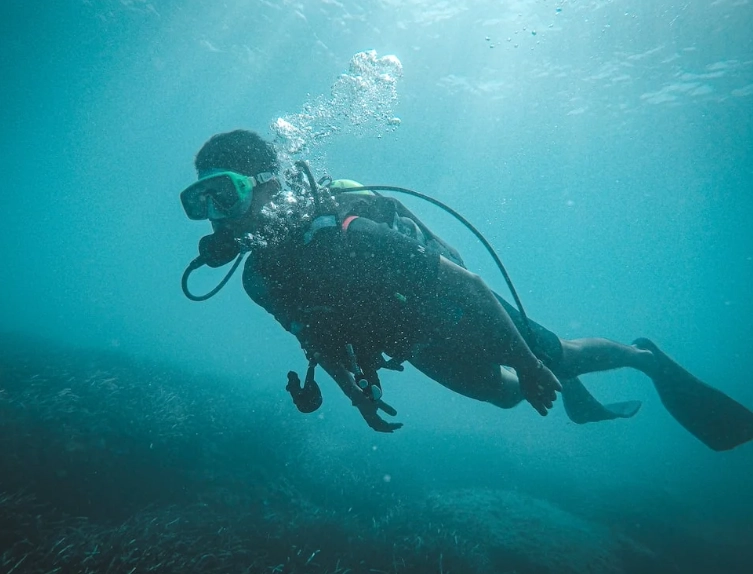
| Site Name | Location / Drive Time | Depth Range | Key Features & Notes |
|---|---|---|---|
| Atlantic City Artificial Reef System | Offshore AC, 1.5 hrs | 60-120 ft | Multiple sites: "The Atlantic City Jeep Reef," old subway cars, army tanks. High fish concentration. Great for photographers. |
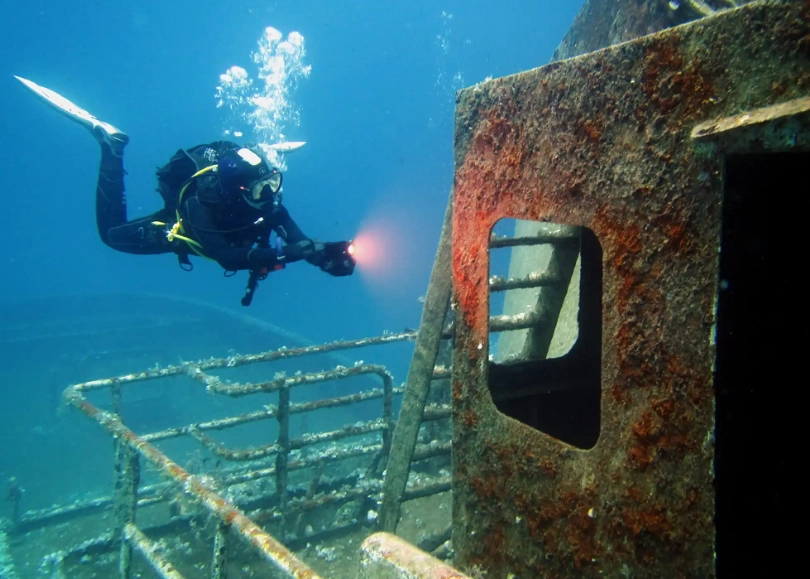
| The USS Algol (APL-61) | Off Manasquan Inlet, 1 hr | 65 ft (deck) | A 473-foot WWII attack transport ship. Massive structure, swim-throughs, often strong currents. Advanced divers only. |
| The Delaware (BB-28) Battleship Wreck | Off Cape May, 2.5+ hrs | 70-110 ft | The scattered wreck of a pre-WWI battleship. Large artifacts like turrets and boilers. A legendary, must-do advanced dive. |
| Shark River Inlet Artificial Reef | Near Belmar, 1 hr | 45-65 ft | Closer, shallower reef site. Tugs, barges, and concrete structures. Good for newer wreck divers or when weather limits offshore trips. |
| Dutch Springs (Quarry) | Bethlehem, PA, ~1.5 hrs | Surface-100 ft | Not ocean, but a freshwater training quarry. Submerged attractions (bus, plane), clear water, no currents. Perfect for checkouts, gear testing, or a relaxing dive. |
That table gives you the lay of the land, but each spot has its own personality.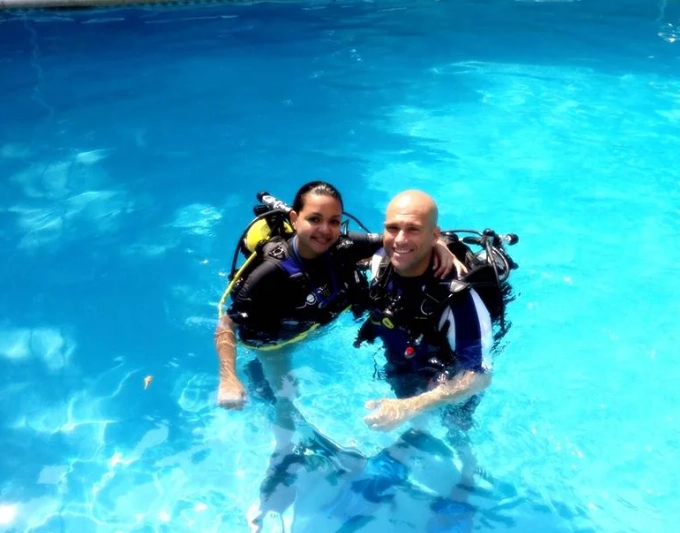
Diving the Atlantic City Reefs
This is where I had my "aha" moment. We dropped down on a pile of old NYC subway cars. The vis was about 40 feet—not Caribbean, but plenty. The cars were absolutely covered in mussels, anemones, and hydroids. Tautog (blackfish) were everywhere, peeking out of windows. A huge black sea bass just hovered near the roof. It felt like an aquatic playground. The key here is that the NJDEP Division of Fish & Wildlife actively manages these sites to create habitat. It works. You can spend multiple dives exploring different structures sunk in the same general area.
Tackling the Big Wrecks: Algol & Delaware
These are the crown jewels. Diving the Algol feels like exploring a skyscraper laid on its side. You need good buoyancy. Currents can whip around its superstructure, so hooking in with a reef hook is standard procedure. It's dark inside, so a good light is non-negotiable. The Delaware is more of a debris field, but the scale of the pieces—like a giant gun turret—is humbling. These dives require advanced training, proper gear (a dry suit is highly recommended), and a charter captain who knows the tides. Don't attempt these as a new wreck diver.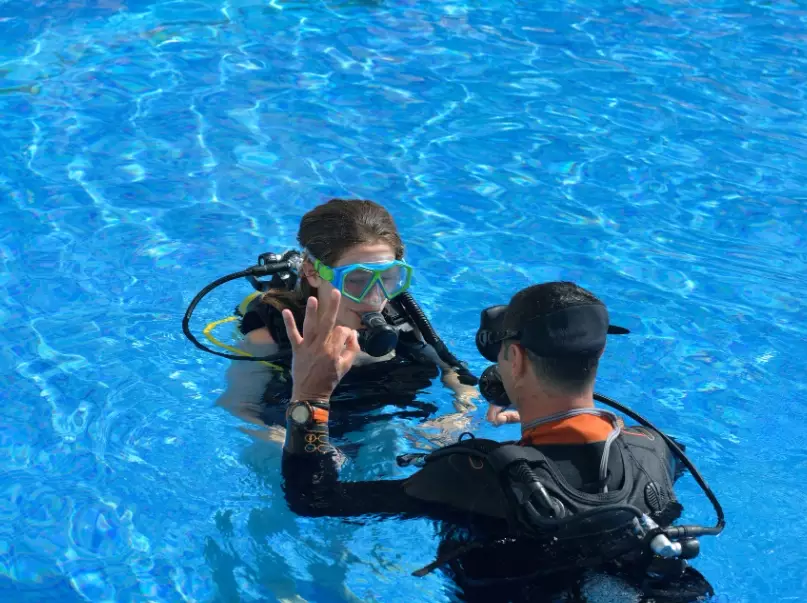
Local Insight: Many divers fixate on the "big name" wrecks and overlook the smaller, shallower artificial reefs like those in the Shark River or off Sandy Hook. On days when the ocean is choppy and the big boats aren't going out, these inshore sites can be downright pleasant. The marine life is just as abundant, and you get longer bottom times. It's a great backup plan.
Essential Tips for Diving in New Jersey Waters
This isn't a casual tropical dive. A little preparation makes the difference between a miserable, cold, short dive and an epic adventure.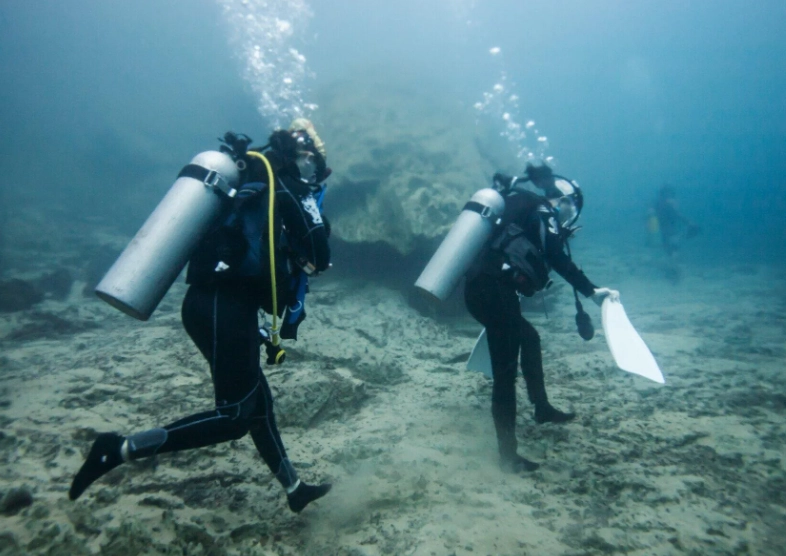
Thermal Protection is Everything. A 7mm wetsuit is the bare minimum from June to September. Hood, gloves, and boots are mandatory. Most seasoned locals dive drysuits year-round. The comfort and safety a drysuit provides cannot be overstated—it lets you focus on the dive, not the chill.
Visibility is a Gamble. You might get 60 feet on a perfect day in late September. You might get 10 feet in July after a storm. Check with the charter captain the day before for recent reports. Don't get discouraged; even low vis can be atmospheric on a wreck.
Currents and Surge are Real. This is ocean diving. You will encounter current. Know how to use a reef hook, deploy a surface marker buoy (SMB), and manage your air with exertion. Always listen to the captain's briefing on the tide cycle for that specific wreck.
Gear Up Right. Beyond exposure protection: a powerful primary dive light (even for day dives inside wrecks), a backup light, a cutting tool for monofilament line, and an SMB/reel are considered standard equipment here.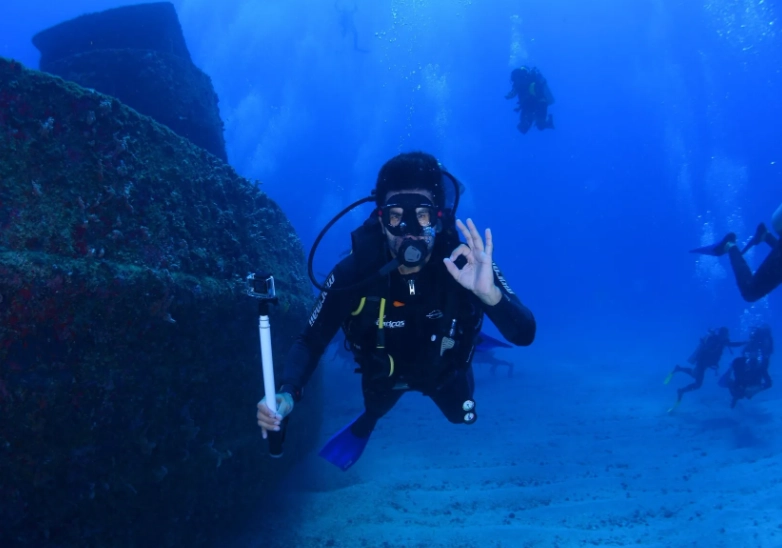
Planning Your New Jersey Area Dive Trip
You can't just show up. A successful trip requires some logistics.
Choosing a Charter: Boats out of Belmar, Point Pleasant, and Barnegat Light are your main hubs. Research operators like the Explorer Diving Center or the Gypsy Blood. Book well in advance for weekends. When you call, ask about their protocol—good charters will ask for your certification level and recent experience.
Getting Air Fills & Last-Minute Gear: There are excellent local dive shops (LDS) near the marinas. East Coast Divers in Belmar or Divers Two in Point Pleasant are institutions. They can provide fills, rent gear (like those crucial drysuits if you don't own one), and give you the very latest local conditions.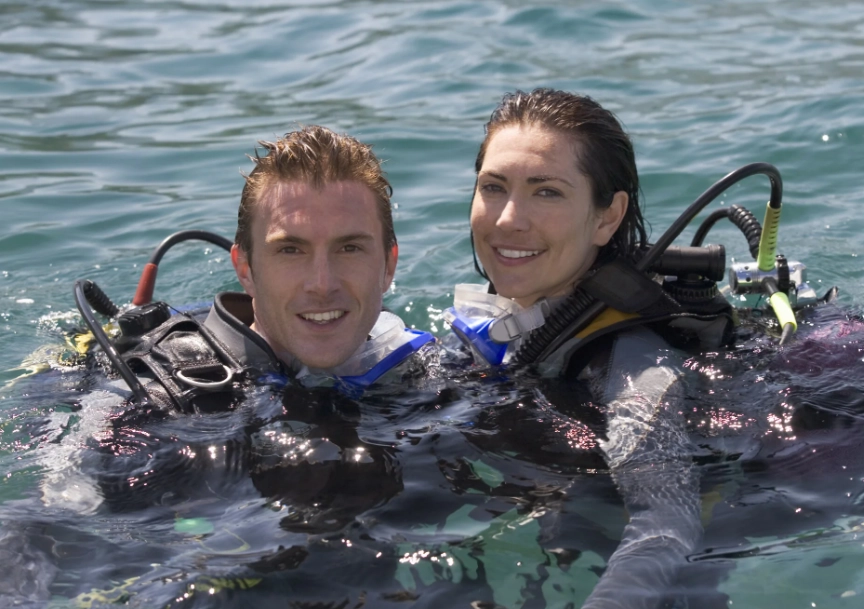
The Seasonal Calendar:
- Summer (June-Aug): Warmer water (60-75°F), but chance of algae blooms reducing visibility. Busiest season.
- Fall (Sept-Oct): Prime Time. Best visibility, still decent temps. My absolute favorite season to dive here.
- Winter/Spring (Nov-May): Drysuit territory. Fewer boats, colder (40-50°F), but the water is often at its clearest. For the dedicated only.
For authoritative historical information on wrecks like the USS Algol, resources like the Naval History and Heritage Command website are fascinating to consult before your dive.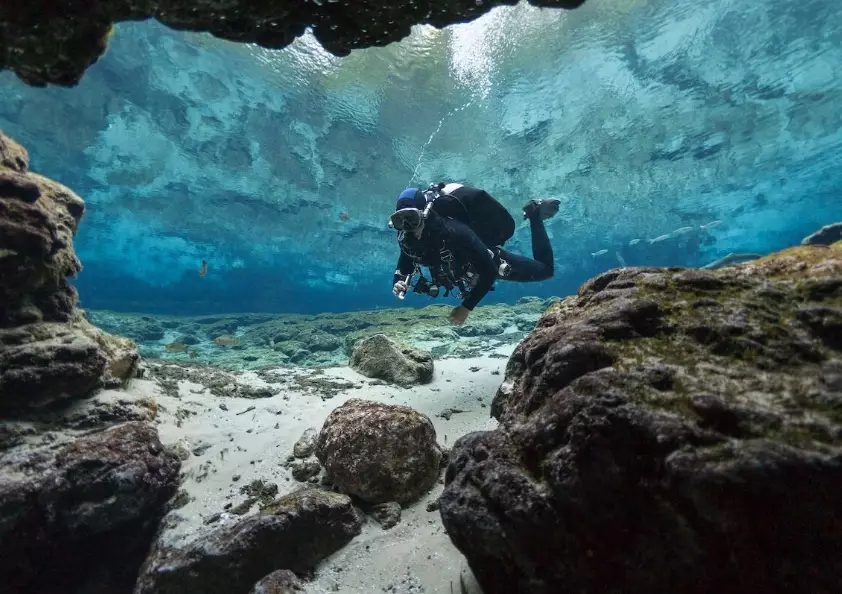
Your Diving Questions Answered
So, is the diving near New Jersey worth it? If you're after pristine coral and 100-foot visibility, maybe not. But if you want adventure, history, and the satisfaction of diving in a challenging environment that's right in your backyard, it's absolutely world-class. Pack your warmest gear, manage your expectations about visibility, and get ready to see a side of the Jersey Shore most people never do—from 80 feet below.
Comments