Let's get this out of the way first: you won't find tropical coral reefs or 100-foot visibility here. If that's your only metric for "best," you might scroll on. But if you're intrigued by history you can touch, the thrill of exploration in your own backyard, and a genuine sense of discovery, then the waters off New York and Long Island hold some of the most rewarding scuba diving on the East Coast.
I've been diving these waters for over a decade. Most weekends from May to October, you'll find me on a charter boat out of Freeport or driving out to Montauk. The community is tight-knit, the conditions are challenging, and the payoffs are absolutely unique. This guide isn't just a list; it's a breakdown of where to go, what to expect, and how to actually pull off a great dive trip without a three-hour flight.
Your Quick Dive Guide
The Wreck Diving Mecca of the "Wreck Valley"
The stretch of ocean south of Long Island, particularly off the coasts of New Jersey and Long Island's south shore, is famously known as "Wreck Valley." Centuries of shipping traffic, storms, and wars have left the seafloor littered with history. This is the main event for local divers.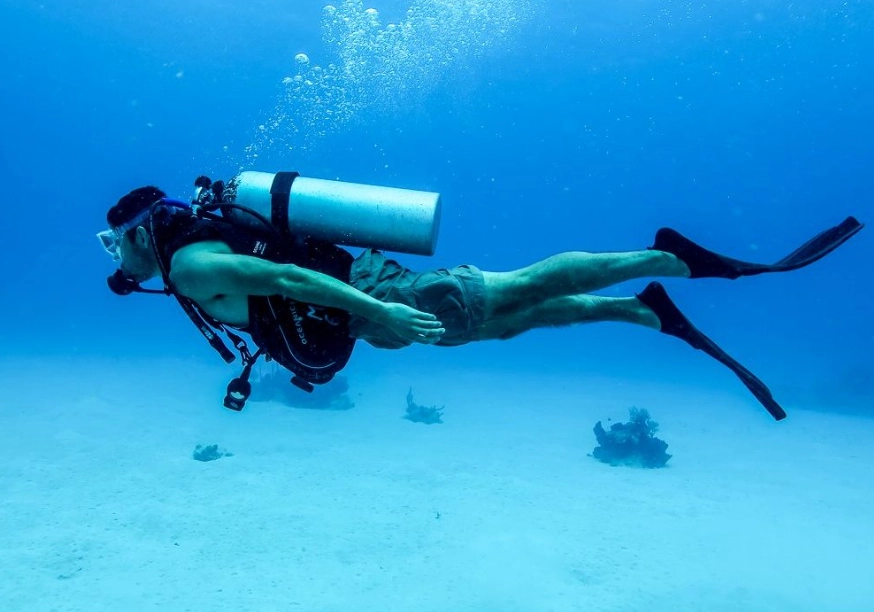
Top-Tier Historic Wrecks
The USS San Diego (ACR-6): This is the crown jewel. A 500-foot-long armored cruiser that sank in 1918 after striking a mine (likely laid by a German U-boat). She sits upright in about 110 feet of water. Swimming along her deck, past massive gun turrets and into open hatches is a humbling experience. The marine life has taken over—massive anemones, schools of blackfish, and lobsters everywhere. You need advanced certs and good air management for this one. Most charters visit her from ports in Fire Island or New Jersey.
The Oregon: Another iconic wreck, a 400-foot steamship that sank in 1886 after a collision. It's broken up but the massive boiler and engine stand tall, creating an incredible artificial reef. Depth ranges from 80 to 115 feet. The relief is spectacular, and it's often less crowded than the San Diego. You'll find huge lingcod and pollock hovering in the structure.
Wreck Diving Reality Check
Visibility on these offshore wrecks is highly variable. On a great day, you might get 40-50 feet. On an average day, it's 15-25 feet. On a bad day, it can be 5 feet or less. This isn't the Caribbean. You dive here for the structures and the history, not crystal-clear vistas. Currents can also be strong, so hooking in with a wreck reel is standard procedure. Always choose a charter captain with a strong local reputation for safety—ask in local dive shops for recommendations.
Shallower & Artificial Reefs
Not ready for 100-foot dives? The area is dotted with shallower wrecks and purpose-sunk artificial reefs.
The "Tanker" (aka The MPL-245): A 175-foot coastal tanker sunk as an artificial reef in 1986 off Long Branch, NJ. It sits in just 65 feet of water, making it perfect for Advanced Open Water divers. It's completely intact and penetrable (with proper training). The life on it is dense—barnacles, mussels, and tons of fish.
Shark River Reef: This isn't a single wreck but a vast artificial reef site off New Jersey, about an hour by boat. It's a collection of old subway cars, army tanks, tugboats, and concrete structures scattered in 50-70 feet of water. It's a fantastic spot for macro photography—look for seahorses, nudibranchs, and rare species of sea robin.
No Boat? No Problem: Accessible Shore Dives
You don't always need a charter. Long Island's geography offers some surprisingly good shore entries, especially for training, refreshers, or a quick dive fix.
Montauk Point State Park ("The Caves" / "The Elbow"): At the very tip of Long Island, the rocky shoreline creates swim-throughs, small caves, and ledges. Depths range from 15 to 40 feet. It's a fantastic spot for seeing marine life—you're almost guaranteed to see a harbor seal or three. They're incredibly curious. Water can be rough, so check conditions and only enter on calm days. There's a parking fee for the state park.
Fire Island Inlet (Robert Moses State Park Area): Several spots along the western end of Fire Island offer sandy bottom dives with occasional structure. It's not glamorous, but it's a reliable place to test gear, practice skills, or hunt for scallops in season. Expect depths of 10-25 feet and occasional surge.
Here's the thing about shore diving here: it's logistics-heavy. You're carrying all your gear from the parking lot, sometimes over sand. There are no dive resorts handing you a tank. It's a workout. But the freedom and low cost are huge perks.
Beyond New York: Worthwhile Day Trip Options
If you're willing to drive 3-4 hours, your options expand significantly. These are perfect for a weekend getaway.
Atlantic City, NJ: The wrecks here are legendary. The SS Atlantus (a concrete ship) and the MV Arundo are two highlights, often with better visibility than further north. Charters out of Atlantic City or Ocean City, NJ are professional and frequent.
Rhode Island & Block Island Sound: A longer drive (4+ hours to Galilee, RI), but worth it for some of the best wreck diving in the Northeast, like the USS Bass and the U-853 (a German U-boat). The water is often clearer, and the dive community is fantastic.
For these, you really need to make a weekend of it. Book a charter and a motel room nearby.
Making It Happen: Logistics & Local Intel
This is where most online guides fail. They list spots but don't tell you how to actually do it.
Season: The core season is June through October. July and August offer the warmest water (60-72°F at the surface, colder at depth). September and October often have the best visibility and fewer boats. Spring dives are colder but can have great life.
Gear: A 7mm wetsuit is the bare minimum. Hood, gloves, and boots are non-negotiable. Most serious local divers use drysuits—it's a game-changer for comfort, especially on multi-dive days or outside peak summer. If you're new to cold water, consider a PADI drysuit course. Rentals are available at most local shops.
Charters & Shops: Don't just show up. Book ahead. Reputable operators include Ocean Magic Charters (Freeport, NY), Down Under Diving Charters (NJ), and Midshore Charters (Montauk). For gear, air fills, and local advice, visit shops like Pan Aqua Diving Center in Scarsdale or Long Island Aquatics in East Rockaway. They're hubs of local knowledge.
One subtle mistake I see: divers fresh from tropical vacations try to use the same weighting here. With a thick wetsuit or drysuit, you need significantly more weight—sometimes 8-10 pounds more. Do a proper buoyancy check in shallow water first.
Local Diver FAQs (The Real Stuff)
The best scuba diving near New York isn't about postcard-perfect scenery. It's about adventure in your own backyard. It's touching a piece of World War I history on the USS San Diego, getting buzzed by a playful seal in Montauk, or finding a perfectly intact teacup in the silt of a 19th-century schooner. It demands more from you—better gear, sharper skills, tolerance for less-than-ideal vis. But the reward is a diving experience that feels earned and deeply personal. Skip the flight. Grab your thickest wetsuit, find a good charter, and go see what's hiding just offshore.
Your comment