Ask ten divers for the best scuba diving places in the world, and you'll get fifteen answers. That's the beauty and the confusion of it. The "best" isn't a single spot—it's a match between your skills, your dreams, and what the ocean decides to show you that day. I've been guiding trips and logging dives for over a decade, from crowded tourist hotspots to spots you need three flights and a shaky boat ride to reach. Let's cut through the hype. Here’s a no-nonsense look at the destinations that consistently deliver mind-blowing underwater experiences, and more importantly, how to actually plan a trip there.
Your Quick Dive Guide
What Really Makes a "Best" Dive Spot?
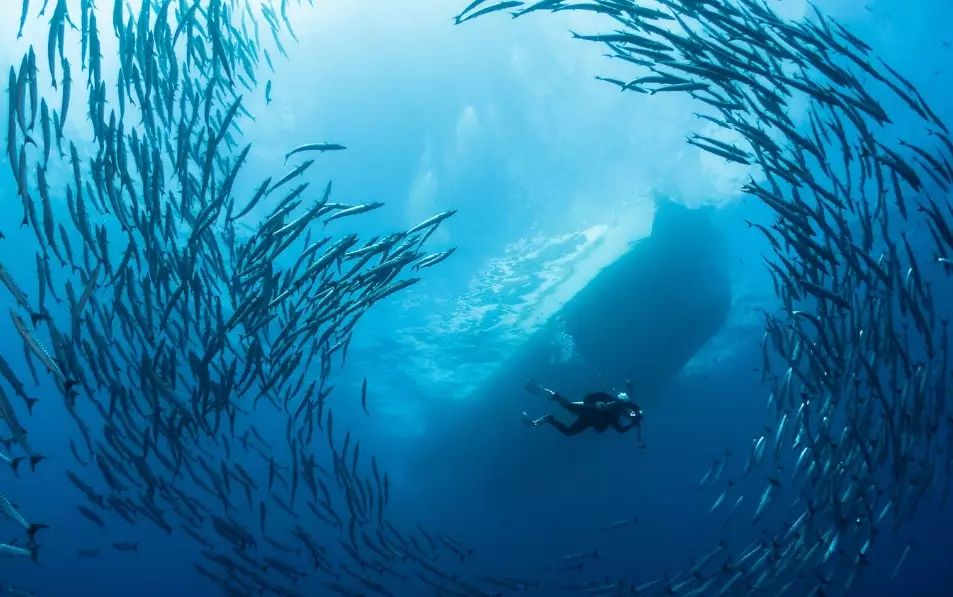
Forget just clear water. The legends—the ones that haunt your Instagram and your dreams—usually combine a few key things. Biodiversity is king. Think the Coral Triangle (Indonesia, Philippines, Papua New Guinea), where you get more fish and coral species in one glance than some whole oceans. Then there's the big animal action. This is where the Galápagos or Socorro Island in Mexico win, with sharks, mantas, and sea lions that make you feel tiny. Unique topography matters too—sheer walls, swim-throughs, and blue holes like in Belize create a sense of adventure.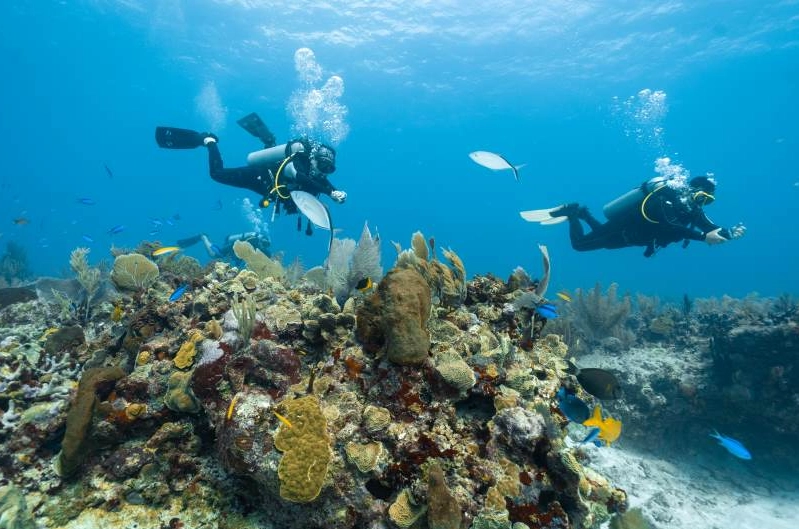
But here's the expert nuance everyone misses: consistency. A site can be amazing one day and dead the next. The true world-class destinations have reliable conditions or resident populations. Also, accessibility vs. preservation is a constant tension. The most pristine sites are often the hardest to reach, which ironically protects them.
A quick note from experience: The "best" dive of my life wasn't in any of the famous places listed below. It was on a mediocre reef in Southeast Asia where a curious octopus spent twenty minutes interacting with me. The location sets the stage, but the magic is often an unscripted moment. Manage your expectations.
Top Dive Destinations: A Deep Dive
Let's get specific. These aren't just names; they're ecosystems with personalities.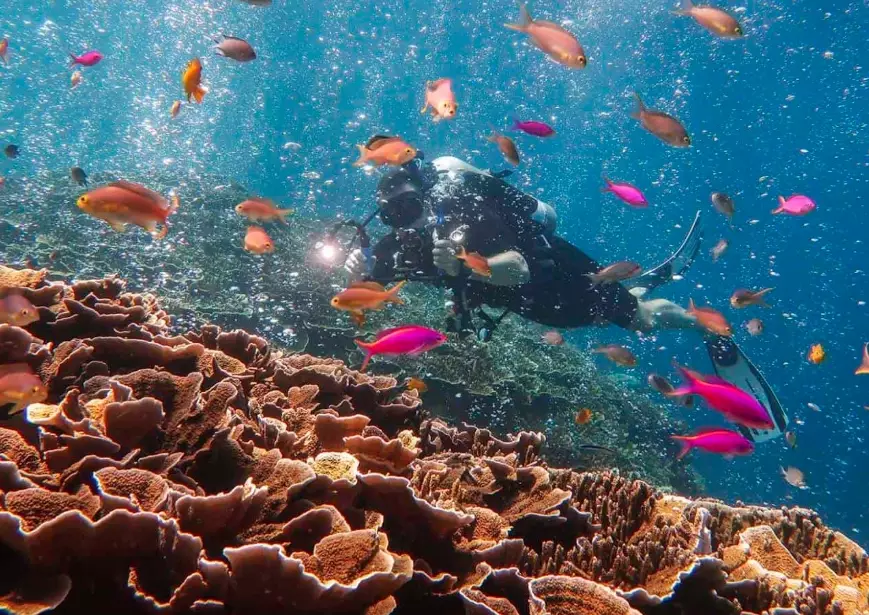
1. The Coral Triangle Epicenter: Raja Ampat, Indonesia
Why it's legendary: Simply put, the highest marine biodiversity on the planet. The numbers are stupid: over 1,500 fish species and 75% of the world's known corals. It's a soft coral garden, a macro photographer's paradise, and a manta ray cleaning station all in one.
Best for: Experienced divers, macro/muck diving lovers, biodiversity nerds.
Getting there: The journey is part of the filter. Fly to Sorong via Jakarta or Makassar. From Sorong, it's a 2-4 hour boat ride to your homestay or liveaboard. This isn't a weekend trip.
The reality check: Currents can be fierce. It's remote—medical facilities are far. This is a trip you save for and plan meticulously. Most visit via liveaboard to access the best sites.
2. The Big Animal Stadium: Galápagos Islands, Ecuador
Why it's legendary: Raw, wild, and pelagic. Schools of hammerhead sharks, whale sharks (seasonally), marine iguanas, and diving with playful sea lions in cold, nutrient-rich waters. It's less about pretty corals and more about jaw-dropping animal encounters.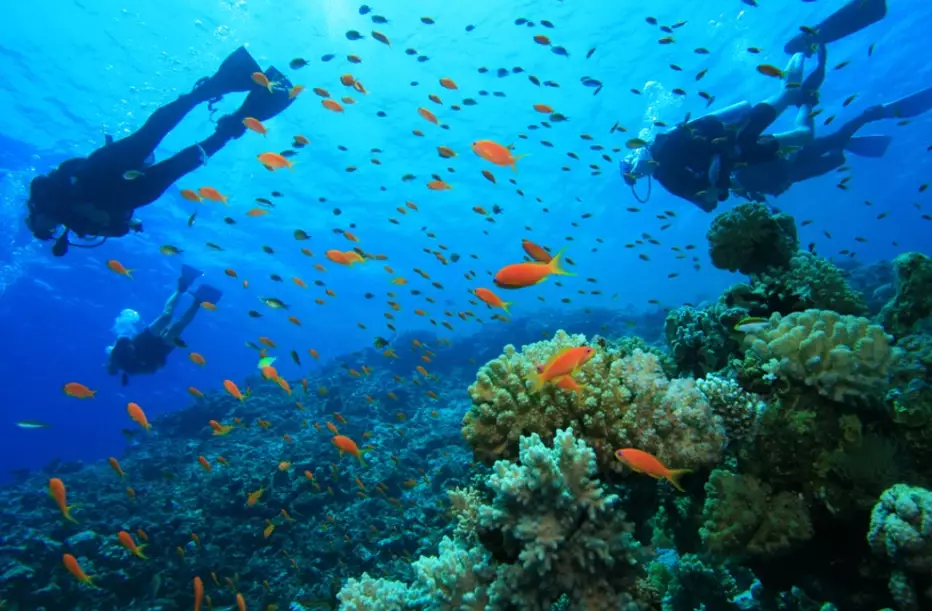
Best for: Advanced divers comfortable in cold water (18-24°C / 64-75°F), strong currents, and sometimes low visibility. This is not a beginner zone.
Getting there: Fly to Quito or Guayaquil in Ecuador, then to Baltra or San Cristóbal island. All serious diving is done from liveaboards, which cruise the different islands. Trips are typically 7-10 days.
The reality check: It's arguably the most expensive diving destination on Earth. The conditions are challenging. You come here for the animals, not the comfort. Book your liveaboard a year in advance.
3. The Wreck Diver's Mecca: Truk Lagoon (Chuuk), Micronesia
Why it's legendary: An entire Japanese WWII fleet sitting on the lagoon floor. Over 60 wrecks, from fighter planes to massive cargo ships, many in shallow, clear water. They're now artificial reefs teeming with life. It's history and diving fused together.
Best for: Wreck diving enthusiasts, history buffs, photographers. Many wrecks are suitable for Open Water divers.
Getting there: A logistical puzzle. Fly to Guam (from Asia or the US), then take a small plane to Chuuk. Limited flight schedules mean planning is key.
The reality check: It's hot, humid, and the land-based infrastructure is basic. You're here for the wrecks, period. The topside experience is minimal.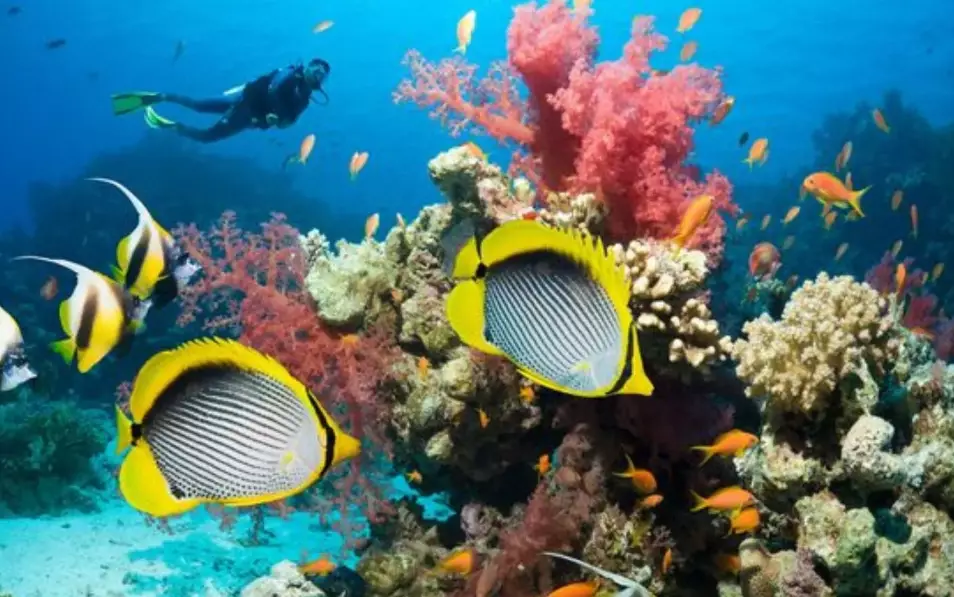
4. The All-Rounder Champion: The Red Sea, Egypt
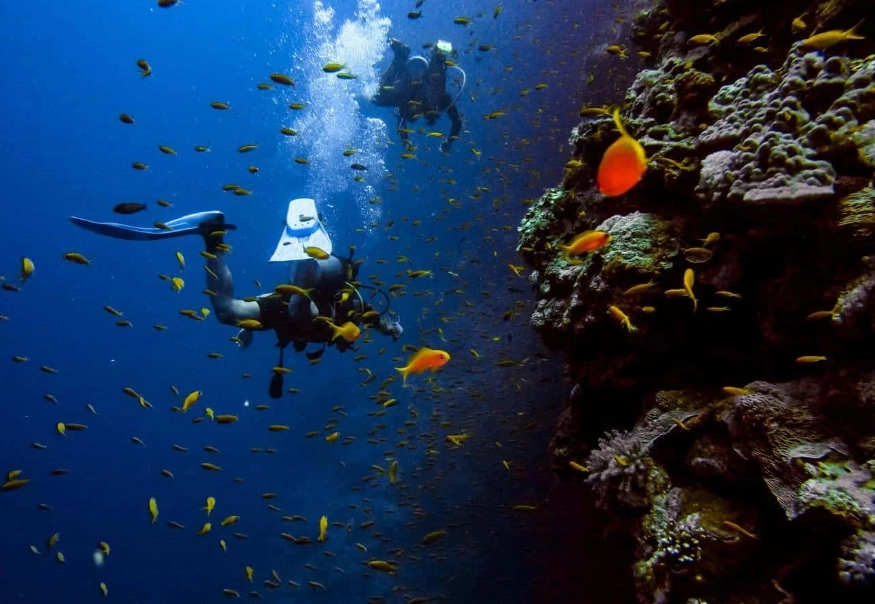
Why it's legendary: Accessibility, variety, and value. Within a few hours' flight from Europe, you have world-class walls, drift dives, and historic wrecks like the SS Thistlegorm. The marine life is abundant, and the water is warm and clear.
Best for: Everyone. Beginners can enjoy sheltered reefs from Sharm el-Sheikh. Advanced divers can head to the remote southern reefs or Brothers Islands via liveaboard for shark action.
Getting there: Direct flights to Hurghada (HRG) or Sharm el-Sheikh (SSH) from many European hubs. Liveaboards depart from these ports or from Marsa Alam.
The reality check: Some northern reefs near Hurghada have suffered from mass tourism. For the best experience, go south or book a liveaboard. Political stability can be a concern—always check your government's travel advisories.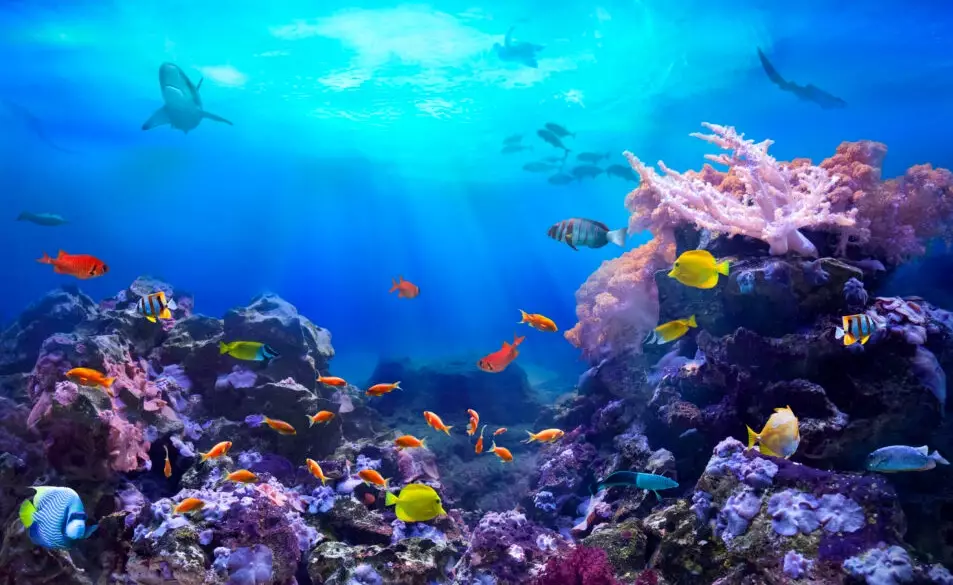
5. The Drift Diving Dream: Palau
Why it's legendary: Famous for its strong, reliable currents that bring in big fish to channels like Blue Corner. It's also home to unique sites like Jellyfish Lake (snorkeling only now, to protect them) and stunning drop-offs.
Best for: Advanced divers comfortable with drift and current diving. Also great for snorkelers.
Getting there: Fly via Seoul, Taipei, or Manila to Palau's Roman Tmetuchl International Airport (ROR).
The reality check: Like many Pacific islands, it's expensive. The currents are no joke—you'll use a reef hook to stay in place and watch the show. Not a relaxing, gentle dive destination.
Matching a Destination to Your Dive Profile
Your logbook and comfort level should choose the destination, not the other way around.
Newly Certified (Open Water): Stick to easy conditions. Think the Bay Islands of Honduras (Utila, Roatán), Cozumel, Mexico (the gentle drift is perfect), or the house reefs of Sharm el-Sheikh, Egypt. Avoid places known for strong currents or deep, mandatory profiles.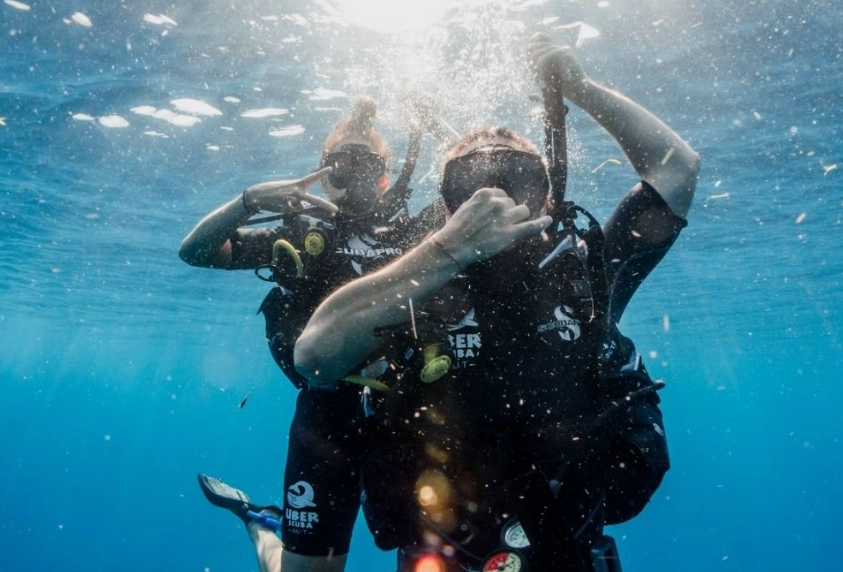
Advanced Adventurer (50+ dives, comfortable in current): The world opens up. Indonesia (Komodo, Raja Ampat), the Malpelo Island in Colombia (shark central), or the southern Red Sea liveaboards are your playground.
Non-Diver Travel Companions: Pick a spot with great topside activities. Belize (beaches, ruins), Hawaii, or Curaçao offer fantastic diving alongside land-based fun. A liveaboard in the Galápagos is a terrible idea if your partner hates boats.
Planning Your Trip: Get This Right
A dream dive trip turns sour with poor planning. Here’s the boring but essential stuff.
Timing is Everything: There's always a season. Want whale sharks in the Galápagos? It's June-November. Manta rays in Raja Ampat? October-April. Monsoons in Southeast Asia can shut down diving (and airports). Research the specific destination's peak and off-peak seasons for both weather and marine life. Shoulder seasons often offer a sweet spot of decent conditions and fewer crowds.
Liveaboard vs. Land-Based: This is the biggest decision. Liveaboards get you to remote sites at the best times (early morning, night dives). They're immersive but intense. Land-based gives you flexibility, saves money if you don't dive every day, and lets you experience local culture. For remote destinations (Socorro, Raja Ampat), a liveaboard is often the only viable option.
Sustainable Diving—It's Not a Buzzword: The best sites are fragile. Choose operators with Green Fins or equivalent affiliations. Don't touch anything—even a gentle fin kick can destroy coral polyps that took decades to grow. Reef-safe sunscreen is non-negotiable now. Be a responsible guest. The diver after you will thank you.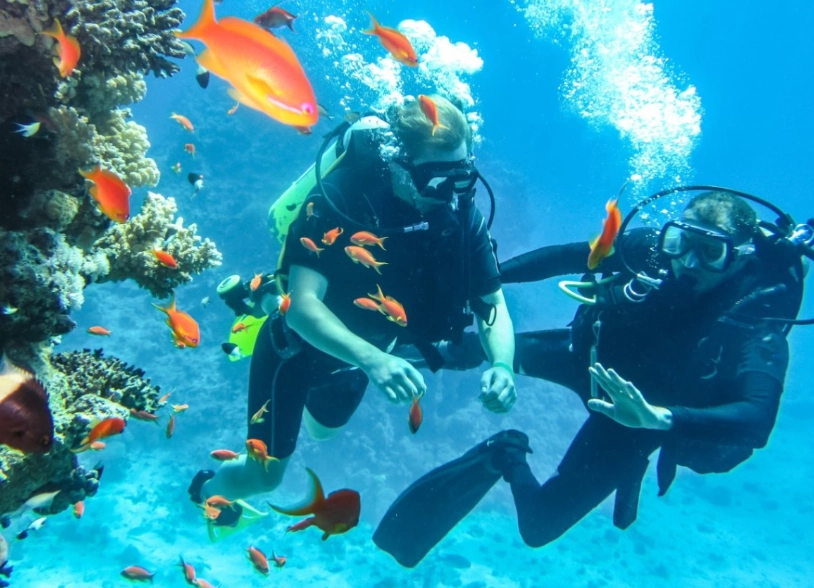
Your Diving Trip Questions Answered
So, what are the best scuba diving places in the world? They're the ones that match your skills, ignite your curiosity, and leave you with a story that's more than just a photo. It might be the chill drift of Cozumel or the heart-pounding current of Blue Corner. Do your homework, plan for the practicalities, and dive responsibly. The ocean's best shows are reserved for those who respect the stage.
Comments