Quick Dive Guide
So, you're wondering what the best scuba diving places in the USA are. I get it—there's a lot of hype out there. After diving across the country for over ten years, I've seen the good, the bad, and the overcrowded. Let me break it down for you without the fluff. The US offers insane variety: warm coral reefs, eerie kelp forests, historic wrecks, and even volcanic landscapes. But picking the right spot can make or break your trip. In this guide, I'll share my top picks, plus some hard-earned tips you won't find on typical tourist sites.
First off, forget the idea that you need to fly to the Caribbean for great diving. Some of my most memorable dives happened right here, from the chilly waters of the Great Lakes to the vibrant shores of Hawaii. I'll cover everything from costs and seasons to those little details like parking and local dive shop quirks. Ready to dive in?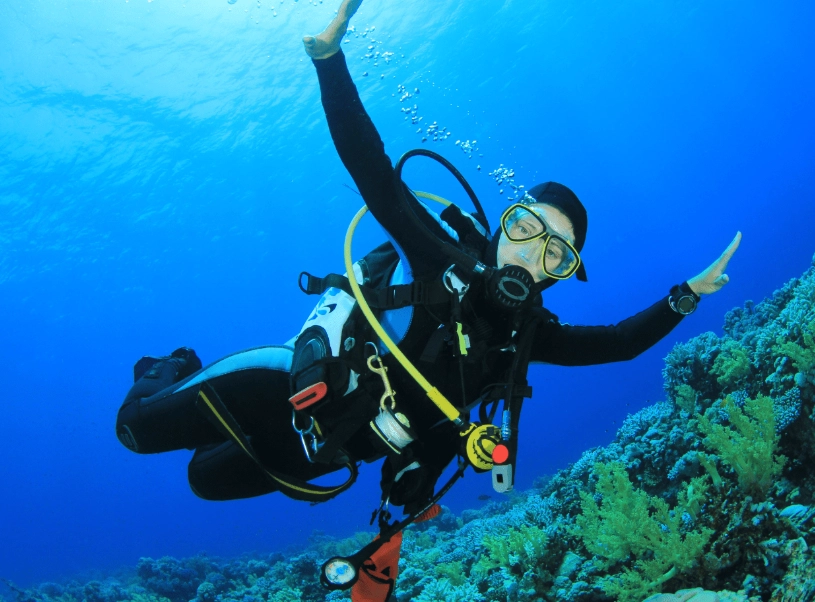
Top Scuba Diving Destinations in the USA
Here are my favorite spots, ranked based on accessibility, marine life, and overall experience. I've included specifics so you can actually plan a trip.
1. Florida Keys: The Coral Kingdom
The Florida Keys are a classic, but they're not all tourist traps. Key Largo is the hub, with John Pennekamp Coral Reef State Park being the crown jewel. Address: 102601 Overseas Hwy, Key Largo, FL 33037. It's the first underwater park in the US. Best time to go: November to April—avoid hurricane season from June to November. Diving costs: around $100-$150 for a two-tank dive, plus gear rental if needed. You can fly into Miami International Airport (MIA) and drive south on US-1 for about an hour. The dive sites here, like Christ of the Abyss, are iconic, but they get packed. I went last March and had to book two weeks ahead. Water temps range from 70°F in winter to 85°F in summer, with visibility often 50-100 feet. For beginners, it's perfect: calm waters and lots of operators. But if you're advanced, ask about the deeper reefs or wrecks like the USS Spiegel Grove.
2. California's Channel Islands: Kelp Forest Adventures
If you want something surreal, head to the Channel Islands off Southern California. The kelp forests are like underwater cathedrals. Access is via boat from Ventura or Santa Barbara harbors. No fixed address, but operators like Truth Aquatics run trips. Season: year-round, but summer and fall (June to October) offer the best visibility—up to 80 feet—and warmer water temps around 60-70°F. Dive trips cost $150-$200 per person for a day trip, including tanks and weights. Fly into Los Angeles (LAX) or Santa Barbara (SBA) and drive to the harbors. I dove here last August and saw giant black sea bass; one was so big it blocked the sun. The downside? It can be chilly, and currents pick up, so intermediate skills are recommended. Also, the boat rides can be rough—take seasickness pills if you're prone.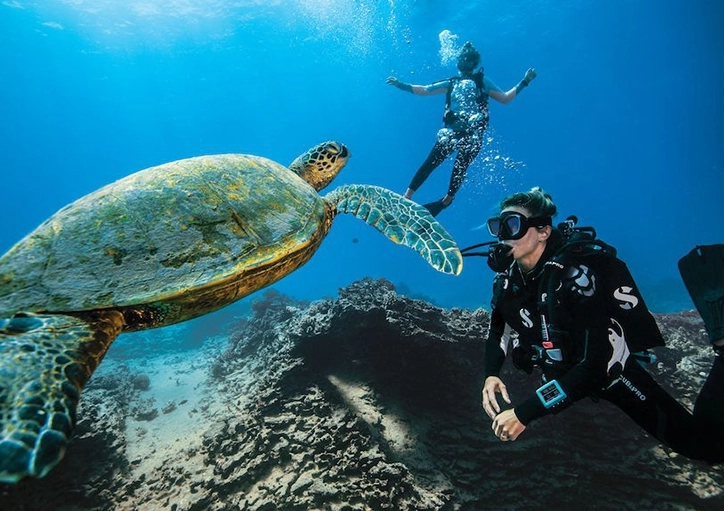
3. Hawaii's Kona Coast: Manta Ray Night Dives
Hawaii's Big Island is famous for its manta ray night dives, and for good reason. Address: dive shops are clustered in Kailua-Kona, like Kona Honu Divers at 74-5583 Luhia St. Best time: anytime, really, but winter (December to February) brings bigger swells, which can affect visibility. Diving costs: $120-$180 for a night dive, including gear. Fly into Kona International Airport (KOA). The mantas feed on plankton attracted by lights—it's a magical experience. I did this dive three years ago, and one ray glided inches from my face. Pro tip: avoid flash photography; it scares them. Day dives here also offer volcanic formations and tropical fish. For advanced divers, ask about the blackwater dives off the coast.
4. Great Lakes Wrecks: Freshwater Time Capsules
Don't overlook the Great Lakes for wreck diving. Sites like the SS Edmund Fitzgerald in Lake Superior (for tech divers only due to depth) or the shallower wrecks in Lake Michigan near Milwaukee. Address: for example, the wreck of the Rouse Simmons in Lake Michigan, accessible from Sheboygan, WI. Best time: late summer to early fall (August to October) when water temperatures peak around 50-60°F. Diving costs: $80-$120 for a guided wreck dive, plus drysuit rental if you don't have one. Fly into Chicago (ORD) or Milwaukee (MKE) and drive. I tried a wreck in Lake Huron once—the cold was brutal, but seeing a preserved schooner from the 1800s was worth it. Visibility can be poor, around 20-40 feet, so bring a good light. This is for advanced divers due to cold and potential overhead environments.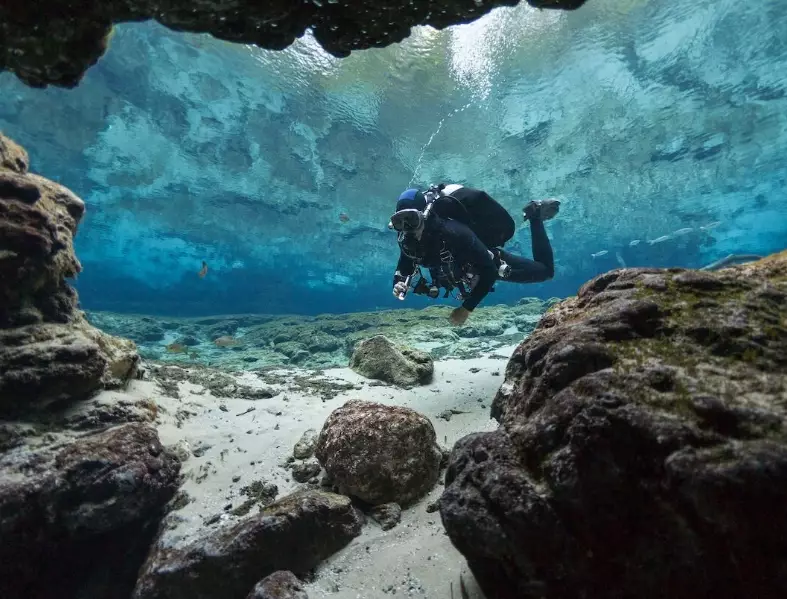
5. Texas Flower Garden Banks: Hidden Coral Oasis
The Flower Garden Banks National Marine Sanctuary off the Texas coast is a hidden gem. Address: accessed via boat from Galveston or Freeport, TX. Best time: May to September when seas are calmest. Diving costs: $200-$300 for a liveaboard day trip, as it's about 100 miles offshore. Fly into Houston (IAH) and drive to the port. The coral reefs here are pristine, with massive brain corals and schools of fish. I visited last June and was blown by the clarity—up to 100 feet. But it's remote, so trips book fast. Only a few operators run here, like Flower Garden Banks National Marine Sanctuary charters. Suitable for intermediate to advanced divers due to depth and boat logistics.
Comparison Table: Quick Glance at Top USA Dive Spots
| Destination | Best Season | Avg Cost per Dive | Skill Level | Key Feature |
|---|---|---|---|---|
| Florida Keys | Nov-Apr | $100-$150 | Beginner to Advanced | Coral reefs, Christ statue |
| California Channel Islands | Jun-Oct | $150-$200 | Intermediate to Advanced | Kelp forests, sea lions |
| Hawaii Kona Coast | Year-round | $120-$180 | Beginner to Advanced | Manta ray night dives |
| Great Lakes Wrecks | Aug-Oct | $80-$120 | Advanced (Tech) | Historic wrecks, cold water |
| Texas Flower Garden Banks | May-Sep | $200-$300 | Intermediate to Advanced | Pristine coral, remote |
Diving Conditions and What to Expect
Diving in the USA isn't just about picking a spot; you need to know what you're getting into. Water temperatures vary wildly. In Florida, it's tropical—70-85°F, so a 3mm wetsuit works most of the year. California and the Great Lakes are colder: 50-70°F, requiring a 7mm wetsuit or drysuit. I made the mistake of using a 5mm in California once and shivered through the dive. Visibility ranges from 20 feet in the Great Lakes to over 100 feet in Hawaii or Texas. Currents can be strong in places like California's Channel Islands or Hawaii's coast—always check with local divers before jumping in.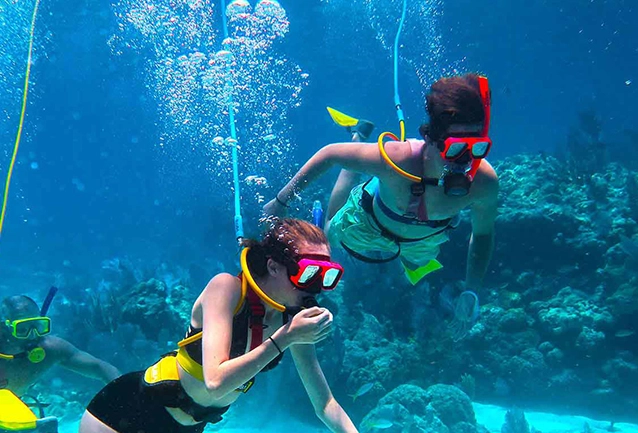
Marine life is diverse. In Florida, you'll see parrotfish, angelfish, and maybe turtles. California has kelp, sea lions, and occasional sharks. Hawaii offers tropical fish, mantas, and dolphins. The Great Lakes have freshwater species like trout and perch, but the wrecks are the main attraction. I've had dives where I saw nothing but silt, and others where a whale shark passed by (rare, but it happens in Hawaii). Be prepared for surprises.
Personal take: Some dive operators in touristy areas like Florida Keys can overcharge. I once paid $200 for a mediocre dive with crowded boats. Always read recent reviews and ask about group size—smaller groups mean better experience.
How to Plan Your USA Diving Trip
Planning a dive trip here requires more than just booking flights. Here's a step-by-step based on my own blunders.
Step 1: Match Your Skill Level. If you're a beginner, stick to Florida or Hawaii's calm sites. Advanced divers can explore wrecks or drift dives. I've seen intermediate divers struggle in California currents because they overestimated their abilities.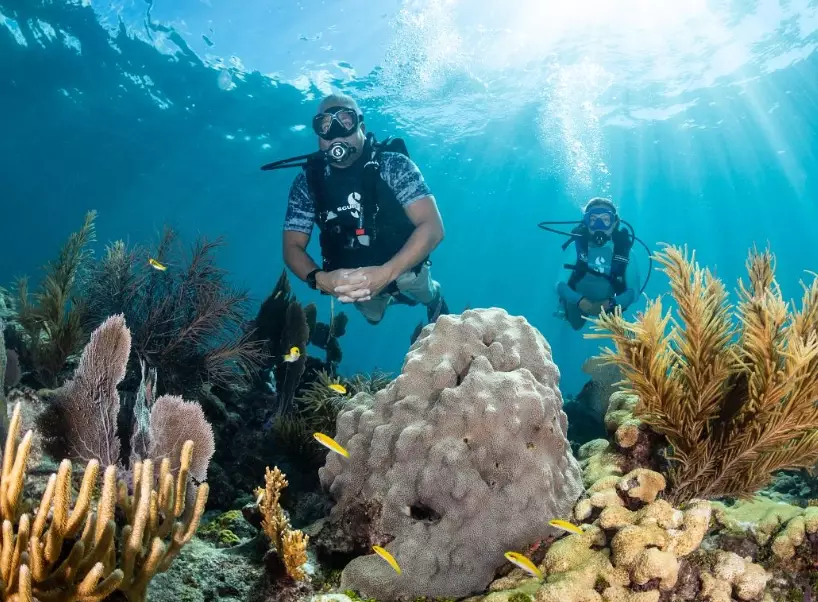
Step 2: Budget Realistically. A typical USA diving trip costs $500-$1500 per person for a long weekend, including dives, gear, and accommodation. Flights add up. To save, travel off-season or use points. I saved $300 on my last Hawaii trip by diving mid-week and staying in a condo instead of a resort.
Step 3: Book in Advance. Popular spots like the Florida Keys or Channel Islands fill up fast, especially in peak season. I recommend booking dives at least a month ahead. For remote sites like Texas Flower Garden, book 3-6 months early.
Step 4: Check Regulations. Some areas, like California's marine protected zones, require permits or have no-take rules. The National Oceanic and Atmospheric Administration (NOAA) website has details. I got fined once in California for touching kelp—learn from my mistake.
Step 5: Pack Smart. Bring certification cards, logbooks, and appropriate gear. If diving cold water, consider renting a drysuit locally. I always pack a dive light and SMB (surface marker buoy) for safety.
Imagine you're a family planning a dive vacation. Florida Keys might be ideal: easy dives for kids, and non-divers can snorkel or kayak. For a solo advanced diver, the Great Lakes offer unique challenges.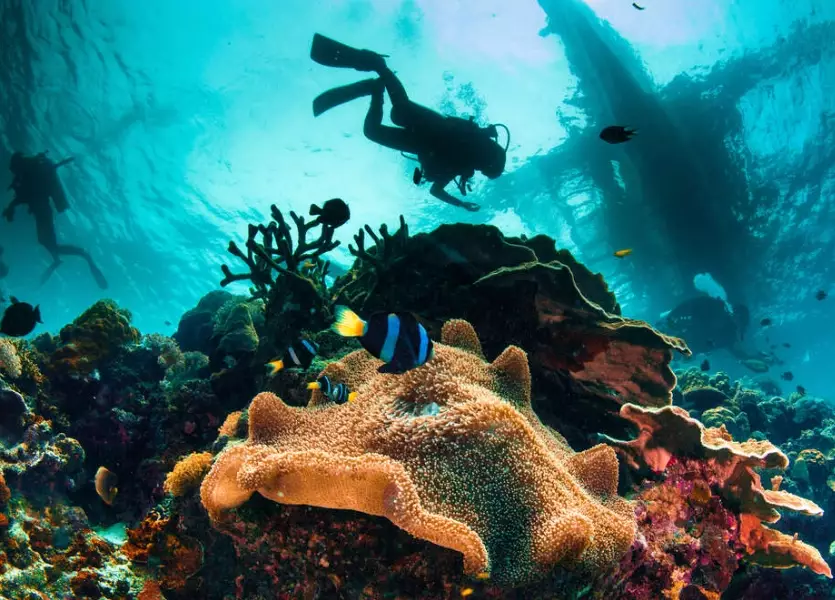
Frequently Asked Questions
Wrapping up, the best scuba diving places in the USA offer something for everyone, from warm reefs to chilly wrecks. My biggest advice: do your homework, match the site to your skills, and don't be afraid to ask locals for tips. Diving here has given me some of my best underwater memories, and with this guide, you can avoid the pitfalls. Now go plan that dive—the ocean's waiting.

Comments