If you're new to scuba diving and searching for the perfect spot to take the plunge, you've come to the right place. I've been diving for over a decade, and let me tell you, choosing the wrong location can turn a dream into a nightmare. This guide cuts through the noise to list the top beginner-friendly dive destinations worldwide, based on calm conditions, safety, and sheer beauty. We'll cover everything from specific site details to hidden gems, so you can plan your trip with confidence.
Quick Navigation: What's Inside This Guide
What Makes a Dive Site Beginner-Friendly?
Not all dive sites are created equal for newbies. From my experience, beginners thrive in places with these key features:
- Calm, Protected Waters: Minimal currents and waves reduce stress. Think lagoons or sheltered bays.
- High Visibility: Clear water (over 15 meters visibility) helps you see marine life and stay oriented.
- Shallow Depths: Sites under 18 meters allow longer dive times and easier ascents.
- Abundant but Non-Threatening Marine Life: Colorful fish, coral gardens—nothing too aggressive.
- Professional Dive Operators: Look for PADI or SSI-certified centers with small group sizes. I once dove in a crowded spot with poor supervision, and it felt chaotic. Trust me, a good operator makes all the difference.
Many beginners obsess over seeing sharks or deep wrecks, but that's a mistake. Focus on mastering buoyancy and breathing first. The best spots for that are often overlooked.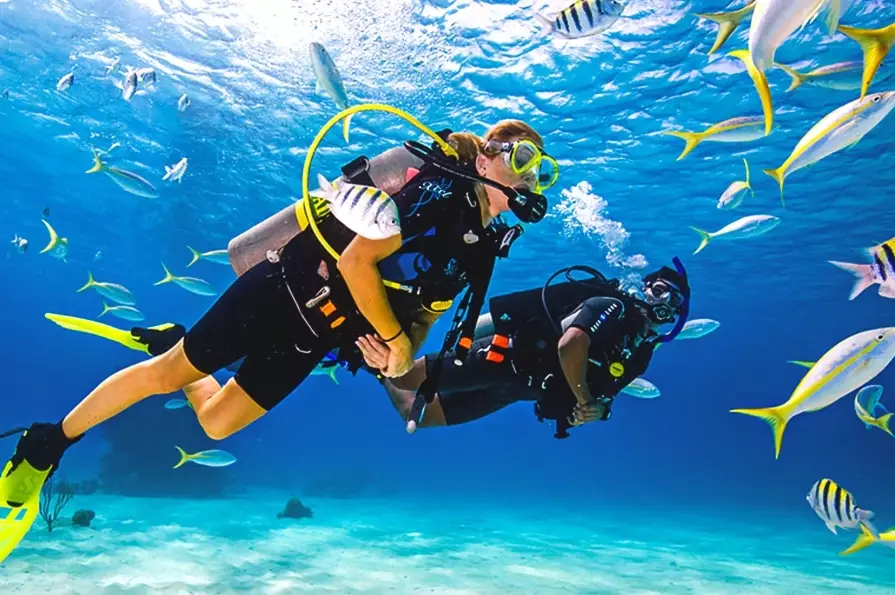
Top 5 Scuba Diving Destinations for Beginners
Here are my top picks, based on personal dives and feedback from fellow instructors. Each includes practical info to help you plan.
1. Bali, Indonesia
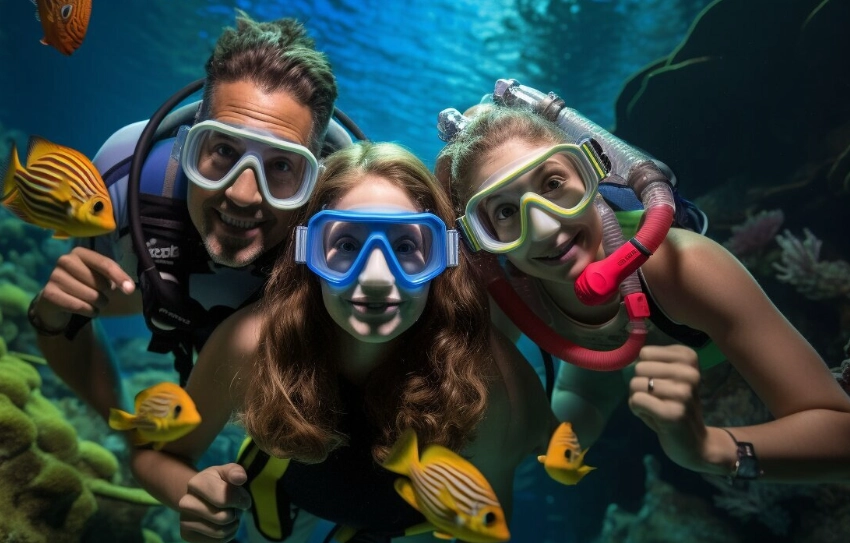
Bali is a paradise for new divers. The southern coast around Sanur and Nusa Dua offers gentle slopes and warm waters year-round. I spent a month there teaching beginners, and the vibe is relaxed.
- Best Dive Sites: Tulamben (USAT Liberty wreck—shallow and easy), Amed (calm bays).
- Best Time to Visit: April to October for dry season; visibility up to 30 meters.
- Water Conditions: Temperature 27-30°C, visibility 15-30 meters.
- Typical Cost: A two-tank dive costs around $80-100 USD, including gear. Check operators like Bali Scuba for packages.
- Getting There: Fly into Ngurah Rai Airport (Denpasar). Sanur is a 30-minute taxi ride away. Public ferries go to nearby islands.
- Why It's Great: Affordable, diverse marine life, and many English-speaking guides. But avoid July-August if you hate crowds.
2. Great Barrier Reef, Australia
The Great Barrier Reef is iconic, but for beginners, stick to the inner reefs near Cairns. They're protected and teeming with life.
- Best Dive Sites: Norman Reef, Saxon Reef—shallow coral gardens.
- Best Time to Visit: June to October for cooler, clearer water.
- Water Conditions: Temperature 24-29°C, visibility 10-25 meters.
- Typical Cost: Day trips from Cairns start at $150 AUD, including gear and meals. Operators like Pro Dive Cairns are reputable.
- Getting There: Fly to Cairns Airport. Most tours depart from the marina, a short taxi ride away.
- Why It's Great: Supervised introductory dives, eco-friendly options. However, it's pricey, and some areas suffer from coral bleaching—choose operators supporting reef conservation.
3. Red Sea, Egypt
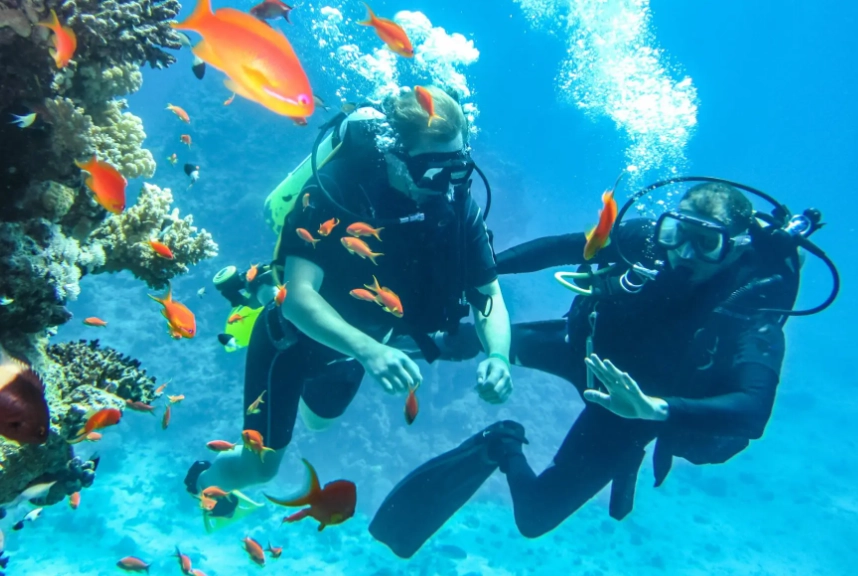
Sharm el-Sheikh and Hurghada offer calm, clear waters perfect for first-timers. The marine life is stunning, and it's budget-friendly.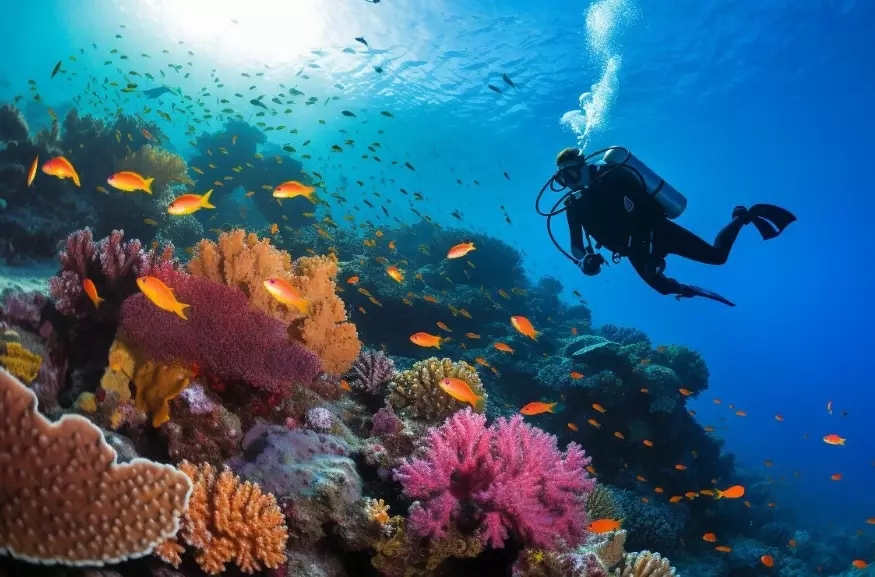
- Best Dive Sites: Naama Bay (Sharm el-Sheikh), Giftun Island (Hurghada)—shallow reefs.
- Best Time to Visit: March to May or September to November for mild weather.
- Water Conditions: Temperature 22-28°C, visibility 20-40 meters.
- Typical Cost: A single dive costs around $50-70 USD, with gear. Look for centers certified by the Egyptian Diving Federation.
- Getting There: Fly to Sharm el-Sheikh or Hurghada airports. Resorts often offer shuttle services.
- Why It's Great: Warm water year-round, excellent visibility. But political stability can vary—check travel advisories from sources like the UK Foreign Office.
4. Hawaii, USA
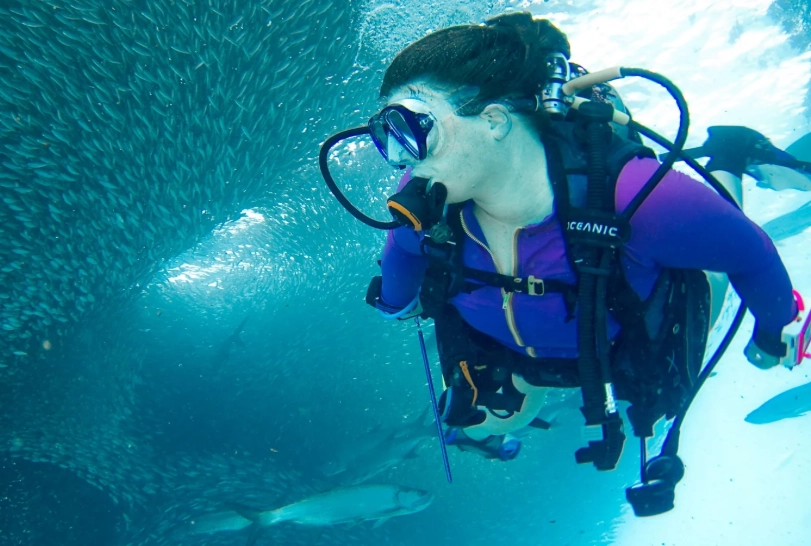
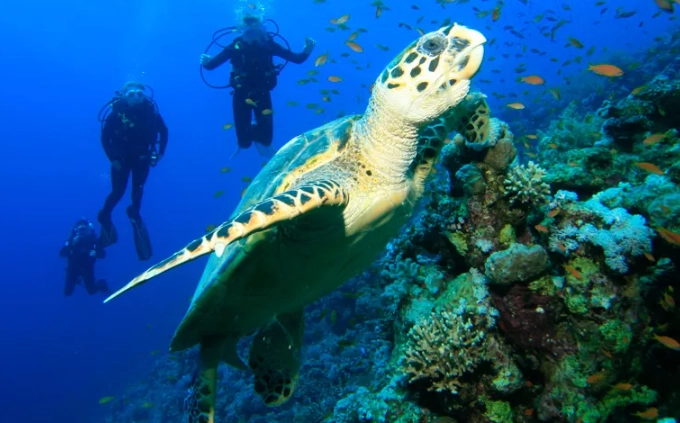
Hawaii's Big Island and Oahu have gentle sites with sea turtles and rays. The infrastructure is top-notch for beginners.
- Best Dive Sites: Hanauma Bay (Oahu—snorkeling and easy dives), Kealakekua Bay (Big Island).
- Best Time to Visit: May to September for calm seas.
- Water Conditions: Temperature 24-27°C, visibility 15-30 meters.
- Typical Cost: A two-tank dive runs $120-150 USD. Operators like Jack's Diving Locker are highly rated.
- Getting There: Fly to Honolulu or Kona airports. Car rentals are useful for remote sites.
- Why It's Great: Safe, well-regulated, and great for families. However, it's expensive, and some sites require advance bookings.
5. Maldives
For a luxury start, the Maldives' atolls offer house reefs accessible from resorts. It's pricier but unforgettable.
- Best Dive Sites: North Male Atoll, Ari Atoll—shallow lagoons.
- Best Time to Visit: November to April for dry season and best visibility.
- Water Conditions: Temperature 27-30°C, visibility 20-35 meters.
- Typical Cost: Dives start at $100 USD per dive, plus resort fees. Many all-inclusive packages include diving.
- Getting There: Fly to Male International Airport, then take a speedboat or seaplane to your resort.
- Why It's Great: Pristine conditions, minimal currents. But it's remote and costly—ideal for those willing to splurge.
Quick Comparison Table: Here's a snapshot to help you decide based on budget and vibe.
| Destination | Best For | Avg. Cost per Dive | Ideal Season |
|---|---|---|---|
| Bali, Indonesia | Affordability & Diversity | $40-50 USD | Apr-Oct |
| Great Barrier Reef, Australia | Eco-Conscious Learning | $100-120 AUD | Jun-Oct |
| Red Sea, Egypt | Budget-Friendly Clarity | $50-70 USD | Mar-May / Sep-Nov |
| Hawaii, USA | Safety & Family Trips | $120-150 USD | May-Sep |
| Maldives | Luxury & Seclusion | $100+ USD | Nov-Apr |
How to Plan Your First Scuba Diving Trip
Planning is key to a smooth experience. Here's a step-by-step approach I wish I had as a beginner.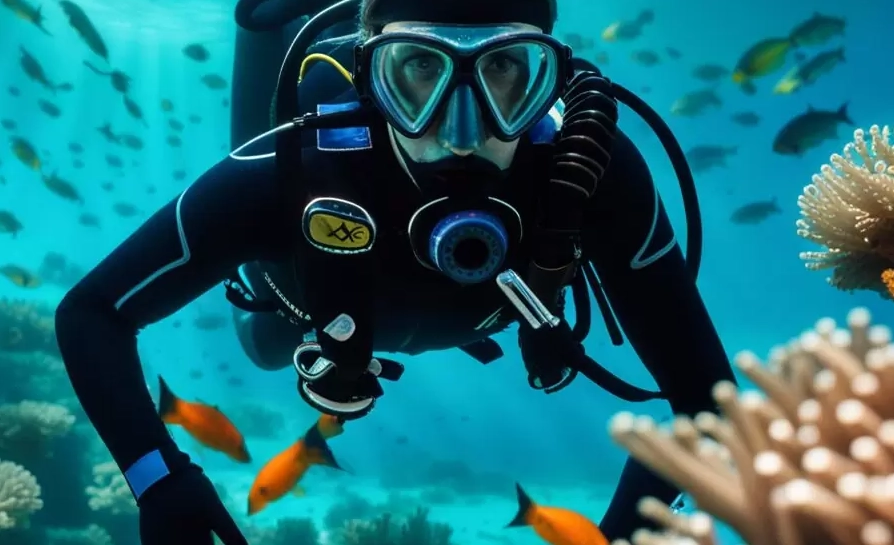
Step 1: Get Certified Locally First. Don't wait to do your open water course at the destination. It's cheaper and less stressful at home. Find a PADI or SSI shop near you—they often have pool sessions to build confidence.
Step 2: Choose Your Destination Based on Your Comfort Level. If you're nervous about currents, pick Bali or Hawaii. On a tight budget? Egypt or Bali work well. Use the table above as a starting point.
Step 3: Book with Reputable Operators. Look for reviews on TripAdvisor or diving forums. Small groups (6 divers max) are better. I once dove with a crowded boat, and the guide couldn't help everyone—it felt unsafe.
Step 4: Pack Smart. Bring a mask that fits (rentals can leak), sunscreen, and a logbook. Don't overpack gear; most operators provide it.
Step 5: Consider Travel Insurance. Dive-specific insurance like DAN is worth it for emergencies. I've seen beginners skip this and regret it after minor injuries.
Common Mistakes Beginners Make (And How to Avoid Them)
After teaching hundreds of new divers, I've noticed patterns that aren't often discussed.
Mistake 1: Chasing Depth Over Skills. New divers often want to go deep fast. But mastering buoyancy in shallow water is crucial. Spend extra time in pools or calm bays—it prevents ear issues later.
Mistake 2: Ignoring Local Conditions. Check seasonal weather reports. For example, the Red Sea can have strong winds in winter. Consult resources like the National Oceanic and Atmospheric Administration for regional data.
Mistake 3: Overlooking Fitness. Diving isn't just swimming; it requires decent cardio. I've seen beginners struggle with surface swims. Do some light jogging or swimming before your trip.
Mistake 4: Skipping the Briefing. Always attend dive briefings. They cover safety procedures and site specifics. One time, a diver missed the briefing and got lost—it caused a panic.
Mistake 5: Not Asking Questions. If you're unsure about gear or procedures, speak up. Good instructors appreciate curiosity. It's your safety on the line.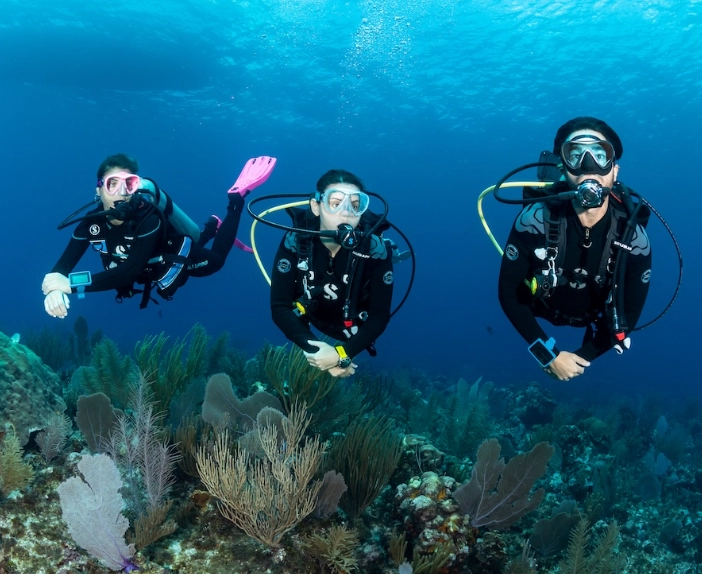

Comments