Ask ten divers about the best place in the world to scuba dive, and you might get eleven different answers. That's the beauty of it. "Best" is deeply personal. For some, it's about being surrounded by hundreds of sharks. For others, it's exploring a perfectly preserved WWII wreck or floating over a coral garden teeming with tiny, colorful critters. There is no single "best" spot, but there are a handful of destinations that consistently top the lists of seasoned pros and wide-eyed beginners alike. This isn't just a list; it's a guide to finding your personal underwater nirvana.
Your Dive Trip Blueprint
What Makes a Dive Destination "The Best"?
Before we jump in, let's set the criteria. A world-class dive spot usually ticks several of these boxes:
- Marine Biodiversity: The sheer variety and density of life. Think coral triangle epicenters.
- Unique or Iconic Encounters: Guaranteed sightings of specific megafauna (whale sharks, mantas, hammerheads) or access to unique sites like massive wrecks or underwater caves.
- Water Clarity & Conditions: Reliably good visibility and manageable currents (unless you're an adrenaline junkie).
- Accessibility & Infrastructure: Can you get there? Are there reputable dive operators, comfortable liveaboards, and safe practices?
- The "X-Factor": That intangible feeling of awe. The dive that gives you goosebumps years later.
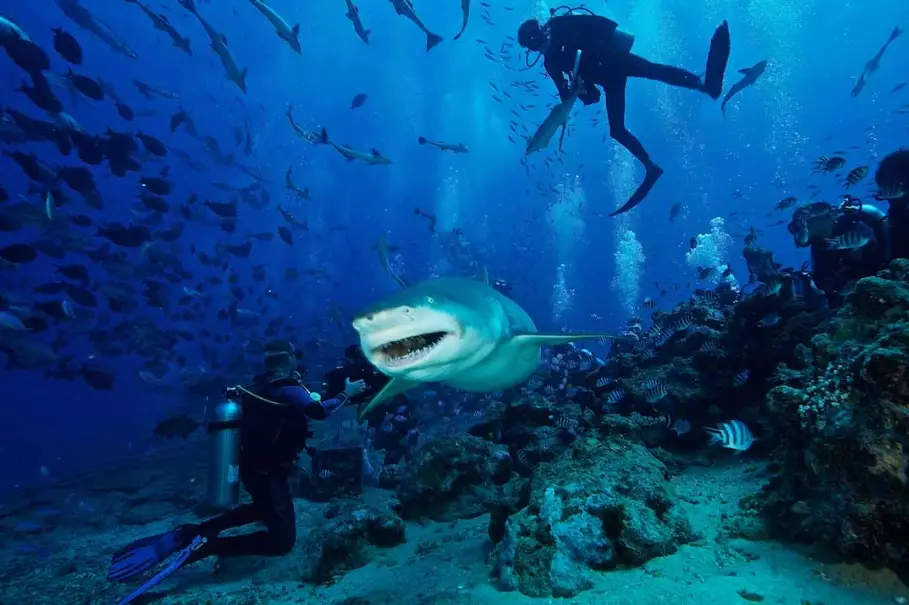
A quick reality check from someone who's been doing this for 15 years: The "best" dive of your life might not be at the most famous site. It could be a random reef on a slow day where a curious octopus decided to play with you for ten minutes. Chase experiences, not just checklists.
The Heavyweight Contenders for World's Best Diving
These destinations are legendary for a reason. They represent the pinnacle of different diving styles.
1. Raja Ampat, Indonesia: The Biodiversity Supernova
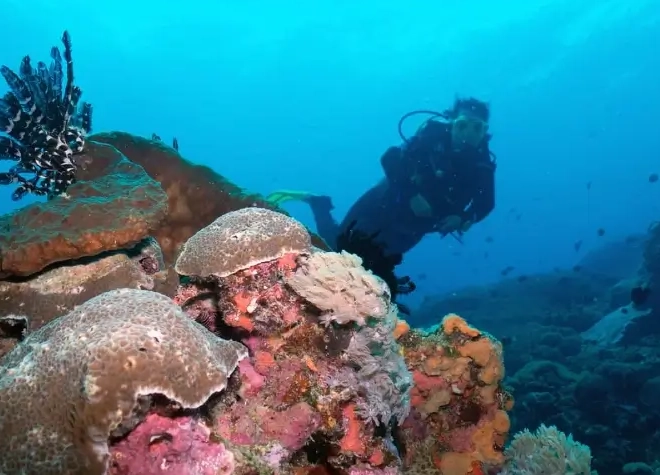
If you're asking about the healthiest, most mind-bogglingly diverse reef systems on the planet, many scientists and pros will point here. Located off the coast of West Papua, Raja Ampat sits in the heart of the Coral Triangle. We're talking over 1,500 fish species and 75% of the world's known coral species. The diving isn't about big, scary stuff—it's about an overwhelming abundance of life. Every square inch is occupied.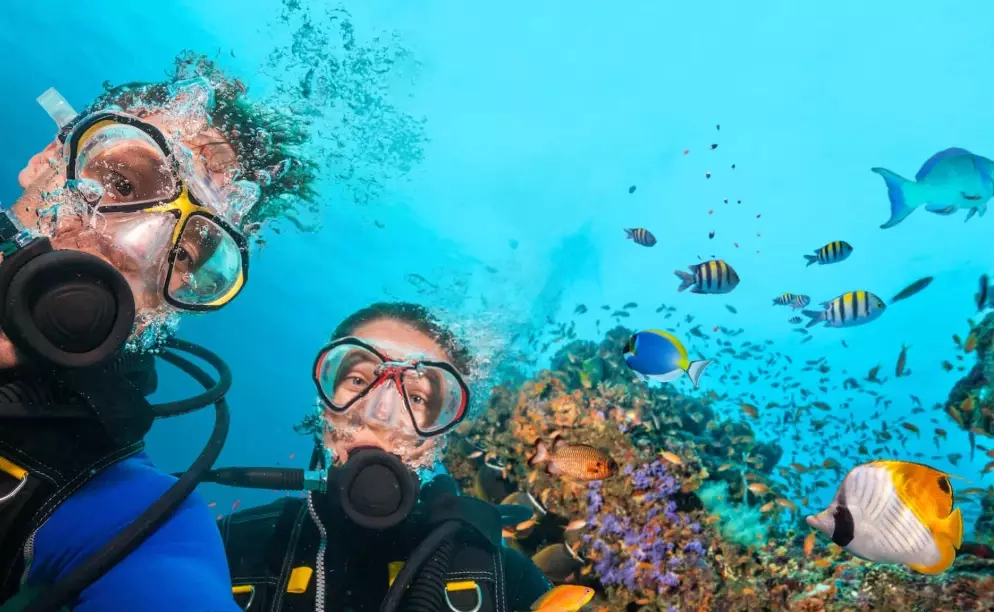
Getting there: It's a journey. Fly to Sorong via Jakarta or Makassar. From Sorong, you take a ferry to Waisai on Waigeo Island. The most common (and best) way to dive it is via liveaboard, which can range from budget to ultra-luxury, accessing remote sites. A 7-night liveaboard typically starts around $2,500 USD per person.
Don't miss: The manta ray cleaning stations at Arborek Jetty, the gentle slopes of Cape Kri (where a single dive can yield 300+ fish species), and the stunning coral gardens of Misool in the south.
2. The Red Sea, Egypt: The All-Rounder Champion
For Europeans and many others, the Red Sea is the accessible, reliable, and spectacular workhorse. It offers something for everyone: wrecks, reefs, sharks, and drifts. The northern routes (from Sharm El-Sheikh or Hurghada) offer incredible wrecks like the SS Thistlegorm, a WWII time capsule. The southern routes (often from Marsa Alam) are famous for pelagic action—oceanic whitetip sharks at Elphinstone, schooling hammerheads at the Brothers Islands.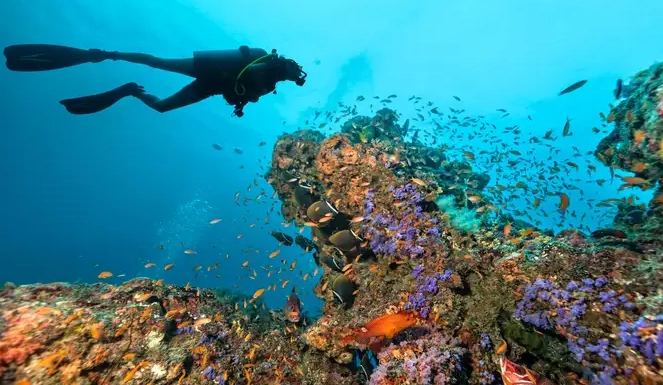
Getting there: Direct flights to Hurghada (HRG) or Sharm El-Sheikh (SSH) from many European hubs. A 7-night liveaboard in the Red Sea is one of the best value premium diving experiences, with prices often between $1,200 - $2,500.
My take: The Thistlegorm is incredible, but it can be a circus. For a more serene wreck experience, try the less-visited Rosalie Moller or the Umbria. And if you want sharks, the southern routes in July-September are your best bet.
3. Palau, Micronesia: The Adventure Playground
Palau is a collection of over 500 islands famous for its unique geological formations and mandatory conservation ethos (you sign the Palau Pledge on arrival). It's home to Jellyfish Lake (snorkeling only now to protect the jellies), but its diving is defined by channels and walls. German Channel is a famous manta cleaning station. But the crown jewel is Blue Corner, a legendary drift dive where sharks, Napoleon wrasse, and eagle rays congregate in strong currents. Divers often use "reef hooks" to stay in place and watch the show.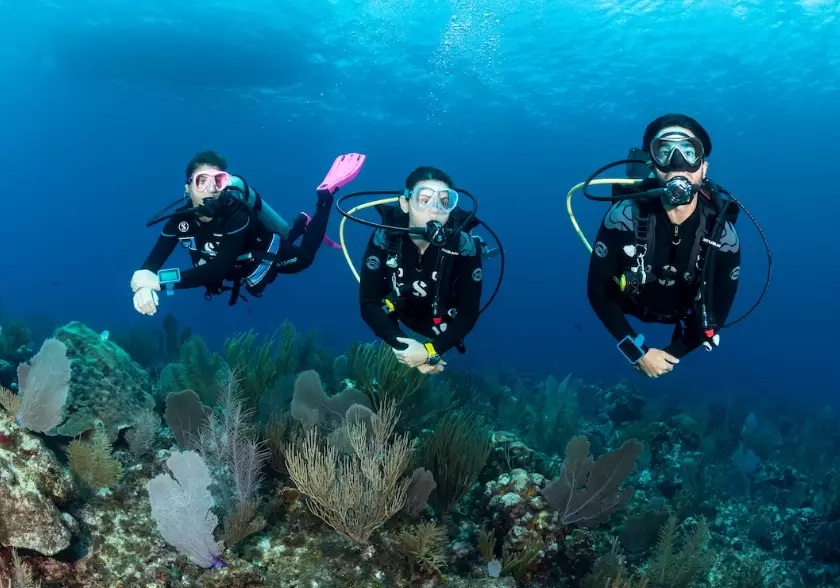
Getting there: Flights via Manila, Taipei, or Seoul into Roman Tmetuchl International Airport (ROR). Diving is primarily done via day boats from Koror. It's not cheap—a 10-dive package can run $600-$800, plus the $100 Palau Reef Fee.
| Destination | Best For | Peak Season | Budget Estimate (1 week diving) | Skill Level |
|---|---|---|---|---|
| Raja Ampat, Indonesia | Biodiversity, Macro Life, Pristine Reefs | Oct - April | $2,500 - $5,000+ (Liveaboard) | Intermediate to Advanced |
| Red Sea, Egypt | Wrecks, Sharks, Value Liveaboards | May - Oct (South), Year-round (North) | $1,200 - $3,000 (Liveaboard) | Beginner to Advanced (site dependent) |
| Palau, Micronesia | Strong Currents, Shark Action, Unique Sites | Nov - June | $1,800 - $3,000 (Day Boats + Lodging) | Intermediate to Advanced |
| Cocos Island, Costa Rica | Big Animal Encounters, Hammerhead Schools | May - Nov | $5,000 - $7,000 (Liveaboard Only) | Advanced |
Beyond the Classics: Stellar Alternatives
Maybe you want to avoid the crowds or seek a different vibe. These spots are equally world-class.
For Serious Wreck Divers: Truk Lagoon (Chuuk), Micronesia. This is the undisputed champion. Over 60 WWII Japanese ships and aircraft lie in clear, shallow water. It's a haunting, history-filled museum. You need a week on a liveaboard here to scratch the surface.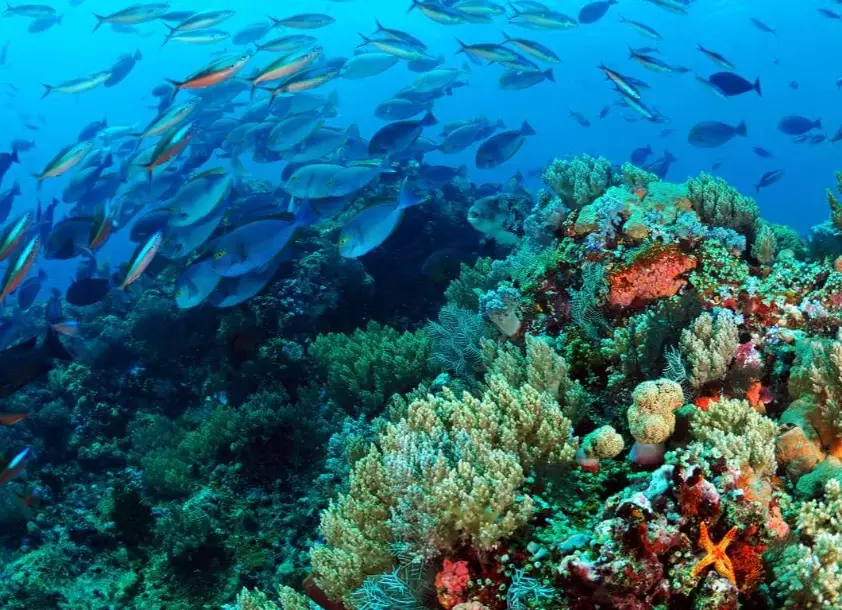
For Cold Water Majesty: The Socorro Islands, Mexico. Accessed via a 24-hour boat ride from Cabo San Lucas, "Revillagigedo" is Mexico's answer to big animal encounters. Giant mantas (with wingspans over 20 feet) that seek out interaction, humpback whales (in season), and shark action. It's advanced diving due to currents and depth, but unforgettable.
For Accessible Caribbean Bliss: Little Cayman, Cayman Islands. While Grand Cayman has its charms, Little Cayman's Bloody Bay Wall is a sheer drop-off starting at 18 feet, covered in sponges and black coral. It's easy, stunning diving with incredible visibility. Perfect for photographers and those who want a relaxed pace.
How to Plan Your Ultimate Dive Trip
Choosing is just the first step. Making it happen requires strategy.
First, be brutally honest about your skill level. Booking a trip to Cocos Island with 30 dives under your belt is a recipe for a stressful, expensive mistake. Operators in remote locations have strict requirements for a reason.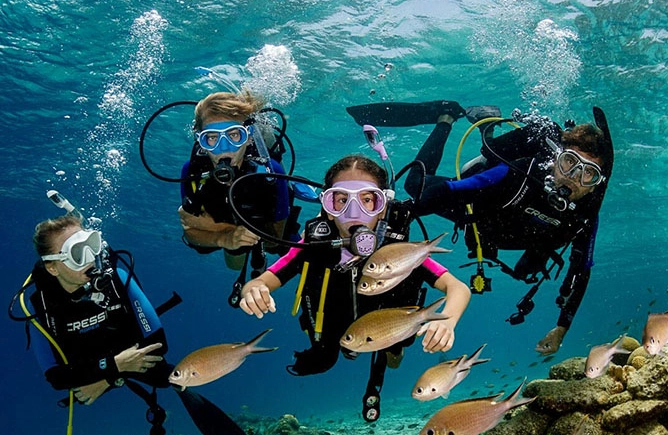
Liveaboard vs. Land-Based: Remote destinations (Raja, Cocos, Socorro) almost require a liveaboard. For archipelagoes like the Philippines or Fiji, land-based diving from a resort can be perfect. Liveaboards offer more diving and access; land-based offers more flexibility and non-diving time.
Timing is Everything: Research the specific season for what you want to see. Want whale sharks in Isla Mujeres? Go May-September. Want calm seas in Raja Ampat? Avoid the summer months. A great resource for this is the Dive The World seasonal guide, or checking forums like ScubaBoard.
Budget Beyond the Diving: Factor in flights, park fees (which can be hefty, e.g., Galapagos), gear rental, tips for crew, and travel insurance that covers diving. DAN (Divers Alert Network) is the gold standard for dive insurance.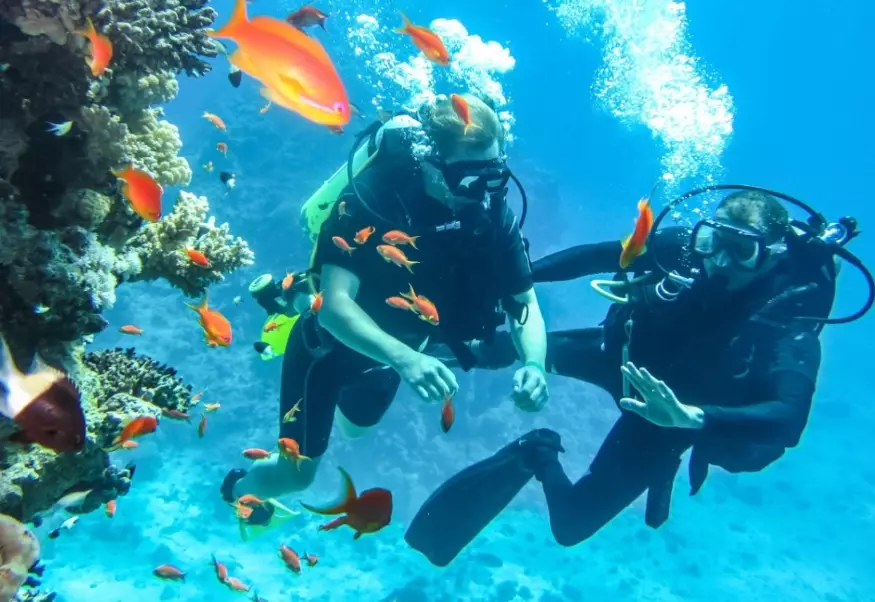
Your Burning Dive Travel Questions Answered
So, what is the best place in the world to scuba dive? It's the place that aligns with what you find magical underwater. Whether it's the silent majesty of a hundred hammerheads, the technicolor chaos of a coral reef, or the solemn history of a sunken warship, your perfect dive is out there. Do your homework, match the destination to your skills and dreams, and go see it for yourself. The ocean's waiting.
Comments