Let's cut to the chase. The "best" scuba diving in the US depends entirely on what you're looking for. Are you dreaming of warm, clear water and colorful coral reefs? Or does the mystery of a historic shipwreck in cold, dark waters call to you? Maybe you want to glide through towering kelp forests or swim with massive sharks.
The good news is, America has it all. After countless dives from coast to coast (and a few in between), I've found that picking a favorite is impossible. Instead, the key is matching the destination to your personal dive style and goals. This guide breaks down the top spots, not just by location, but by the experience they deliver. We'll go beyond the obvious picks and dig into the specifics—how to get there, what you'll really see, and the little details most lists forget.
Your Quick Dive Guide
Warm Water Paradise: The Florida Keys & Beyond
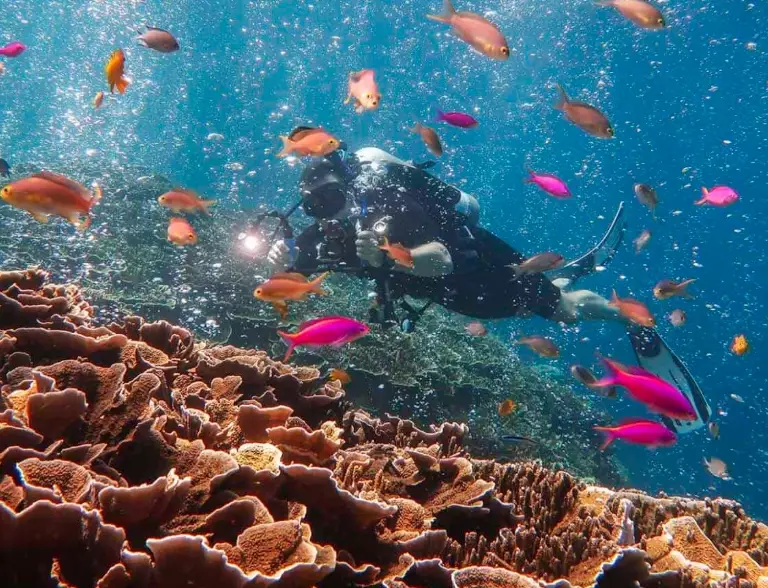
For most divers, "best" means warm, clear, reef-filled water. That's Florida's domain, particularly the Florida Keys. This 120-mile island chain is the living coral reef capital of the continental US.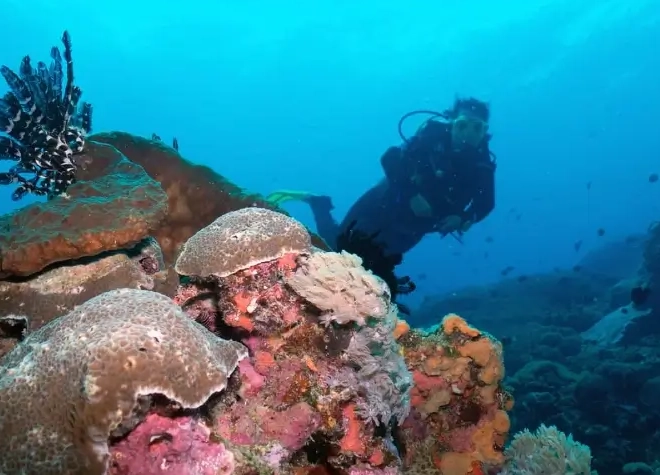
Key Largo: The Wreck Diver's Playground
Key Largo is ground zero. The star here is the USS Spiegel Grove, a 510-foot Navy landing ship deliberately sunk in 2002. It's massive. You can spend multiple dives exploring its decks, superstructure, and the resident Goliath grouper that hang out in its shadow. Pennekamp Coral Reef State Park (the first undersea park in the US) offers shallower reef dives like the Christ of the Abyss statue. Dive shops are everywhere—try Rainbow Reef Dive Center or Horizon Divers. You'll fly into Miami (MIA) or Fort Lauderdale (FLL) and drive about an hour south.
My tip? Don't just do the Spiegel Grove. The Duane and Bibb Coast Guard cutters, sitting upright in 120 feet of water, are arguably more dramatic. The currents can be strong, making them advanced dives, but the sheer walls of encrusting life are unforgettable.
Looe Key & the Lower Keys: For Pristine Coral
Drive further south, past Marathon, towards Big Pine Key. Looe Key Reef, part of the Florida Keys National Marine Sanctuary, is a sanctuary within a sanctuary. The coral formations—especially the spur-and-groove topography—are some of the healthiest and most dramatic in the Keys. Visibility often exceeds 100 feet. It's less crowded than northern sites, and the fish life is prolific. You'll need to book a charter from operators like Looe Key Reef Resort & Dive Center.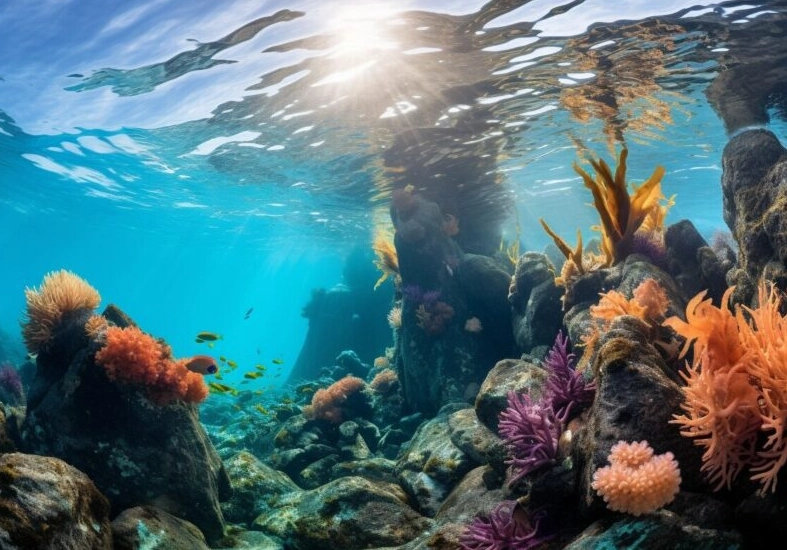
West Coast Wonders: Kelp, Sea Lions & Cool Water
If you think the Pacific Coast is just cold and murky, you're missing one of the most unique underwater ecosystems on the planet. The water is cooler (50-70°F), but with a proper 7mm wetsuit or drysuit, you'll be fine. The reward is worth the chill.
Channel Islands, California
Often called the "Galapagos of North America," the Channel Islands National Park is a kelp forest wonderland. Anacapa and Santa Cruz Islands are the most accessible. Diving here means soaring through corridors of giant kelp that filter the sunlight into a golden-green cathedral. You'll see more species of marine life here than almost anywhere else in the US: harbor seals, sea lions, massive sheephead, lingcod, and brilliant orange garibaldi (California's state marine fish).
You must go by boat. Truth Aquatics out of Santa Barbara or Spectre Dive Boats out of Ventura run multi-day liveaboard trips that are the best way to experience it. Day trips are possible but limit your range. This isn't a casual beach dive; it's an expedition.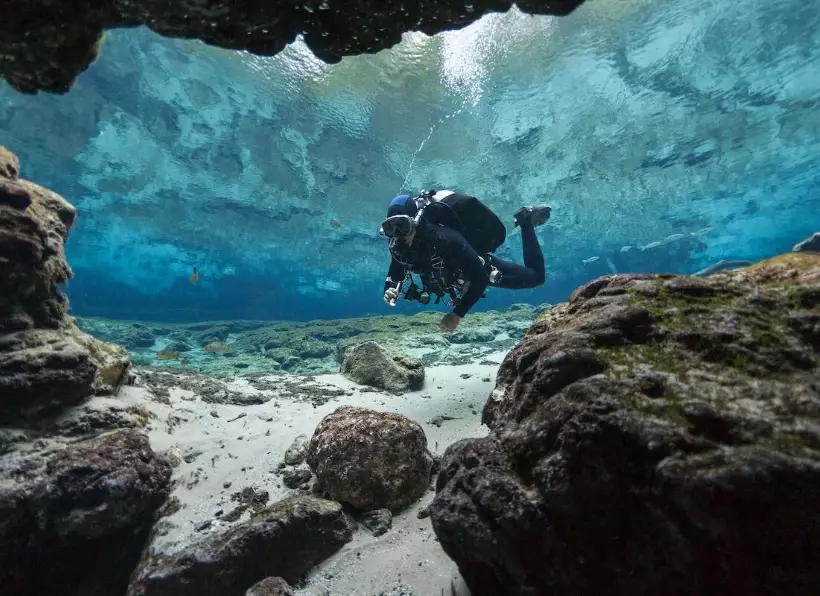
Monterey Bay, California
For a more accessible cold-water fix, Monterey is it. The Monterey Bay National Marine Sanctuary is a deep underwater canyon that brings pelagic life close to shore. Breakwater (a shore dive!) is famous for its resident population of curious harbor seals. You can also dive the kelp forests at Point Lobos State Natural Reserve (requires a permit, plan ahead) or explore the metridium fields—dense colonies of white anemones that look like an underwater snowstorm.
Dive shops like Bamboo Reef or Monterey Bay Dive Company can set you up with gear and air. A common mistake new visitors make is underestimating the surf entry at some sites. Get local advice.
Freshwater Giants: The Great Lakes & Springs
This is where history lies preserved. The cold, fresh water of the Great Lakes is a time capsule, home to hundreds of shipwrecks in shockingly good condition. It's a specialized type of diving, often requiring drysuit certification and advanced wreck training, but it's unparalleled.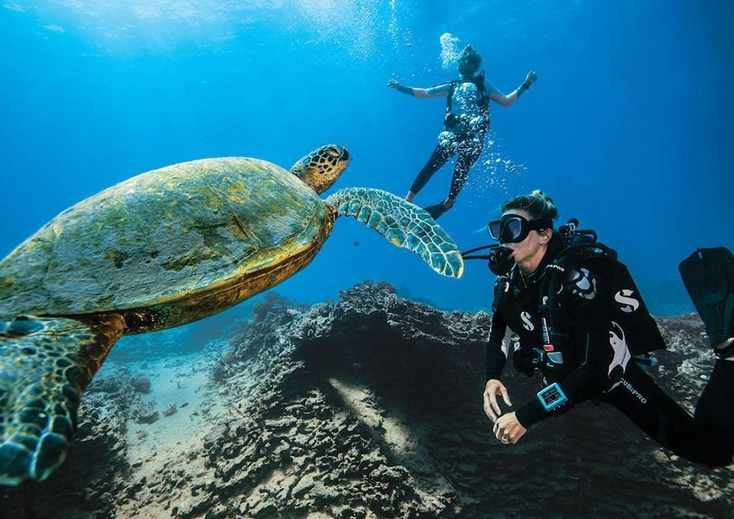
Thunder Bay National Marine Sanctuary, Michigan
Located in Lake Huron near Alpena, Michigan, this sanctuary protects nearly 100 known shipwrecks. The visibility can be astounding—50-100 feet on a good day. Wrecks like the SS Montana (a 235-foot steamer) sit intact on the bottom, with railings, winches, and hulls looking as they did the day they sank. The NOAA-run Thunder Bay National Marine Sanctuary visitor center in Alpena is a must-visit before you dive. Charters like Huron Scuba run trips. The season is short: July to September.
Most divers focus on the ocean, but the preservation in the Great Lakes is better than any saltwater wreck I've seen. You're not looking at a rusted hulk; you're looking at a museum piece.
Remote US Adventures: Hawaii & Offshore Territories
Yes, Hawaii is part of the US, and it offers a tropical diving experience that rivals the Caribbean.
Kona Coast, Big Island, Hawaii
Kona is famous for its manta ray night dives. Operators set up lights on the seafloor that attract plankton, which in turn attract these gentle, winged giants with wingspans up to 15 feet. You kneel on the bottom and watch them barrel-roll feed inches from your face. It's a controlled, ethical encounter that is simply mind-blowing. Day dives offer lava tubes, arches, and chances to see dolphins and pilot whales. Dive operators like Jack's Diving Locker are top-notch.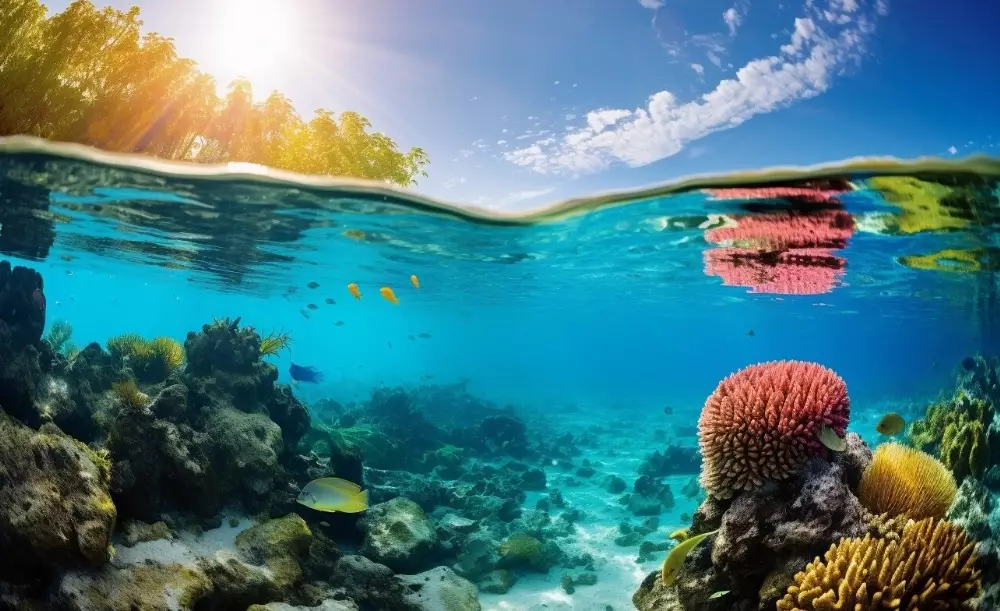
Molokini Crater, Maui, Hawaii
This crescent-shaped, partially submerged volcanic crater is a marine life conservation district. The back wall plunges into the abyss, while the inside of the crater offers calm, shallow diving with 100+ foot visibility and clouds of tropical fish. It's a popular snorkel and dive spot, so go on an early morning charter to beat the crowds. The downside? It can feel a bit like an underwater theme park on a busy day.
| Destination | Best For | Water Temp | Top Sight | Ideal For |
|---|---|---|---|---|
| Florida Keys | Wrecks & Coral Reefs | 75-85°F (Summer) | USS Spiegel Grove, Looe Key | All levels, especially wreck lovers |
| Channel Islands, CA | Kelp Forests & Marine Life | 50-65°F | Giant Kelp, Sea Lions | Advanced Beginners & up (cold water) |
| Kona, Hawaii | Unique Pelagic Encounters | 75-80°F | Manta Ray Night Dive | All levels |
| Great Lakes, MI | Pristine Historic Wrecks | 40-60°F | 100+ Wooden Shipwrecks | Advanced/Technical Divers (dry suit) |
| Crystal River, FL | Swimming with Manatees | 72°F (Year-round) | West Indian Manatees | Snorkelers & Novice Divers |
How to Choose Your Ideal US Dive Destination
Stop looking for a single "best" spot. Ask yourself these questions instead:
What's your comfort level? A new Open Water diver should think twice about a high-current Great Lakes wreck dive. Stick to the warm, calm reefs of Key Largo or a protected cove in Hawaii.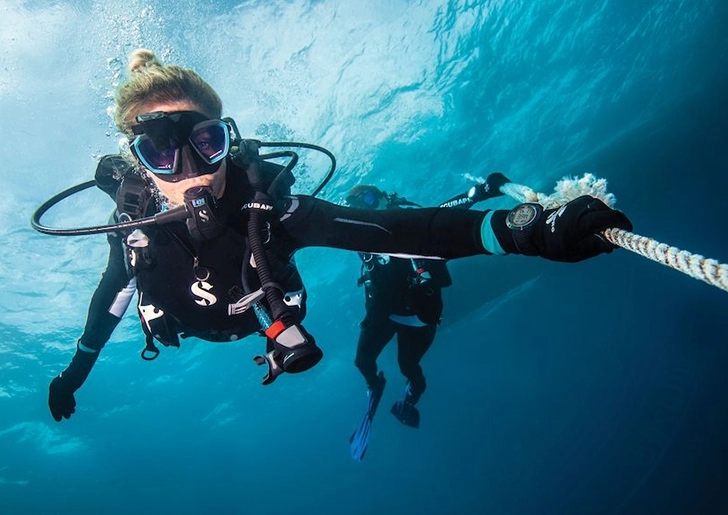
What do you want to see? Make a list. Is it big animals? Colorful macro life? Dramatic landscapes? History? Your priority list will point you to a region.
What time of year are you traveling? This is huge. Florida diving is year-round, but winter can bring cooler temps and stronger winds. The Great Lakes have a tiny summer window. California's fall offers the best visibility. Always check seasonal weather patterns.
What's your budget? Driving to Florida Springs is cheap. A liveaboard to the Channel Islands or a flight to Hawaii is an investment. Factor in gear rental, charter costs, and accommodation.
Expert Tips for Planning Your US Diving Trip
Here's the advice I give friends that you won't always find on a tourism site.
Book dive charters early, especially for popular sites. The best boats fill up months in advance for prime seasons. Don't wait until you arrive.
Call the dive shop, don't just book online. Have a 5-minute chat. Tell them your certification level and number of dives. A good shop will steer you to appropriate sites and honestly tell you if conditions are suitable. If they just take your money no questions asked, be wary.
Build in a buffer day. Weather cancels dives everywhere. If you have 4 diving days planned, schedule them as early in your trip as possible. That way, if day 1 gets blown out, you can shift to day 5.
Dive locally first. If you're planning a big cold-water trip to California or the Lakes, get a few dives in locally in your thickest wetsuit or try a drysuit course first. You don't want to be figuring out new gear and buoyancy while also dealing with cold and surge.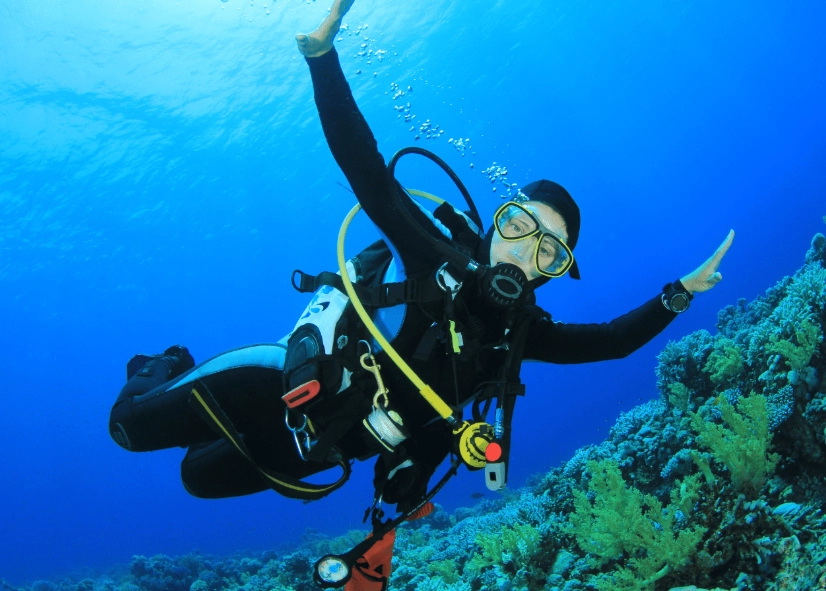
Your US Diving Questions Answered
I'm a new diver with less than 20 dives. Where in the US is the most forgiving and rewarding?
Hands down, the Florida Keys, specifically the reefs around Key Largo. The water is warm, depths are manageable (often 20-40 feet on reefs), currents are usually mild, and there's a huge variety of marine life and even easy wreck penetrations on sites like the Spiegel Grove (you can stay outside). The infrastructure is built for divers of all levels. An excellent second choice is the protected bays of Kona, Hawaii.
I want to dive the Great Lakes shipwrecks. What's the one certification I absolutely need?
A drysuit certification. It's non-negotiable. Even in peak summer, water temps are in the 40s and 50s Fahrenheit at depth. A wetsuit won't cut it for the longer bottom times you want on these wrecks. Beyond that, Advanced Open Water and wreck diving specialty training are highly recommended for managing depth, navigation, and respecting these fragile historical sites. Start with a charter that visits shallower wrecks (60-90 feet) to get your bearings.
Is it worth bringing my own dive gear on a domestic US flight, or should I rent?
This is a cost vs. comfort calculation. For a warm-water trip to Florida or Hawaii, you can easily rent reliable gear. It saves baggage fees and hassle. For cold-water diving in California or the Great Lakes, I strongly recommend at least bringing your own mask, boots, and exposure suit (wetsuit or drysuit) if you own one. A leaky rental drysuit or an ill-fitting 7mm wetsuit can ruin a expensive dive trip. Regulators and BCDs are generally safer to rent, as shops maintain them well.
What's an underrated US dive destination most people skip?
The Pacific Northwest, specifically the Puget Sound around Seattle. The biodiversity is insane—giant Pacific octopus, wolf eels, colorful nudibranchs everywhere, and countless reefs. It's cold and dark for much of the year, requiring a drysuit and good lights, but for macro life and unique creatures, it's world-class. It's a destination for divers who care more about fascinating critters than blue water and sunshine.
The best scuba diving in the US isn't at a single pin on a map. It's in the experience that perfectly matches what you love about being underwater. Whether that's the history-saturated silence of a Great Lakes wreck, the awe of a manta ray's grace in Hawaii, or the familiar warmth of a Florida reef, your perfect dive site is here. Do your homework, match the destination to your skills, and talk to the local operators. The underwater America is waiting, and it's far more diverse and spectacular than most people realize.

Comments