Does the Philippines have good diving? Let's cut to the chase: it's not just good; it's often ranked among the world's best. But here's the thing—many articles gloss over the nuances. I've been diving here for over a decade, and while the marine life is stunning, there are pitfalls most guides ignore. In this guide, I'll break down what makes Philippine diving exceptional, share insider spots, and give you the real scoop on planning a trip that avoids the tourist traps.
What's Inside This Guide
Why Philippine Diving Stands Out
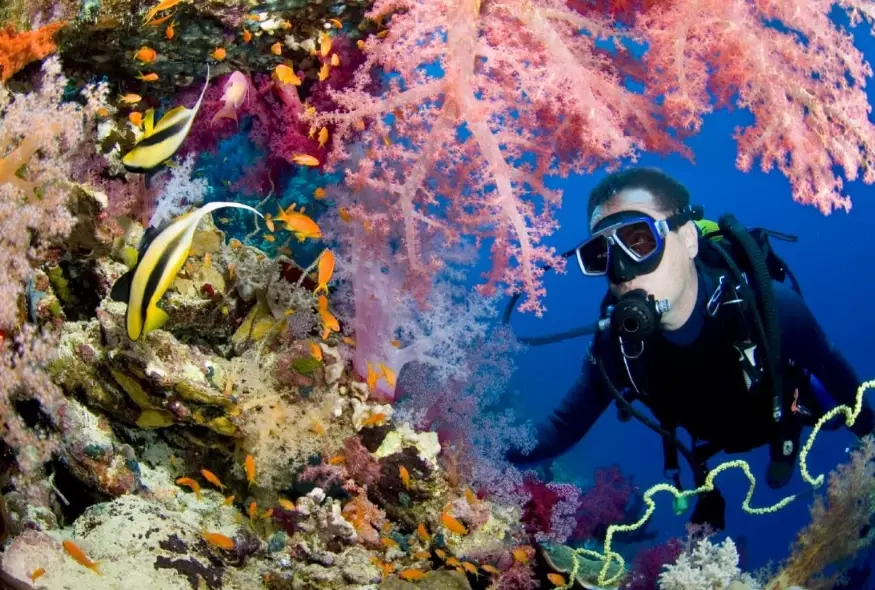
First off, the Philippines sits in the Coral Triangle, a biodiversity hotspot. That means you're diving in waters teeming with life—over 500 coral species and 2,000 fish species, according to the World Wildlife Fund. But it's not just about numbers. The variety is insane: from macro critters in Anilao to whale sharks in Donsol.
A Biodiversity Hotspot Like No Other
I remember diving in Tubbataha Reefs Natural Park—a UNESCO site—and seeing sharks, turtles, and reefs that felt untouched. It's remote, though. You need a liveaboard trip, which costs around $2,000 for a week, but it's worth every penny. The Philippines Department of Tourism lists it as a top marine protected area, but few mention the limited access: it's only open from mid-March to mid-June due to weather.
Year-Round Diving Conditions
Unlike some destinations with strict seasons, you can dive here almost anytime. The dry season (November to May) offers calm seas, but the wet season (June to October) brings plankton blooms and better muck diving. In Moalboal, I've dived in July and still had 30-meter visibility. The key is picking the right region. Palawan is great year-round, while the Visayas can get rainy but still diveable.
Insider Tip: Many divers flock to Boracay for its beaches, but the diving there is mediocre compared to lesser-known spots like Siquijor. If you want uncrowded sites, head south during off-peak months.
Top Diving Destinations: A Curated List
Here's a breakdown of my top picks, based on personal experience and diver feedback. I've included practical details so you can plan directly.
| Destination | Key Features | Best Time to Visit | How to Get There | Approx. Cost per Dive |
|---|---|---|---|---|
| Tubbataha Reefs | UNESCO site, pelagic life (sharks, mantas), pristine reefs | Mid-Mar to mid-Jun | Liveaboard from Puerto Princesa, Palawan (2-3 day boat trip) | $150-200 (part of liveaboard package) |
| Coron, Palawan | WWII wreck diving, limestone formations, freshwater lakes | Nov to May | Fly to Busuanga Airport from Manila, then tricycle to town | $30-50 per dive |
| Moalboal, Cebu | Sardine run, wall dives, accessible for beginners | Year-round, best Dec-Apr | Fly to Cebu City, then 3-hour bus or private van | $25-40 per dive |
| Malapascua Island | Thresher sharks at Monad Shoal, macro photography | Nov to May | Fly to Cebu City, then 4-hour drive + 30-min boat | $30-45 per dive |
| Apo Reef, Mindoro | Second largest contiguous reef, diverse fish life | Mar to Jun | Liveaboard from Puerto Galera or San Jose | $100-150 (liveaboard package) |
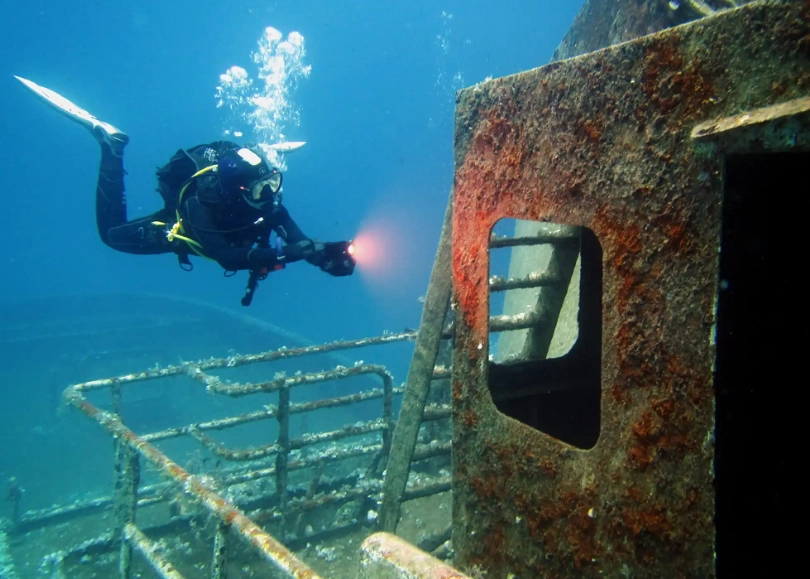
Each spot has its vibe. Coron is wreck-heavy—perfect for advanced divers. Moalboal is more relaxed, with shore dives right off Panagsama Beach. I've seen beginners struggle there because currents can pick up, so always check with local operators like Savedra Dive Center for conditions.
The Hidden Gem: Siquijor Island
Most guides skip this, but Siquijor offers serene diving with hardly any crowds. Sites like Paliton Wall have soft corals and nudibranchs. It's affordable too—dives cost around $20-30. You can fly to Dumaguete, then take a 1-hour ferry. The downside? Infrastructure is basic, but that's part of the charm.
How to Plan Your Dive Trip Step-by-Step
Planning a dive trip here isn't just about booking flights. Here's a realistic approach based on my own blunders.
Step 1: Choose Your Focus – Are you into macro, wrecks, or big animals? For macro, head to Anilao or Dumaguete. For wrecks, Coron is unbeatable. This decision shapes everything else.
Step 2: Budget Realistically – A 7-day trip can range from $800 to $3000 per person. Flights from major hubs like Manila to regional airports cost $50-150 one-way. Accommodation varies: hostels at $10/night, resorts at $50-150/night. Dive packages often offer discounts for multiple dives—ask for bundles.
Step 3: Book in Advance, but Stay Flexible – For popular liveaboards like those to Tubbataha, book 6-12 months ahead. But for island hopping, you can arrange things last-minute. I once missed a dive in Apo Reef because I didn't confirm boat schedules during monsoon season.
Step 4: Gear and Health – Most operators provide gear, but bring your own mask for comfort. Check DAN (Divers Alert Network) for insurance—it's crucial in remote areas. Also, get vaccinations for hepatitis A and typhoid; the CDC recommends them for travel to the Philippines.
Sample 7-Day Itinerary: Day 1-2: Arrive in Cebu, dive Moalboal sardine run. Day 3-4: Ferry to Siquijor for relaxed reefs. Day 5-7: Fly to Coron for wreck diving. This mixes variety without excessive travel.
Common Mistakes and Expert Advice
Here's where most divers slip up, and it costs them time and money.
Overpacking Itineraries – Trying to hit Tubbataha, Coron, and Malapascua in one week is a recipe for exhaustion. The Philippines is an archipelago; travel between islands takes hours by boat or plane. Focus on one or two regions per trip.
Ignoring Weather Patterns – The habagat (southwest monsoon) from June to October affects the west coast, like Palawan, with rougher seas. Yet, I've seen divers book Coron trips in August and get disappointed. Check regional forecasts, not just country-wide.
Skimping on Safety – Some budget operators cut corners on equipment maintenance. Always ask for operator credentials—look for PADI or SSI certification. In remote areas, ensure there's a decompression chamber nearby. For instance, in Malapascua, the nearest chamber is in Cebu City, a few hours away.
Environmental Impact – Sustainable diving is a hot topic, but few practice it. Avoid touching corals or chasing marine life. Operators like the Philippine Reef and Rainforest Conservation Foundation promote eco-friendly dives—support them.
Frequently Asked Questions
Diving in the Philippines is a blend of adventure and serenity. It's not perfect—infrastructure can be patchy, and some sites suffer from overtourism. But with careful planning, it delivers experiences that rival the Great Barrier Reef or the Red Sea. Start by picking a focus, talk to locals, and dive responsibly. The underwater world here is waiting, and it's every bit as good as they say, if you know where to look.

Comments