Ask a random diver to name the dive capital of the Philippines, and you'll likely hear "Bohol," "Moalboal," or "Coron." They're all incredible, but they're not the capital. Let's settle this. The true, undisputed dive capital of the Philippines is Anilao, in the province of Batangas. It's not just my opinion; it's a title earned through history, accessibility, and an insane concentration of marine biodiversity, especially for macro and muck diving enthusiasts.
I remember my first trip there over a decade ago, skeptical that a place just three hours from Manila's chaos could hold a candle to the remote islands. I was wrong. Within two dives, I saw three different species of pygmy seahorse, a flamboyant cuttlefish, and more nudibranchs than I could count. Anilao isn't just a diving destination; it's a foundational piece of the country's diving culture. It's where many Filipino divers get certified, where underwater photographers flock for that perfect shot, and where the concept of the "weekend dive getaway" was perfected.
Your Quick Dive Guide to the Philippines' Capital
Why Anilao, Batangas is the True Dive Capital
Calling somewhere a "capital" implies it's a center of activity, influence, and history. Anilao checks every box.
Historical Pedigree: Diving in the Philippines, as a recreational activity, arguably found its first serious foothold here in the 1970s. Its proximity to Manila made it the testing ground and playground for the country's early diving community. Resorts like Club Ocellaris and Aquaventure Reef Club have been operating for decades, shaping the local industry.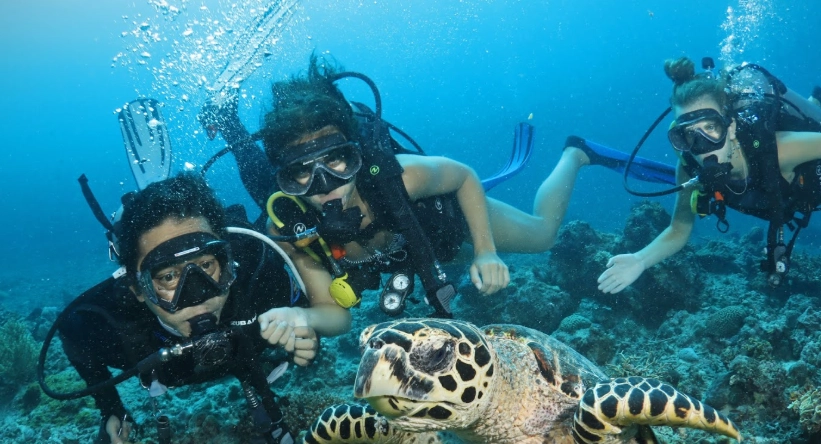
Unbeatable Accessibility: This is the knockout punch. You can finish work in Manila on a Friday, drive to Anilao (2.5-3.5 hours depending on traffic), dive all weekend, and be back at your desk Monday morning. No flights, no ferries. For divers based in Luzon or even those transiting through Manila with a long layover, it's the most logical and time-efficient dive hub. This accessibility fuels its status as the capital—it's the most frequently dived area in the country.
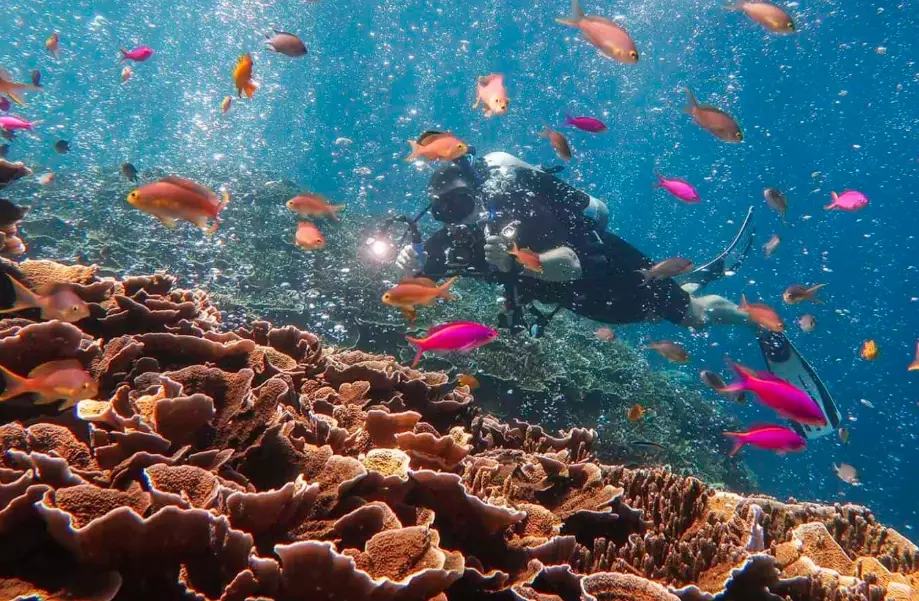
The Macro Diving Mecca: While Tubbataha has sharks and Coron has wrecks, Anilao's superpower is small, weird, and wonderful critters. The nutrient-rich waters of the Verde Island Passage—dubbed the "center of the center" of marine biodiversity—create a paradise for macro life. It's a global hotspot for underwater photographers. You don't come here just to dive; you come to hunt for rare specimens with a camera.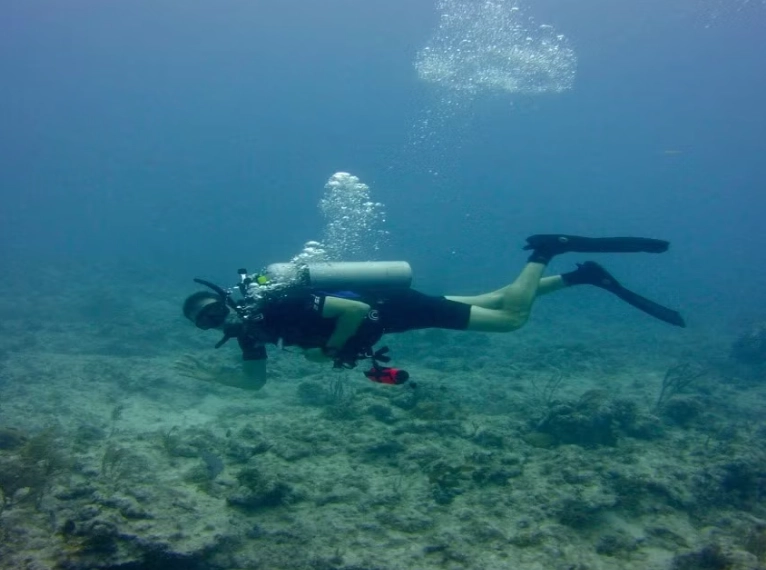
A Common Mistake Even Experienced Divers Make: They treat Anilao like any other reef dive. The secret is to move painfully slow. If you're finning along at a normal pace, you're missing 90% of the action. The magic is in the rubble, the silt patches, and the seemingly barren slopes. Train your eyes to look for tiny movements, odd shapes, and slight color variations. A good guide is worth their weight in gold here.
Top Anilao Dive Sites You Can't Miss
Anilao's dive sites are clustered, mostly within 5-20 minutes by boat from the resort areas. Here’s a breakdown of the must-visit spots, categorized by what you're after.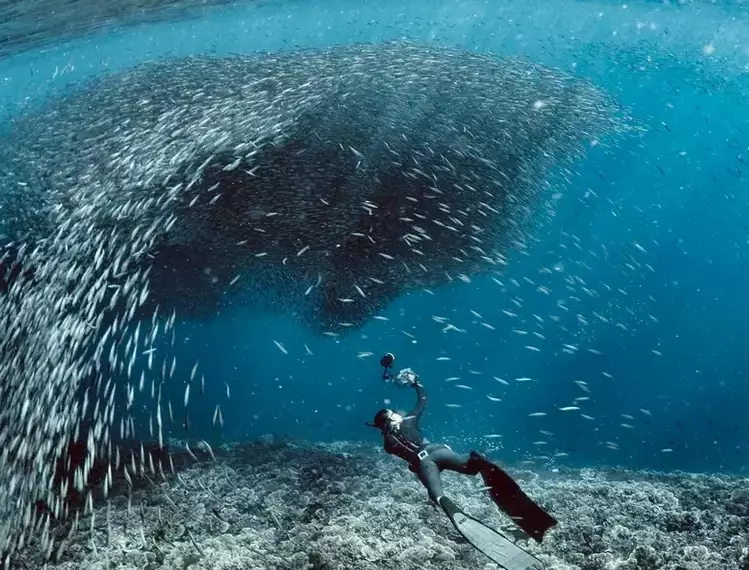
| Dive Site Name | Depth Range | Highlights & Target Critters | Best For |
|---|---|---|---|
| Secret Bay | 5-20m | The ultimate muck dive. Pygmy seahorses (Bargibanti and Pontohi), ghost pipefish, flamboyant cuttlefish, countless nudibranchs. | Macro photography, critter hunting |
| Basura | 10-30m | "Basura" means garbage, but it's a treasure trove. Famous for the Rhinopias (scorpionfish), frogfish, blue-ringed octopus. | Seeing rare scorpionfish, advanced muck diving |
| Mapating Rock (The Cathedral) | 5-40m | A dramatic pinnacle. Schools of jacks, trevallies, sometimes reef sharks. Also has macro life on the slopes. | Wide-angle shots, seeing pelagics, drift diving |
| Layag Layag | 5-18m | Shallow, gentle slope. Seahorses, pipefish, robust ghost pipefish. Excellent for long, slow dives. | Beginner macro, long bottom times |
| Kirby's Rock | 10-35m | Beautiful soft coral gardens, anemone city with many clownfish. Good chance for turtles and larger fish. | Colorful corals, mixed marine life |
My personal favorite is Secret Bay. On one dive there, my guide pointed to a nondescript bit of seaweed. After staring for a full minute, I finally saw it—a Denise's pygmy seahorse, smaller than my fingernail, perfectly camouflaged. That's the Anilao experience.
Beyond the Famous Sites: Ask Your Guide
The sites above are the celebrities. But the real local knowledge comes from asking about conditions. A site like "Ligpo Island" can be fantastic for schooling fish on a current-swept day, but mediocre on a slack tide. Tell your guide what you want to see. If you're desperate for a Rhinopias, they'll know which of the several "Basura"-type muck patches has had recent sightings. This dynamic, condition-based site selection is key to a great trip.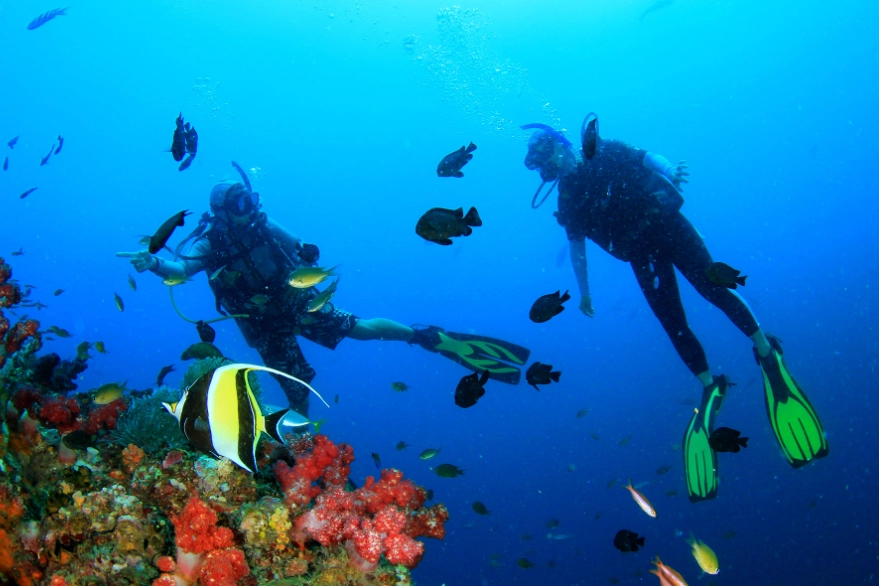
Planning Your Trip to the Dive Capital
Here’s the practical information to turn this from an idea into a booked trip.
Getting There:
From Manila: Take the South Luzon Expressway (SLEX), then the STAR Tollway exiting at Batangas City. Follow the road to the town of Mabini. The resort area is in Barangay Bagalangit and neighboring areas. Private car is easiest. Some resorts offer transfers for a fee. There are also buses to Batangas City and then jeepneys to Mabini, but this is cumbersome with gear.
Where to Stay & Dive:
Accommodation is almost exclusively resort-based, with diving packages. You don't have a separation of hotel and dive shop like in bigger towns.
- Budget-Conscious: Look at older, established resorts like Arthur's Place or Eagle Point (though Eagle Point is more of a family resort). Expect functional rooms, great food, and no frills. A 3D2N package with 4-5 dives can range from PHP 12,000 to 18,000 per person.
- Mid-Range & Photographer-Friendly: This is Anilao's sweet spot. Buceo Anilao, Planet Dive, and Balai Resort are excellent. They understand divers' needs—camera rooms with charging stations, dedicated guides who are also photographers, and boats with proper setups. Packages here range from PHP 18,000 to 30,000 for 3D2N.
- High-End: Acacia Resort and Bones Lodge offer more luxurious accommodations and premium services. Ideal if you want more comfort after your dives.
Sample 3-Day Weekend Itinerary:
Friday: Leave Manila by 3 PM. Check into resort by 7 PM. Briefing, gear setup, dinner.
Saturday: Morning dive (e.g., Secret Bay). Afternoon dive (e.g., Mapating Rock). Optional night dive (highly recommended for different critters like bobtail squid).
Sunday: Morning dive (e.g., Basura or Kirby's Rock). Check out by noon. Back in Manila by mid-afternoon.
Best Time to Go: Anilao is diveable year-round. The official "summer" dry season (March to June) offers the calmest seas and sunniest skies. The rainy season (July to October) can bring some rain and wind, but underwater visibility often remains good, and resorts are less crowded. I've had some of my best dives there in September.
Anilao Diving: Your Questions Answered
Is Anilao suitable for beginner divers?
Absolutely. In fact, it's one of the best places to learn or do your first dives after certification. Many sites have shallow, protected areas with minimal current. The focus on small things means there's less pressure to manage deep dives or strong drifts immediately. Just communicate your experience level to the dive center.
I only have a weekend and a tight budget. Can I still experience the dive capital?
This is where Anilao shines. You can. Look for the budget resorts I mentioned. Consider a package with fewer dives (e.g., 3 dives instead of 4). Skip the private room and opt for a dormitory-style setup if available. The core experience—the diving—is the same. The critical cost is the dive package itself; accommodations can be scaled down.
What's the one piece of gear I should bring to Anilao that I might not think of?
A good dive light, even for day dives. Not a massive cave light, but a sturdy, bright focusable torch. So much of the critter life hides in nooks, under ledges, or in dark silt. Shining a light reveals colors and details you'd miss with ambient light alone. It's essential for spotting well-camouflaged animals.
How does Anilao compare to Puerto Galera, which is also close to Manila?
They're siblings, but with different personalities. Puerto Galera (Sabang) has more of a party vibe, cheaper backpacker options, and famous drift dives like "The Canyons." Anilao is more relaxed, resort-focused, and overwhelmingly superior for dedicated macro and muck diving. Puerto Galera offers more variety in a single area (drifts, wrecks, reefs), but Anilao dominates the niche of small critter photography. If you want action and variety, consider PG. If you want to sit still and find hidden gems, choose Anilao.
Are there any reliable sources for current marine conditions or regulations in Anilao?
For official tourism information, the Philippine Department of Tourism website has general Batangas info. For more dive-specific community reports, check forums like ScubaBoard or the Facebook pages of major resorts like Planet Dive or Buceo Anilao—they often post recent sightings and conditions. Always verify fees and protocols directly with your chosen resort, as they manage the local boat and guide arrangements.
So, there you have it. The dive capital of the Philippines isn't the most famous postcard destination; it's the workhorse, the accessible gem, the macro heaven. It's Anilao. Its combination of history, sheer convenience from the nation's major airport, and unparalleled critter density secures its title. Whether you're a photographer on a mission, a beginner looking for easy dives, or a Manila-based diver craving a fix, this is your capital. Book that weekend trip. Your first sighting of a psychedelic flamboyant cuttlefish will make you a believer.

Comments