Ask any seasoned diver about the Philippines, and one name consistently surfaces: Palawan. It's not just an island; it's an archipelago province that serves as the country's final frontier, a sliver of paradise famed for its otherworldly limestone cliffs, crystal-clear lagoons, and, most importantly, some of the planet's most breathtaking underwater landscapes. If your search is for the Philippine island synonymous with world-class diving, you've found your answer. But what makes Palawan so special? It's the staggering variety packed into one region—from World War II wreck museums in Coron to the pristine, remote coral kingdoms of Tubbataha Reefs Natural Park, a UNESCO World Heritage Site.
I've been diving these waters for over a decade, guiding trips from the bustling ports of Puerto Princesa to the secluded beaches of El Nido. The mistake most first-timers make? They treat Palawan as a single destination. It's not. It's three distinct diving worlds, each demanding a different approach, budget, and skill level. Let's break it down so you can plan the trip that's right for you, not just the one with the prettiest Instagram photos.
Your Palawan Diving Guide at a Glance
Why Palawan is a Top-Tier Diving Destination
Palawan wins the crown because it delivers on every front a diver could want. It's not a one-trick pony. You get history, biodiversity, and sheer spectacle, often within a single day's boat ride.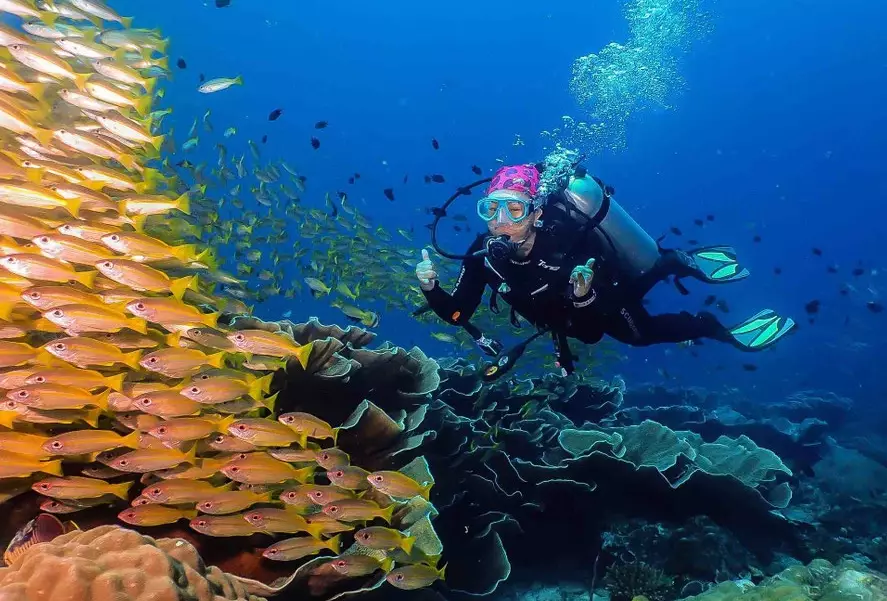
The Three Pillars of Palawan Diving
Think of Palawan's diving scene as a triangle with three epicenters, each with its own character.
| Region | Diving Character | Best For | Skill Level |
|---|---|---|---|
| Coron (Busuanga Island) | Freshwater lake diving & historic WWII Japanese shipwrecks. Clear, calm lagoon water with unique thermoclines. | Wreck enthusiasts, photographers, divers who love clear visibility and unique geological features. | Beginner to Advanced (some wrecks are deep) |
| El Nido (Bacuit Archipelago) | Dramatic karst limestone seascapes, vibrant coral gardens, and pelagic action. More "traditional" tropical diving. | Macro life lovers, scenic divers, those combining diving with island-hopping and beach time. | Beginner to Intermediate |
| Tubbataha Reefs Natural Park | Open ocean, big animal diving. Pristine coral atolls with walls, sharks, mantas, turtles, and huge schools of fish. | Serious divers, liveaboard fans, underwater photographers chasing big pelagics. | Intermediate to Advanced (due to currents and remote location) |
This diversity is Palawan's secret weapon. You could spend two weeks just in Coron, penetrating wrecks like the Irako (a refrigerated vessel) or diving the eerie Barracuda Lake with its layers of hot and cold water. Or, base yourself in El Nido, where dives like South Miniloc offer stunning swim-throughs under limestone cliffs teeming with life. For the ultimate bucket-list trip, a liveaboard to Tubbataha (only accessible from mid-March to mid-June) is an unparalleled experience in marine conservation and abundance.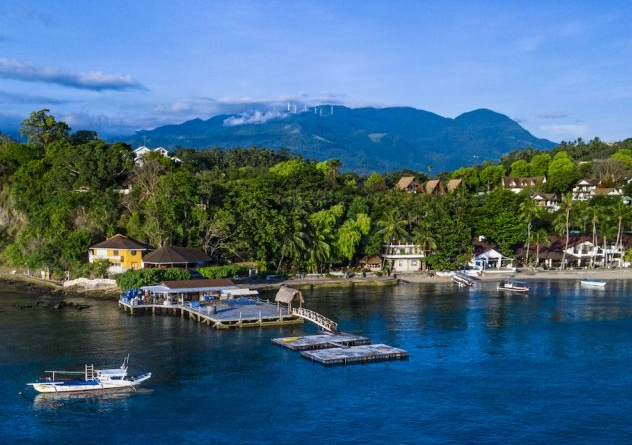
A Local's Tip: Many blogs rave about Coron's wrecks but skip a crucial detail. The visibility inside the wrecks can be poor due to silt. It's an awesome but specialized experience. If crystal-clear, blue-water diving is your primary goal, El Nido or Tubbataha will be more consistently rewarding. Don't get me wrong—Coron is incredible, but manage your expectations.
What Are the Must-See Dive Sites in Palawan?
Let's get specific. Here are sites that have consistently blown my mind and my guests' minds over the years.
In Coron: Beyond the Famous Wrecks
Everyone dives the Olympia Maru and Akitsushima. They're fantastic. But for something different, seek out Lusong Gunboat, a shallow wreck perfect for beginners, absolutely covered in corals and anemones. It's a living art installation. Then, there's Dimakya Island's coral gardens—often overlooked but home to some of the healthiest hard coral formations in the area, with frequent turtle and reef shark sightings.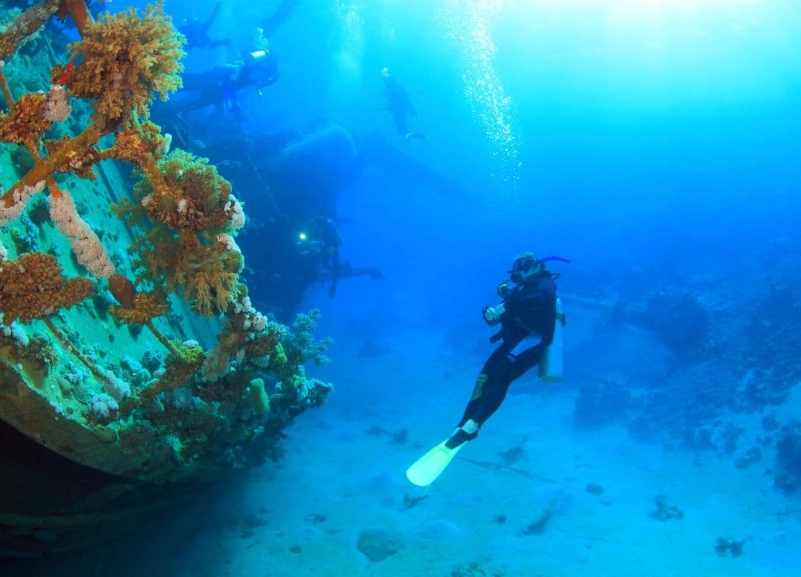
In El Nido: The Hidden Gems
While sites like Dilumacad Tunnel (a.k.a. Helicopter Island) are popular for good reason, ask your guide about Pangalusian Island's eastern slope. On a good day, you can find schools of jacks, trevallies, and even the occasional eagle ray cruising the drop-off. For macro enthusiasts, the Entalula House Reef at night is a wonderland of crustaceans, nudibranchs, and hunting octopuses.
In Tubbataha: The A-List
Every dive here is top-tier. Amos Rock is famous for shark action—white tips, gray reefs, and the occasional hammerhead. Black Rock is the place for manta rays. But the real magic of Tubbataha is the feeling of diving in a place utterly untouched. The coral coverage is staggering, a direct result of strict protection and its remote location. According to the Tubbataha Management Office, the park's no-take zone policy has led to fish biomass up to 200% higher than in unprotected areas.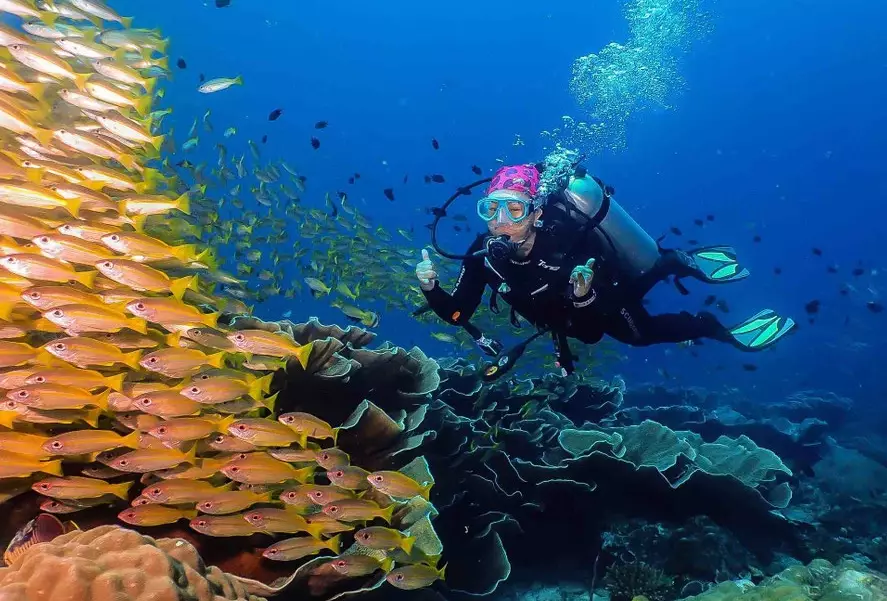
How to Plan Your Palawan Diving Trip: A Realistic Blueprint
Planning is everything. Getting to Palawan isn't as simple as hopping on a bus. Here’s the actionable intel.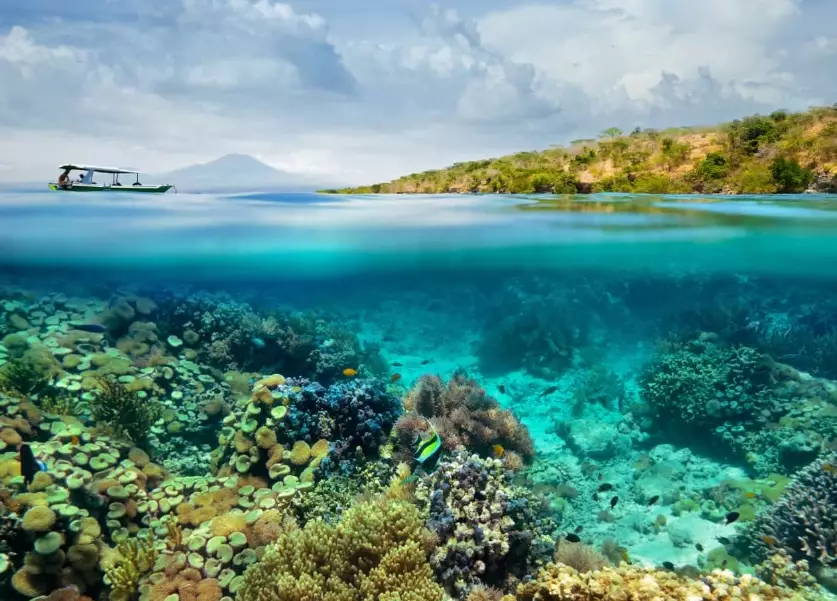
Getting There & Around
You'll fly into one of three airports: Puerto Princesa (PPS), El Nido (ENI), or Coron (USU). Most international flights connect via Manila or Cebu. Puerto Princesa is the main hub. From there, it's a 5-6 hour van ride to El Nido (cost: ~PHP 700-1000) or a 1-hour flight to Coron. Booking internal flights in advance is crucial, especially in peak season (November to May). For Tubbataha, you must book a liveaboard departing from Puerto Princesa.
When to Go
The general diving season is October to June. The amihan (northeast monsoon) from October to April brings generally calm seas and good visibility. The summer months of March to June are peak season, with the calmest seas and access to Tubbataha. The rainy season (July-September) can bring rough seas, and many dive operators close or offer limited trips. I prefer the shoulder months of November or May—fewer crowds, better prices, and still great conditions.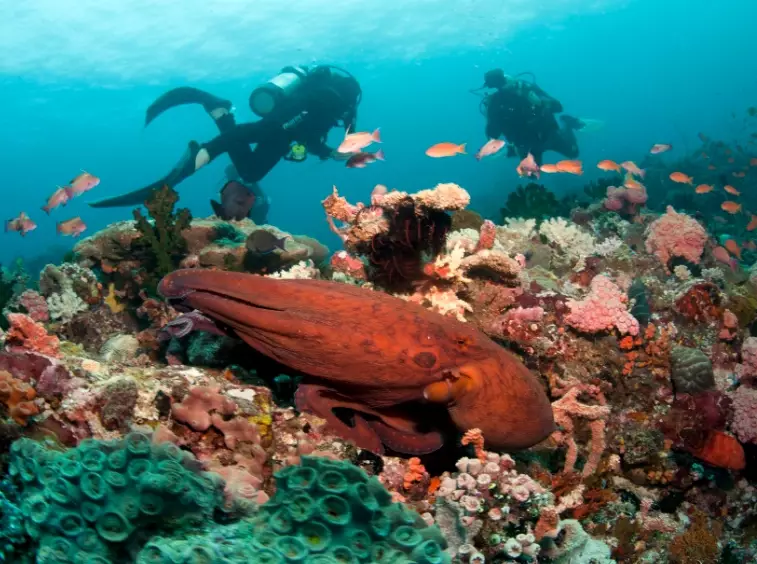
Budgeting Honestly
Palawan isn't the cheapest dive destination in Southeast Asia, but value is high. A typical 2-tank dive trip in El Nido or Coron costs between PHP 3,500 to PHP 4,500 (approx. $60-$80 USD). Liveaboards to Tubbataha are a significant investment, ranging from $1,500 to $3,500+ USD for a 5-7 day trip. Budget accommodations start around PHP 1,000/night, while nicer resorts are PHP 4,000+. Food is inexpensive if you eat at local carinderias (eateries).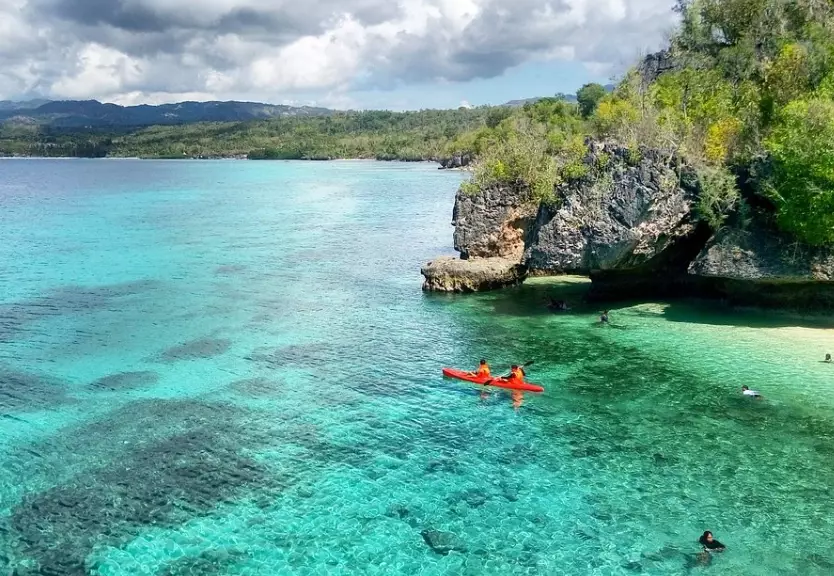
Essential Pre-Trip Checklist:
— Certification: Bring your C-card. For wrecks in Coron, an Advanced Open Water or specialty wreck diving certification is often required.
— Insurance: Ensure your travel insurance covers scuba diving (including emergency evacuation). DAN (Divers Alert Network) is highly recommended.
— Cash: Many dive shops and remote islands only accept cash (Philippine Pesos).
— Eco-Gear: Bring a reef-safe sunscreen. Some operators are starting to require it.
Diving in Palawan: Your Questions Answered
So, which Philippine island is famous for its diving sites? Palawan stands alone, not just for the quality of any single site, but for the sheer breadth of underwater adventures it offers. It’s a place where you can explore history frozen in time on a sunken warship one day and drift along a wall swarming with sharks the next. The key is to match your interests and skills to the right part of this diverse province. Do that, and you’re not just going on a dive trip—you’re crafting an underwater journey you’ll talk about for years.
Your comment