Let's cut to the chase. The Philippines isn't just a good diving destination; it's arguably the most biodiverse marine ecosystem on the planet. The Coral Triangle's heart beats here, pulsing with life you won't find anywhere else. I've logged dives from the chilly waters of the UK to the blue holes of Belize, and nothing prepared me for the sheer density and variety I saw on my first descent at Apo Reef. We're talking about over 500 coral species and more than 2,000 fish species calling these 7,641 islands home. But where do you even start?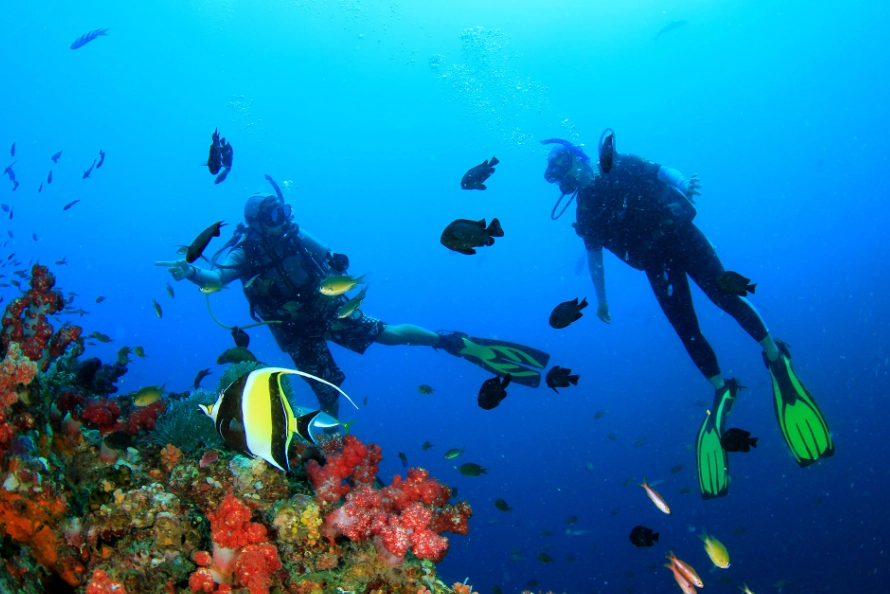
Dive Right In: Your Quick Guide
Why the Philippines Tops the List for Divers
Forget the postcard-perfect beaches for a second. The real magic is underneath. What makes scuba diving Philippines unique is accessibility meeting absurd biodiversity. You can be on a world-class reef 20 minutes after leaving a roadside sari-sari store. The variety is staggering: massive pelagics in the open ocean, intricate macro life in the muck, hauntingly beautiful wrecks from WWII, and serene coral gardens. The Philippines Department of Tourism actively promotes sustainable diving, and you'll find PADI and SSI dive centers everywhere, from bustling hubs to remote islands. It's a place where both a nervous Open Water student and a jaded tech diver can have the dive of their lives on the same day.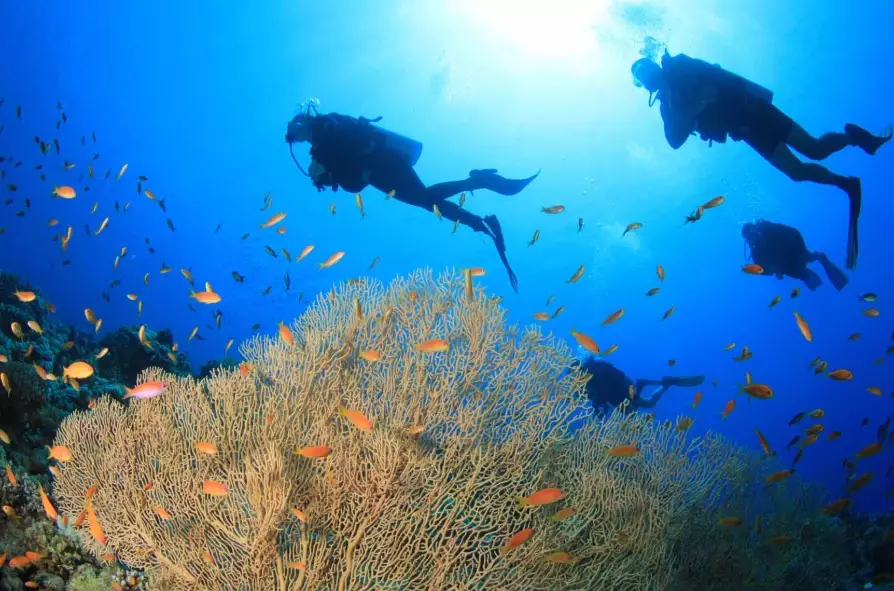
The 5 Must-Dive Regions of the Philippines
Picking spots is tough, but these five areas represent the core of the Philippines diving experience. Each has a distinct personality.
| Region & Key Town | Signature Dive Experience | Best For | Sample Site |
|---|---|---|---|
| Anilao, Batangas | Macro & Muck Diving Paradise | Underwater Photographers, Macro Lovers | Secret Bay (Nudibranch Heaven) |
| Puerto Galera, Mindoro | Shallow Coral Gardens & Drift Dives | Beginners, Long Dives, Biodiversity | Sabang Wrecks (The Alma Jane) |
| Moalboal & Malapascua, Cebu | Thresher Sharks & Sardine Balls | Shark Encounters, Unique Pelagics | Monad Shoal (Thresher Sharks) |
| Coron, Palawan | Freshwater Lake & WWII Wrecks | Wreck Divers, Adventure, Thermoclines | Irako Wreck (Massive Japanese Ship) |
| Tubbataha Reefs, Sulu Sea | Liveaboard-Only Open Ocean Atoll | Advanced Divers, Big Animals, Pristine Reefs |
Anilao: The Macro Capital
Just a 3-hour drive south from Manila's NAIA airport, Anilao is your quickest escape. Don't expect dramatic walls. The magic here is in the details. Sites like Secret Bay and Layag Layag are muck diving meccas. I spent 70 minutes on a single dive at Twin Rocks once, finding five different species of pygmy seahorse, flamboyant cuttlefish, and more nudibranchs than I could count. It's a photographer's dream. Stay at resorts along the coastline like Buceo Anilao Beach & Dive Resort or Planet Dive. A 3-day diving package with full board can range from $300 to $600. A common mistake? Rushing the dive. Slow down. Breathe. The critters are there, but they're masters of camouflage.
Moalboal & Malapascua: Sardines and Sharks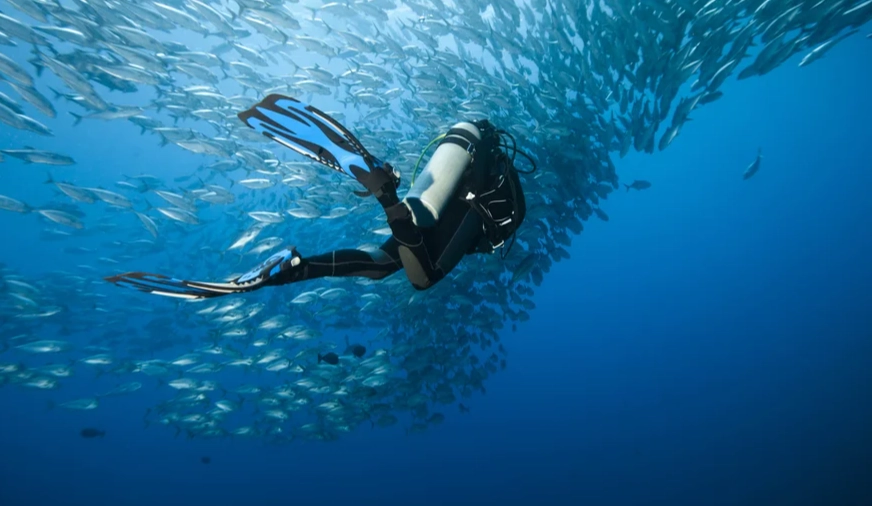
Cebu offers two distinct vibes. In Moalboal (southwest coast), the iconic experience is the Sardine Run at Pescador Island. It's not a seasonal run; it's a permanent, massive ball of millions of sardines right off Panagsama Beach. You can snorkel with them. It's insane. Diving here also offers good coral and occasional turtles. Up north, the tiny island of Malapascua is the only reliable place in the world to see pelagic thresher sharks daily. The dive is an early morning, pre-dawn affair at Monad Shoal, a cleaning station at about 25-30 meters. It's a blue water dive, often with current. Not for brand-new divers. Stay at Exotic Dive Resort on Malapascua or one of the many lodges in Moalboal. Budget around $40-50 per dive including gear.
Coron: Wrecks and Lakes
Coron Bay in Palawan is a history lesson submerged. A fleet of Japanese supply ships sunk in a 1944 US air raid sits in relatively shallow water (15-35m). The Irako (a refrigerated supply ship) and the Olympia Maru are breathtaking. They're encrusted in life but still haunting. The dive logistics are trickier here—more current, often lower visibility inside the wrecks. You need good buoyancy. Then there's Barracuda Lake, a dive like no other. You climb over sharp limestone, then drop into a brackish lake with a wild thermocline. Swimming from 28°C water into a 38°C layer feels surreal. Coron town is the base. Accommodation ranges from hostels to upscale resorts like Two Seasons Coron. Wreck diving permits cost extra (around $5-10 per day).
Local Insight: Most blogs will tell you to do the "wreck diving course" here. Honestly? If you have 20+ dives and solid buoyancy, you can do the basic penetration dives (swim-throughs) on many Coron wrecks with a good guide. Save the course money for more dives. The real pro-tip: hire a private boat for your group if you can. The standard joiners' boats hit the same wrecks at the same time, and it gets crowded.
Tubbataha Reefs: The Ultimate Liveaboard Adventure
This is the crown jewel, a UNESCO site only accessible by liveaboard during a short season (mid-March to mid-June). It's expensive ($2,500-$4,000 for a week) and requires advanced skills. Why? It's in the middle of the Sulu Sea. The reefs are vertical walls dropping into the abyss, visited by hammerheads, manta rays, tiger sharks, and hundreds of sharks. The visibility is routinely 30m+. Operators like Philippine Siren or Discovery Fleet run trips here. This isn't a casual add-on; it's a trip you build your entire vacation around. Book at least a year in advance.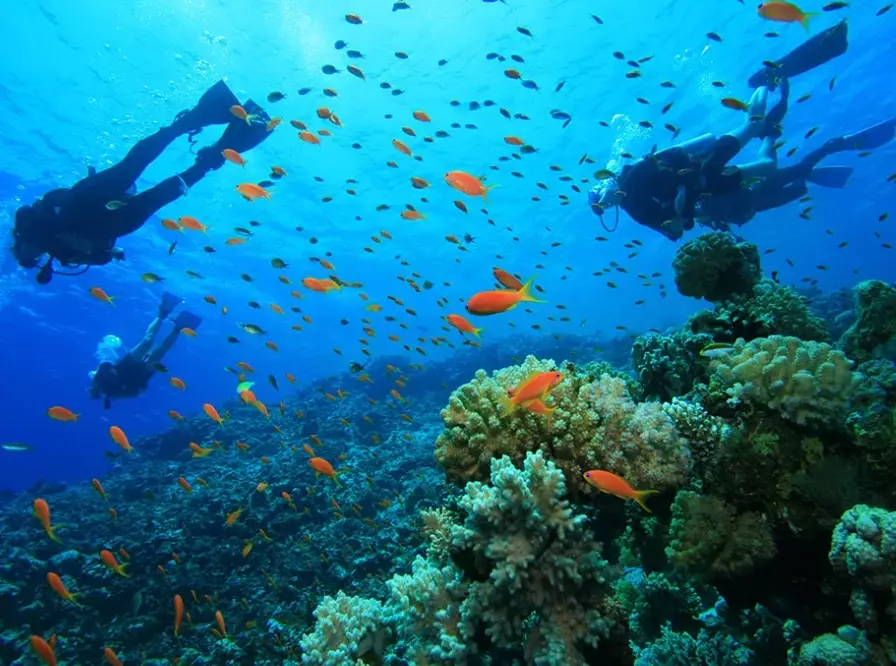
How to Plan Your Philippines Diving Itinerary
This is where people mess up. They try to squeeze Anilao, Malapascua, and Coron into 10 days. You'll spend half your trip in airports and on ferries. The Philippines is bigger than it looks on a map. Pick one or two regions per trip.
For a 5-7 Day Trip (First Timer): Fly into Manila. Transfer directly to Anilao (3-4 days of relaxed, critter-filled diving). Then, take a ferry from Batangas Pier to Puerto Galera (1.5 hours) for another 3-4 days of vibrant reefs. Fly out of Manila.
For a 7-10 Day Trip (Intermediate+): Fly into Cebu City. Head straight to Malapascua (4-5 hour combo of van/boat) for 3 days of thresher sharks. Then, travel south to Moalboal (4-5 hours by van) for 3 days with the sardines and maybe whalesharks in Oslob (controversial, but that's another topic). Fly out of Cebu.
Budgeting Reality Check: Diving is cheap, international flights are not. Once there, a fun dive costs $25-40. A basic beachfront fan room can be $20/night. A nice AC resort room is $50-80/night. Food is incredibly cheap if you eat local (carinderias). Figure $80-150 per person per day all-in, excluding international flights.
When is the Best Time to Go Diving in the Philippines?
The country has two main seasons: Amihan (November to May, NE winds, dry season) and Habagat (June to October, SW winds, rainy/wet season).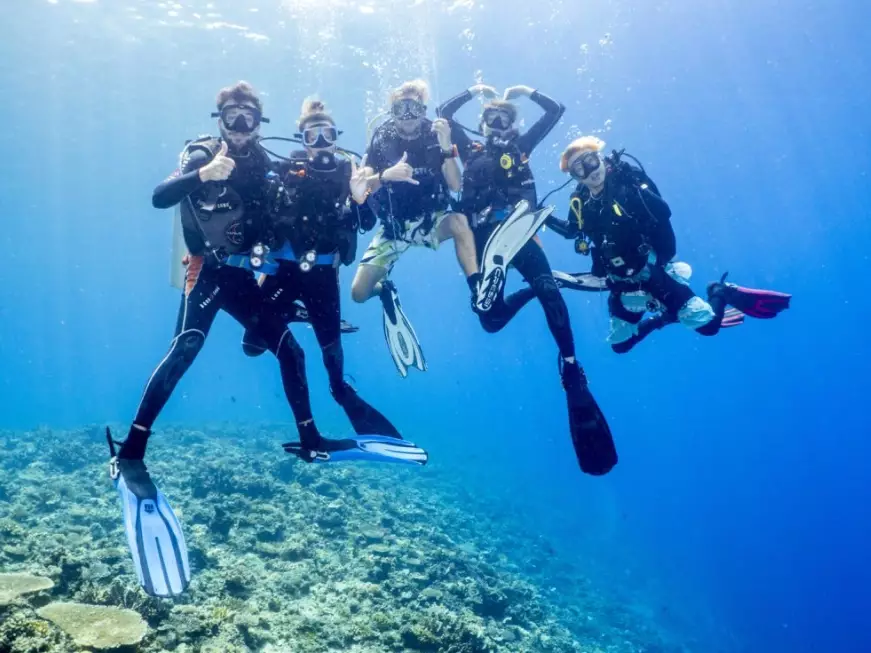
- Peak Season (Dec-May): Best overall conditions. Calm seas, sunny skies. This is Tubbataha season (Mar-Jun). It's also the most crowded and expensive.
- Shoulder Season (Nov & May-Jun): My personal favorite. Good weather, fewer people, better prices. You might get a quick rain shower.
- Low Season (Jul-Oct): The west side (Coron, El Nido) can be rough or inaccessible. The east side (Leyte, Surigao) comes into its own with calm seas. It's a great time for deals and having sites to yourself, but you must be flexible. Typhoons are a possibility.
Coron's wrecks are often best dived from October to May. Malapascua's thresher sharks are year-round.
Your Philippines Diving Questions, Answered
 What is the best Philippines diving spot for beginners getting their Open Water certification?
Your comment