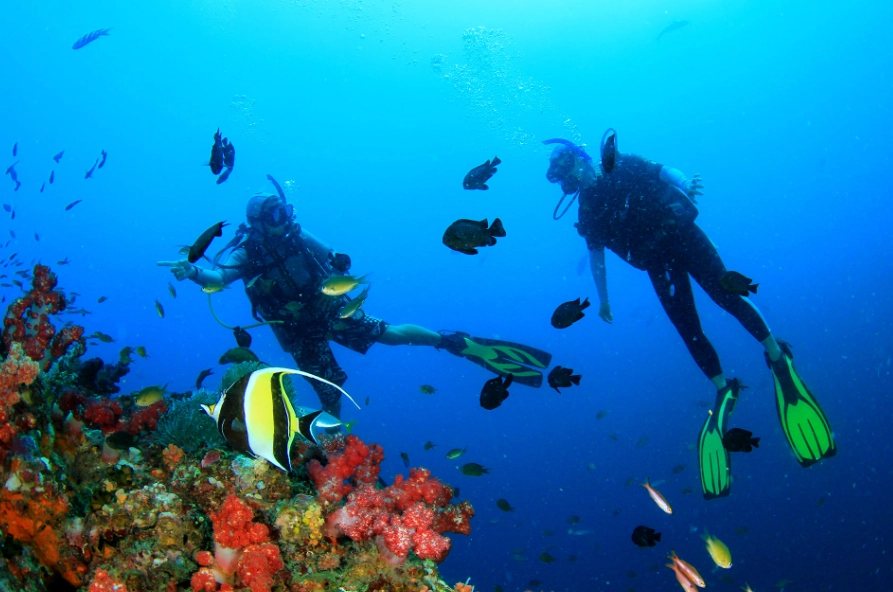
You're thinking about learning to scuba dive. Maybe you saw a video of a turtle gliding past, or a friend won't stop talking about their dive trip. The idea is exciting, but also a bit nerve-wracking. Where do you even start? If the Philippines is on your radar, you've already hit the jackpot. With over 7,000 islands, it's not just a good place to learn—it's arguably the best. The water is warm year-round, the marine life is ridiculous, and there are specific spots where the conditions are so forgiving, they feel like a giant, salty swimming pool designed for your first breaths underwater.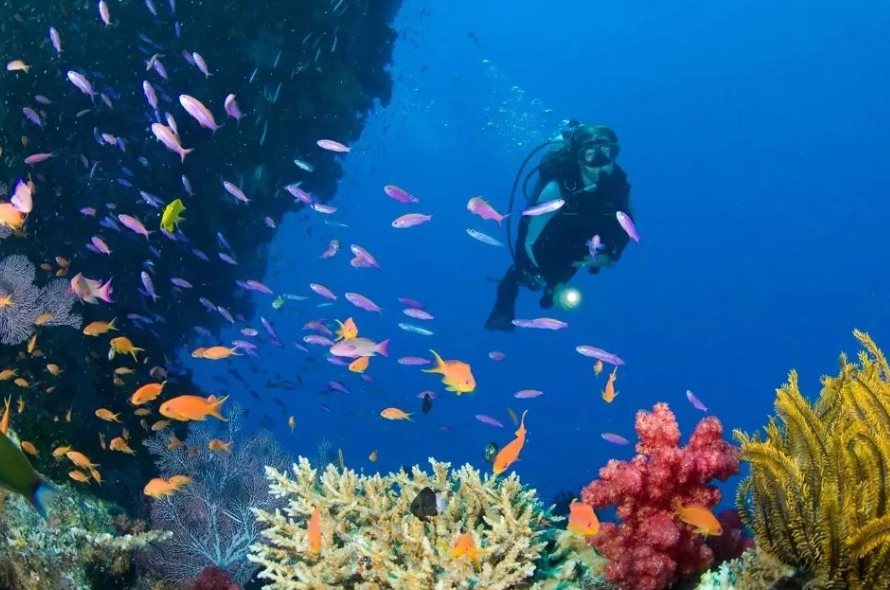
I remember my first open water dive after certification. It was in a place much less ideal than the Philippines, with limited visibility and a strong current that made focusing on my buoyancy a fight. I wish I had started here instead. The difference a calm, clear, life-filled environment makes for a beginner's confidence is everything.
Your Quick Dive Guide
Top 3 Beginner Dive Spots in the Philippines
Forget just listing places. Let's break down why these three areas are the gold standard for your first dives. We're talking minimal current, max wow factor, and dive centers that see new divers every single day.
| Spot & Region | Why It's Great for Beginners | The "Wow" Factor | Logistics & Vibe |
|---|---|---|---|
| Anilao, Batangas (Luzon) | Protected coves, very shallow reefs (5-12m), almost no current. It's the "pool session" of the ocean. Perfect for mastering buoyancy. | Macro heaven. Nudibranchs, frogfish, seahorses. It's like a treasure hunt on every dive. | 3-4 hour drive from Manila. Resort-based diving. Quiet, focused on diving. Great for weekend trips or starting your Open Water course. |
| Alona Beach, Panglao (Bohol) | Consistently calm seas, gentle sandy slopes, incredible visibility (often 20m+). Dive sites are minutes from the beach. | The Balicasag Island wall. One minute you're in 5m of water, the next you're peering into the blue alongside jackfish and turtles. It's effortless drama. | Fly into Tagbilaran (from Manila or Cebu). Lively beach town with restaurants, bars, and dozens of dive shops. Ideal for combining diving with other activities. |
| Coron Bay, Palawan | Wait, wrecks for beginners? Yes. Several Japanese WWII wrecks lie in 10-18m of crystal-calm water. They are shallow, intact, and full of life. | Swimming through a sunken ship on your 4th dive ever. It's an unforgettable, history-filled experience most beginners never get. | Fly to Busuanga. Town-based, more adventurous vibe. Combines unique diving with stunning kayaking in Coron's lakes. Less nightlife, more raw nature. |
Most blogs will tell you about Puerto Galera or Moalboal. They're fantastic, but for a true first-timer, the currents can be a tad more unpredictable. The spots above offer a higher guarantee of serenity.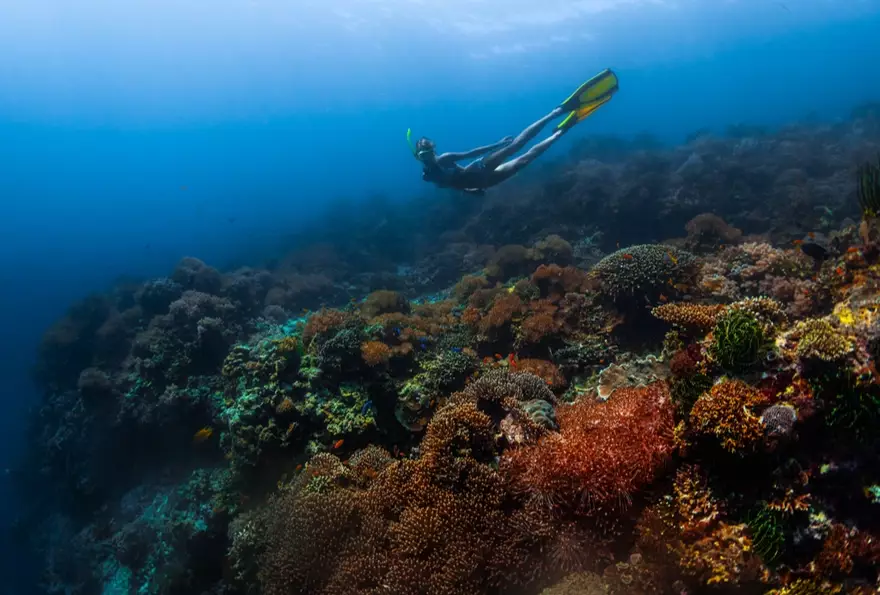
Beyond the Big Three: An Honest Look
You'll hear about Puerto Galera. It's a great training ground, but Sabang Beach can be busy with boat traffic. The sites are close, but some, like the Hole in the Wall, have mild currents that a brand-new diver might find distracting. It's better for your 5th-10th dives, not your 1st.
Moalboal's sardine run is mind-blowing. But the main dive site is a wall that drops into the deep. It's easy diving, but the mental shift from a sloping reef to a sheer drop can be intense for some. I'd slot it in after you've got 3-4 calm dives under your belt.
Why These Spots Are Perfect for New Divers
It's not just about pretty fish. Specific conditions directly impact your safety, learning curve, and enjoyment.
Calm, Predictable Water: Anilao's coves and Panglao's leeward side are naturally shielded. This means you can focus 100% on your breathing and buoyancy, not fighting to stay in one spot. In Coron, the wrecks sit in a sheltered bay. This is the single biggest factor for a positive first experience.
Shallow Reefs or Sites: The recreational diving limit is 18 meters for beginners, but you'll do most of your learning between 5 and 12 meters. Deeper dives eat your air faster and increase task-loading. These areas are designed for long, shallow, relaxed exploration.
A pro tip most miss: When you're researching a dive center, don't just ask if they teach beginners. Ask them, "Which specific site do you use for the first open water dive of the Open Water course?" A good center will have a designated, ultra-calm, shallow site for this. If they're vague, it's a red flag.
An Explosion of Life: Boredom isn't an option. In Anilao, you'll be fixated on finding tiny, colorful creatures. In Panglao, turtles are so common they're almost mundane. This visual stimulation keeps any anxiety at bay—you're too busy looking around to worry.
Dive Center Density & Quality: Places like Alona Beach have intense competition among dive shops. This generally drives up service standards. Instructors here are used to students from all over the world and have seen every possible beginner quirk. According to the Professional Association of Diving Instructors (PADI), the Philippines has one of the highest densities of dive professionals in Asia, ensuring quality training.
How to Get Started: Your First Dive Trip Plan
Let's make this actionable. Here's a sample 5-day plan for a first-timer going to Alona Beach, Bohol.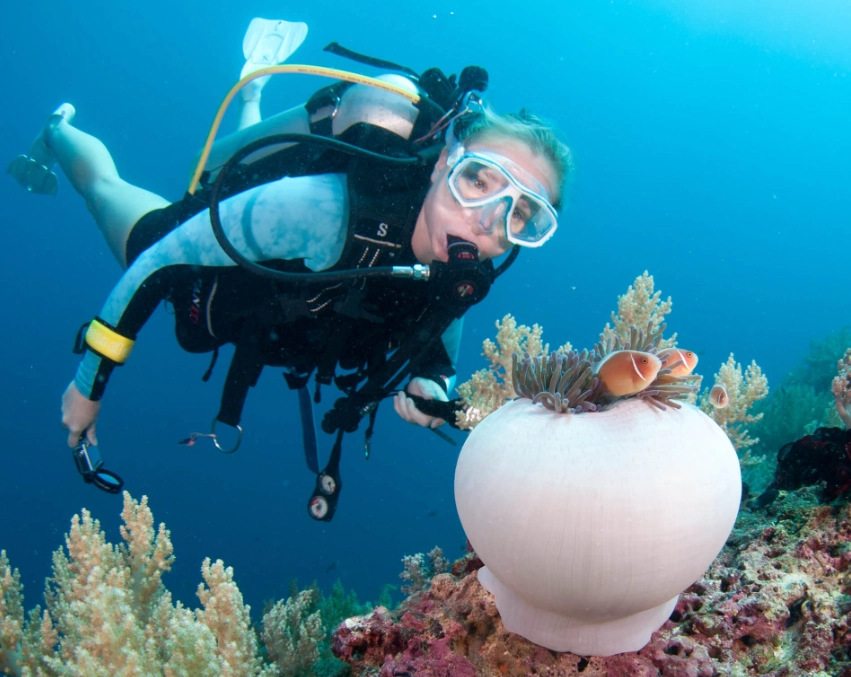
Day 1: Arrive in Tagbilaran. Transfer to your hotel in Alona Beach (30 mins). Relax, walk the beach, and visit your chosen dive shop for a briefing. They'll have you fill out paperwork and maybe fit your gear.
Day 2: Open Water Course Day 1. Morning pool/confined water session in a dedicated pool or very shallow bay. Afternoon: Theory review. You're done by 3-4 PM. Go eat some grilled fish.
Day 3: Open Water Dives 1 & 2. You'll likely go to a site like Arco Point or Alona House Reef. Max depth 12 meters. You'll practice skills on the sandy bottom, then go for a tour. The afternoon is free.
Day 4: Open Water Dives 3 & 4. These often include a dive at Balicasag Island. You'll do your last skills, and then enjoy two full fun dives as a certified diver! Congratulations. Your logbook is no longer empty.
Day 5: Optional fun dive in the morning (maybe see the Black Forest or more of Balicasag), or go on a Bohol countryside tour to see the Chocolate Hills and tarsiers. Depart in the afternoon.
Choosing a Dive Center: Don't just pick the cheapest. Look for centers with their own boats (more flexibility), small student-to-instructor ratios (4:1 is standard, 3:1 is premium), and good online reviews that specifically mention beginner-friendliness. Genesis Divers and Philippine Fun Divers in Alona, or Dive & Trek in Anilao, have long-standing reputations for patient instruction.
What to Pack (Beyond the Obvious)
- A Logbook: The dive shop will provide a temporary one, but bringing your own feels more official. Get it stamped.
- Rash Guard: Protects your skin from the sun, the wetsuit, and any accidental coral brushes. More important than you think.
- Anti-Fog for Mask: Baby shampoo in a tiny bottle works perfectly and is cheaper than dedicated solutions.
- A Small Dry Bag: For your phone, wallet, and logbook on the boat.
- Patience with Yourself: You will feel clumsy. Your buoyancy will be all over the place at first. Everyone goes through it. The instructor expects it.
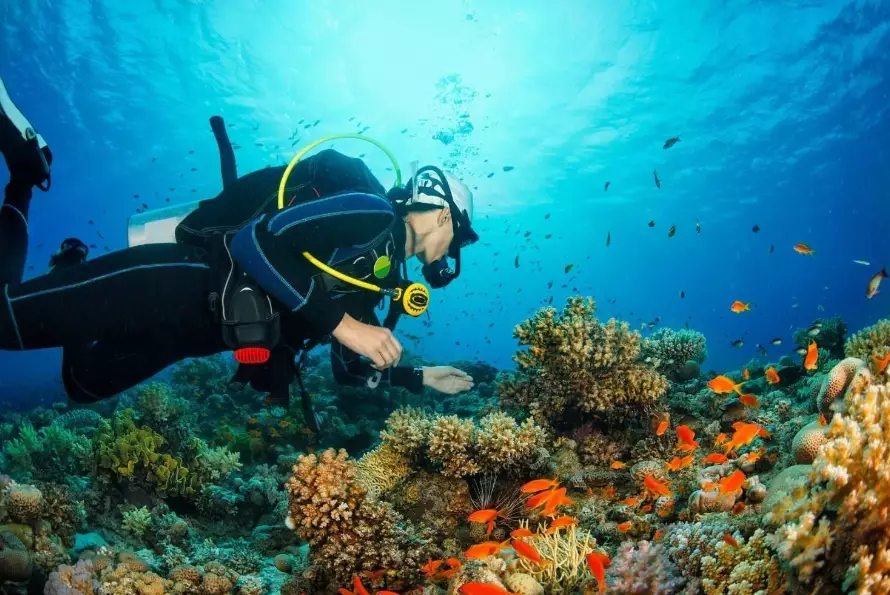
A Common Beginner Mistake (And How to Avoid It)
Here's something you won't read in many guides. The biggest mistake I see new divers make isn't technical; it's over-scheduling.
You get certified, you're euphoric, and you book 3 boat dives a day for the rest of your trip. By the afternoon of the second day, you're exhausted, dehydrated, and not enjoying it anymore. Diving is physically and mentally taxing when you're new.
The fix? Plan for one or two dives a day max for your first trip post-certification. Use the afternoons to relax, hydrate, log your dives properly, and let the experience sink in. Quality over quantity. Your body and your enjoyment will thank you.
Your Beginner Diving Questions Answered
 Is it safe to dive in the Philippines as a beginner? What about sharks?
Your comment