Let's cut to the chase. Yes, you absolutely can go scuba diving with zero prior experience. The entire diving industry has a system built for people exactly like you. It's called a "Discover Scuba Diving" (DSD) experience or a "Try Dive." I've seen hundreds of nervous first-timers turn into grinning, wide-eyed adventurers after one of these sessions. But—and this is a big but—you cannot just rent gear and jump off a boat. Your first dive must be under the direct, one-on-one supervision of a certified instructor through a recognized program.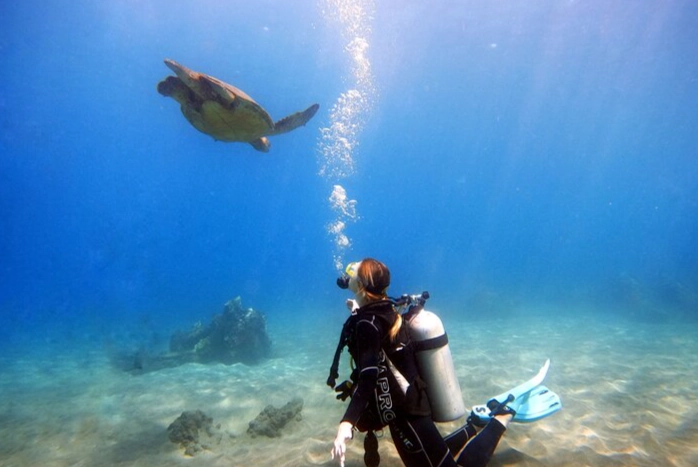
What's in This Guide?
How Does a Try-Dive Actually Work?
Think of it as a scuba diving sampler. It's designed to be safe, educational, and fun, all within a few hours. Here’s the typical breakdown of a PADI Discover Scuba Diving program, which is the global standard.
The Three-Part Structure
1. The Briefing and Theory (About 30-60 minutes)
You'll sit down with an instructor. No boring classroom—this is usually under a palapa or in a dive shop lounge. They'll cover the absolute essentials: how pressure affects your ears (and how to equalize), how your regulator works (your underwater lifeline), basic hand signals, and what to do if water gets in your mask. It's not a test; it's a conversation.
2. Confined Water Session (About 30-45 minutes)
This is where you get wet in a pool or a very calm, shallow beach area. You'll practice the skills you just learned with the instructor right next to you. The goal is to get you comfortable breathing underwater. That's it. If you can do that, the rest follows.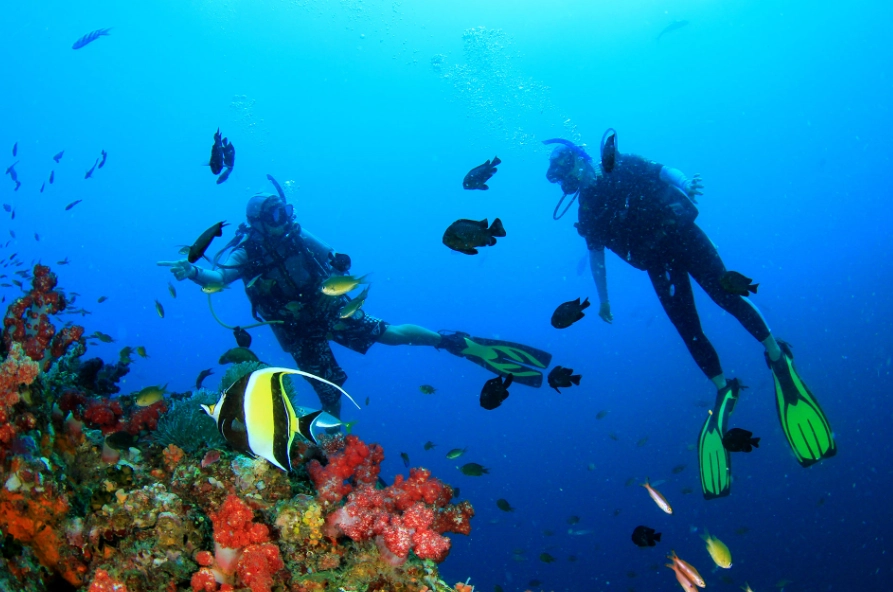
A note from experience: The biggest mistake I see new divers make here is focusing too much on the gear and not enough on their breathing. The gear is just a tool. Your slow, deep breaths are what keep you calm and buoyant. The instructor will handle your buoyancy at first, so just focus on the sensation of breathing underwater. It's a weirdly peaceful feeling once you get past the initial novelty.
3. The Open Water Dive (About 30-40 minutes)
Now for the real deal. You'll take a short boat ride or walk from the shore to a designated, shallow dive site (usually 6-12 meters/20-40 feet max). Your instructor will be with you the entire time, literally holding your tank or staying within arm's reach. You won't be navigating or doing anything complex. You'll just follow, look at the fish, and breathe.
What to Really Expect: Cost, Locations, and Physical Demands
Let's get concrete. Vague promises don't help you plan.
Cost Range: A typical Discover Scuba Diving experience costs between $80 to $150 USD. This almost always includes all gear rental (tank, regulator, BCD, wetsuit, mask, fins), the instructor's time, and sometimes a photo package. Resorts in places like Mexico or Thailand might bundle it as a cheap add-on. Always ask what's included.
Where to Do It: You can do this almost anywhere there's a dive center.
- Tropical Vacation Hotspots: Hawaii, the Caribbean (Cozumel, Roatan, Grand Cayman), Southeast Asia (Thailand, Bali, Philippines). This is the most popular way.
- Local Dive Shops: Many inland dive shops offer try-dives in local pools or quarries. It's a great, low-pressure way to try before you commit to a vacation.
The Physical Side: You don't need to be an Olympic athlete. You need basic swimming skills (the ability to swim 200 meters/float for 10 minutes is a standard requirement) and reasonable health. You'll fill out a medical questionnaire. If you check "yes" to any conditions (like asthma, heart issues, recent surgeries), you'll need a doctor's clearance. This isn't a barrier—it's a critical safety step.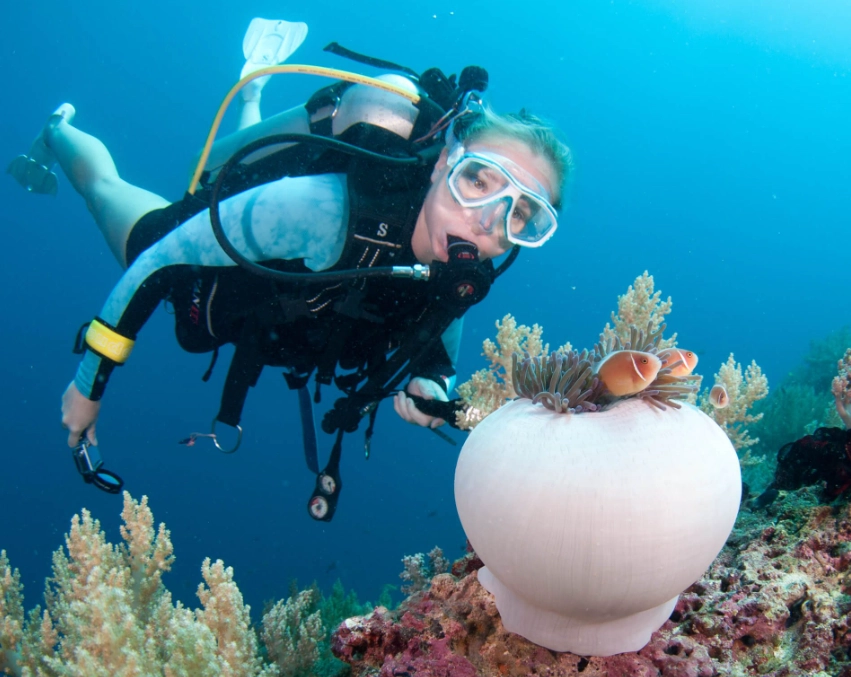
The Non-Negotiable: Never, ever dive with an operation that skips the medical questionnaire or the confined water session. That's a major red flag. Reputable centers follow the standards set by agencies like PADI or SSI religiously.
Tackling the "What Ifs": Common Fears Debunked
It's normal to be nervous. Let's address the big ones head-on.
"What if I run out of air?"
You won't. Your tank has a gauge the instructor monitors constantly. A try-dive uses a fraction of the air a certified diver uses because you're shallower and calmer. Plus, the instructor has a backup regulator (octopus) you can use instantly.
"What if my ears hurt?"
They will, if you don't equalize. This is the #1 skill to master. Pinch your nose and gently blow, like you're trying to pop your ears on an airplane. Do it early and often, every meter or so on the way down. The instructor will remind you.
"I'm claustrophobic with the mask."
This is more common than you think. The trick isn't to fight it, but to manage it. Focus on the world outside the mask—the fish, the light. Practice flooding and clearing your mask in the pool session. Knowing you can clear water any time gives a huge sense of control. Tell your instructor; they've seen it before and can help.
You Loved It! What's Next? The Certification Path
If your try-dive hooks you (and it often does), the next logical step is an Open Water Diver certification. This is your passport to dive independently with a buddy, rent gear, and go on dive trips worldwide.
Here’s a quick comparison so you know what you're stepping into:
| Aspect | Discover Scuba Diving (Try-Dive) | Open Water Diver Certification |
|---|---|---|
| Purpose | Introductory experience | Full, entry-level certification |
| Depth Limit | Max 12 meters (40 ft) | Max 18 meters (60 ft) |
| Supervision | Direct, 1-on-1 with instructor | Independent with a certified buddy |
| Time Commitment | Half a day | 3-4 days (or over weekends) |
| What You Learn | Basic safety & comfort skills | Full suite of skills: navigation, buoyancy control, safety procedures |
| Typical Cost | $80 - $150 | $350 - $600 |
The beauty is that many dive centers will apply the cost of your Discover Scuba Diving experience towards your Open Water course if you decide to continue within a certain timeframe.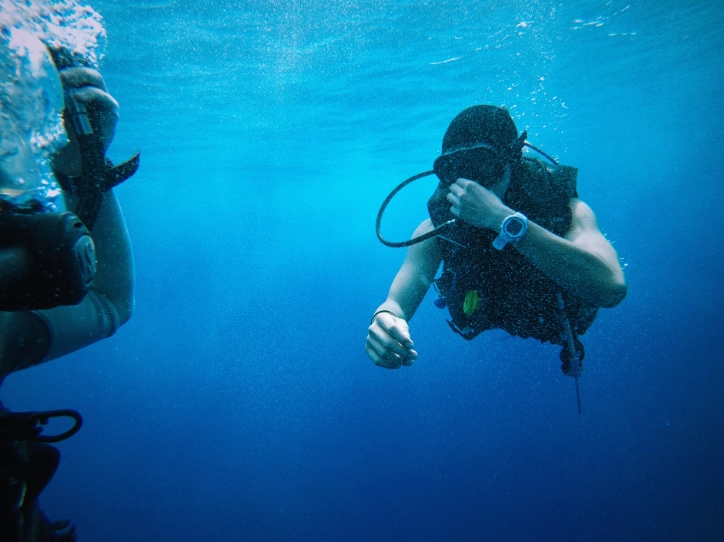
Your Beginner Diving Questions Answered
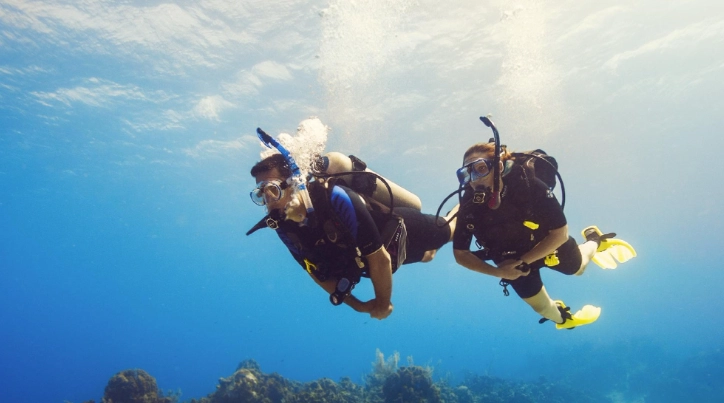 So, can you go scuba diving with no experience? The pathway is clear, structured, and safer than most people imagine. That initial leap—signing up for the Discover Scuba Diving program—is the only one you have to make alone. After that, a professional guide is with you every step of the way, literally. The underwater world isn't reserved for experts; it's waiting for anyone curious enough to take that first, carefully guided breath beneath the surface.
Your comment