Let's cut to the chase. Is the Philippines good for scuba diving for beginners? The short, emphatic answer is yes, it's one of the best places on the planet to take your first breaths underwater. I've been diving here for over a decade, guiding everyone from nervous first-timers to seasoned pros, and the archipelago consistently delivers an unbeatable combination for newcomers. Think warm, bath-like water that forgives wetsuit mistakes, an abundance of gentle, shallow dive sites teeming with life, and a dive industry built around accessibility and education. But like any destination, it's not a uniform paradise. Knowing where to go and what to expect makes all the difference between a magical first dive and a frustrating one.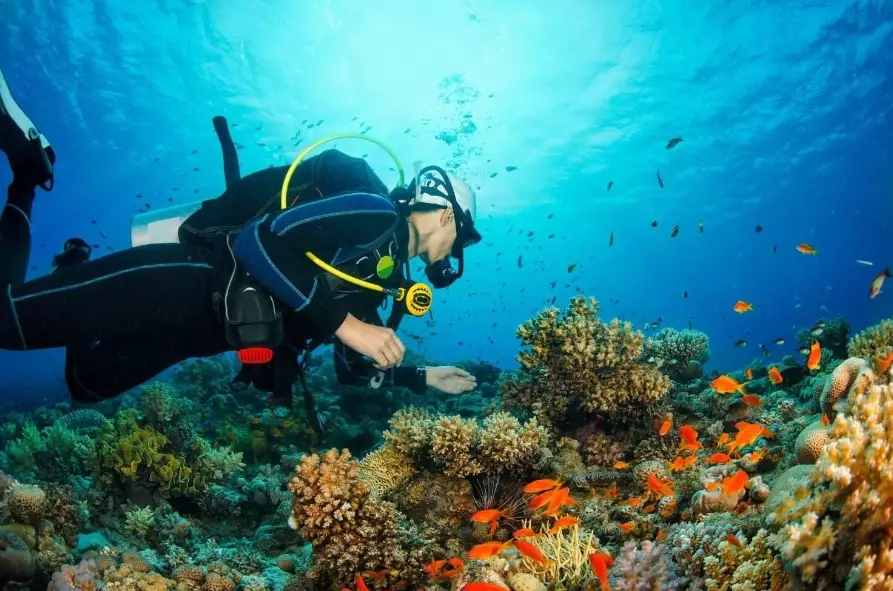
Your Quick Dive Plan
Why the Philippines Rocks for First-Time Divers
Forget the intimidating image of deep walls and strong currents. The Philippines' secret weapon for beginners is its vast network of sheltered bays, lagoons, and shallow reefs. The water temperature hovers between 26-30°C (79-86°F) year-round. You'll often dive in just a rash guard or a thin 3mm wetsuit, which means you're not wrestling with bulky gear while trying to remember your training.
The marine biodiversity is insane, even in shallow water. On your first confined water session in a calm bay, you might already see clownfish, parrotfish, and maybe a turtle. This instant gratification is a huge confidence booster. Compare that to some destinations where beginners are stuck in a murky quarry for days.
Cost is a major factor. A PADI Open Water Diver course in the Philippines typically costs between $350 to $500, including materials, gear rental, and boat dives. That's often 30-50% cheaper than in North America or Europe. Liveaboards, often seen as advanced, actually have dedicated beginner-friendly routes in places like the Visayas.
But here's a nuanced point many miss. The Filipino dive community is exceptionally patient and service-oriented. Instructors are used to students from all over the world and have a calm, encouraging manner. However, this can sometimes lead to a subtle issue for learners: over-reliance on the guide. I've seen new divers become so comfortable being physically guided around (a common practice here) that they neglect to develop their own navigation and buoyancy skills from the start. It feels helpful, but it can slow your progression to becoming a self-sufficient diver.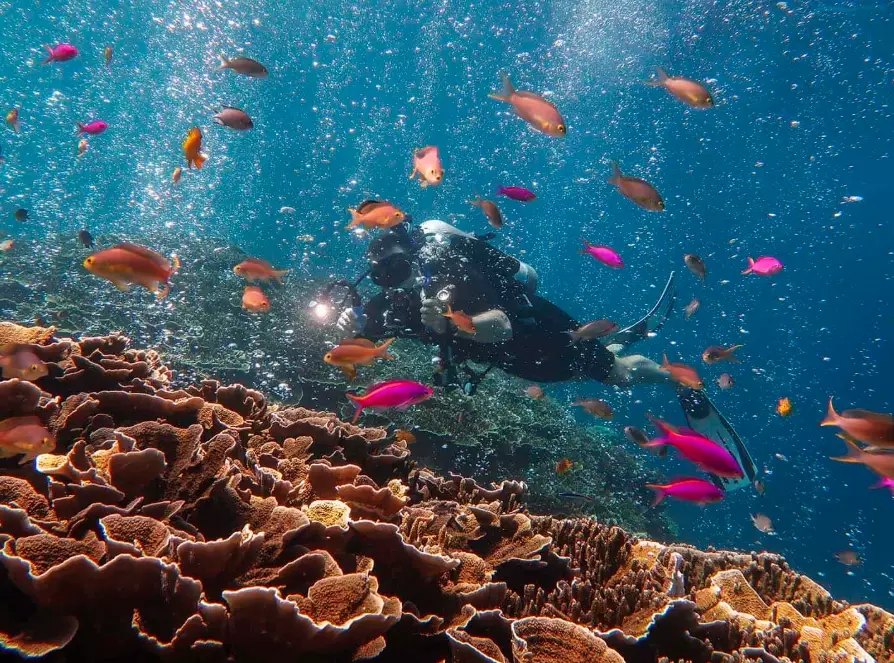
Top Beginner Dive Spots: Where to Go & Why
Not all islands are created equal for a first-timer. You want easy beach access, protected conditions, and a town with good infrastructure. Here are my top picks, based on guiding hundreds of beginners.
| Destination | Best For | Sample Beginner Dive Site | Getting There & Vibe |
|---|---|---|---|
| Bohol (Alona Beach, Panglao) | The all-rounder classic. Shallow, vibrant house reef right off the beach. | Panglao Island House Reef: 5-12 meters. Macro life, octopus, perfect for check-out dives. | Fly to Tagbilaran (TAG) from Manila or Cebu. Tourist-friendly strip with many dive shops. Can feel crowded in peak season. |
| Anilao, Batangas | Weekenders from Manila and macro/muck diving enthusiasts. | Mainit Point: Gentle slope, 8-20 meters. Famous for nudibranchs, frogfish. Calm most of the year. | 3-4 hour drive from Manila. Resort-based, quieter vibe. Less generic “beach holiday” feel. |
| Puerto Galera (PG), Mindoro | Budget-conscious learners and long-term diving practice. | Sabang Wreck: A shallow, sunken fishing boat at 12-18 meters. Fun, easy navigation. | Bus + ferry from Manila (4-5 hrs). Lively, sometimes rowdy town center. Huge concentration of affordable dive shops. |
| Moalboal, Cebu | Those who want one iconic “wow” moment (the sardine run). | Panagsama Beach House Reef: Start at 5m, see the massive sardine ball just offshore. Currents can be tricky sometimes. | Fly to Cebu (CEB), then 3-4 hour drive. Rustic, laid-back beach town. The sardines are a guaranteed thrill. |
I generally steer first-timers away from places like Coron initially (famous for deep wreck diving) or Southern Leyte (known for strong currents), despite their beauty. They're better saved for your Advanced course.
My Personal Pick for a Total Newbie: If it's your absolute first time and you're anxious, Bohol/Panglao is the most forgiving. The airport is close, the beach entry is effortless, and the dive community is vast and professional. You can do your entire Open Water course without a single challenging boat ride, which reduces variables while you're learning.
Planning Your First Dive Trip: A Realistic Guide
So you're convinced. How do you actually make it happen?
When to Go
The dry season (November to May) is ideal. Specifically, February to April offers the calmest seas and sunniest skies. Avoid the peak typhoon months of July to October, though regions like the Visayas are less affected. I've dived in Moalboal in September and had glassy conditions, but it's a gamble.
How Long You Need
An Open Water Diver course takes 3-4 full days. I strongly recommend budgeting at least 7 days total. This gives you time for travel delays (common), a day of rest after certification (you'll be tired), and 1-2 “fun dives” to practice your new skills without the pressure of training.
Budgeting Beyond the Course
The course fee is just the start. Factor in:
- Accommodation: $20-$50/night for a decent room near the dive shop.
- Food & Transport: $25-$40/day.
- Extra Fun Dives: ~$30-$45 per dive including gear.
- Travel Insurance: Non-negotiable. Get a policy that covers scuba diving (like DAN or DiveAssure). A standard travel policy often excludes it.
Here’s a sample 5-day itinerary for a beginner in Bohol:
Day 1: Arrive Tagbilaran, transfer to Panglao. Settle in, meet your dive shop, do paperwork and pool session.
Day 2: Open Water training dives 1 & 2 at the house reef. Afternoon theory review.
Day 3: Open Water training dives 3 & 4 by boat to nearby Balicasag Island (gentle drift dive). Congratulations, you're certified!
Day 4: Rest day. Island tour, see the Chocolate Hills, or just nap on the beach.
Day 5: Two fun dives at Balicasag or Pamilacan to see jackfish and maybe a reef shark. Depart.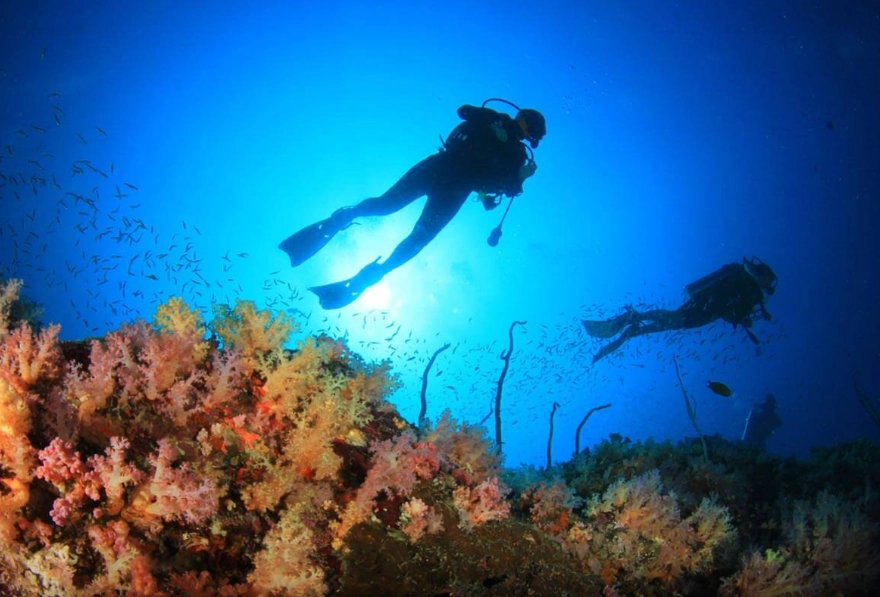
Safety & Choosing a Dive Center: What Guidebooks Don't Tell You
Safety is paramount. The Philippines has a good safety record, but you must choose wisely.
How to Vet a Dive Shop:
1. Ask about the instructor-to-student ratio. 1:4 is the PADI maximum for Open Water. 1:2 or 1:3 is ideal. If they brag about handling 8 students with one instructor, walk away.
2. Look at their gear. Pop into the shop. Is the equipment rack organized? Do the BCDs and regulators look reasonably maintained, or are they frayed and ancient?
3. Ask where their training dives are. If they always use a deep, current-prone site to “challenge” beginners, that's a red flag. It should be a genuinely sheltered site.
4. Check reviews, but read between the lines. Look for reviews that mention “patience,” “thorough briefings,” and “small groups.” Be wary of shops that only have glowing, generic reviews.
A common mistake I see is beginners choosing a shop solely because it's the cheapest. Saving $50 isn't worth compromised safety or a rushed experience. Reputable shops have similar pricing; the super-cheap ones often cut corners on gear maintenance or instructor pay.
Listen to your gut. During your initial chat, does the instructor answer your questions clearly and seem engaged? Or are they just trying to close a sale? This relationship is crucial for your confidence.
Your Beginner Diving Questions Answered
As a total beginner, should I do a “discover scuba diving” experience or go straight for the Open Water certification?
If you have the time and are even moderately sure you'll enjoy it, go straight for Open Water. The “discover” experience is fun, but it's a supervised tour that doesn't teach you foundational skills like buoyancy control or safe ascents. The Open Water course makes you a real, independent diver. You'll invest the same vacation days but come away with a globally recognized license, not just a memory.
I'm not a strong swimmer. Can I still scuba dive in the Philippines?
PADI requires you to be able to swim 200 meters (any style) and tread water for 10 minutes. It's not about speed or technique, but basic water comfort. The Philippines' calm conditions help. Many who are anxious swimmers find the weightlessness of diving completely different from swimming. If you're very nervous, mention it to your instructor—they can give you extra time in the pool to get comfortable.
What's the one piece of gear you recommend a beginner invest in, even before their first trip?
A good, well-fitting mask. Rental masks often leak because they're a one-size-fits-none solution. A leaky mask is the single biggest cause of discomfort and panic for new divers. Go to a dive shop, try on dozens, find one that seals perfectly on your face without the strap (inhale gently through your nose, it should stay put). This $50-$100 investment will dramatically improve your entire learning experience.
Is it better to learn in a local dive shop at home or wait and do it all in the Philippines?
There's a hybrid option most people don't consider: do the PADI eLearning and pool sessions at home, then do your “open water referral” dives in the Philippines. This splits the time commitment. You learn theory and basic skills in a controlled environment at home, then complete your certification with 2 days of amazing ocean dives abroad. It's efficient and lets you maximize your vacation time on beautiful reefs.
I've heard about monsoon seasons. Will my entire trip be ruined if I go in the “off-season”?
Not necessarily. The Philippines is huge. While the southwest monsoon (Habagat, June-Oct) brings rain to the west (like Palawan), the east coast (like Dauin in Negros) can be sunny and calm. Conversely, the northeast monsoon (Amihan, Nov-May) affects the east but leaves the west sheltered. Research the specific region you're visiting. For classic beginner spots like Bohol and Cebu, November to May is consistently reliable.
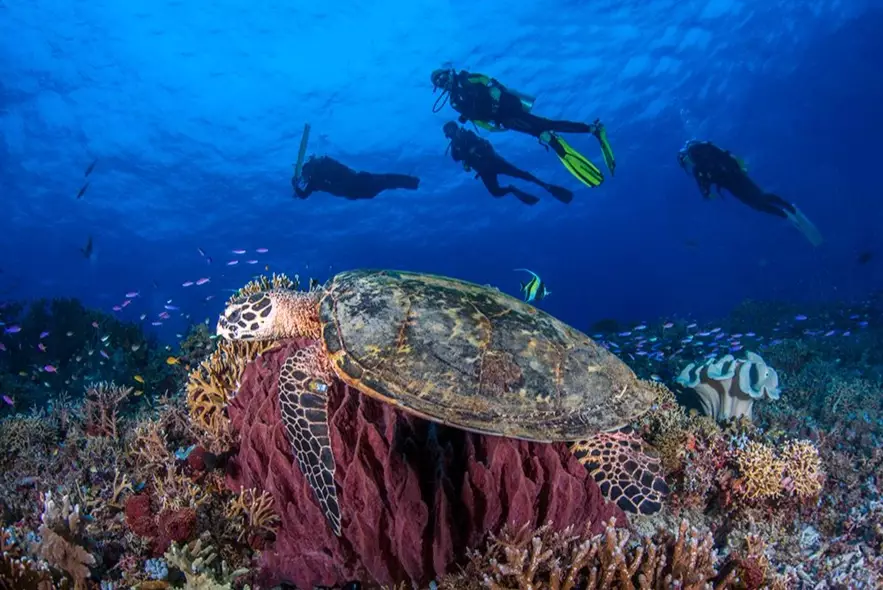 So, back to the original question. Is the Philippines good for scuba diving for beginners? It's more than good—it's a frontrunner. The combination of accessible marine life, warm water, professional infrastructure, and value for money is hard to beat. Just pick the right spot (start with Bohol or Anilao), choose your dive shop with care (not just by price), and give yourself enough time to learn without rushing. Your first sight of a sea turtle gliding over a coral garden will make every moment of practice worth it. See you underwater.
Your comment