Let's cut to the chase. The Philippines isn't just a good place to learn scuba diving; it's arguably one of the best on the planet. Warm, bath-like water year-round, insane marine biodiversity right from the shore, and a culture built around welcoming divers. But as a beginner, the sheer number of islands and dive shops can be paralyzing. I've been diving here for over a decade, and I've seen newcomers make the same subtle mistakes—choosing the flashy resort over the quality instructor, or rushing their course to squeeze in more "fun" dives. This guide is here to steer you clear of that. We'll map out the absolute best spots for your first bubbles, break down exactly what your course entails, and give you the nitty-gritty on cost and planning. Consider this your pre-dive briefing.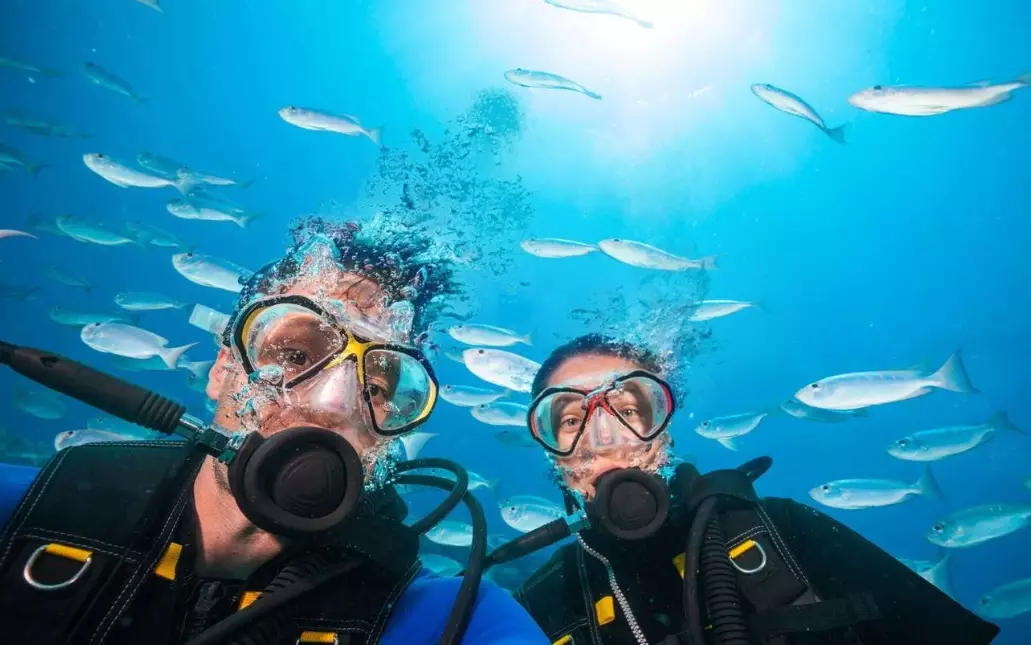
Your Quick Dive Plan
- Why the Philippines is Perfect for Your First Dive
- Top 3 Beginner Dive Havens Compared
- How to Choose Your Dive Center (The Right Way)
- What to Really Expect in a PADI/SSI Open Water Course
- Gear You Need to Know About
- Safety & Comfort: The Non-Negotiables
- A Realistic Budget Breakdown for Your Trip
- FAQs for the First-Time Diver
Why the Philippines is Perfect for Your First Dive
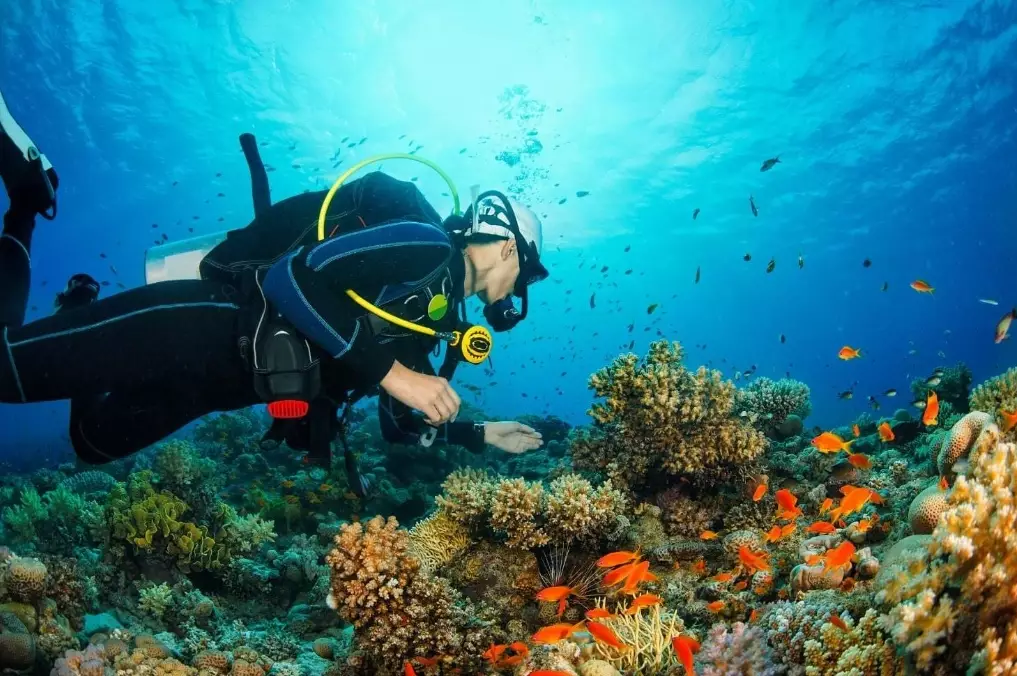
Forget what you've seen in documentaries about strong currents and deep walls. The archipelago has countless protected bays, shallow reefs, and calm lagoons that are tailor-made for learning. The water temperature hovers between 26-30°C (79-86°F). This means you can focus on your breathing and skills without shivering in a 5mm wetsuit. Visibility is often excellent, which does wonders for confidence—seeing your instructor and the colorful fish clearly reduces that initial "underwater claustrophobia" some feel.
More importantly, the dive industry here is mature. Instructors are often multilingual and have thousands of dives under their belts. The standard training agencies—PADI, SSI, RAID—are all well-represented. A certification from here is recognized globally. The real secret? The house reefs. Many dive centers are built right on a reef you can swim to from the beach. Your first confined water sessions might be in a pool, but your first open water dives are often just a short swim away, teeming with life. It's instant gratification.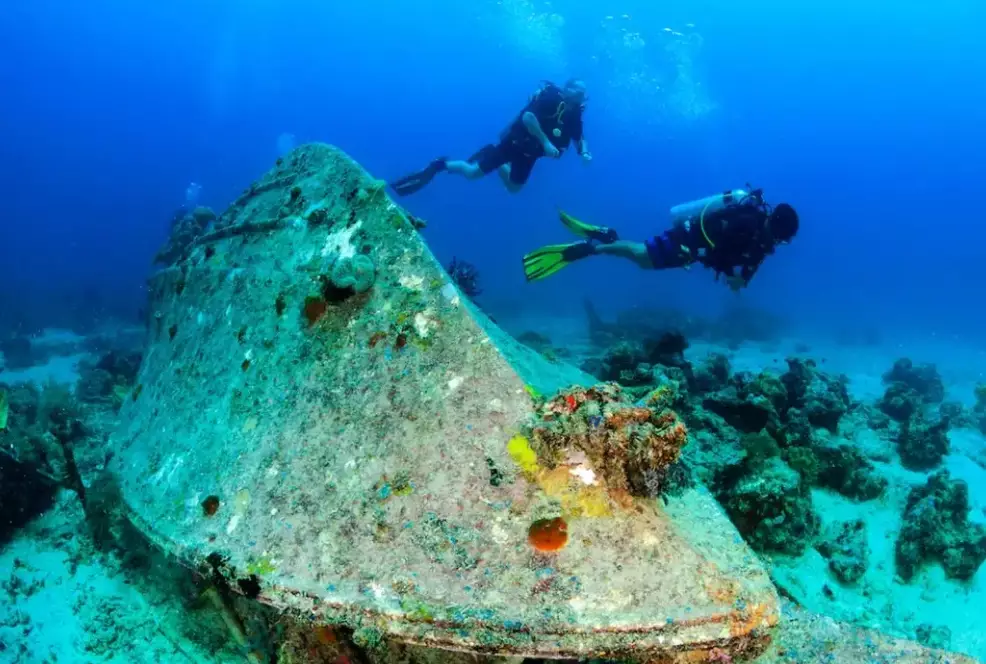
Top 3 Beginner Dive Havens Compared
Not all islands are equal for a first-timer. You want easy beach access, reliable conditions, and a town with amenities. These three spots are the gold standard.
| Destination | Why It's Great for Beginners | Sample Dive Site (Beginner-Friendly) | Getting There & Vibe |
|---|---|---|---|
| Puerto Galera, Mindoro | The classic learning hub. Dozens of dive schools, very affordable packages, and over 40 sites within 10 minutes by boat. Currents are minimal in the Sabang Bay area. The sheer volume of schools creates healthy competition on price and service. | Sabang Wrecks: Two small, shallow wrecks (6-18 meters) sitting on a sandy bottom. Perfect for practicing buoyancy and seeing macro life like frogfish and nudibranchs. | 3-4 hour bus+boat from Manila. Lively, sometimes party-heavy vibe in Sabang. Lots of budget accommodation and food options. |
| Moalboal, Cebu | Famous for the Sardine Run—a massive, swirling ball of sardines accessible from the shore at Panagsama Beach. This means you can have a world-class dive experience straight from your dive shop's doorstep, no boat needed for many dives. | Panagsama House Reef: Literally steps from the beach. 5-15 meters deep, home to the sardines, turtles, and countless reef fish. Ideal for check-out dives and buoyancy practice. | 3-4 hours by car/bus from Cebu City. More relaxed, spread-out town feel. Great for combining diving with Cebu island tours. |
| Dauin, Negros Oriental | The muck diving capital. Sandy slopes near the shore are a treasure hunt for rare critters (seahorses, flamboyant cuttlefish). Water is always calm. It's also the gateway to Apo Island, a marine sanctuary with gentle currents on its protected side. | Dauin Sanctuary: A purpose-made, shallow muck diving area. Max depth 10m. You'll learn to spot the incredible camouflaged life you'd normally swim right past. | 30 mins from Dumaguete Airport. Upscale, tranquil resort vibe. Fewer backpackers, more dedicated divers and families. |
My personal take? If it's your absolute first time and you want the most structured, dive-focused environment, Puerto Galera is hard to beat. If you want that "wow" factor immediately with the sardines, choose Moalboal. For a quieter, critter-focused experience with easy access to a world-class reef (Apo Island), pick Dauin.
How to Choose Your Dive Center (The Right Way)
This is where most beginners trip up. They book based on the prettiest website or the cheapest price. Don't.
First, email them. Ask specific questions: "What is the maximum number of students per instructor for the Open Water Diver course?" (The answer should be 4:1, max). "Will my open water dives be from the shore or by boat?" "Can I meet the instructor who will likely be teaching on my dates?" A good center responds promptly and transparently.
Second, check their Google Reviews, but read between the lines. Look for reviews from other beginners, not just advanced divers. Phrases like "patient instructor," "felt safe," and "took their time" are green flags.
Here's a pro tip most won't tell you: The shiniest, most expensive resort isn't always the best for learning. Sometimes, the smaller, owner-operated shop where the instructor is also the manager cares more about your long-term love for diving than turnover. I learned in a modest shop in Moalboal, and my instructor spent an extra hour with me on buoyancy because he saw I was keen. That made all the difference.
What to Really Expect in a PADI/SSI Open Water Course
The standard course takes 3-4 full days. It's not a vacation; it's a fun, but structured, learning experience.
The 3-Part Structure:
- Knowledge Development: You'll watch videos, read a manual, and take quizzes. Most shops now offer e-learning you can do at home before you travel. Do this. It saves 1 full day of classroom time and lets you hit the water faster.
- Confined Water Dives: Typically in a pool or a very calm, shallow bay. You'll learn to set up gear, clear your mask, recover your regulator, and achieve neutral buoyancy. This is where you build muscle memory.
- Open Water Dives (4 dives): You'll demonstrate the skills you learned in real ocean conditions, under the direct supervision of your instructor. These dives also let you simply enjoy diving.
The biggest mental hurdle for most people is mask clearing (letting water into your mask and blowing it out through your nose). It feels counterintuitive. A good instructor will have you practice it slowly, over and over, until it's no big deal. Don't stress about it.
The Common Mistake: Rushing
Some shops offer a "3-day fast-track" course. Unless you're a natural in the water and incredibly focused, I advise against it. Opt for the standard 4-day schedule. The extra day gives your body and mind time to absorb the skills. Fatigue leads to frustration. A relaxed pace leads to confidence.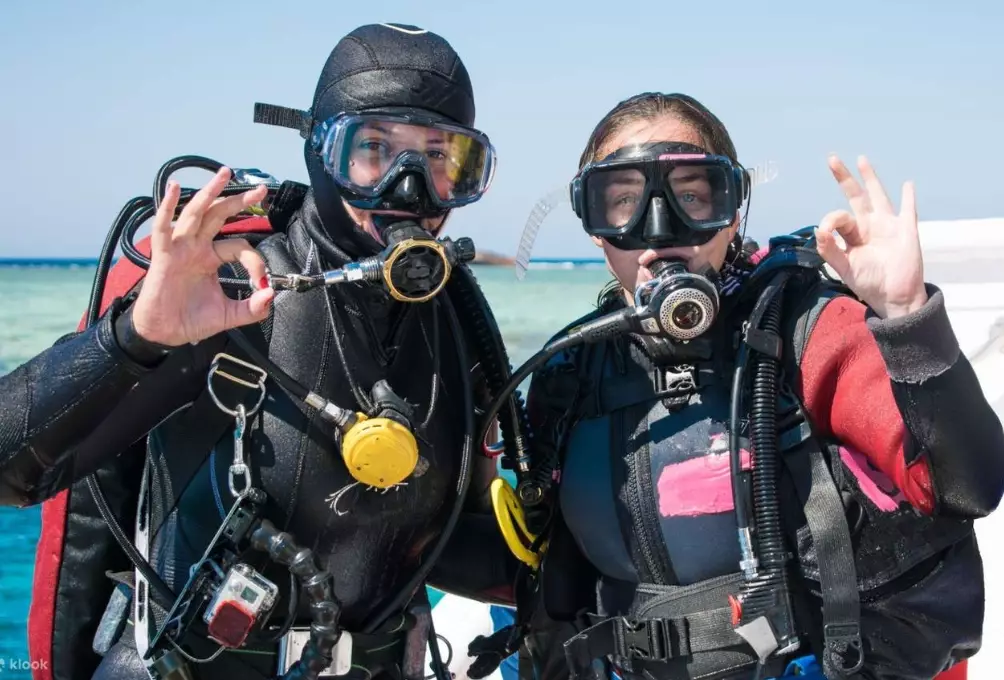
Gear You Need to Know About
You don't need to buy anything. Reputable dive centers include full gear rental in the course price. However, for hygiene and comfort, I strongly recommend investing in two personal items:
- A Good Mask: Rentals are often scratched and leaky. A mask that fits your face perfectly is the single best investment for comfort. Go to a dive shop, try on dozens, and find one that seals without the strap. Expect to pay $50-$100.
- Your Own Snorkel: It's cheap and you put it in your mouth. Enough said.
Everything else—buoyancy control device (BCD), regulator, wetsuit, fins, computer—you can rent. Your instructor will show you how it all works. The dive computer is your underwater brain; you'll learn to read your depth, time, and no-decompression limit.
Safety & Comfort: The Non-Negotiables
Safety is baked into the training. You'll learn the golden rule: Never hold your breath. Breathe continuously. Beyond that, your comfort is key to a good experience.
- Equalize Early & Often: As you descend, pinch your nose and gently blow to "pop" your ears. Do it every meter, before you feel pressure. If it hurts, signal your instructor, go up a bit, and try again.
- Communicate: Use the hand signals you're taught. A thumbs-up doesn't mean "good," it means "go up." If you're cold, tired, or anxious, tell your instructor immediately.
- Hydrate: Drink plenty of water the day before and during your course. Diving is dehydrating, and dehydration worsens fatigue and increases susceptibility to decompression sickness.
A Realistic Budget Breakdown for Your Trip
Let's talk numbers for a 5-day, 4-night trip focused on getting certified.
| Expense Item | Estimated Cost (USD) | Notes |
|---|---|---|
| PADI/SSI Open Water Diver Course | $350 - $450 | Includes all gear rental, instruction, and certification fee. Prices are lower in Puerto Galera, higher in Dauin resorts. |
| Budget Accommodation (Private Fan Room) | $20 - $40 / night | Basic but clean. Often walking distance to dive shops. |
| Meals & Drinks | $20 - $30 / day | Local eateries and simple restaurants. Add more for alcohol. |
| Transportation (Local) | $50 - $100 | Depends on airport transfers and island hops. |
| Personal Mask & Snorkel | $60 - $120 | One-time purchase, highly recommended. |
| Total Rough Estimate | $700 - $1,100 | For the core diving trip, excluding international flights. |
This is a backpacker-friendly budget. You can spend more on nicer rooms or less by staying in dorms. The key is to not cheap out on the course itself. The difference between a $300 and a $400 course can be smaller class sizes and better-maintained equipment.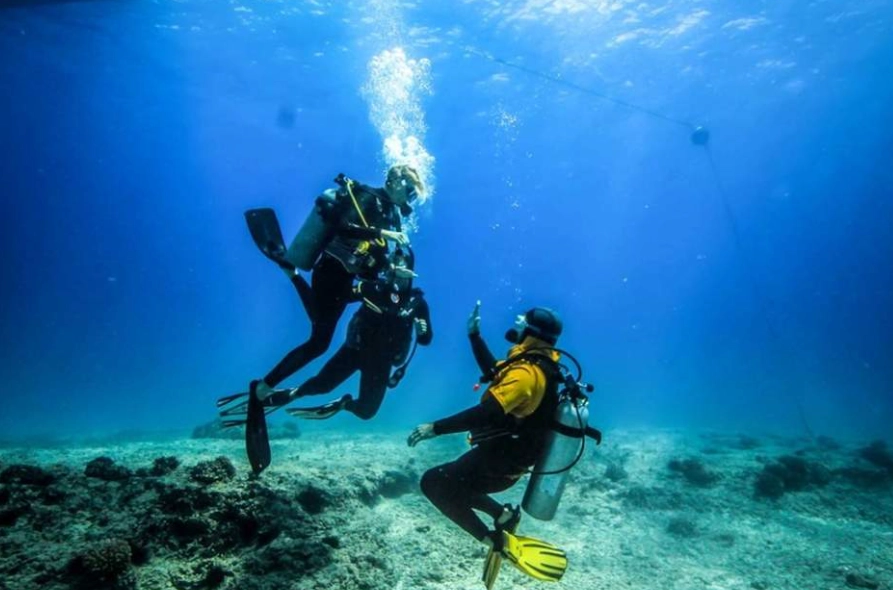
FAQs for the First-Time Diver
I'm not a strong swimmer. Can I still get certified?
The requirement is to be able to swim 200 meters (any stroke, no time limit) and tread water for 10 minutes. It's about comfort in the water, not speed. Many non-swimmers take lessons beforehand and do just fine. The scuba gear does the work; you don't need to be an athlete.
What's the one thing most beginners forget to pack?
A rash guard or long-sleeved shirt. Even in warm water, a 2-3mm wetsuit is provided, but for surface intervals or boat rides, sun protection is critical. The tropical sun reflecting off the water will burn you faster than you think. Also, a reusable water bottle.
I get seasick easily. Should I avoid dive trips?
Not at all. Many of the best beginner sites in the Philippines (like Moalboal's sardines or Dauin's muck) are accessed from the shore, no boat needed. When choosing your location and dive center, explicitly ask about shore diving opportunities. If a boat is required, take non-drowsy seasickness medication (like meclizine) an hour before departure, stay on deck looking at the horizon, and avoid heavy breakfasts.
Can I get certified and do fun dives in the same trip?
Absolutely, and I recommend it. Plan for at least 5-6 days. Get certified in the first 4 days, then use your new certification to do 1-2 guided "fun dives" with the same shop. This reinforces your skills while letting you purely enjoy the reef without skill demonstrations. It's the perfect confidence booster.
How do I know if a dive shop practices sustainable tourism?
Ask them. Good signs: they mention Project AWARE partnerships, have a strict "no touching, no gloves" policy for beginners (to prevent coral damage), use reef-safe sunscreen, and talk about mooring buoys (to avoid anchor damage). Avoid shops that promise you can "feed the fish" or touch turtles—these are major red flags.
 The Philippines awaits, not just as a destination, but as the place where you'll discover a whole new world—and a new part of yourself. Take a deep breath, and take the plunge.
Your comment