Let's cut to the chase. You're thinking about scuba diving in the Philippines because you've heard the whispers – it's a world-class destination. The whispers are right, but the internet is full of generic lists that don't tell you how to actually do it. I've been diving these islands for over a decade, guiding trips from the remote atolls to the bustling tourist hubs. This isn't just another "top 10" list. This is a roadmap from someone who's made the mistakes, found the hidden gems, and knows what you really need to plan an unforgettable trip, not just a holiday.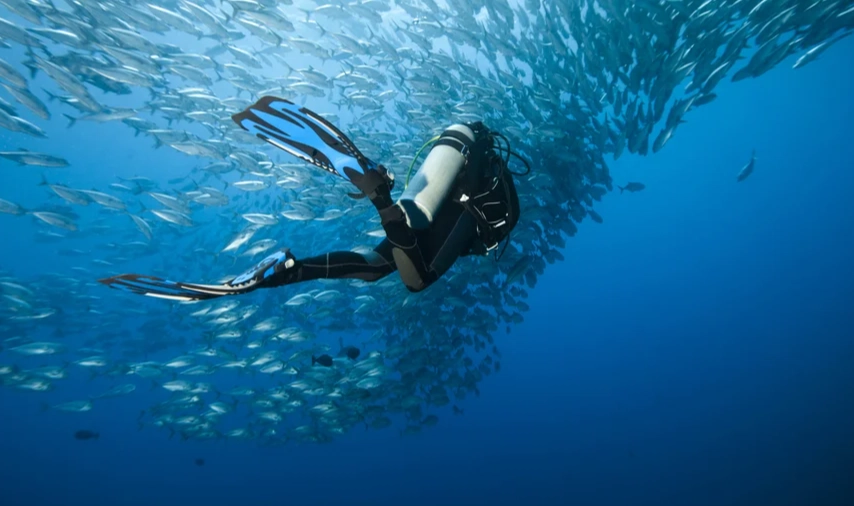
The Philippines sits in the Coral Triangle, the global epicenter of marine biodiversity. That's not marketing fluff. On a single dive here, you can see more species than some divers see in a year elsewhere. But with over 7,000 islands, the biggest mistake you can make is trying to see it all in one go. You'll spend more time in airports and ferries than underwater.
In this article, you'll discover:
Why the Philippines is a Diver's Dream (Beyond the Hype)
Sure, it's biodiverse. But what does that mean for you in the water? It means variety. You can go from drifting alongside a school of jacks in strong current one day, to hovering over a pygmy seahorse the size of your fingernail the next. The country's geography creates distinct diving regions, each with a personality.
The Visayas (central islands) offer accessibility and a mix of everything – wrecks, reefs, and big pelagics. Palawan is the frontier, home to the legendary Tubbataha Reefs. Luzon has the tech-diving wrecks of Subic and the macro heaven of Anilao. Mindanao has the thrilling, advanced diving of the south.
 Here's a non-consensus point: The "best" time to dive isn't just about weather. It's about crowds. Everyone targets the dry season (November to May), but the shoulder months (November, early December, May) often have equally good conditions with half the boats. I'd take a slightly higher chance of a rain shower over a crowded dive site any day.
The Top Dive Sites, Deconstructed for Real Planning
Forget just listing names. Let's break down what each major area actually offers, who it's for, and the logistics that guidebooks gloss over.
| Region / Key Site | What You'll Really See | Best For | Best Time & Key Logistics |
|---|---|---|---|
| Tubbataha Reefs Natural Park (Palawan) | Open ocean pelagics: sharks (reef, hammerhead), mantas, tuna. Pristine walls & untouched coral. This is a liveaboard-only destination. | Liveaboard season only: Mid-March to Mid-June. Book a year in advance. Trips are 5-7 days from Puerto Princesa. This is a bucket-list, premium trip. | |
| Coron Bay (Palawan) | World War II Japanese wrecks in shallow, calm water. Amazing for wreck penetration training. Also has lakes with thermoclines. | Wreck divers, beginners to advanced. Great for history buffs. | Year-round, but calmest Nov-May. Access via Busuanga Airport. You stay on Coron Island and do day trips. |
| Malapascua (Cebu) | Guaranteed thresher sharks at Monad Shoal at sunrise. Also great macro life at Gato Island (sea snakes, reefs). | Shark lovers. Macro photographers. A good mix of adrenaline and muck diving. | Year-round, but Oct-June is best. Requires a flight to Cebu, then a 4-5 hour van+bangka ride. Early mornings are non-negotiable. |
| Moalboal (Cebu) | The famous sardine run right off Panagsama Beach. Also good for turtles and drop-offs. Easy, shallow diving. | Beginners, snorkelers, and anyone who wants a stunning spectacle with minimal effort. | Dry season (Nov-May). Direct flight to Cebu, then a 3-hour drive. The sardines are there year-round. |
| Anilao (Batangas, Luzon) | The macro capital of the Philippines. Nudibranchs, pygmy seahorses, ghost pipefish, rare frogfish. Muck diving paradise. | Underwater photographers (macro), critter hunters. | Oct to June. Just a 3-hour drive from Manila. Perfect for a weekend trip or as a start/end to a longer vacation. |
| Puerto Galera (Mindoro) | Varied reefs, good currents attracting pelagics, and excellent biodiversity. A long-standing favorite with a lively dive town. | Divers who want a balance of life above and below water. Good for courses. | Nov-May. 3-4 hour journey from Manila (car+ferry). Can get crowded on weekends. |
A common mistake? Trying to combine Tubbataha and Coron in one short trip. They're both in Palawan but worlds apart logistically. Tubbataha is a liveaboard commitment, while Coron is land-based. Pick one per trip.
Whale Shark Diving: Oslob vs. Ethical Alternatives
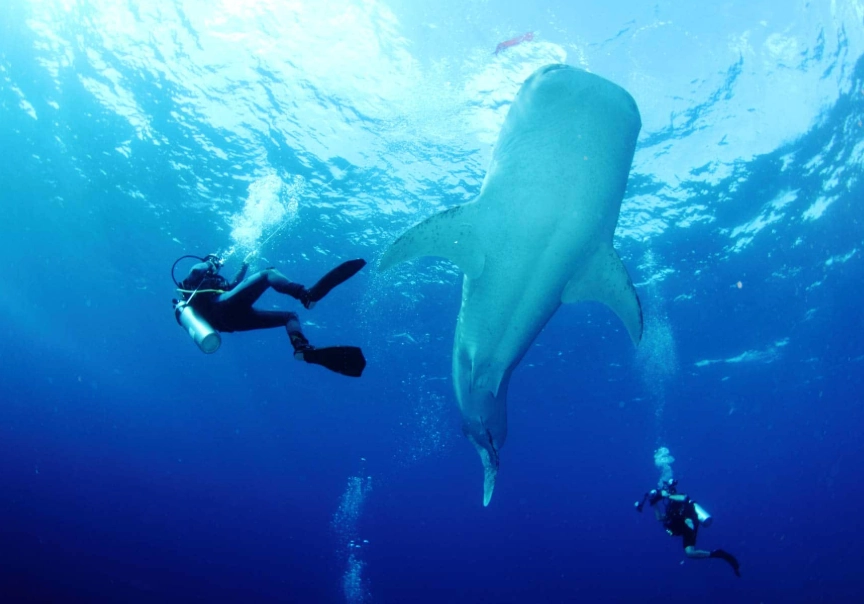
No discussion of diving in the Philippines is complete without mentioning whale sharks. The site in Oslob, Cebu, is famous but controversial because the sharks are baited (fed). It's a guaranteed sighting, but it alters their natural behavior.
If you want an ethical encounter, head to Donsol in Sorsogon or Southern Leyte. Here, you snorkel with them in the open water as they naturally filter feed. It's seasonal (roughly November to June), requires more patience, and isn't guaranteed – but it's the real deal. The World Wildlife Fund has worked in Donsol on responsible tourism practices, which is a good sign.
How to Plan Your Philippines Diving Itinerary
Your itinerary depends entirely on your time, budget, and diving style. Here are two concrete examples based on common trip lengths.
Sample 7-Day Trip (The Highlights Circuit)
Focus: Variety and iconic sites, minimizing travel time.
Fly into: Mactan-Cebu International Airport (CEB).
- Days 1-3: Malapascua. Arrive Cebu, transfer directly north to Malapascua (stay overnight near the port). Multiple dives focusing on thresher sharks at Monad Shoal and macro at Gato Island.
- Days 4-7: Moalboal. Travel back south to Moalboal (5-6 hour transfer). Dive with the sardine ball, explore Pescador Island, and maybe do a day trip to nearby Sumilon or Oslob (if you choose to). Fly out of Cebu.
This gives you both big animal action and a stunning shallow-water spectacle.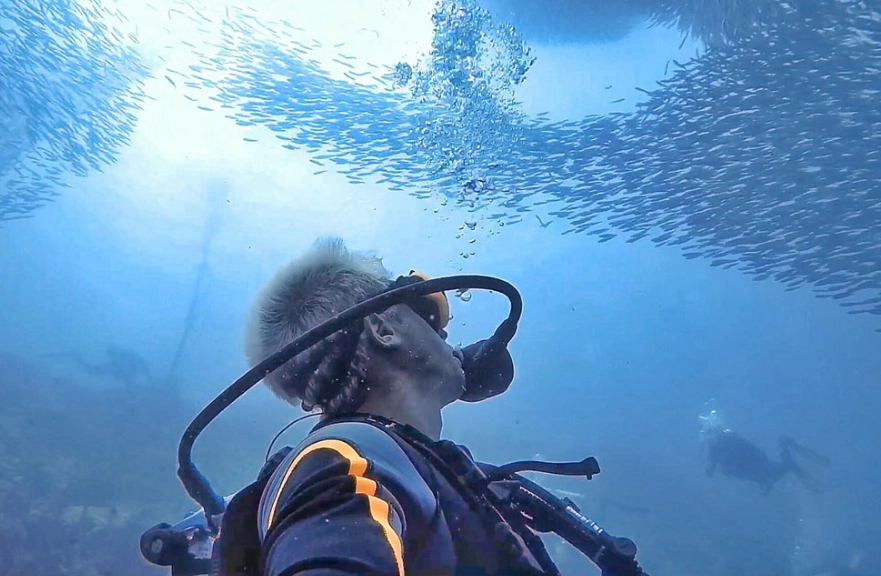
Sample 10-12 Day Trip (The Explorer)
Focus: Diving depth and less-crowded spots.
Fly into: Manila (MNL).
- Days 1-4: Anilao. Recover from jet lag with easy, critter-filled dives. Perfect for shaking off rust or focusing on photography.
- Days 5-9: Puerto Galera. Short transfer from Anilao. Experience stronger currents, bigger reefs, and the vibrant dive town atmosphere.
- Days 10-12: Coron (Optional Extension). Fly from Manila to Busuanga (1hr). Spend a few days exploring the incredible wrecks. Fly back to Manila from Busuanga.
Budget, Logistics & Non-Obvious Tips
Let's talk numbers. A standard day of diving (2-3 boat dives) will cost between $70-$110, including gear rental. Liveaboards like Tubbataha start around $2,500 for a 5-day trip. Budget resorts exist, but mid-range ($80-$150/night) places often have better facilities, reliable compressors, and faster boats.
Getting Around: Domestic flights are cheap if booked in advance (check Cebu Pacific or Philippine Airlines). For overland travel, private van transfers are worth the extra cost over public buses for comfort and time savings. Ferries can be delayed by weather.
Here's a tip few blogs mention: Bring a spare mask strap and fin strap. The tropical sun degrades rubber quickly, and finding your specific size on a remote island is a headache you don't need. Also, while many shops have good gear, bringing your own computer and regulator is always a good idea for familiarity and safety.
Regarding safety, the Philippines is generally safe for tourists. Use common sense in cities. The Philippine Department of Tourism is a useful resource for general travel advisories. Choose dive operators that are PADI 5-Star or equivalent – this isn't snobbery, it's a baseline for operational standards and insurance.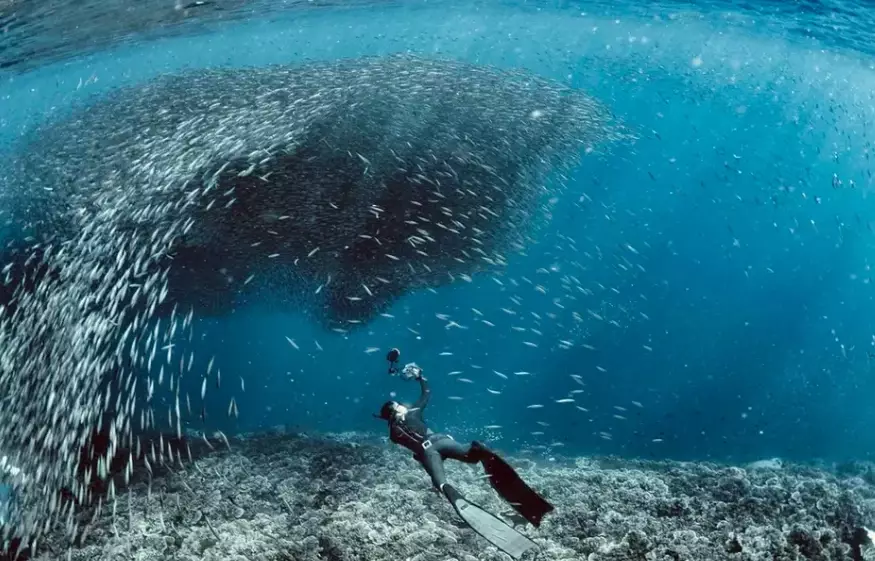
Your Burning Questions, Answered by a Local
I'm planning a trip for July. Is diving in the Philippines during the rainy season a complete waste of time?
I'm an Advanced Open Water diver. Is that enough for Tubbataha, or do I need more experience?
 What's the one piece of advice you'd give to a first-timer planning a Philippines dive trip that they won't read elsewhere?
How bad is the coral bleaching, really? Are the reefs still worth it?
I get terribly seasick. Can I still enjoy a Philippines diving itinerary?
Your comment