Let's cut to the chase: yes, scuba diving in the Philippines is exceptional, often ranking among the world's best. I've spent over a decade diving here, from remote atolls to bustling coastal towns, and it consistently delivers mind-blowing experiences. But is it good for you? That depends on what you're after—crystal-clear waters, insane biodiversity, or budget-friendly trips. This guide dives deep into the specifics, so you can decide if it's worth packing your gear.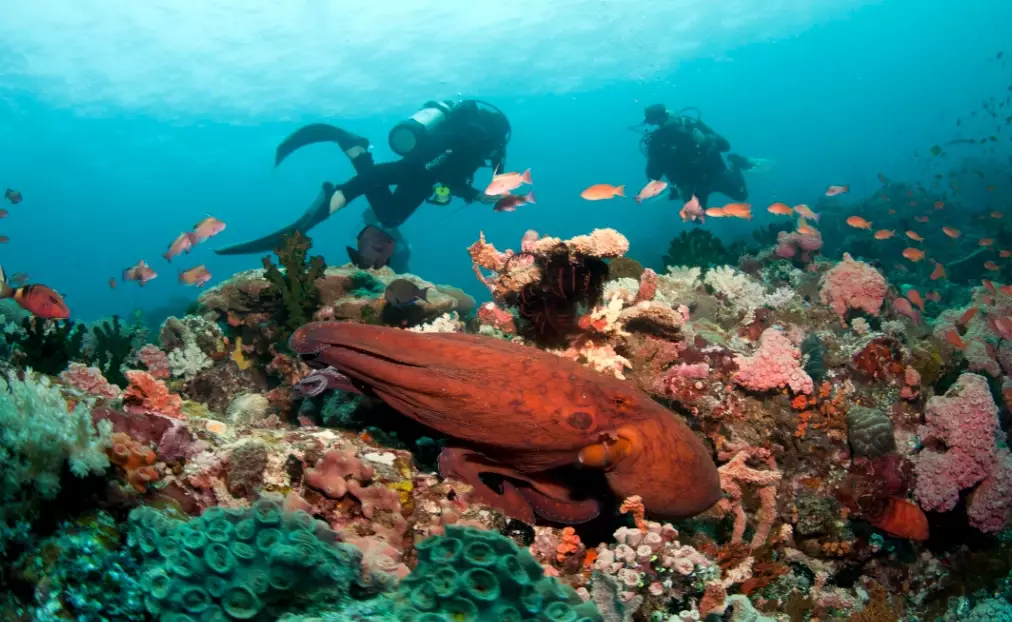
What You’ll Find in This Guide
Why the Philippines is a Diver’s Dream
Forget the hype; let's talk facts. The Philippines sits in the Coral Triangle, a marine biodiversity hotspot. According to the Philippine Department of Tourism, the country boasts over 7,000 islands, with reefs teeming with life. But here's something most guides gloss over: the accessibility. You don't need a liveaboard for every spot—many sites are a short boat ride from shore, making it perfect for beginners or those on a tight schedule.
Biodiversity and Marine Life
I've seen things here that you won't find elsewhere. From thresher sharks in Malapascua to sea turtles in Apo Island, the variety is staggering. A common mistake? Divers focus only on big names like Tubbataha and miss hidden gems like the sardine run in Moalboal. Trust me, swimming through millions of sardines feels like flying through a silver galaxy.
Accessibility and Infrastructure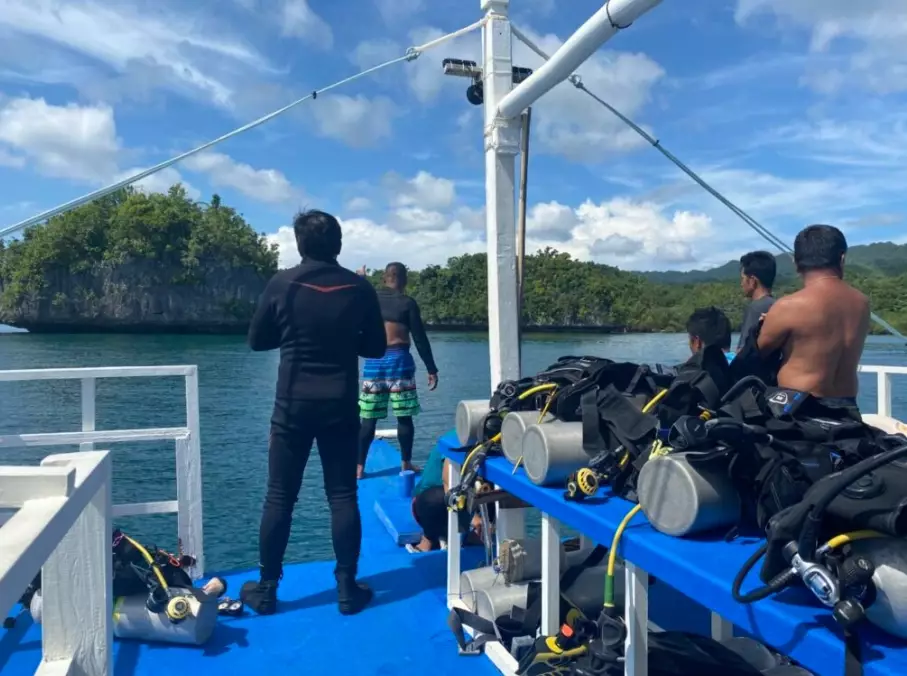
Dive shops are everywhere, especially in popular areas like Puerto Galera or Coron. Prices vary, but you can find a two-tank dive for around $50-$80, including gear. The real kicker? English is widely spoken, so communication is a breeze. But watch out for overcrowded sites during peak season—I once waited 30 minutes to descend at a famous wreck because too many boats were around.
Top 5 Diving Destinations You Can’t Miss
Instead of a generic list, here's a breakdown of spots I've personally visited, with practical details to help you plan.
| Destination | Location (Address/Area) | Key Highlights | Best Time to Visit | Estimated Cost per Dive |
|---|---|---|---|---|
| Tubbataha Reefs Natural Park | Sulu Sea, accessible via liveaboard from Puerto Princesa, Palawan | UNESCO site, pelagic species like sharks and manta rays | March to June (liveaboard season) | $150-$300 per day (liveaboard packages) |
| Apo Island | Off the coast of Dauin, Negros Oriental | Sea turtle sanctuary, vibrant coral gardens | November to May | $40-$60 for a two-tank dive |
| Coron Bay | Coron, Palawan | WWII wreck diving, clear freshwater lakes | November to May | $50-$80 for a wreck dive |
| Malapascua Island | North of Cebu Island | Thresher shark sightings at Monad Shoal | Year-round, but best November to May | $60-$90 for a dawn dive |
| Moalboal | Southwest coast of Cebu | Sardine run, wall dives, accessible shore diving | December to April | $30-$50 for a two-tank dive |
Each spot has its vibe. Tubbataha requires planning and budget, but it's a bucket-list item. For beginners, Moalboal is forgiving and cheap. I remember my first dive in Coron—the wrecks were eerie but fascinating, like swimming through history.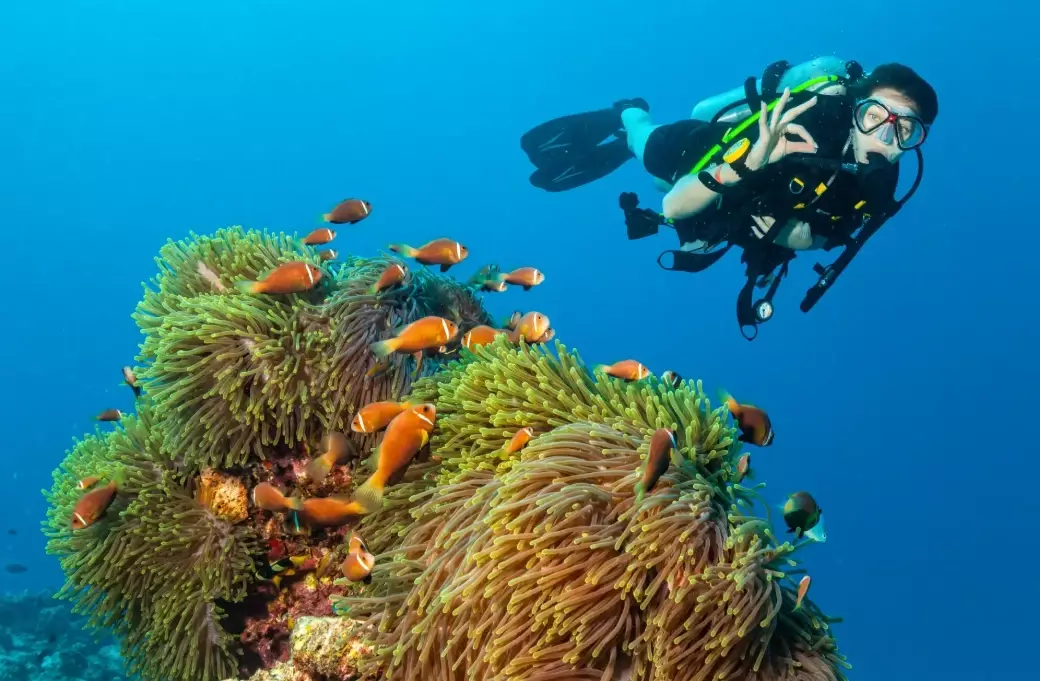
Pro tip: Don't just chase the famous sites. Local operators often know secret spots. In Apo Island, ask about the “coral nursery” area—it's less crowded and just as stunning.
When to Go: Diving Seasons and Weather
Timing is everything. The Philippines has two main seasons: dry (November to April) and wet (May to October). For diving, aim for the dry season when visibility peaks at 30 meters or more. But here's a nuance: the wet season isn't all bad. In places like Davao, diving is year-round, and you might get cheaper rates. I've dived in July in Puerto Galera—visibility was lower, but the marine life was still active, and I had the site almost to myself.
Avoid typhoon season (June to October) in eastern areas like Leyte. Check PADI's regional advisories for updates. One year, I had to cancel a trip to Siargao because of a storm—flexibility is key.
How to Plan Your Diving Trip: A Step-by-Step Guide
Planning a dive trip here isn't rocket science, but a few missteps can ruin it. Let's break it down.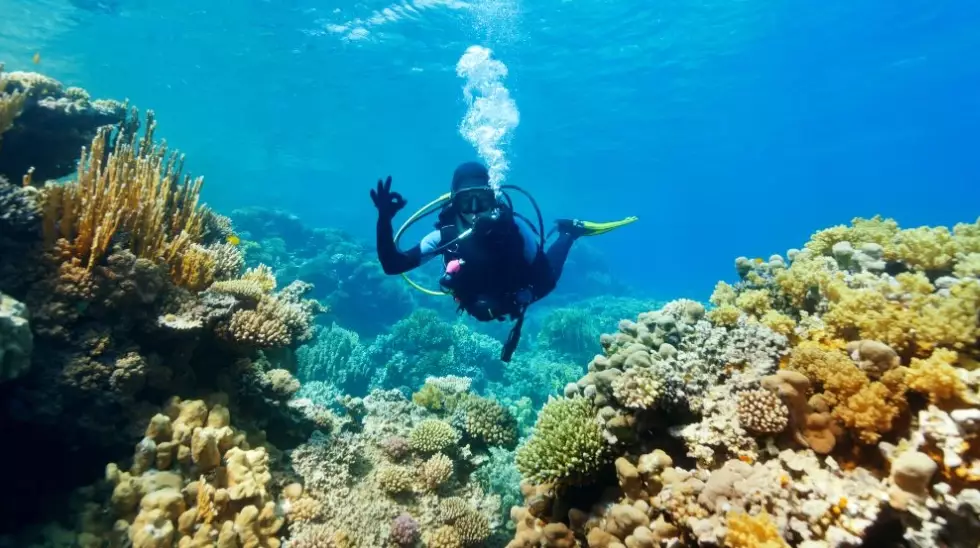
Step 1: Choose Your Base
Pick a region based on your interests. For wrecks, go to Coron. For biodiversity, try Bohol. I usually start with Cebu—it's central, with airports and ferries to many spots. Flights from Manila to Cebu cost around $50-$100 one-way.
Step 2: Book Accommodation and Dives
Don't book everything online. Many dive resorts offer packages if you email directly. For example, in Moalboal, a 3-day dive package with accommodation can cost $200-$300. I stayed at a homestay for $20 a night and dived with a local shop—saved a bundle.
Step 3: Sort Logistics
Transportation: Ferries between islands are cheap but slow. For speed, domestic flights are better. From Cebu to Coron, a flight takes an hour and costs $80-$120. Always factor in travel time—island hopping eats days.
Gear: Most shops provide rental gear, but if you're picky, bring your own. I've seen regulators fail at remote sites, so inspect equipment before diving.
Step 4: Budget Realistically
A week-long trip can range from $500 (budget) to $2000 (luxury). Breakdown:
- Flights: $200-$400 international, $100-$200 domestic.
- Accommodation: $20-$100 per night.
- Diving: $30-$100 per day.
- Food and transport: $20-$50 per day.
I once blew my budget on fancy resorts—stick to mid-range options; the diving is the same.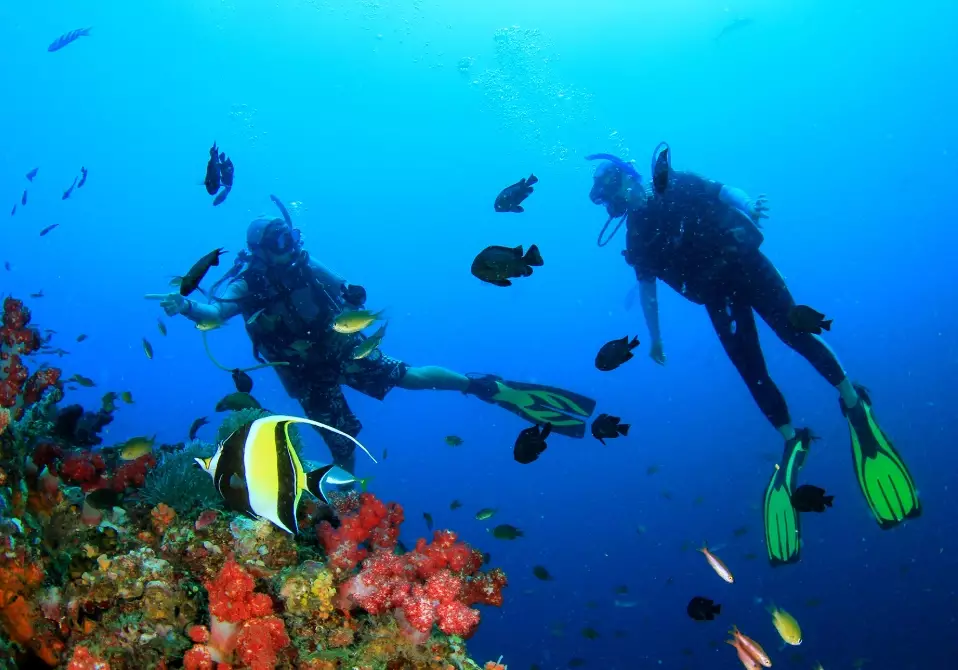
Common Questions Answered
So, is scuba diving good in the Philippines? Absolutely—but it's not just good; it's transformative if you plan wisely. Whether you're after adrenaline or tranquility, the islands deliver. Pack light, stay flexible, and dive deep. The underwater world here is waiting.
Your comment