Ask ten divers for the best place to scuba dive in the Philippines, and you might get ten different answers. That's the beauty—and the challenge—of this archipelago. With over 7,000 islands, the Philippines isn't a single destination but a constellation of world-class underwater worlds. The "best" spot entirely depends on what you're after. Are you dreaming of drifting alongside schooling jacks in pristine currents, exploring haunting World War II wrecks, or having playful encounters with thresher sharks before breakfast? Each region offers a distinct flavor.
After countless trips and hundreds of dives here, I've found that the magic lies in matching your diving style and goals to the right island. Forget the generic lists. Let's cut straight to what matters: the specific experiences each top destination delivers, the logistics of getting there, and the often-overlooked details that make or break a dive trip.
Your Quick Dive Guide
The Top 5 Philippine Dive Destinations, Decoded
Here’s the breakdown. I’m not just listing names; I’m telling you what it *feels* like to dive there, who it’s perfect for, and the logistical reality check you need before booking.
1. Tubbataha Reefs Natural Park (Palawan)
The Vibe: Remote, raw, and pelagic. This is a UNESCO World Heritage Site and the crown jewel of Philippine diving, but it's not a casual day trip. Tubbataha is an atoll in the middle of the Sulu Sea, accessible only by liveaboard during a short season.
Location & Access: Approximately 150km southeast of Puerto Princesa, Palawan. The only way to dive here is via a multi-day liveaboard trip departing from Puerto Princesa. The season is brutally short: mid-March to mid-June, when seas are calm enough for the 10-12 hour crossing.
What You'll See: This is big animal country. Schools of hammerheads and reef sharks at sites like Amos Rock. Manta rays gliding over cleaning stations. Walls teeming with life, and huge schools of jackfish and trevally. The coral health is arguably the best in the country.
Who It's For: Experienced divers comfortable with currents and deep walls. It's a bucket-list trip for serious underwater photographers and pelagic life enthusiasts. Not for beginners or those on a tight budget.
The Catch: It's expensive and requires advance booking. The liveaboard journey is part of the adventure, but if you get seasick, this is not your place.
2. Coron Bay (Palawan)
The Vibe: History frozen in time. Coron is famous for its Japanese World War II shipwrecks lying in relatively shallow, calm water. The atmosphere is eerie and fascinating.
Location & Access: In northern Palawan. Fly directly to Busuanga Airport (USU), then a short van ride to Coron town. The wrecks are a 15-45 minute boat ride from the town pier.
What You'll See: Intact warships like the Irako (refrigerator ship) and Okikawa Maru (oil tanker). You can penetrate many wrecks (with a guide). Beyond wrecks, there's Barracuda Lake, a thermocline dive where the water temperature shifts dramatically from 28°C to 38°C (82°F to 100°F).
Who It's For: Wreck diving enthusiasts, history buffs, and photographers. It's also excellent for divers who want exciting dives without strong currents. Many wrecks are between 15-30 meters, suitable for Advanced Open Water divers.
The Catch: Visibility can be lower due to silt. It's not a colorful coral destination—the focus is squarely on wrecks.
3. Apo Island & Dauin (Negros Oriental)
The Vibe: Critter heaven and pristine reefs. This duo offers two experiences in one area: the vibrant coral gardens and big fish action around Apo Island, and the famous "muck diving" of Dauin's black sand slopes.
Location & Access: Fly to Dumaguete City. Dauin's beach dive resorts are a 30-minute drive south. Apo Island is a 45-60 minute boat ride from these resorts.
What You'll See: At Apo Island: healthy reefs, sea turtles everywhere, schools of jacks, and sometimes reef sharks. In Dauin: rare critters like rhinopias, flamboyant cuttlefish, ghost pipefish, and a dozen species of frogfish on a single dive.
Who It's For: Macro photographers and critter lovers will be in Dauin every day. Those who love clear water and classic reef scenes will adore Apo Island. It's a fantastic combo for divers of all levels.
The Catch: The best critter hunting requires a sharp-eyed guide. Don't just book random shore dives; hire a guide specializing in macro life.
4. Malapascua Island (Cebu)
The Vibe: The thresher shark capital. This small, laid-back island has one unique claim to fame: reliable, daily sightings of pelagic thresher sharks at a site called Monad Shoal.
Location & Access: Fly to Cebu City, then a 3-4 hour drive north to Maya Port, followed by a 30-minute bangka boat to the island.
What You'll See: Pre-dawn dives to see thresher sharks at cleaning stations (around 5:30 AM). Also, beautiful coral sites at Gato Island (with a resident population of white-tip reef sharks and a swim-through tunnel) and macro life at sites like Lapus Lapus.
Who It's For: Divers specifically wanting to see thresher sharks. The island itself is rustic and charming, great for those wanting to escape big resorts.
The Catch: The shark dive is deep (around 25-30m/80-100ft) and often has currents. You need good buoyancy to hover near the cleaning station without disturbing the sharks. If sharks are your sole goal, be prepared that sightings, while highly likely, are never 100% guaranteed.
5. Anilao (Batangas)
The Vibe: The macro photography workshop. Just a 3-hour drive from Manila, Anilao is where Philippine underwater photography was born. It's a weekend getaway for Manila-based divers and a training ground for guides.
Location & Access: The closest major dive area to Manila. Easily reachable by private car or arranged van transfer.
What You'll See: An insane variety of tiny life: nudibranchs, pygmy seahorses, rare crustaceans, and all manner of cryptic critters. The reefs are healthy, and there are some nice drift dives too.
Who It's For: Serious macro photographers and divers who love hunting for tiny, weird creatures. It's perfect for a short trip or as an add-on before/after a flight from Manila.
The Catch: It can feel crowded on weekends. The focus is almost exclusively on macro; don't come expecting big pelagics.
| Destination | Best For | Best Time to Visit | Diver Level | Typical Trip Style |
|---|---|---|---|---|
| Tubbataha | Pelagics, Sharks, Pristine Reefs | Mar-Jun (Liveaboard Season) | Advanced+ | Liveaboard (5-7 days) |
| Coron | Wreck Diving, History | Nov-May (Dry Season) | Intermediate+ (Wreck Penetration: Adv.) | Land-based (3-5 days) |
| Apo Island/Dauin | Macro Critters, Turtles, Reefs | Year-round (Mar-Oct best vis) | All Levels | Land-based Resort (4-7 days) |
| Malapascua | Thresher Sharks | Nov-May (Calmer seas) | Intermediate+ | Land-based Island (3-4 days) |
| Anilao | Macro Photography | Year-round | All Levels | Land-based Weekend (2-3 days) |
How to Choose the Right Dive Spot For You
Stop looking for a single "best" place. Start by asking yourself these questions:
What's your diving priority? Is it seeing a specific animal (shark, manta, tiny seahorse), exploring wrecks, or enjoying vibrant coral gardens? Match your priority to the destination's specialty.
What's your budget and time frame? A Tubbataha liveaboard is a major investment (often $2,500+). A week in Dauin at a mid-range resort will cost less. Coron or Malapascua can be done in a long weekend if you're short on time.
What's your comfort with travel? Are you okay with multiple flights, long drives, and boat rides (Tubbataha, Malapascua), or do you prefer a simpler transfer (Anilao, Dauin from Dumaguete)?
Who are you diving with? Traveling with non-divers? Choose a place like Dauin or Coron where there are good topside activities (beaches, island hopping, hot springs). On a dedicated dive trip? Then remote spots shine.
My personal rule? For a first-time visitor wanting a classic Philippines dive experience with variety, I'd point them straight to Negros Oriental (Apo Island & Dauin). It delivers critters, reefs, turtles, and easy logistics in one package.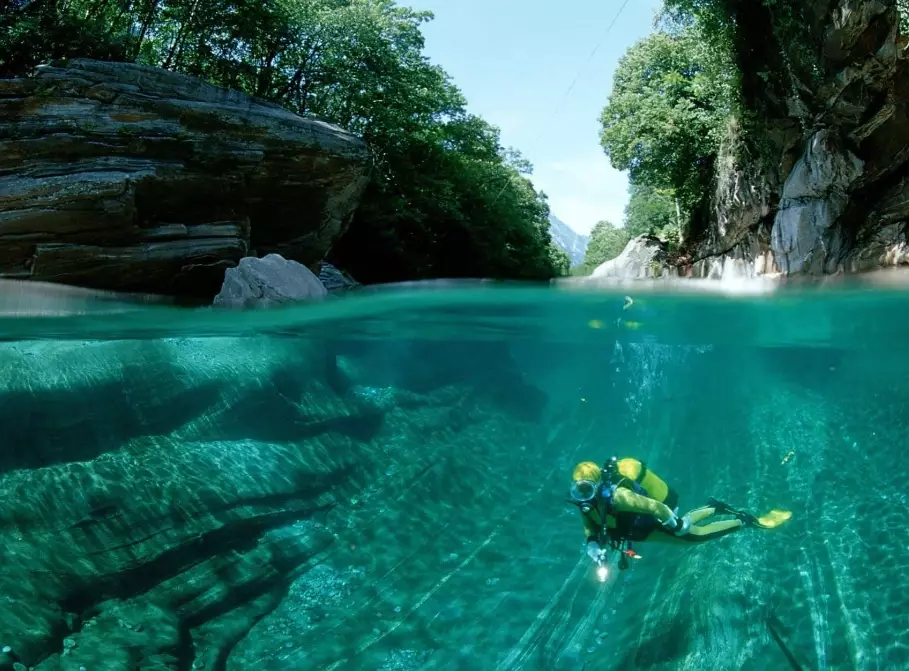
Practical Tips for Planning Your Philippines Dive Adventure
Getting the logistics right is half the battle. Here’s what I’ve learned the hard way.
Timing is Everything: The general dry season (November to May) offers the calmest seas and best visibility across the country. However, places like Tubbataha have hyper-specific windows. Typhoon season (July-October) can bring rain and rougher seas, but you'll find fewer crowds and lower prices. I dove in September once—we had a few rainy days but also had entire reefs to ourselves.
Booking Dive Operators: Don't just book the first shop you find on Google. Email them. Ask about their boat sizes, guide-to-diver ratios, and their policy for small groups. A good operator will ask about your experience level. Check reviews, but look for consistent comments about safety and guide knowledge, not just "nice people." The Professional Association of Diving Instructors (PADI) website can be a starting point to find affiliated dive centers.
Getting Around: Domestic flights are the key to island-hopping. Airlines like Philippine Airlines, Cebu Pacific, and AirAsia connect major hubs. Book early for the best fares. For land transfers, your resort can usually arrange a van. It's worth the extra $20 over trying to haggle with random taxis at the airport.
Where to Stay: In dive-centric areas like Dauin or Anilao, the best bet is a dedicated dive resort. They handle everything: gear, boats, meals. In Coron town or near Malapascua, you can choose between dive resorts and separate hotels/dive shop combos. The latter offers more flexibility but requires more coordination.
One Common Mistake: Trying to cram too many destinations into one trip. The Philippines is bigger than it looks on a map. A 10-day trip to two regions (e.g., 5 days in Dauin, 4 days in Coron) is more enjoyable and logistically smoother than trying to hit three far-flung spots.
Your Philippines Diving Questions Answered
 I keep hearing about "muck diving" in Dauin. What exactly is it, and do I need special gear?
Your comment