Ask any seasoned diver who’s explored the Philippines, and they’ll point you to a specific town on the northern coast of Mindoro Island. The answer to "What is the scuba diving capital of the Philippines?" isn't just a catchy nickname—it's Puerto Galera. This title, officially recognized by the Department of Tourism, is backed by over 40 dive sites within a 30-minute boat ride, insane biodiversity, and a diving history that dates back decades.
I’ve lost count of my dives here, but I remember my first time at Sabang Beach. The water was calm, the shops were buzzing, and you could feel the purpose in the air: everyone was here for the reefs. It’s not the most polished resort town, and that’s part of its charm. It’s functional, focused, and utterly dedicated to the underwater world.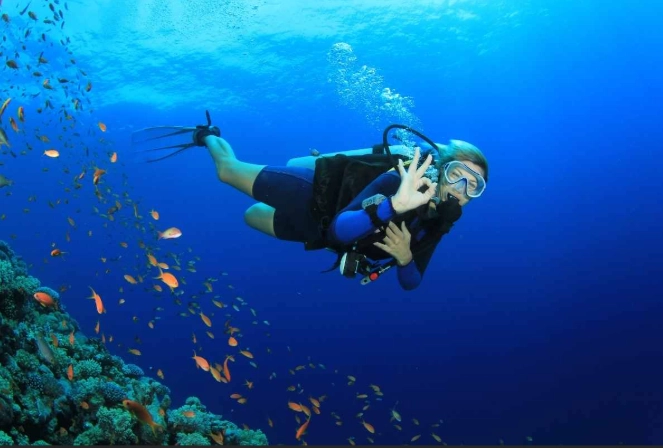
What You'll Find in This Guide
Why Puerto Galera Earns the "Diving Capital" Crown
Lots of places have great diving. So what’s the big deal here? It comes down to a perfect storm of geography, biology, and accessibility.
First, its location. Puerto Galera sits at the mouth of the Verde Island Passage, which marine scientists from the California Academy of Sciences have called the "center of the center" of the world's marine biodiversity. Think of it as an underwater Times Square—currents funnel nutrients and larvae from different seas right past its doorstep. This creates an ecosystem that’s ridiculously rich.
Second, the variety. You can do a gentle, sandy slope dive in the morning teeming with macro life (think nudibranchs, ghost pipefish, and tiny shrimps) and then an exhilarating drift dive along a wall in the afternoon. The sites cater to everyone: absolute beginners doing their first open water dives, photographers hunting for rare critters, and advanced divers looking for a thrill.
Finally, the infrastructure. Since the 1970s, dive operators have set up shop here. You’ll find dozens of professional dive centers, most clustered in Sabang Bay. This means competition is healthy, prices are reasonable, and standards are generally high. You can literally walk from your hotel room to a dive shop, get geared up, and be on a boat heading to a world-class site in under an hour.
A Quick Reality Check
Puerto Galera is a working dive town, not a sterile luxury resort. Sabang Beach is lively, sometimes noisy, and the main beach is functional rather than pristine white sand. If your dream is a secluded, five-star overwater bungalow experience, this isn't it. But if you want efficient, fantastic diving with a fun, social atmosphere where you can talk shop with divers from all over the world, you're in the right place.
Puerto Galera's Top Dive Sites: From Classics to Hidden Gems
With so many sites, it helps to break them down. Here’s a table of the must-dives, whether it's your first trip or your tenth.
| Dive Site Name | Best For | Depth Range | What You'll See |
|---|---|---|---|
| Sabang Wrecks | Beginners, Wreck Enthusiasts, Night Dives | Three small, intentionally sunk wrecks (a fishing boat, a tugboat, a ferry) encrusted with life. Great for training. | Don't rush. The small critters on the wrecks—like frogfish and seahorses—require patient eyes. |
| Shark Cave | Advanced Beginners, Photography | Not for sharks! A swim-through cave system with stunning light beams. Home to resident white tip reef sharks (usually sleeping), turtles, and jacks. | Mind your buoyancy. The cave entrance has a mild surge. Go in the morning for the best light show. |
| Verde Island Drop-off | Advanced Divers, Drift Diving, Big Fish Action | Sheer walls, strong currents, and pelagics. Expect schools of jacks, trevallies, sometimes reef sharks and tuna. The "washing machine" area is legendary. | This is a serious dive. Only go with an experienced guide who knows the currents. A reef hook is often useful. |
| West Escarceo | All Levels (on calm days), Coral Gardens | A beautiful coral canyon. Stunning hard and soft coral formations, anthias clouds, and excellent visibility. | This site is current-dependent. If it's calm, it's a paradise for snorkelers and divers alike. Ask your dive op about conditions. |
| Small La Laguna | Macro Photography, Muck Diving | A sandy, silty slope that's a treasure trove for rare invertebrates: flamboyant cuttlefish, blue-ringed octopus, myriad nudibranchs. | Bring a good torch and a macro lens. Go slow, scan the rubble. This is where your guide's keen eyes are worth their weight in gold. |
One mistake I see new visitors make is trying to hit only the "famous" sites. Some of my best dives have been at less-hyped spots like Canyons or Sinandigan Wall. Talk to your dive master. Tell them what you love (big fish, tiny critters, corals, swim-throughs) and let them suggest a plan. They dive these sites daily and know where the action is on any given day.
Planning Your Puerto Galera Dive Trip: A Practical Blueprint
Let's get into the nuts and bolts. Here’s how to make it happen.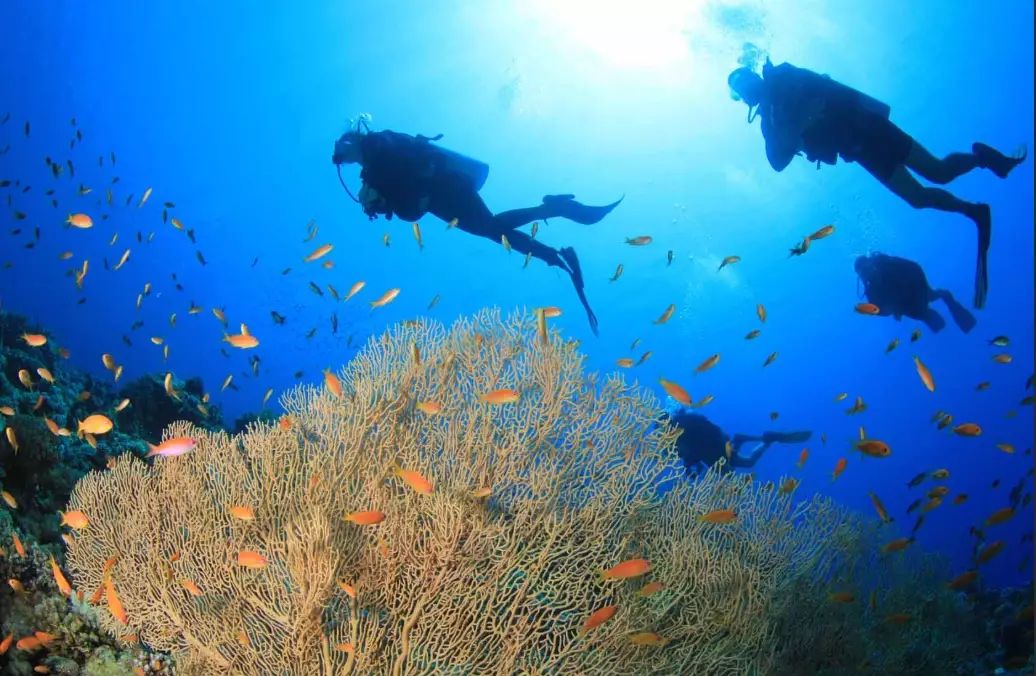
Getting There: The Route Most Traveled
Your gateway is Manila. From there, it's a 2-3 hour drive south to Batangas Port. The key is timing your arrival at the port to catch a ferry. Public ferries run regularly to Balatero Port (Puerto Galera), but most divers take the more convenient tourist bangka boats that go directly to Sabang Beach. The boat ride is about an hour. A common and stress-free option is to book a land and sea transfer package through your resort or dive shop. It costs a bit more but handles everything from Manila pick-up to Sabang drop-off.
Where to Stay & Dive: Picking Your Base
Everything revolves around Sabang Bay. You have three main strips:
- Sabang Beach: The epicenter. Loud, lively, with endless bars, restaurants, and dive shops. Hotels are basic to mid-range. Perfect if you want to be in the thick of it. (Try Atlantis Dive Resort for a full-service operation or El Galleon Beach Resort).
- Small La Laguna Beach: Just a 10-minute walk from Sabang, but noticeably quieter. More upmarket resorts, better beaches. A good compromise. (Check out La Laguna Beach Club & Dive Center).
- Big La Laguna Beach: Even quieter, family-friendly. You'll need a short tricycle ride to get to the main dive shop area.
My advice? For a first-time visitor who wants the classic experience, stay in Sabang. The convenience can't be beaten.
A Sample 5-Day Dive Trip Itinerary
Day 1: Arrive from Manila. Check in, meet your dive center, get gear fitted. Do an afternoon checkout dive at a site like Monkey Beach or the Sabang Wrecks to get acclimated.
Day 2: Morning two-tank boat trip to classic sites like Shark Cave and West Escarceo. Afternoon off to relax or explore the town. Maybe a night dive on the wrecks.
Day 3: Venture further. A two-tank trip to the famous Verde Island (weather and skill permitting). If not, explore the reefs around Sinandigan or Hole in the Wall.
Day 4: Macro day. Dive Small La Laguna or Canyons with a camera. Afternoon could be for a Discover Scuba Diving try-out if you have non-diver friends, or a hike to Tamaraw Falls.
Day 5: A final morning dive at your favorite site from the week, then pack up and catch the afternoon ferry back to Batangas.
Beyond the Bubbles: What to Do When You're Not Diving
You need surface intervals. Puerto Galera offers more than just tanks and boats.
Take a tricycle tour to the town proper (Puerto Galera town) to see the historic Spanish-era church and the scenic bay view. The Puerto Galera Yacht Club is a nice spot for a sunset drink.
For a half-day trip, hire a boat to White Beach (a longer, whiter sand beach) or go snorkeling at Coral Garden. If you're feeling energetic, the hike to Tamaraw Falls is rewarding.
At night, Sabang has a buzzing scene. It's not sophisticated clubbing, but it's fun. Have a pizza at Angelyn's, a burger at Point Bar, or fresh seafood at any of the beachfront grills.
Your Puerto Galera Diving Questions, Answered
Is Puerto Galera suitable for complete beginner divers?
It's one of the best places in Asia to learn. The sheltered bays like Sabang offer calm, shallow water for training. Most dive sites have a protected, shallow section ideal for open water students. Just be clear with your instructor about your comfort level—they have sites for every stage of learning.
When is the absolute best time to dive in Puerto Galera?
The dry season, roughly November to May, offers the most predictable weather and calmer seas, especially from March to May. But here’s the non-consensus part: the "wet" season (June-October) can have fantastic diving. Rain doesn’t always mean bad diving conditions underwater. The water is warmer, there are fewer tourists, and plankton blooms can attract bigger filter feeders. The main risk is ferry cancellations due to big waves, so build in a flexible day or two.
 How do I choose a dive shop in Sabang?
Don't just pick the cheapest. Walk along the beachfront and talk to a few. Ask about their boat schedule (do they run trips even with small groups?), guide-to-diver ratios, and equipment maintenance. Look for shops that are busy but not chaotic. A good sign is a mix of international and local staff. Personal recommendation from other divers is gold.
What's the one mistake divers make when planning a trip here?
Underestimating travel time. Manila traffic is brutal. If your flight lands at 10 AM, you likely won't make a 1 PM ferry. Always plan to spend your first night in Manila or book a very late afternoon ferry. Trying to do it all in one go leads to a stressful, exhausting first day.
Are there good options for non-diving travel companions?
Yes, but manage expectations. Sabang is a dive town first. A non-diver can enjoy the beach, pool, spa treatments, island hopping trips to nearby beaches, and hiking. However, after 2-3 days, they might get restless. Consider splitting the trip—spend your dive days in Sabang, then move to a more resort-style area like Puerto Galera town or even nearby Anilao for a couple of nights at the end.
 So, what is the scuba diving capital of the Philippines? It's more than a title. It's Puerto Galera—a place where the diving is spectacularly reliable, the community is built around the sport, and the underwater memories wait just a fin-kick away from the shore. It earns its crown every single day.
Your comment