So you're searching for the UNESCO dive site in the Philippines. Let's cut to the chase. There's one primary answer, and it's a big one: the Tubbataha Reefs Natural Park. This isn't just another pretty reef; it's the country's crown jewel for marine biodiversity and its only UNESCO World Heritage Site designated specifically for its outstanding universal value as a marine habitat. Located bang in the middle of the Sulu Sea, it's remote, it's protected, and for many, it represents the pinnacle of a Philippine diving adventure.
But "where is it" is just the starting point. The real questions are: How do you actually get there? What makes it so special compared to other Philippine dive spots like Coron or Moalboal? And is the effort and cost worth it? I've been there, and I'll tell you straight—it's a different league of diving. This guide will map out everything, from the logistical puzzle of reaching Tubbataha to what you'll see beneath the waves.
Your Quick Guide to Diving Tubbataha
What and Where is Tubbataha Reefs Natural Park?
Tubbataha isn't off the coast of a popular island. It's an atoll reef system about 150 kilometers southeast of Puerto Princesa City, Palawan. Think of it as a marine sanctuary the size of a small city, floating in the deep blue of the Sulu Sea. Its isolation is its superpower. No permanent inhabitants, no beach resorts, no day-trip boats from the mainland. Access is strictly controlled, which is why the ecosystem has thrived.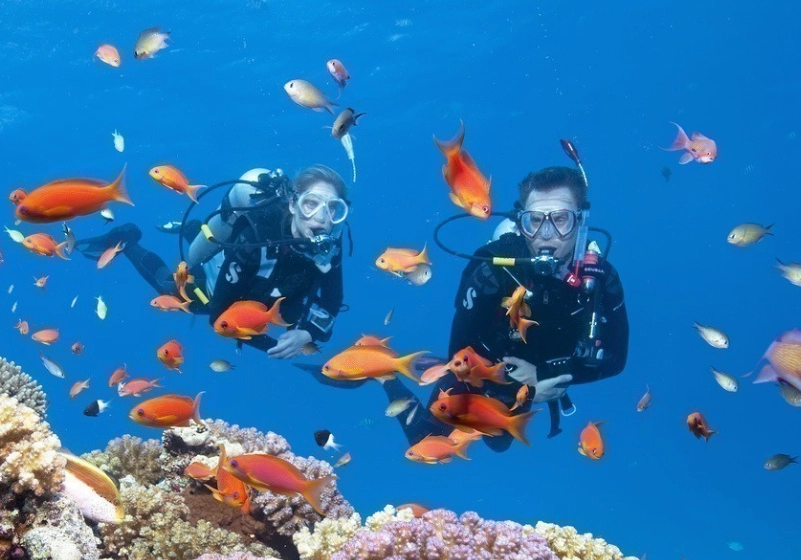
It was inscribed as a UNESCO World Heritage site in 1993. According to UNESCO's official listing, the park covers over 130,000 hectares and contains about 75% of all known coral species in the Philippines and nearly 90% in the Coral Triangle. It's a key breeding ground for fish and seabirds. The "where" is precise: it consists of two large atolls (North and South Atoll) and the smaller Jessie Beazley Reef further north.
Tubbataha Reefs Natural Park: Key Facts
UNESCO Designation: World Heritage Site (Natural, 1993)
Location: Cagayancillo, Palawan, in the middle of the Sulu Sea
Coordinates: Approximately 8°55′N 119°55′E
Area: 130,028 hectares
Best Time to Visit: Liveaboard season only: Mid-March to Mid-June. The park is closed to tourism the rest of the year due to monsoon seas.
How to Visit: Exclusively via multi-day liveaboard boats departing from Puerto Princesa, Palawan.
Park Fees: Approximately $100-120 USD for a 5-6 day trip, paid on top of your liveaboard fare. This funds conservation.
How to Get to Tubbataha Reefs: The Liveaboard Journey
This is the most critical piece of planning. You don't just "go to" Tubbataha; you embark on a liveaboard expedition.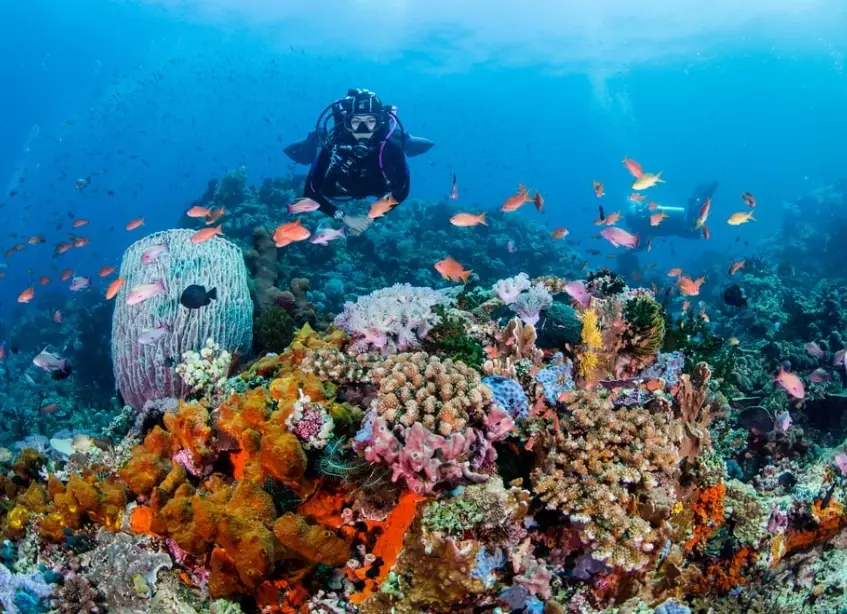
The Standard Route
- Fly to Puerto Princesa (PPS). You'll likely connect through Manila or Cebu. Give yourself a buffer day before the boat departure.
- Check-in at the Liveaboard. Boats are docked in Puerto Princesa Bay. You'll board in the afternoon/evening, settle in, and have a briefing.
- The Overnight Sail. The boat departs in the evening for a 10-12 hour crossing to the reefs. It can be choppy—seasickness pills are a wise pre-emptive move.
- Days of Diving. You'll spend 4-5 full days diving the atolls, with 3-4 dives per day.
- Return Sail. Another overnight sail back to Puerto Princesa, usually disembarking early morning.
Let's be honest, getting to Tubbataha isn't a weekend trip. The travel time and cost filter out casual divers, which helps preserve the site. The Philippines Department of Tourism promotes it as a premier eco-tourism destination, and they're right about the "premier" part.
What You Will See: Marine Life and Dive Sites
The visibility is often staggering—40 meters or more. The walls are sheer and covered in pristine hard and soft corals. But it's the pelagic action that defines Tubbataha.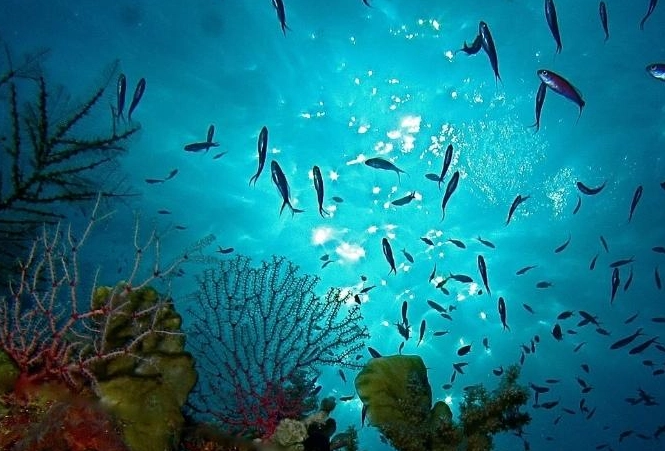
| Common Sightings | Seasonal Highlights (Likelihood) | Key Dive Sites to Know |
|---|---|---|
| White tip & Grey reef sharks | Whale Sharks (Mar-May) | Amos Rock: Famous for shark action, strong currents. |
| Schooling Jacks & Trevallies | Manta Rays (Apr-Jun) | Black Rock: Walls, overhangs, turtles, reef sharks. |
| Napoleon Wrasse | Sea Turtle Nesting (Apr-Jun) | Washing Machine: A thrilling, swirling current dive. |
| Eagle Rays | Bird Watching on islands | South Atoll: Generally calmer, great for macro life. |
| Turtles (Green & Hawksbill) | Jessie Beazley Reef: Remote, less dived, big fish potential. |
A common mistake divers make is focusing only on the big stuff. Slow down. The reef itself is a masterpiece. Look for cryptic critters in the coral, and always glance out into the blue—that's where the schooling hammerheads or a curious tuna might appear.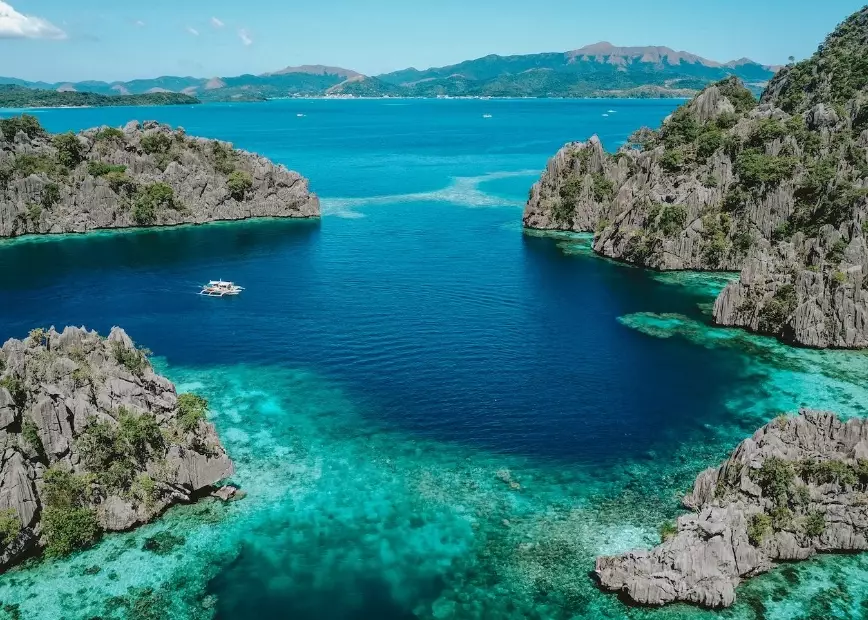
Planning Your Tubbataha Liveaboard Trip
Budget and Booking
This is a premium trip. Liveaboard fares for a 5-6 day trip typically range from $1,800 to $3,500 USD, depending on boat luxury, cabin type, and inclusions (like rental gear or alcohol). Add flights to Puerto Princesa, hotel nights, park fees, and tips. Book at least 6-12 months in advance. The good boats sell out fast for the short season.
Skill Level Requirements
Most reputable liveaboards require a minimum of 50-100 logged dives and recent diving experience. Currents can be strong and unpredictable. Buoyancy control is non-negotiable—you must be able to hover safely over fragile coral. This isn't the place for a newly minted Open Water diver, no matter how confident you feel.
What to Pack
Beyond standard gear: a good dive computer you know how to use, a DSLR or GoPro with red filter for the deep blue, seasickness remedies, a light jacket for the night sail, and plenty of sunscreen. Most boats provide tanks, weights, and sometimes even nitrox.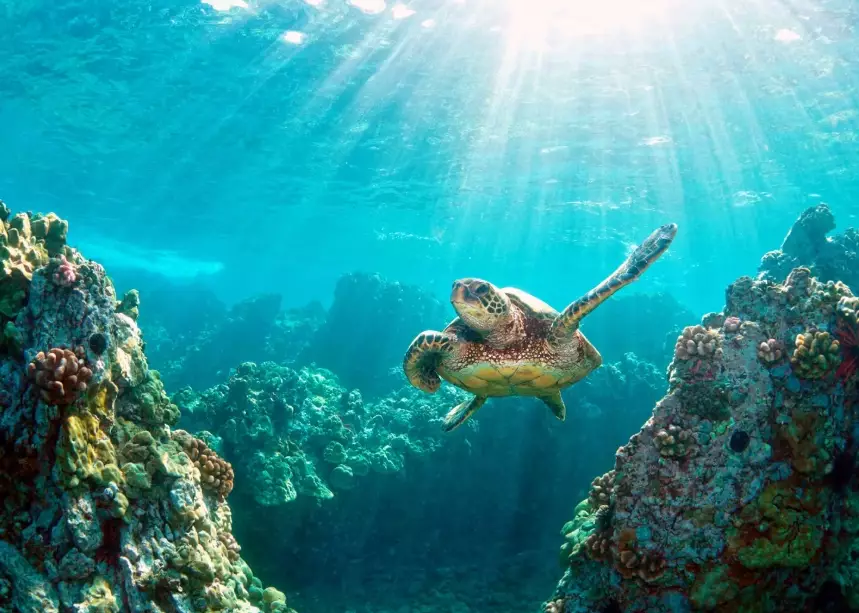
Tubbataha vs. Other Philippine Dive Destinations
People ask, "Why go to Tubbataha when I can see thresher sharks in Malapascua or sardine balls in Moalboal?" Fair question.
Tubbataha is about pristine, remote, oceanic diving. It's pelagic encounters, vast schools, and untouched reefs. It's a dedicated expedition. The vibe is serious diving.
Other sites (Coron, Anilao, Dauin) are about accessibility, variety (wrecks, muck, macro), and mixing diving with island life, resorts, and lower budgets. They're fantastic, but they feel different.
Think of Tubbataha as a safari to a remote national park, while other spots are like visiting excellent but more accessible nature reserves. You do Tubbataha for the ultimate, unspoiled Philippine diving experience.
Your Tubbataha Diving Questions Answered
So, where is the UNESCO dive site in the Philippines? It's in the deep blue heart of the Sulu Sea, waiting on a liveaboard adventure. Tubbataha Reefs isn't just a location; it's an experience that redefines what Philippine diving can be. It demands planning, budget, and skill, but rewards you with some of the most vibrant and untamed underwater landscapes on the planet.
Your comment