Let's be honest. You've probably seen a dozen lists of "top Philippines diving places." They all mention Tubbataha, maybe Coron, throw in a picture of a thresher shark, and call it a day. It feels generic. As someone who's been diving these islands for over a decade, guiding trips and just exploring for fun, I find those lists frustrating. They miss the nuance. The Philippines isn't one destination; it's a sprawling archipelago with over 7,000 islands, each offering a completely different underwater vibe. Your perfect dive trip depends entirely on what you're looking for—are you a macro photography nerd, a wreck enthusiast, or someone who just wants to see big stuff without the crowds?
This guide is different. We're going beyond the names. I'll break down the *character* of each major diving region, give you the real-world logistics (the good, the bad, the expensive), and help you match a place to your specific goals. Because choosing the right spot is the difference between a good trip and a legendary one.
Your Dive Trip Roadmap
- The Philippines Dive Map: A Region-by-Region Breakdown
- Beyond the Brochure: A Deep Dive on Top Spots
- How to Choose the Right Philippines Dive Spot for You?
- Crafting Your Itinerary: Sample Trip Plans
- What Are the Essential Tips for Diving in the Philippines?
- Your Philippines Diving Questions, Answered
The Philippines Dive Map: A Region-by-Region Breakdown
First, forget trying to see it all in one go. The travel distances are huge. Focus on one or two clusters. Here’s the lay of the land (or sea).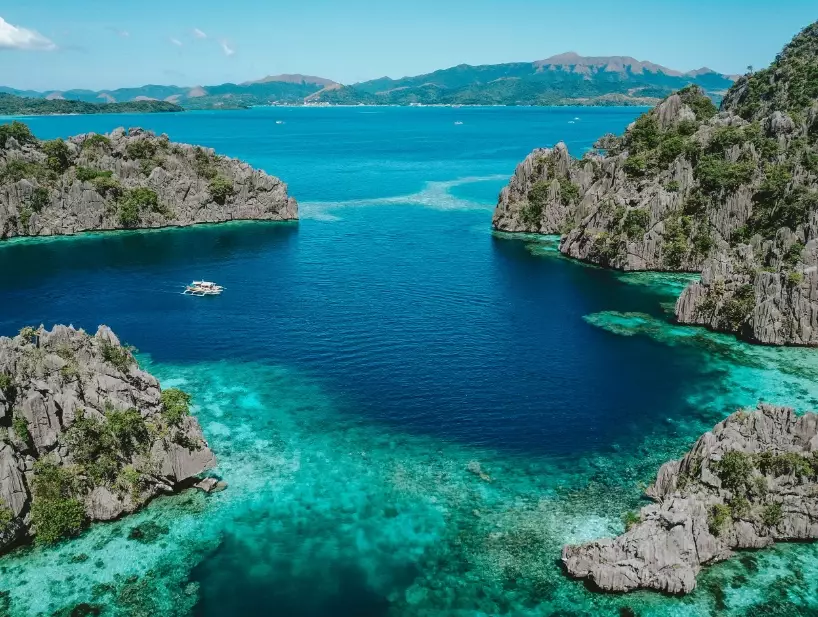
| Region/Area | Core Vibe & Signature Dive | Best For | Best Season | Access Hub |
|---|---|---|---|---|
| Palawan (Coron, El Nido, Tubbataha) | Wreck diving (Coron), pristine reefs & pelagics (Tubbataha), dramatic karst scenery. | Advanced divers (wrecks, liveaboards), photographers, adventurers. | Coron: Oct-Jun; Tubbataha Liveaboard: Mid-Mar to Mid-Jun only. | Manila to Busuanga (Coron) or Puerto Princesa. |
| Central Visayas (Cebu, Bohol, Dumaguete, Siquijor) | Incredible biodiversity. Shark action (Malapascua), world-class muck/macro (Dauin), reliable whale sharks (Oslob). | All levels, especially macro lovers, shark enthusiasts, combo culture/beach travelers. | Nov-May (calmest seas). Whale sharks year-round. | Cebu City (Mactan-Cebu Int'l Airport). |
| South Luzon (Anilao, Puerto Galera) | The "muck diving capital." Macro heaven—tiny, rare critters. Easy access from Manila. | Underwater photographers (macro), weekend divers, beginners doing courses. | Oct-May. Can be rainy Jul-Sep. | Manila. 2-3 hour drive to Anilao; bus+boat to Puerto Galera. |
| Northern Luzon (Subic Bay) | Historical wreck diving. US Navy wrecks from WWII and earlier. | Wreck diving specialists, history buffs. | Oct-May. | Manila. ~2 hour drive. |
See the pattern? Visayas is your all-rounder. Palawan is for the epic, bucket-list stuff. South Luzon is for the critter hunters. Your choice starts here.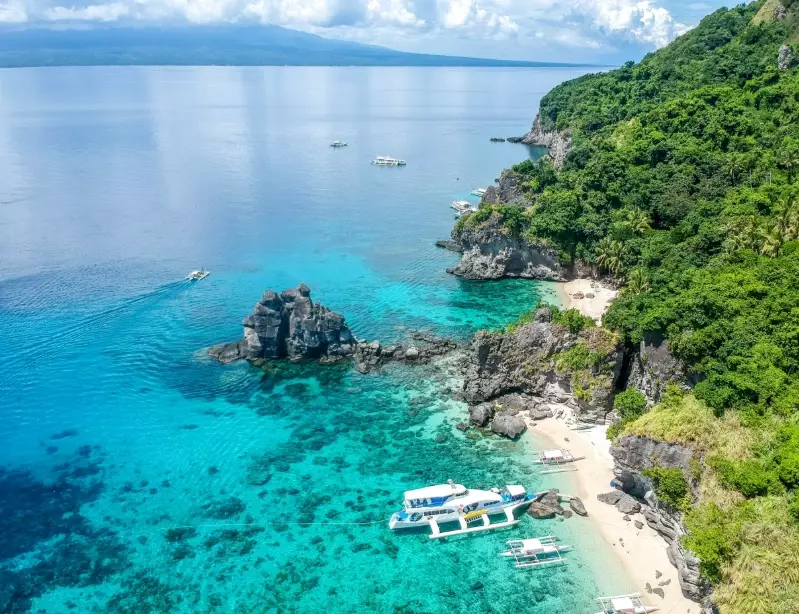
Beyond the Brochure: A Deep Dive on Top Spots
Now, let's get specific. These aren't just names; this is what it's actually like to dive there.
Tubbataha Reefs Natural Park
The crown jewel. A UNESCO site smack in the middle of the Sulu Sea, only accessible by liveaboard for a 3-7 day trip during a short season. This isn't a casual dive. It's expensive, the crossings can be rough, and you need solid buoyancy and experience. Why go? It's like diving an aquarium that's the size of a city. Walls drop into the abyss, schools of jacks and barracuda form tornadoes, and you're almost guaranteed to see multiple shark species (reef, white tip, hammerheads if you're lucky). The coral health is staggering—a reminder of what reefs should look like. Book your liveaboard a year in advance. Operators like Philippine Siren or Discovery Fleet are top-tier.
Coron Bay, Palawan
Famous for its WWII Japanese wreck fleet, sunk in 1944. Dives like the Irako (refrigerator ship) and Okikawa Maru are massive, penetration-heavy, and covered in soft corals. It's not just wrecks though. Barracuda Lake is a surreal thermo-cline dive where the water goes from warm to hot. The downside? Visibility can be murky (it's a bay), and the wreck dives are deep (often 25m+). Perfect for Advanced Open Water divers or those doing a wreck specialty. Stay in Coron town; dive shops like Reggae Diving or Discovery Dive Center are well-established. Flights from Manila to Busuanga (USU) take about an hour.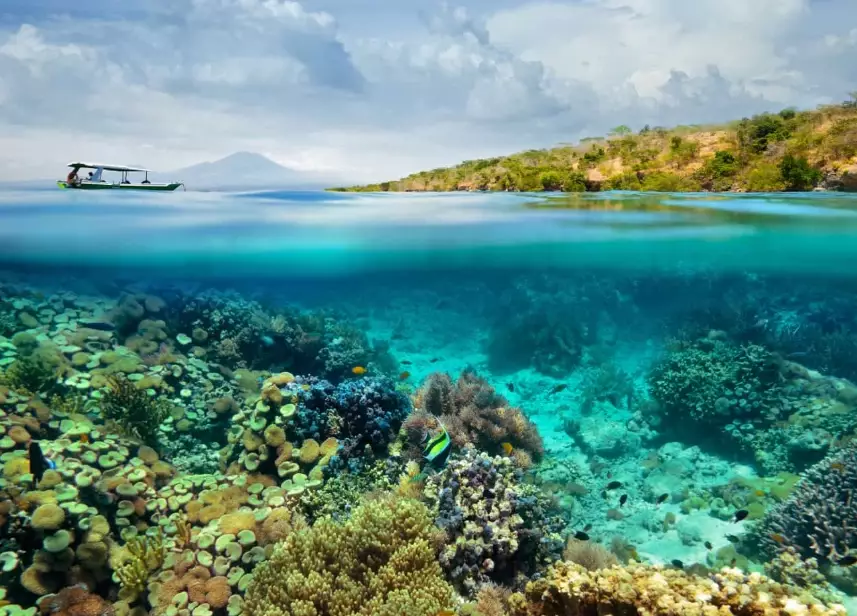
Anilao, Batangas
My personal favorite for a weekend fix. A 3-hour drive south from Manila, it's the birthplace of Philippine muck diving. Don't expect big fish. Expect to spend 60 minutes on your knees in black sand, finding wonders the size of your fingernail: pygmy seahorses, flamboyant cuttlefish, ghost pipefish, a dozen species of nudibranch. Resorts are clustered along the coastline, most offering full board and dive packages. Acacia Resort and Buceo Anilao cater well to photographers. It's relaxed, focused, and the critter life is insane.
Malapascua Island, Cebu
This is the only place in the world where you have a near-daily guarantee of seeing thresher sharks. The dive is Monad Shoal, a deep (25-30m) seamount where the sharks come to be cleaned at dawn. You'll be descending in the dark, holding onto a rope at 25m, waiting. Then a 4-meter-long, alien-looking thresher glides out of the blue. It's a profound experience. The island itself is small and laid-back. Stay at places like Evolution Diving or Thresher Cove Divers. You fly to Cebu, then it's a 4-hour van + 30-minute boat ride.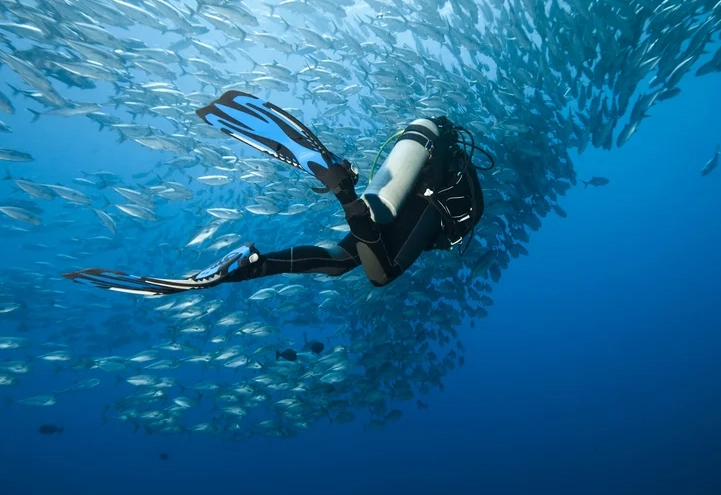
Dauin (near Dumaguete), Negros Oriental
The other macro heavyweight, often paired with a trip to Apo Island for stunning reef dives. Dauin's coastline is black sand muck, packed with rare fauna: blue-ringed octopus, mimic octopus, harlequin shrimp. It's less crowded than Anilao and has a more resort-town feel thanks to Dumaguete city nearby. Liquid Dumaguete and Mike's Dauin Resort are excellent. Apo Island, a short boat ride away, offers pristine hard coral gardens and huge schools of fish—a perfect contrast.
How to Choose the Right Philippines Dive Spot for You?
Stop looking at pictures and start asking yourself these questions:
What's your dive experience? New Open Water divers should avoid Coron's deep wrecks and Tubbataha's strong currents. Bohol (Balicasag Island) or Puerto Galera offer beautiful, gentle reefs. Advanced divers will get bored quickly in beginner areas.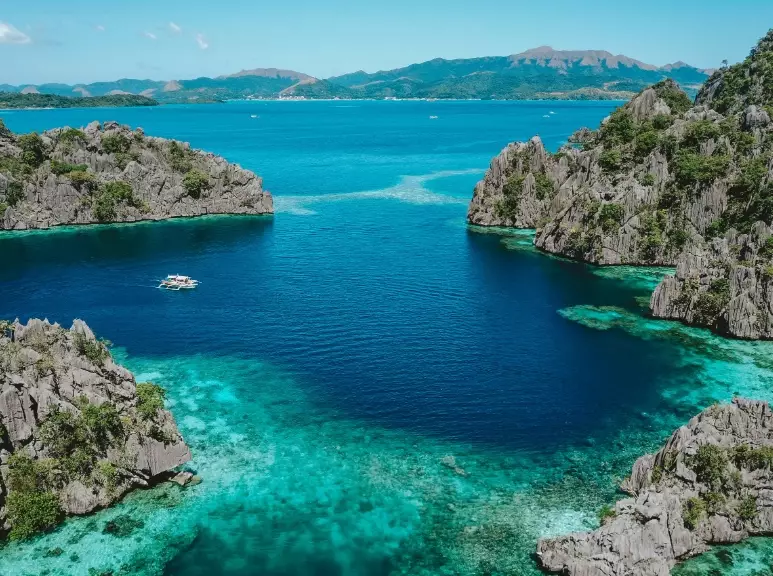
What gets you excited underwater? Big animals? Tubbataha, Malapascua. Tiny critters? Anilao, Dauin. Wrecks? Coron, Subic. Dramatic walls and drifts? Apo Island, Tubbataha.
What's your trip style? Liveaboard adventurer? Resort-based relaxer? Backpacker hopping between islands? Budget dictates a lot. Liveaboards are premium. Malapascua is mid-range. Anilao resorts can be pricey but all-inclusive.
How much time do you have? Less than a week? Stick to one region (e.g., just Cebu/Bohol, or just Coron). Two weeks? You can combine, say, Dauin/Apo Island with Malapascua.
Crafting Your Itinerary: Sample Trip Plans
Here’s how this looks in practice.
The 7-Day Macro & Reef Combo (For Photographers & Critter Lovers):
Fly into Manila. Transfer directly to Anilao (3hrs). Dive for 3 full days, hunting for pygmy seahorses and nudibranchs. On day 4, travel back to Manila and fly to Dumaguete (1hr). Transfer to Dauin. Dive the muck sites for exotic octopus in the afternoon. Day 5, do a 2-tank trip to Apo Island for breathtaking reefs. Day 6, another Dauin muck dive or a local reef. Fly out from Dumaguete.
The 10-Day Visayas Adventure (For Diversity & Big Animals):
Fly into Cebu City. Day 1, travel north to Malapascua (4hrs van+boat). Days 2-3, dawn dives for thresher sharks, afternoon dives at sites like Gato Island (with reef sharks and a tunnel). Day 4, travel south to Moalboal (3hrs). Day 5, dive the famous Sardine Run at Panagsama Beach and the walls at Pescador Island. Day 6, travel to Oslob (2hrs) for the whale shark interaction (if you choose), then continue to Dumaguete/Dauin (2hrs). Days 7-8, dive Dauin muck and Apo Island. Fly out from Dumaguete.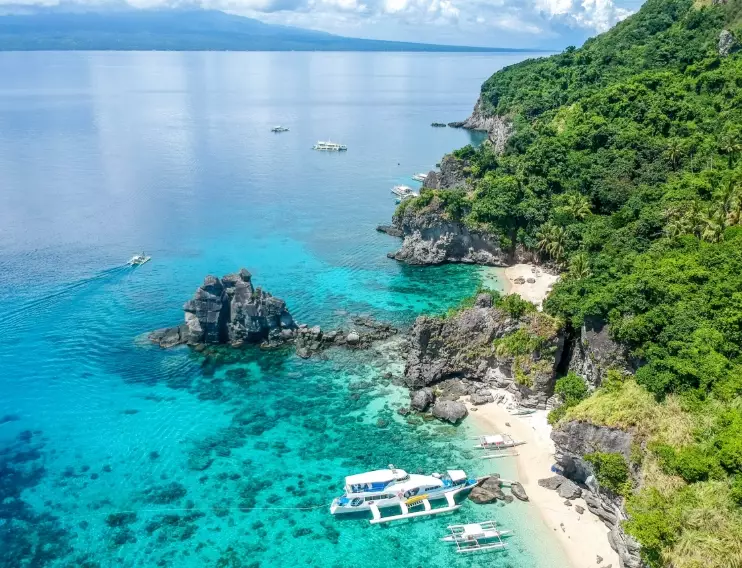
What Are the Essential Tips for Diving in the Philippines?
A few things nobody tells you until you're there.
Certification Cards & Logbook: Every reputable dive center will ask to see your certification card (PADI, SSI, etc.) and often your logbook, especially for advanced sites. No card, no dive. It's a liability thing.
Marine Conservation Fees: Get used to paying small fees (50-200 PHP, ~$1-4) at many sites. This goes to local conservation efforts. Have small bills handy.
Currents Can Be Serious: Sites like Tubbataha, Balicasag, or certain channels in Coron have strong, unpredictable currents. Always listen to the brief, have a surface marker buoy (SMB), and don't overestimate your ability. If a guide says a site is for advanced divers only, believe them.
Dive Insurance is Non-Negotiable: Get DAN or DiveAssure insurance. The nearest hyperbaric chamber might be hours away by plane. Don't dive without it.
Embrace the "Filipino Time": Boats might leave a little later than scheduled. Transfers can take longer than Google Maps says. Build buffer days into your travel, especially before international flights. The relaxed pace is part of the charm if you let it be.
Your Philippines Diving Questions, Answered
I'm an Open Water diver with 20 dives. Is Coron's wreck diving safe for me?
Some shallower wrecks like the Lusong Gunboat are okay, but the famous deep wrecks (Irako, Okikawa) are a hard no without an Advanced Open Water certification and proper wreck training. The depths (often exceeding 30m/100ft), potential for entanglement, and required penetration make them inappropriate for inexperienced divers. Many shops in Coron offer "wreck discovery" programs that introduce you to safer wrecks first.
What's the one piece of gear I should bring that most divers forget?
A good dive light, even for day dives. For muck diving in Anilao or Dauin, it's essential for spotting critters in dark holes and bringing out colors. For wreck penetration in Coron, it's mandatory. A backup torch is also a smart idea. Don't rely on renting a decent one.
I want to avoid crowds. Where should I go and when?
Skip the peak holidays (Christmas, New Year, Easter). For locations, consider the shoulder seasons. Go to Malapascua in late September/early October (just as the season opens, before the big rush). Try Dauin over Anilao—it's slightly less frequented by the Manila weekend crowd. Look at liveaboards to remote areas like the Visayan Sea or southern Leyte, which see a fraction of the traffic of the mainstream spots.
How do I ensure my diving is eco-friendly and supports local communities?
Choose dive operators with clear sustainability policies (look for Green Fins membership or similar). Ask if they hire local guides and boatmen. Never touch or harass marine life, especially to get a photo. Use reef-safe sunscreen. Be mindful of your fin kicks to avoid stirring up sediment or damaging coral. Patronize locally-owned resorts and eateries over international chains. Your choices directly impact these coastal communities.
Your comment