Let's be honest. The idea of your first scuba dive is equal parts thrilling and terrifying. You see those epic photos of sharks and deep walls, but your brain screams "What if I panic? What if I run out of air?" I get it. I've been teaching beginners in the Philippines for over a decade, and the single biggest mistake I see isn't a skills failure—it's choosing the wrong place to start.
You don't need dramatic drop-offs on day one. You need gentle slopes, forgiving visibility, and dive masters who actually remember what it's like to breathe underwater for the first time. That's where the Philippines truly shines. Forget what you've heard about advanced tech diving here. Its secret superpower is an abundance of perfect, protected bays and reefs designed for first-timers.
Your Quick Dive Guide
What Makes a Dive Site ‘Beginner-Friendly’?
It's not just about shallow water. A great beginner site has a specific recipe.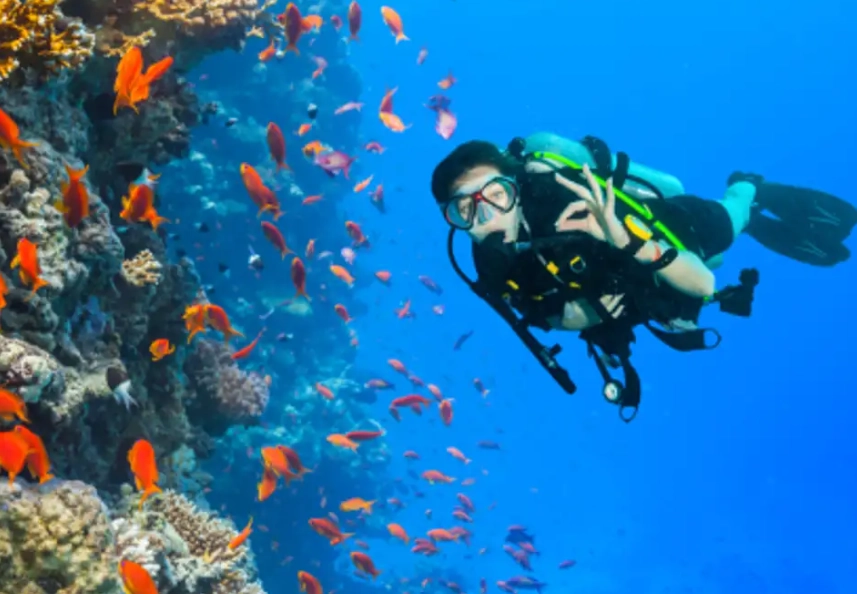
Calm Surface Conditions: Minimal current and small waves. You'll be nervous enough without fighting the ocean to put your fins on. Look for sheltered bays or lagoons.
Gradual, Sandy Entry/Exit: Rocky shore entries are a balancing act nightmare for new divers. A sandy slope lets you walk in, sit down, and get comfortable.
Moderate Depth & Gentle Slope: A reef that starts at 5 meters (15 feet) and slopes down to 12-15 meters (40-50 feet) is ideal. It gives you a safe, visual reference (the bottom) and lets you gradually increase depth as you gain confidence.
Interesting but Not Overwhelming Life: You want to see colorful fish, maybe a turtle, some nice corals—not be in the middle of a swirling bait ball or a strong current cleaning station. Predictability is your friend.
Proximity to Reputable Dive Centers: The best site is useless if the nearest operator is a 2-hour boat ride away or has sketchy equipment. Accessibility and safety infrastructure are key.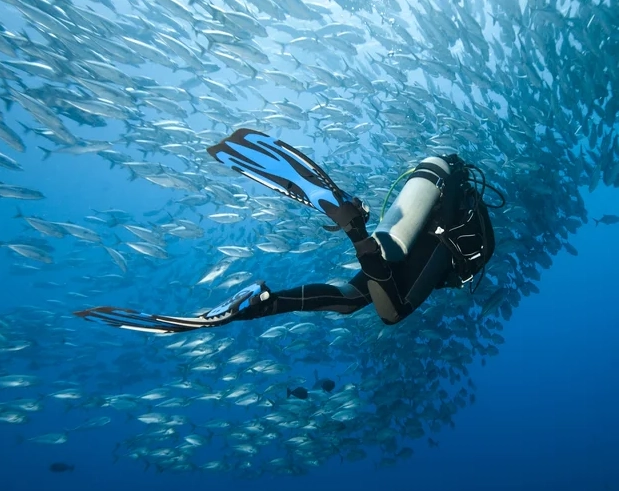
A Note from My Logbook
I've seen more students struggle with buoyancy because they're fixated on a checklist of skills rather than just experiencing being underwater. The best beginner sites are so visually engaging and calm that they naturally distract you from overthinking. You forget to be anxious because you're too busy following a clownfish. That's the magic we're looking for.
Top 5 Philippines Diving Destinations for Beginners
Based on teaching thousands of open water students, here are my top picks. I'm ranking these not just on the dive site, but on the entire beginner ecosystem—the quality of instruction, the overall vibe of the town, and how easy it is to have a stress-free trip.
1. Puerto Galera, Mindoro
The Verdict: The undisputed champion for learning. It's like a university campus for divers.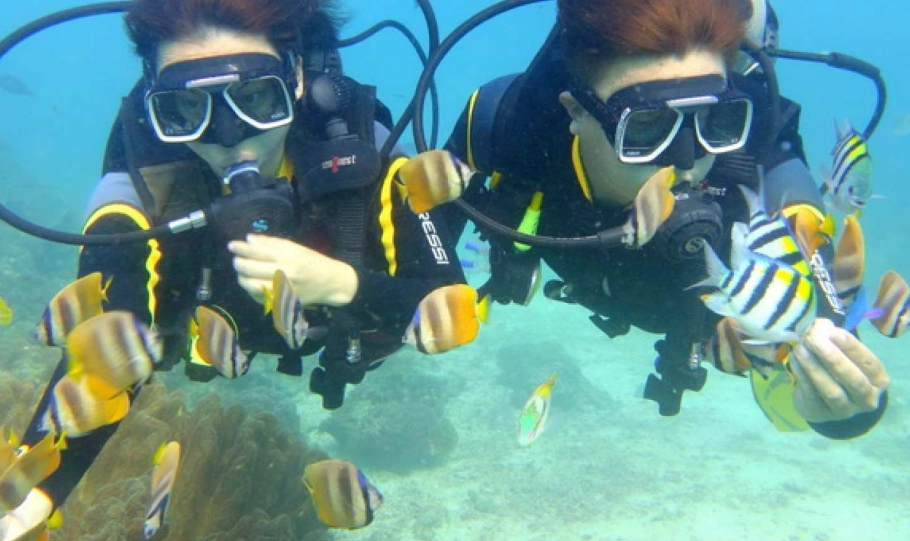
Puerto Galera (or "PG") is a 3-4 hour drive and ferry combo from Manila. Sabang Beach is the main hub, a bustling, no-frills strip where every other shop is a dive center. This density creates fierce competition, which drives prices down and service standards up.
My Personal Pick: For sheer consistency and volume of beginner-friendly sites within a 10-minute boat ride, PG is unbeatable for pure skill acquisition.
2. Moalboal, Cebu
The Verdict: For the beginner who wants a iconic "wow" moment without the stress.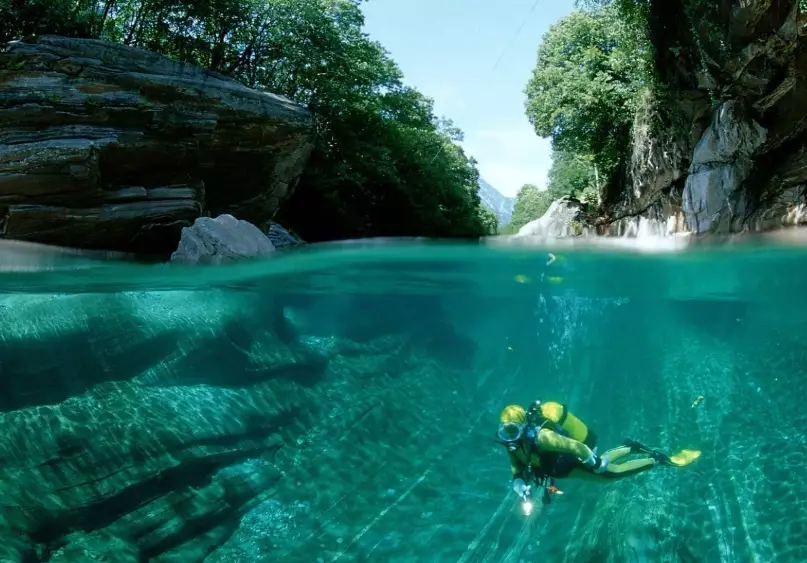
Moalboal is on Cebu's west coast, about 3 hours from Cebu City. The town is more spread out than PG, with a mix of budget and mid-range resorts along the Panagsama Beach road.
My Hot Take: Some instructors rely too much on the sardines as a crutch. Ensure your chosen center also takes you to proper reef sites to practice navigation and buoyancy away from the crowd.
3. Dauin & Apo Island, Negros Oriental
The Verdict: The premium choice for muck diving and guaranteed turtle encounters in pristine conditions.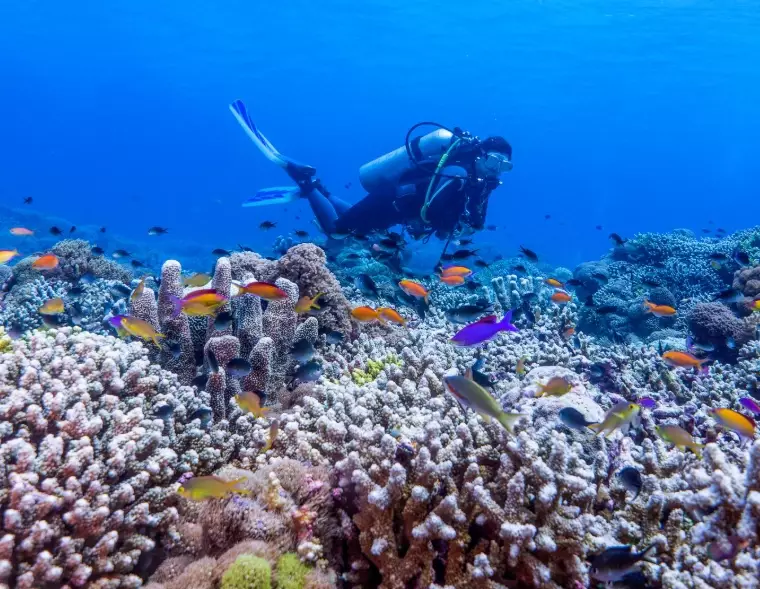
Fly into Dumaguete City. Dauin's "muck" diving (sandy slopes with rare critters) is world-class, but also happens to be perfect for beginners—it's shallow, calm, and you go slow to look for tiny things.
This is where you go if you have a slightly higher budget and want a more resort-style, environmentally-focused introduction to diving.
4. Anilao, Batangas
The Verdict: Manila's weekend playground, perfect for a quick, no-fuss skills refresher or a condensed course.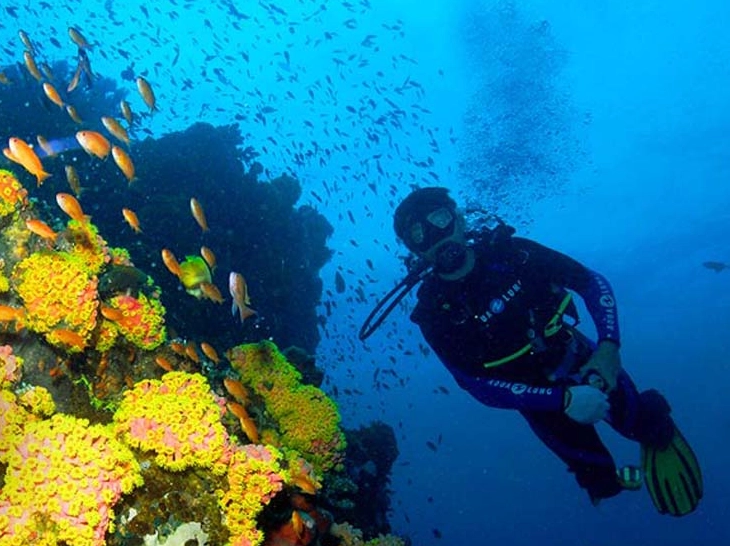
Just a 2-3 hour drive south of Manila, Anilao is a string of dive resorts along a coastline. It's not a town you "explore"; you go to your resort and dive.
The Caveat: While great for training, the underwater scenery can feel less "grand" than the islands. It's a training ground, not necessarily a destination for a full dive vacation.
5. Coron, Palawan (with a BIG asterisk)
The Verdict: Only for the adventurous beginner who prioritizes unique sights over perfect calm.
Coron is famous for WWII Japanese shipwrecks in crystal-clear, sheltered water. The kicker? Most are at 12-22 meters, right at or beyond the limit for an Open Water Diver.
Choose Coron if you're a confident learner and the idea of sunken ships excites you more than anything else.
How to Choose Your First Dive Center in the Philippines?
This is more important than choosing the island. A bad instructor can ruin a perfect site.
Look Beyond the Price Tag: The cheapest course often means larger groups (6:1 student-to-instructor ratio vs. the ideal 4:1) and older, more worn equipment. Ask about group size.
Email Them First: Ask specific questions. "What is your student-to-instructor ratio for Open Water?" "Can I see your equipment maintenance logs?" "Do you have a dedicated training pool or confined water area?" Their responsiveness tells you a lot.
Check for Real Certifications: Ensure they are affiliated with a major agency (PADI, SSI, RAID, etc.). Look for centers with PADI 5-Star or SSI Diamond status—it indicates higher standards.
Read Between the Lines of Reviews: On TripAdvisor or Google, search for "beginner," "first time," "patient," and "nervous." A review that says "they made me feel safe" is worth ten that say "great boats."
Trust Your Gut on the Gear: When you arrive, look at the gear room. Is it organized? Are the BCDs (buoyancy jackets) and regulators relatively modern and clean? Don't be shy to ask when the regulators were last serviced.
Your First Philippines Dive Trip: A Step-by-Step Planning Guide
Step 1: Get Medically Honest
Before you book anything, download the RSTC Medical Statement form (used by all agencies). Read it carefully. Any "YES" to the questions (asthma, heart conditions, etc.) requires a doctor's clearance. Don't ignore this. A reputable dive center will not let you dive without a signed form.
Step 2: Book Your Course, Then Flights
Secure your spot with a dive center first, especially in peak season (Nov-May). They can advise on the best nearby accommodation. Then book your flights to the nearest airport (e.g., Manila for PG/Anilao, Cebu for Moalboal, Dumaguete for Dauin).
Step 3: Pack Smart (You Need Less Than You Think)
Must-Haves: Your medical form (if needed), certification e-learning completion code (if you did it online), swimsuit, a rash guard for sun protection, seasickness pills if you're prone, waterproof sunscreen (reef-safe!).
Leave Behind: Full wetsuits (centers provide 3mm shorties), heavy dive computers (they'll provide one), and any expectation of having perfect hair.
Step 4: The Travel Day Before
No-Fly Rule: You cannot fly for at least 18 hours after your last dive. This is non-negotiable physics to avoid decompression sickness. Plan your departure accordingly.
Budget? A solid 4-day Open Water course trip, including budget accommodation, food, and the course, can range from $500 (in PG) to $900+ (in Dauin at a nicer resort).
Your comment