Ask any seasoned diver who's explored the Philippine archipelago, and the answer is almost unanimous. It's not the overly touristy spots, nor the ones with just pretty coral. The title of "diving capital" belongs to a place where history lies beneath the waves, where freshwater meets saltwater in a surreal dance, and where the biodiversity will make your head spin. That place is Coron, in northern Palawan.
I've been diving here for over a decade, and I still find new things on old wrecks. The common internet chatter gets one thing right: the WWII Japanese wrecks are incredible. But it misses the whole picture. Coron's magic is in its variety—a punishingly beautiful mix that demands more than a weekend.
Your Quick Dive into This Guide
Why Coron Earns the "Diving Capital" Crown
It's not a marketing slogan. Coron ticks every box for a world-class diving destination, and then adds a few unique ones of its own.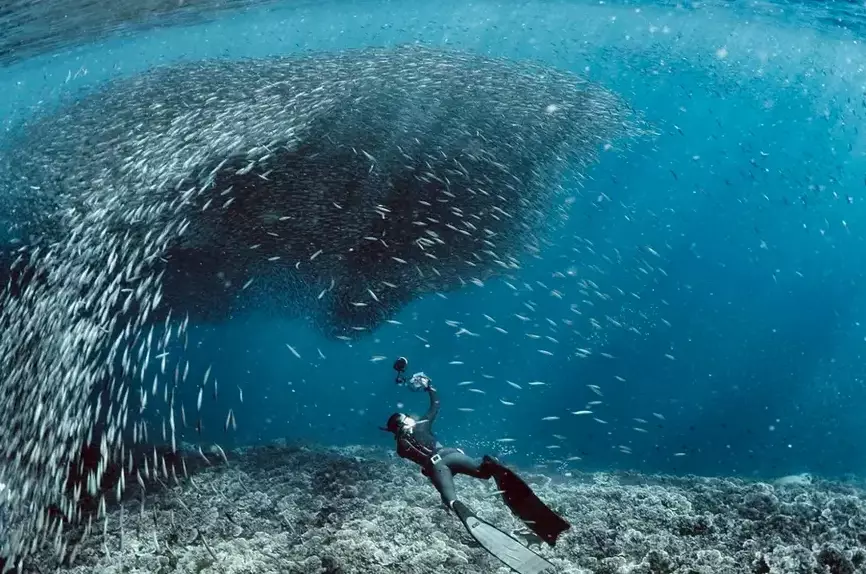
The Wrecks: A Time Capsule 30 Meters Down
In September 1944, U.S. Navy aircraft from Task Force 38 launched a massive raid on Coron Bay, sinking over a dozen Japanese support vessels. Today, these wrecks—like the Irako (refrigerator ship), Okikawa Maru (oil tanker), and Akitsushima (seaplane tender)—are the crown jewels. They're not scattered debris; they're largely intact, sitting upright in depths from 10 to 40 meters. Swimming through engine rooms, past boilers, and alongside coral-encrusted gun mounts is an experience you won't get in many places. The visibility inside the wrecks can be low and silty, which is part of the challenge and thrill. It's technical, penetrating wreck diving at its best.
The Lakes & Reefs: A Double Ecosystem
This is where Coron separates itself. Kayangan Lake and Barracuda Lake are not your average dive spots. They're thermocline lakes, where layers of fresh, brackish, and saltwater create wild temperature shifts. In Barracuda Lake, you can go from 28°C to nearly 40°C as you descend, a bizarre and amazing sensation. The rock formations are jagged and dramatic, unlike anything on the reefs. Then you have the coral gardens around nearby islands like Ditaytayan and Pass Island—shallow, pristine, and teeming with life. It's like having two completely different diving planets in one location.
A Local's Nitpick: Most blogs just say "the wrecks are great" and "the lakes are cool." Here's the subtle mistake beginners make: they try to do a deep wreck dive and a lake dive on the same day. The decompression profiles and totally different buoyancy skills (freshwater vs. saltwater) can be mentally and physically exhausting. Space them out. Do reefs and lakes one day, wrecks the next.
The Must-Dive Sites: More Than Just Wrecks
Let's get specific. Here’s a breakdown of Coron's dive sites that goes beyond the usual top-3 list.
| Site Name | Type | Depth Range | Highlights & Notes | Best For |
|---|---|---|---|---|
| Irako Wreck | Wreck (Penetration) | 25-45m | Massive engine room, intact structure. Requires advanced cert. Often has strong currents. | Advanced/Technical Divers |
| Okikawa Maru Wreck | Wreck (External/Penetration) | 10-26m | Huge, photogenic propeller. Lots of swim-throughs. Good for advanced open water. | Advanced Open Water+ |
| Barracuda Lake | Thermocline Lake | 5-38m | Wild temperature changes, jagged limestone, unique halocline. No corals, just geology. | All Divers (snorkelable too) |
| Skeleton Wreck | Wreck (Shallow) | 5-22m | A small, intact gunboat. Perfect for first wreck dive or buoyancy practice. Loaded with glassfish. | Beginners to Advanced |
| Ditaytayan Coral Garden | Reef/Drift | 5-18m | Stunning hard & soft coral coverage. Turtles, reef sharks, endless fish. Often paired with a sandbar visit. | All Divers, Photographers |
| Lusong Gunboat | Wreck (Shallow) | Surface-12m | Tiny wreck, completely covered in corals. More of a "coral sculpture" now. Amazing for macro life. | Beginners, Snorkelers, Macro Lovers |
You'll notice I didn't just list the deepest wrecks. The Skeleton and Lusong wrecks are often overlooked but are phenomenal dives in their own right, especially for photography or newer divers.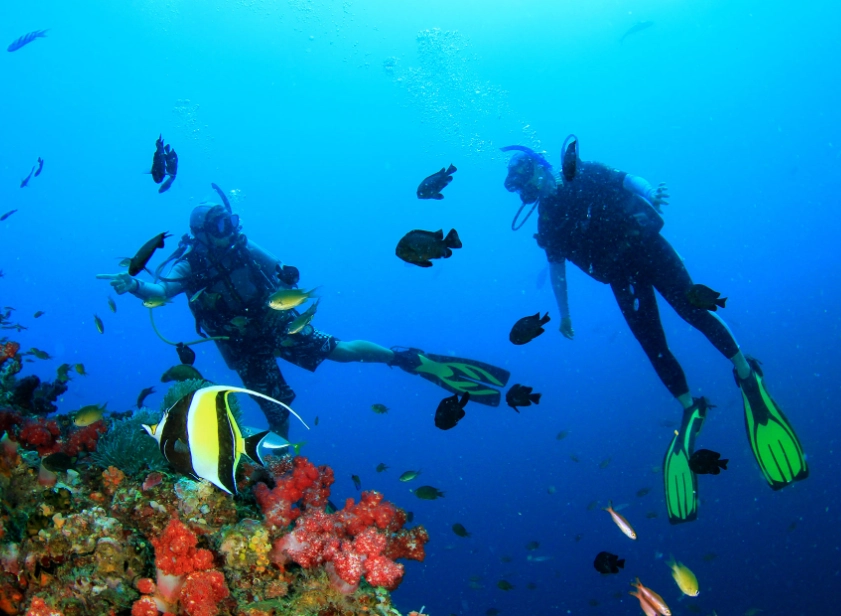
How to Plan Your Coron Diving Trip: A Realistic Breakdown
Coron Town (Busuanga Island) is your base. It's a functional, not fancy, town. Don't expect Boracay-style beaches here. The beauty is offshore.
Getting There & Around
You fly into Francisco B. Reyes Airport (USU) in Busuanga. Flights come from Manila (Cebu Pacific, Philippine Airlines, AirSWIFT) and sometimes Cebu. The van ride to Coron Town takes 30-45 minutes. Book your airport transfer in advance with your hotel or dive shop—it's easier. In town, tricycles (₱20-50 per ride) are the main transport. Walk if your hotel is near the main street.
Choosing a Dive Shop & Costs
This is crucial. Coron has dozens of operators. Look for ones affiliated with PADI or SSI for safety standards. Read recent reviews focusing on boat condition and guide-to-diver ratio. A good shop will ask for your certification card and logbook.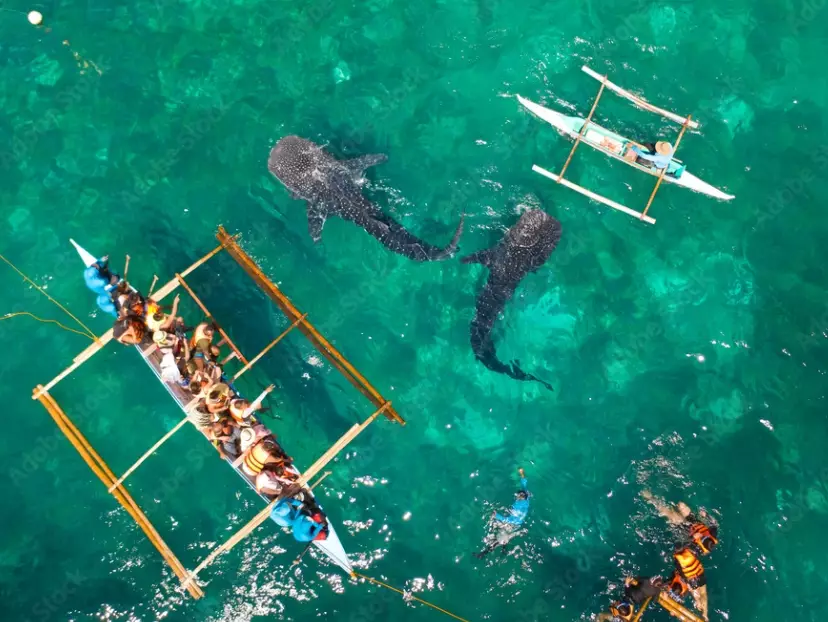
Cost Snapshot (2024): A standard 3-dive day trip to wrecks and lakes costs between ₱3,500 to ₱4,500 (approx. $60-$80 USD). This includes tanks, weights, guide, and lunch. Gear rental is extra (₱500-1000/day). Fun dives are cheaper than courses. A 3-day diving package can offer savings. Always confirm what's included—some budget shops skimp on lunch quality.
Itinerary Suggestion: The 5-Day Diver's Week
Day 1: Arrive, settle in, do a checkout dive at a shallow site like Skeleton Wreck.
Day 2: Wreck Day. Dive Okikawa Maru and another mid-depth wreck like Olympia Maru.
Day 3: Lakes & Reefs Day. Dive Barracuda Lake, Kayangan Lake (snorkel), and Ditaytayan Reef.
Day 4: Challenge Day. For advanced divers: Irako wreck. For others: Lusong Gunboat and a deeper reef.
Day 5: Depart, or do a non-diving island hopping tour.
This pace is realistic. Trying to cram more will leave you exhausted.
What Else is There? Life Above Water in Coron
You need surface intervals. Luckily, Coron's island hopping is legendary. The standard Tour A (Kayangan Lake, Twin Lagoon, Siete Pecados, etc.) and Tour B (Malcapuya, Bulog Dos, Banana Island) are worth it. Kayangan Lake's viewpoint is the iconic Coron shot. Entry fees apply (e.g., Kayangan Lake is ₱300). The town has decent food—try local grilled seafood (inasal) and the Filipino-Chinese dish lomi. For sunset, head to Mount Tapyas (700+ steps) or the less crowded viewing deck at the town's Cashew Harvest store.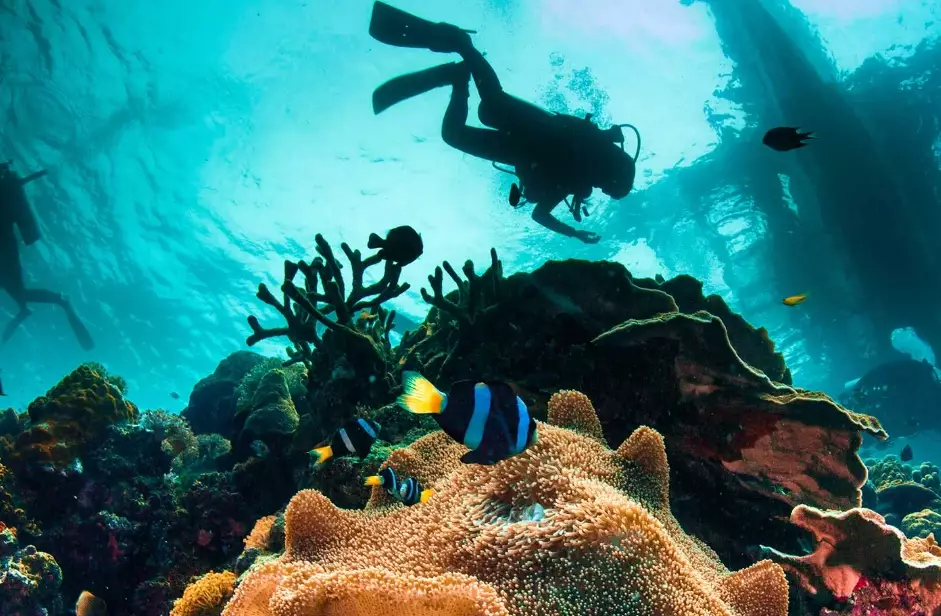
Your Coron Diving Questions, Answered by a Local
So, there you have it. The diving capital of the Philippines isn't just a spot on a map. It's Coron—a place that challenges you, surprises you, and leaves you planning your next trip before your gear is even dry. It's earned its title. Now go see why.
Your comment