What You’ll Find in This Guide
Winter diving? It sounds crazy if you’re used to tropical waters, but trust me, some of the best underwater experiences happen when the air gets cold. I’ve been diving for over a decade, and my most memorable dives were in winter—from swimming between continents in Iceland to spotting giant pacific octopuses in Canada. This guide cuts through the hype and gives you the real scoop on where to go, what to pack, and how to stay safe. Let’s dive in.
Why Winter Diving is a Hidden Gem
Most divers flock to the tropics in winter, but that means crowded sites and higher prices. Winter diving in colder regions offers clearer water, unique marine life, and often cheaper deals. Water visibility can be stunning because plankton levels drop. In places like British Columbia, winter brings aggregations of wolf eels and sea lions that are less active in summer. Sure, you’ll need extra gear, but the trade-off is worth it. I once skipped a winter dive in Norway because I was worried about the cold, and I still regret missing those orcas. Don’t make that mistake.
Top 5 Winter Diving Destinations Worldwide
Here’s my pick of the best winter diving spots based on personal trips and diver feedback. I’ve included specifics like location, best time, costs, and how to get there—stuff you need to plan your trip.
| Destination | Best Time (Winter) | Water Temp (°C) | Key Attractions | Approx. Cost for a Dive Tour |
|---|---|---|---|---|
| Silfra Fissure, Iceland | November to March | 2-4°C | Dive between tectonic plates, crystal-clear visibility | $150-$300 per dive |
| Raja Ampat, Indonesia | December to February | 28-30°C | Biodiversity hotspot, manta rays, coral reefs | $100-$200 per dive |
| British Columbia, Canada | January to March | 6-8°C | Cold-water giants like wolf eels, octopuses | $80-$150 per dive |
| Red Sea, Egypt | December to February | 22-24°C | Shipwrecks, dolphins, accessible from Europe | $50-$120 per dive |
| Galapagos Islands, Ecuador | December to May | 18-24°C | Hammerhead sharks, sea lions, unique currents | $200-$400 per dive |
Now, let’s break each one down.
Silfra Fissure, Iceland: Dive Between Continents
Silfra is in Thingvellir National Park, about 50 km from Reykjavik. You’ll need to book with a licensed operator like DIVE.IS or Arctic Adventures—they handle permits and gear rental. Winter is prime time because the ice formations above add a surreal touch. Water visibility exceeds 100 meters, thanks to glacial filtration. A two-tank dive costs around $250, including drysuit rental. Getting there: rent a car from Reykjavik (1-hour drive) or join a tour bus. Dive centers operate from 8 AM to 5 PM daily, but book months ahead; slots fill fast. My tip: test your drysuit in a pool first. I saw a diver panic from a leak, and it ruined their day.
Raja Ampat, Indonesia: Tropical Winter Paradise
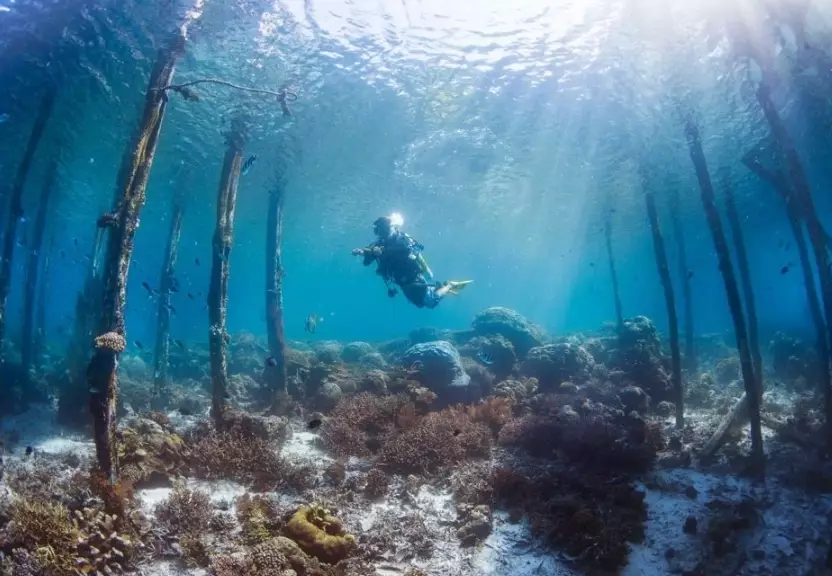
Located in West Papua, Raja Ampat’s winter (dry season) means calm seas and less rain. Fly to Sorong via Jakarta or Bali, then take a boat to resorts like Misool or Papua Diving. Dive sites like Cape Kri are packed with fish—expect to see mantas and wobbegongs. A liveaboard trip runs $2000-$5000 for a week, including dives. Resorts offer day trips for $100-$150 per dive. Water is warm, so a 5mm wetsuit suffices. But here’s a non-consensus point: avoid over-crowded sites by asking locals for hidden spots like Melissa’s Garden. I spent a week there last February, and the manta ray cleaning stations were less busy than in summer.
British Columbia, Canada: Cold-Water Giants
BC’s winter diving centers around Vancouver Island, especially spots like Hornby Island and Port Hardy. Water temps hover around 7°C, so a drysuit is mandatory. Dive shops like Pacific Pro Dive offer tours from $120 for two tanks. You’ll see giant pacific octopuses, wolf eels, and sea lions. Getting there: fly to Vancouver, then drive or take a ferry. Dive operators run year-round, but winter schedules are limited—call ahead. I made the mistake of not checking my drysuit seals before a January dive, and let’s just say I learned the hard way. Pack heat packs for your gloves.
Red Sea, Egypt: Warm Winter Escape
Sharm El Sheikh or Hurghada are hubs. Winter is ideal because air temps are mild (20-25°C), and water stays warm. Dive sites like the SS Thistlegorm wreck are accessible year-round. A day boat dive costs $50-$100, including gear. Flights from Europe are cheap in winter. Operators like Emperor Divers run daily trips from 7 AM to 4 PM. Traffic can be hectic, so book a resort with a dive center. My take: beginners often overlook current checks here—winter currents can be strong, so always dive with a guide.
Galapagos Islands, Ecuador: Wildlife Spectacle
Winter (December to May) is the warm, wet season, perfect for seeing hammerhead sharks at Darwin Island. Liveaboards are the way to go—companies like Aggressor Fleet charge $4000-$7000 for a week. Land-based diving is limited. Fly to Quito, then to Baltra. Permits are required, so book through a tour operator. Water temps vary: northern sites are cooler. This isn’t for beginners; currents are intense. I’ve seen divers underestimate fitness needs—get in shape before you go.
How to Gear Up for Winter Diving: Essential Tips
Winter diving gear isn’t just about staying warm; it’s about safety. Here’s what most guides don’t tell you.
Core Gear List: Drysuit (or thick wetsuit for warmer spots), hooded vest, gloves (5mm or thicker), boots, regulator with environmental seal, dive computer with temperature display. Rentals are available, but I always bring my own gloves—rental ones often leak.
Invest in a good drysuit. I use a Fourth Element one, and it’s worth every penny. Test it in a pool before your trip. A common mistake: divers forget to check valve seals, leading to floods. For colder waters like Iceland, add a heated vest—you can find options from brands like Santi. Budget around $500-$2000 for personal gear if you’re buying.
Regulators need servicing for cold water. I learned this after mine froze slightly in Canada; now I get it serviced annually. Refer to PADI’s guidelines on cold water diving for more tips—they’re a trusted source in the diving community.
Planning Your Winter Dive Trip: A Step-by-Step Guide
Let’s make this practical. Here’s how I plan my winter dives.
Step 1: Pick Your Destination Based on Skill Level. Beginners: stick to warmer spots like Red Sea. Advanced: try Galapagos or BC. Check weather patterns; NOAA provides reliable marine forecasts.
Step 2: Book Early. Winter slots fill fast. For Iceland, book 6 months ahead. Use sites like Divebooker for comparisons.
Step 3: Gear Check. Test everything at home. I once arrived in Norway with a faulty regulator—don’t be me.
Step 4: Plan Logistics. For remote spots like Raja Ampat, factor in travel insurance and vaccinations. Flights to Sorong can be pricey in winter; use Skyscanner for deals.
Step 5: Dive with a Buddy or Guide. Winter conditions can change fast. I always hire a local guide for new sites—they know the hidden hazards.
FAQ: Your Winter Diving Questions Answered
Winter diving opens up a world that most divers miss. Whether you’re chasing clear water in Iceland or sharks in the Galapagos, preparation is everything. Use this guide to plan smart, pack right, and dive safe. Got more questions? Drop a comment—I’m happy to share from my own blunders and triumphs.

Comments