September hits a sweet spot for divers. It’s that transitional month where summer crowds thin out, water temperatures are often still warm from the summer sun, and marine life activity is shifting into high gear for the fall. But here’s the thing most generic guides miss: "best" is entirely subjective. The best diving in September for a photographer chasing whale sharks is completely different from the best spot for a beginner wanting calm, clear water. I’ve spent over a decade planning dive trips around this month, and the key isn't just picking a famous location—it's matching the destination's specific September conditions to what you actually want to see and experience.
Let’s cut through the noise. This guide isn't a list of every place you can dive in September. It's a focused breakdown of where September truly shines, why it shines there, and the practical details you need to book with confidence.
What’s Inside This Guide
Why September Diving is Unique
Think of September as the ocean's shoulder season. In many tropical regions, the rainy season is either ending or the dry season is just beginning. This often means better visibility as runoff decreases. In temperate areas, water is at its warmest after soaking up summer heat. But the biggest draw is animal behavior.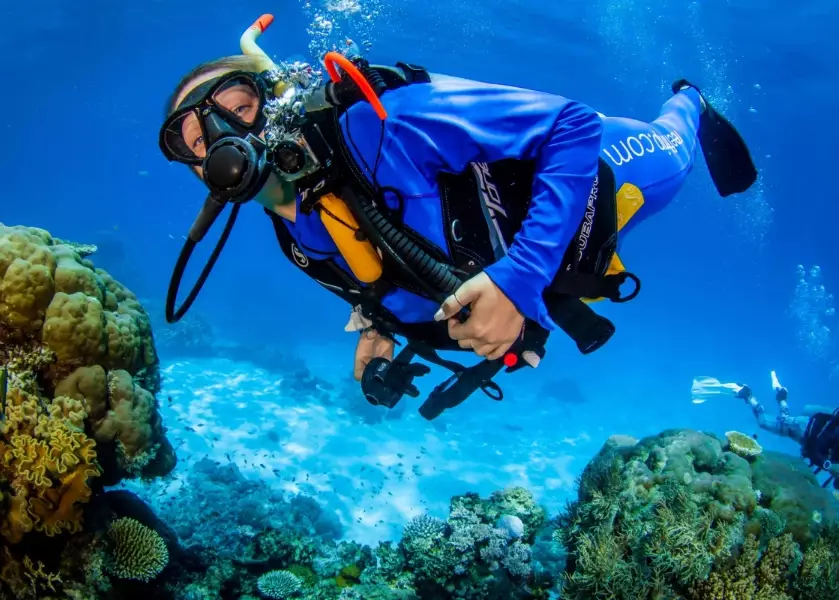
In places like the Coral Triangle, you see a peak in pelagic activity. In the Caribbean, it's the tail end of hurricane season, which sounds bad, but it actually means you can find incredible last-minute deals and empty dive sites—if you know how to watch the weather. A common mistake? Assuming "hurricane season" means constant storms. It doesn't. It means a higher statistical chance, primarily in the western Caribbean. The ABC Islands (Aruba, Bonaire, Curaçao) and the Bay Islands of Honduras sit outside the main hurricane belt and are famously reliable in September.
The light is different, too. The sun's angle starts to lower, creating stunning rays through the water column, especially on morning dives. Crowds vanish. I did a liveaboard in the Red Sea one September and felt like we had the entire reef to ourselves. The trade-off? Some remote resorts or liveaboards might be closed for maintenance, so your options need checking.
Top Destinations for September Diving
Here’s a breakdown of standout regions, not just countries. I'm focusing on where September offers a distinct advantage.
The Coral Triangle & Southeast Asia
This is arguably the global peak for muck and macro diving. Indonesia's Lembeh Strait and the Philippines' Anilao are in their prime. Water is calm, and critters are out in force. For bigger stuff, Komodo’s currents are still pumping, bringing in mantas and sharks. Raja Ampat is transitioning into its drier season; visibility starts to improve, and you avoid the peak tourist prices.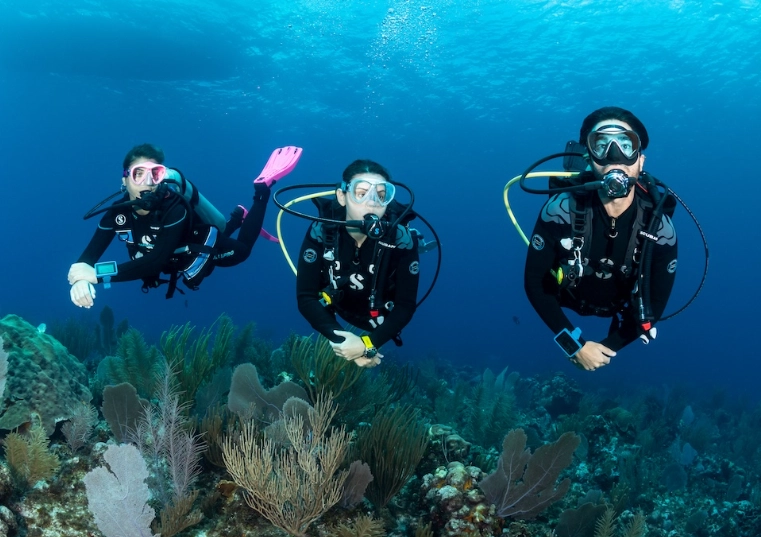
Specific Spot: Sangalaki Island, Indonesia. This is a manta ray cleaning station. In September, you're almost guaranteed multiple, relaxed mantas on every dive. It's a seasonal operation, so trips are specifically scheduled for this window. You fly to Berau, then take a boat. It's not the cheapest, but for manta behavior, it's unbeatable.
The Red Sea
Sea temperatures are maxed out (around 29°C/84°F), and the winds that can plague the northern routes in summer have usually died down. It's prime time for liveaboards hitting Brothers, Daedalus, and Elphinstone (the "BDE" route) for oceanic whitetip sharks and hammerheads. The southern Egyptian sites around St. John's Reef also have superb visibility.
My take? Book a liveaboard. The day-boat sites from Hurghada or Sharm can still be busy. A week on a boat gets you to the untouched reefs.
Mexico's Pacific Coast
This is for the adventurous diver. September is the absolute peak for giant oceanic manta rays and whale shark aggregation in the Revillagigedo Islands (Socorro). It's also the heart of the humpback whale migration, and hearing their songs while diving is surreal. The catch? It's a 24+ hour boat ride from Cabo San Lucas, trips are expensive, and seas can be rough. This is advanced diving. But if you want massive pelagics, there's nowhere better on the planet in September.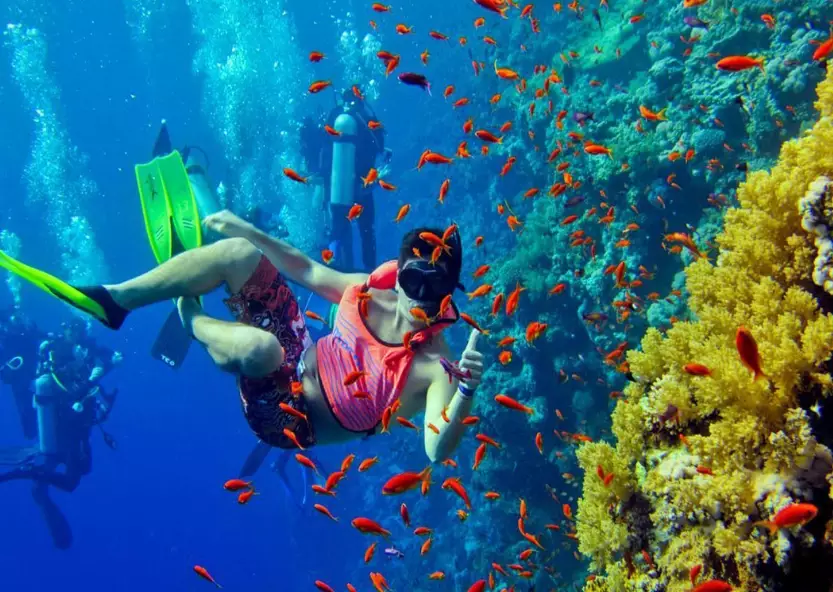
Mediterranean Hotspots
The water is warmest, and marine life is active. Consider the less-trodden path: the islands of Malta and Gozo. The visibility is exceptional, wrecks like the Um El Faroud are stunning, and you get a mix of history and ecology. It's also a great time for the French Riviera for seahorse and nudibranch dives. It won't have the biodiversity of the tropics, but the ease of access from Europe and crystal-clear water make it a compelling September choice.
| Destination | September Highlight | Water Temp | Visibility | Skill Level |
|---|---|---|---|---|
| Komodo, Indonesia | Strong currents bring mantas & sharks | 26-28°C (79-82°F) | 20-30m (65-100ft) | Intermediate+ |
| Bonaire, Caribbean | Reliable shore diving, no hurricanes | 29°C (84°F) | 30m+ (100ft+) | All Levels |
| Red Sea (BDE Route) | Oceanic whitetip sharks | 29°C (84°F) | 25-40m (80-130ft) | Advanced |
| Socorro, Mexico | Giant Mantas & Humpback Whales | 27-29°C (81-84°F) | 20-30m (65-100ft) | Advanced |
| Malta & Gozo | Wrecks & crystal clear water | 24-26°C (75-79°F) | 30-40m (100-130ft) | Beginner+ |
Local Insight: In many Caribbean locations, September is "value season." Don't just look at the weather; call the dive operator directly. Ask about recent conditions and if they offer any "weather guarantees" or flexible rebooking policies. A good operator will be transparent.
September Diving Gear: What’s Different?
You can’t just pack your standard tropical kit. September’s variable conditions demand a second thought.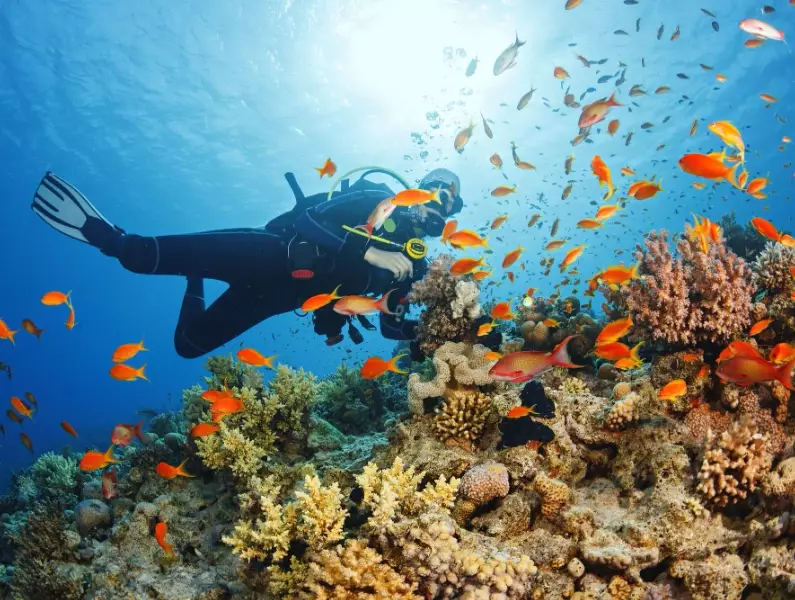
Exposure Protection: This is the big one. In the Red Sea or Caribbean, a 3mm shorty or full suit might be fine. But in Komodo or the Pacific, 5mm is smarter, maybe even a 7mm for longer dives or if you get cold easily. I always pack a hood for any trip in September. A 2mm hood takes up no space and can save a dive if an unexpected thermocline hits or you’re on a liveaboard doing 4 dives a day. Most rental shops only have basic suits—if you run cold, bringing your own hood and vest is a game-changer.
Surface Marker Buoy (SMB): Essential. With boat traffic potentially lower in shoulder season, and currents still possible, being seen is critical. Practice deploying it from depth before your trip.
Dive Computer Settings: If you’re doing a repetitive dive schedule on a liveaboard, ensure your computer is in the correct mode (e.g., conservative if that’s your preference). September trips often pack in a lot of diving to make the most of the conditions.
A subtle mistake I see: divers not servicing their gear before a September trip because “it’s just warm water.” A leaky O-ring or a fin strap that fails is a hassle anytime. The relative quiet of September means dive shops might have less spare inventory on hand.
Planning Your September Dive Trip
Booking a September trip requires a slightly different strategy.
- Timing: Book flights and liveaboards 4-6 months out for the best deals on popular spots like Socorro or Raja Ampat. For the Caribbean, you can often find amazing last-minute deals (2-4 weeks out) as operators try to fill spaces, but your flight might be expensive.
- Insurance: This is non-negotiable. Get a policy that covers dive-related injuries (like DAN’s insurance) and full trip cancellation/interruption. Read the fine print on hurricane coverage—some policies only kick in if there’s a named storm warning for your destination, not just general anxiety.
- Flexibility: Build in a buffer day or two at the start and end of your trip. This protects you from flight delays and gives the weather a chance to clear if there’s a passing storm.
- Communication: Tell the dive operator it’s your first time there. Ask, “What’s one thing a first-timer to your shop in September often overlooks?” Their answer will tell you a lot.
Remember, sustainable diving practices are crucial, especially in these prime seasonal habitats. Be mindful of your buoyancy, don’t touch anything, and choose operators with clear eco-policies. Organizations like Green Fins provide lists of committed operators.
Your September Diving Questions Answered
September holds a special kind of magic for divers. It’s a month of transition, abundance, and opportunity. By matching your goals—whether it’s giant mantas, pristine macro life, or simply a peaceful reef to yourself—with the destinations where September conditions truly excel, you’re setting yourself up for an unforgettable underwater experience. Do your homework on gear and insurance, pack that extra layer, and get ready for some of the best diving the year has to offer.
Your comment