So, you want to know which Caribbean island has the best scuba diving? Let's cut to the chase: there isn't one single answer. Asking that is like asking which ice cream flavor is the best. It depends entirely on what you're craving. The "best" island for a beginner on a budget is wildly different from the best one for a tech diver hunting for massive wrecks.
After logging hundreds of dives across the region, I can tell you the real magic lies in matching the island to your specific dive style and trip goals. This guide won't just give you a bland list. We're going to break down the top contenders, get into the nitty-gritty details you need to plan, and I'll even share a few opinions that might ruffle some feathers in the dive community.
Your Dive Trip Roadmap
The Top Contenders: A Side-by-Side Look
Before we dive deep into each spot, here's a quick snapshot. This table isn't the final word, but it'll help you see the landscape.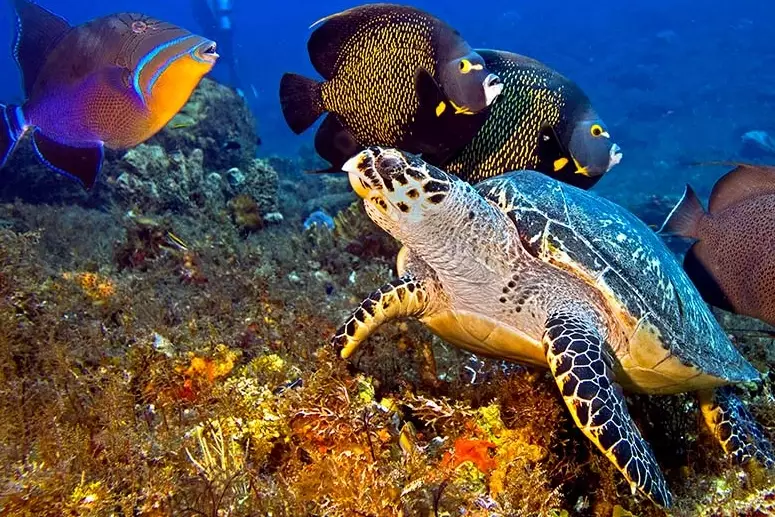
| Island | Best For | Vibe & Cost | Signature Experience |
|---|---|---|---|
| Bonaire | Independence, Macro Life, Unlimited Diving | Rustic, Dive-Focused. Mid-Range. | Grab a tank, drive, and shore dive 24/7. |
| Grand Cayman | Wall Diving, Wrecks, Luxury & Families | Polished, Tourist-Friendly. High-End. | Sheer vertical walls starting at 20 feet. |
| Cozumel | Drift Diving, Coral Gardens, Value | Lively Mexican Vibe. Budget-Friendly. | Effortless drifts over stunning reefs. |
| Roatán, Honduras | Pristine Reefs, Liveaboards, Adventure | Laid-back Bay Islands. Good Value. | Vibrant, healthy coral ecosystems. |
| Turks & Caicos | Big Animal Encounters, Luxury Resorts | Upscale, Secluded. Very High-End. | Diving the world-famous "Wall" at Provo. |
See what I mean? The "best" shifts instantly based on your priorities.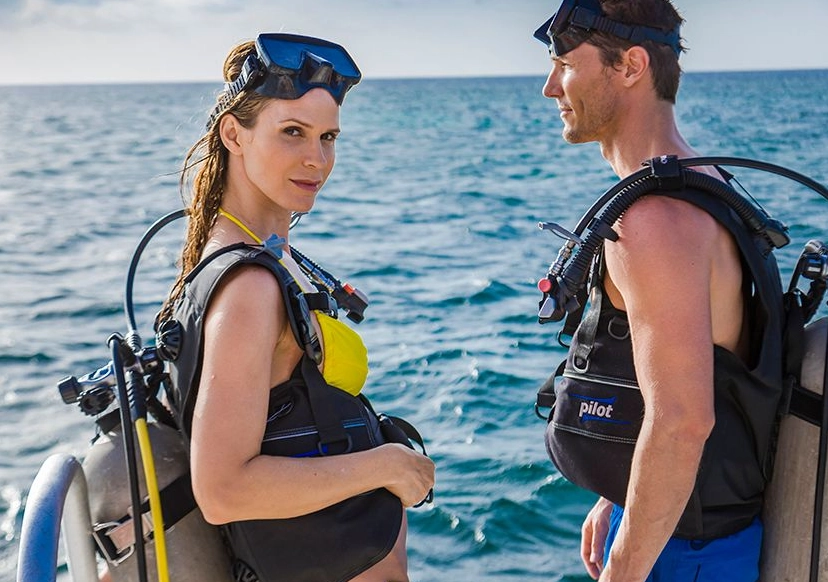
Bonaire: The Shore Diving Capital
If you hate schedules and love freedom, Bonaire is your island. The entire leeward coast is a marine park with over 60 marked shore dive sites. You get a pickup truck, a tank rack, and a map. That's it. You're a dive master.
The Diving: It's all about easy, relaxed profiles. Reefs start just a few fin kicks from the shore. The coral is robust, and the fish life is ridiculous—parrotfish, angelfish, tarpon. The macro life is where Bonaire shines. You'll find seahorses, frogfish, and nudibranchs on almost every dive if you look closely. Don't miss the Salt Pier for incredible pilings covered in life, or 1,000 Steps (there aren't really a thousand, I promise) for a beautiful sloping reef.
The Logistics: Fly into Bonaire International Airport (BON). Most dive resorts are along the southwest coast. A week-long dive package at a place like Buddy Dive Resort or Harbour Village Beach Club typically includes unlimited tanks, a truck, and lodging. You're looking at roughly $2500-$3500 per person for a week, including flights from the US East Coast. Dining is casual; try It Rains Fishes for a nice waterfront meal.
My Take: Bonaire's model is genius for experienced divers. But it's a terrible choice if you need hand-holding. I've seen new divers overwhelmed by the responsibility. Also, the island is dry and rugged. If you need white sand beaches and nightlife, look elsewhere.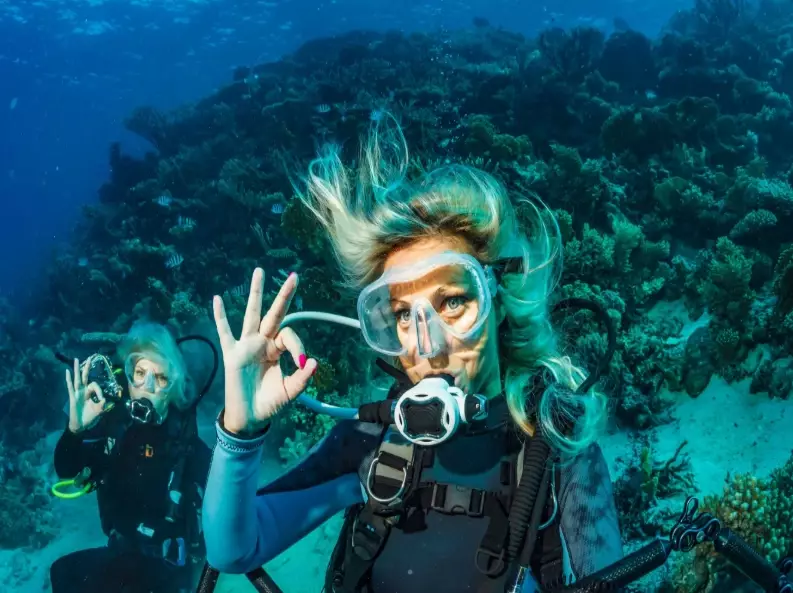
Who Should Go to Bonaire?
Divers with 30+ logged dives who value autonomy. Underwater photographers hunting for small critters. Groups who want to set their own pace. It's less ideal for complete beginners or those seeking a lavish tropical resort experience.
Grand Cayman: The Polished All-Rounder
Grand Cayman is the professionally managed, high-end option. Everything works. The dive ops are slick, the boats are fast, and the sites are meticulously maintained. It's where consistency meets spectacular diving.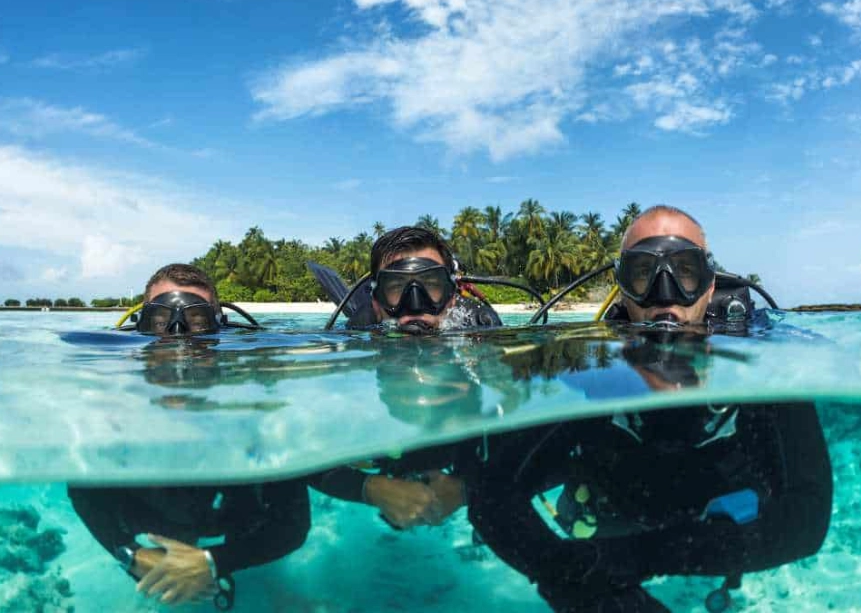
The Diving: The North Wall is legendary. You descend to 60 feet and are greeted by a sheer cliff plunging into the abyss, covered in black coral and sponges. Stingray City is a unique sandbar where you can interact with dozens of southern stingrays. For wrecks, the USS Kittiwake is a perfect, photogenic swim-through. The coral reefs on the west side, like Trinity Caves, are also healthy and teeming.
The Logistics: Fly into Owen Roberts International (GCM). Stay in Seven Mile Beach for convenience and luxury (try the Kimpton Seafire) or the quieter East End. A two-tank boat dive costs around $130-$150. A good mid-range week, with diving and nice lodging, can hit $3500+. Dining is expensive but excellent. Check out Blue by Eric Ripert for a splurge.
My Take: Cayman is fantastic, but it's pricey. The big boat dives can feel a bit conveyor-belt, especially at popular sites. And Stingray City? It's a circus. Amazing, but a circus. Go on a late afternoon trip to avoid the crowds. The island's commitment to marine protection, backed by the Department of Environment, is top-notch and shows in the reef health.
Who Should Go to Grand Cayman?
Divers who want a hassle-free, premium experience. Families where some dive and some don't (great topside amenities). Wall diving enthusiasts. Those willing to pay for top-tier service and conditions.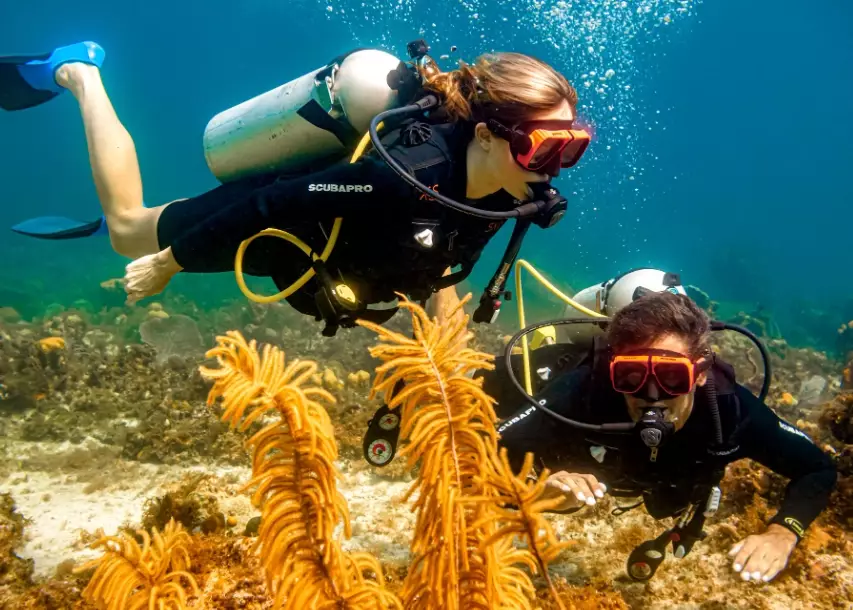
Cozumel: The Drift Diving Mecca
Cozumel is about flow. You jump in, the current gently takes you, and you fly over some of the most colorful coral formations in the Caribbean. It's effortless, exhilarating, and incredibly affordable.
The Diving: The reefs along the southwest coast are part of the Cozumel Reefs National Marine Park. Palancar Reef is a massive coral garden system. Santa Rosa Wall has dramatic swim-throughs. Columbia Reef is a personal favorite for its huge sponges. Because it's drift diving, you cover a lot of ground and see a ton. The marine life is prolific—turtles, eagle rays, big groupers.
The Logistics: Fly into Cozumel International (CZM) or Cancun (CUN) and take a ferry. Staying in town (like at Hotel B Cozumel) gives you walkable access to restaurants and shops. A two-tank boat dive can be as low as $80-$100. You can easily do a full week of diving and nice lodging for under $2000 per person. Eat where the locals eat—try Los Otates for tacos or La Cocay for upscale dining.
My Take: Cozumel offers the best value in the Caribbean. But the current isn't for everyone. New divers can get anxious. A good guide is essential. Also, the island gets busy with cruise ships, but that's mostly downtown. Underwater, you hardly notice. The park fees contribute directly to conservation, which is a model more islands should follow.
Who Should Go to Cozumel?
Budget-conscious divers who want big-bang-for-buck. Those comfortable with mild to moderate currents. Groups looking for a mix of great diving and fun town life. It's perfect for advancing your buoyancy skills.
Beyond the Big Three: Other Standouts
The Caribbean is packed with gems. Here are two more that often top "best of" lists.
Roatán, Honduras: Part of the Mesoamerican Barrier Reef, the second-largest in the world. The reefs off the west end are stunningly healthy. You'll see more hard coral here than almost anywhere else. It's a major hub for liveaboards heading to the remote Bank Islands. Stay in West End or at a dive resort like CoCo View. It's more adventurous and less polished than Cayman, but the diving is raw and beautiful.
Turks & Caicos: Think Grand Cayman but even more exclusive. Providenciales has incredible wall dives, and Grand Turk is famous for its near-vertical drop-off right from the beach. It's a haven for big animal encounters—sharks, dolphins, humpback whales (in season). The price tag matches the exclusivity. Be prepared to spend.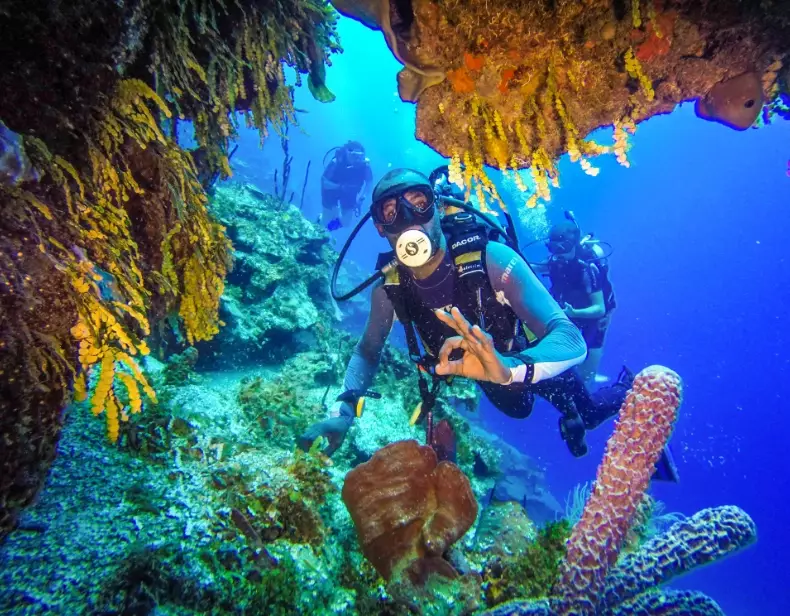
How to Plan Your Caribbean Dive Trip
Picking the island is just step one. Here's how to lock it in.
Budget Realistically: Beyond flights and lodging, factor in: Park fees ($40-$100+ per week), equipment rental ($30-$50/day if needed), tips for guides ($10-$20 per two-tank trip), and meals. All-inclusive dive resorts can simplify this.
Booking Dive Operators: Don't just pick the cheapest. Email them. Ask about group size, boat size, their policy for divers of different levels. A good op will ask for your certification and log count. I've had great experiences with Dive Friends Bonaire (for flexibility), Divetech in Grand Cayman (for tech and recreational), and Deep Blue in Cozumel.
When to Go: "Season" is roughly November to April—dry, sunny, calm seas. But it's also peak price and crowds. May-June and September-October can offer great conditions and deals, but watch for hurricane season (June-November). Summer diving is fine, just warmer water and a higher chance of afternoon showers.
Your Caribbean Diving Questions Answered
As a new diver with less than 20 dives, which Caribbean island is the most beginner-friendly?
Grand Cayman is hard to beat for beginners. The conditions are reliably calm, especially on the west side. The boat crews and guides are exceptionally professional and used to handling new divers. Sites like Eden Rock and Devil's Grotto offer shallow, protected, and fascinating dives. Bonaire's freedom can be intimidating for newbies, and Cozumel's currents require better buoyancy control.
I'm an underwater photographer. Which island gives me the most variety and reliable conditions?
You have two top choices. Bonaire is king for macro and critter photography. The unlimited shore diving means you can spend hours at a single site like the Salt Pier or a small wreck, waiting for the perfect shot without boat schedules. For wide-angle—dramatic walls, big sponges, and scenic drifts—Cozumel is your spot. The clear, current-swept water brings out vibrant colors. Many dive ops in Cozumel also cater specifically to photographers.
Is Caribbean diving good for seeing sharks?
It's not the Pacific, but you can see sharks. Don't expect dense populations. Reef sharks are the most common. Your best bets are specific shark dive experiences, like the one offered at Shark Reef in Grand Cayman, or diving at more remote atolls like the ones accessed from Roatán liveaboards. Tiger Beach in the Bahamas is the regional superstar for shark diving, but that's a dedicated trip.
How do I choose between a dive resort and a liveaboard for the Caribbean?
A dive resort (like on Bonaire or Roatán) is about flexibility and mixing diving with land exploration. A liveaboard (sailing the Bahamas or the Windward Islands) is for the hardcore diver—4-5 dives a day, accessing remote sites unreachable by day boats. If your goal is to maximize bottom time and see pristine, untouched reefs, a liveaboard is worth the investment. If you want to relax, dive at your own pace, and experience island culture, pick a resort.
What's one common mistake people make when planning their first Caribbean dive trip?
Overestimating how much diving they can handle. Booking four boat dives a day for a week sounds great, but it leads to burnout. Fatigue increases your risk of DCS and sucks the fun out of it. Plan for two, maybe three dives a day max. Build in a non-diving day or two to explore, relax, and let your body off-gas. Quality over quantity always wins.
So, which Caribbean island has the best scuba diving? You tell me. Are you the independent explorer, the luxury seeker, or the value-driven adventurer? Match the island to your personality, budget, and skill level. That's how you find your personal best.
Now go get wet.
Your comment