"Can we do scuba diving in December?" If you've typed that into Google, you're likely staring at a calendar, dreaming of bubbles and blue water while snow falls outside. Let's cut to the chase: absolutely, you can. December is one of the best months to dive in many parts of the world. The real question isn't if, but where. Your experience will be a world of difference depending on whether you're heading to the tropics or braving a temperate coastline.
I've been guiding dives for over a decade, from the icy kelp forests of the Pacific to the bath-warm reefs of Southeast Asia. December is a favorite of mine. The crowds thin out, the water clarity often improves, and you get to escape the holiday chaos for the serene chaos of the underwater world.
What's Inside: Your December Dive Blueprint
Why December is a Secret Weapon for Divers
Forget the idea that diving shuts down in winter. In the Northern Hemisphere, December offers conditions that summer divers rarely see. In tropical regions, it's often the start of the peak season.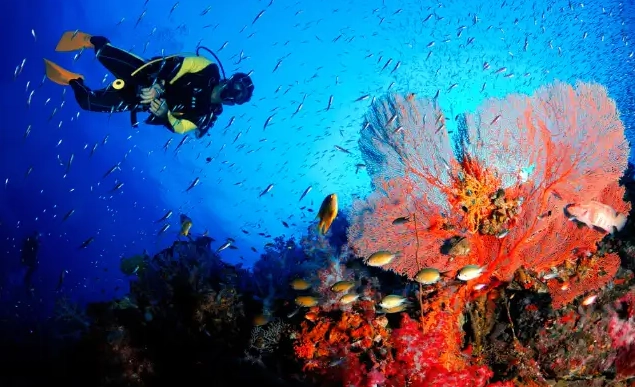 Here's what makes it special:
Visibility tends to skyrocket. In many places, the summer plankton blooms have died down, and the water settles. I've seen 40-meter visibility in the Red Sea in December when it's half that in August. Less runoff from rain in drier tropical climates means clearer water.
Marine life is on the move. This is a huge one. In colder regions, you might see aggregations of larger creatures. In the tropics, it's often mating or spawning season for certain species. You're not just diving; you're witnessing specific animal behaviors.
You'll avoid the masses. Except for the Christmas/New Year's period, early to mid-December is a lull. Resorts have space, dive boats aren't packed, and you might get a site all to yourself. Prices can be better, too, before the holiday premium kicks in.
A quick reality check: Weather is never 100% guaranteed. December falls within the rainy season for some tropical areas (like parts of Indonesia and the Philippines), but that often means short, sharp afternoon storms rather than all-day rain. It also marks the start of the dry, windy season in others (like the Caribbean), which can mean choppier surface conditions but stellar underwater visibility. Always check regional weather patterns.
Where to Go: The December Dive Destination Breakdown
This is the meat of it. Let's break it down by region, water temperature, and what you can expect. I'm throwing in some specific site names and operators I trust because generic advice is useless.
Tropical & Warm Water Paradises (26°C / 79°F and above)
Pack your 3mm shorty or thin full wetsuit. This is holiday diving at its finest.
>Dry season (NE monsoon). Best for channel dives in the atolls for pelagics—mantas, whale sharks, grey reef sharks. Currents can be strong, so experience helps.>Similan Islands National Park is OPEN (it closes May-Oct). This is the only time to dive these world-class sites. Richelieu Rock is a guarantee for whale sharks (well, as close as you get).>End of hurricane season, transitioning to dry conditions. Great barrier reef and atolls (Lighthouse Reef for the Blue Hole). Utila, Honduras remains a budget-friendly hotspot.| Region/Country | What Makes It Great in December | Water Temp & Vis | Top December Highlights |
|---|---|---|---|
| Egyptian Red Sea | Peak season begins. North (Ras Mohammed, Tiran) has calm seas. Liveaboard trips to Brothers, Daedalus, Elphinstone (the "Big 3") are prime for oceanic whitetips and hammerheads. | 24-26°C (75-79°F). Vis: 30m+. | Shark encounters, pristine reefs. Operators: Emperor Divers, Scuba Travel. |
| Maldives | 28-29°C (82-84°F). Vis: 20-30m. | Manta cleaning stations. Liveaboards like Carpe Diem or resorts like Kuredu. | |
| Thailand (Andaman Sea) | 28-29°C (82-84°F). Vis: 15-25m. | Whale sharks, leopard sharks. Liveaboards from Khao Lak (West Coast Diving). | |
| Belize & Honduras (Bay Islands) | 26-27°C (79-81°F). Vis: 20-30m. | Blue Hole, whale shark chance (Utila), healthy corals. Hamanasi Resort in Belize. |
One common mistake? Assuming all of Southeast Asia is perfect. While Thailand's Andaman coast shines, the Gulf of Thailand (Koh Tao, Samui) can see more rain and reduced visibility in December. Choose your coast wisely.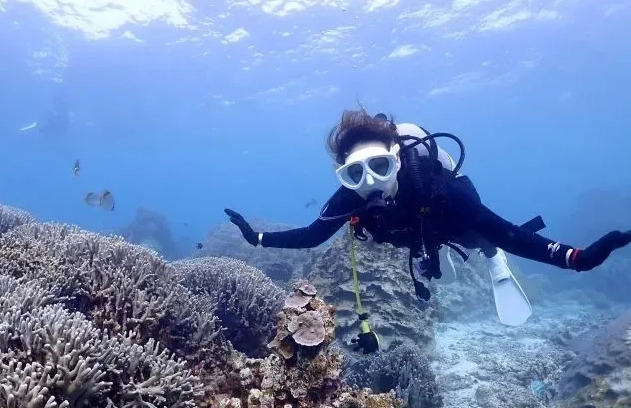
Temperate & Cool Water Adventures (14°C - 24°C / 57°F - 75°F)
Time for a 5mm to 7mm wetsuit, or better yet, a drysuit. This is for divers who love unique biomes and don't mind a chill.
- California, USA (Channel Islands): This is cold water diving at its best. Why go? The giant kelp forests are stunning, and water clarity is often exceptional in winter. You'll see sea lions, harbor seals, and maybe even a migrating gray whale from the boat. Temperatures hover around 14-16°C (57-60°F). A drysuit is highly recommended. Truth Aquatics in Santa Barbara runs great trips.
- South Africa (Cape Town): Yes, it's summer there! Water is still cool (16-18°C / 61-64°F), but it's the best time for pelagic action. Dive with ragged-tooth sharks (they aggregate to mate), see the Cape fur seals, and explore kelp forests. Operators like Animal Ocean Ocean are fantastic. Surface conditions can be rough—seasickness pills are your friend.
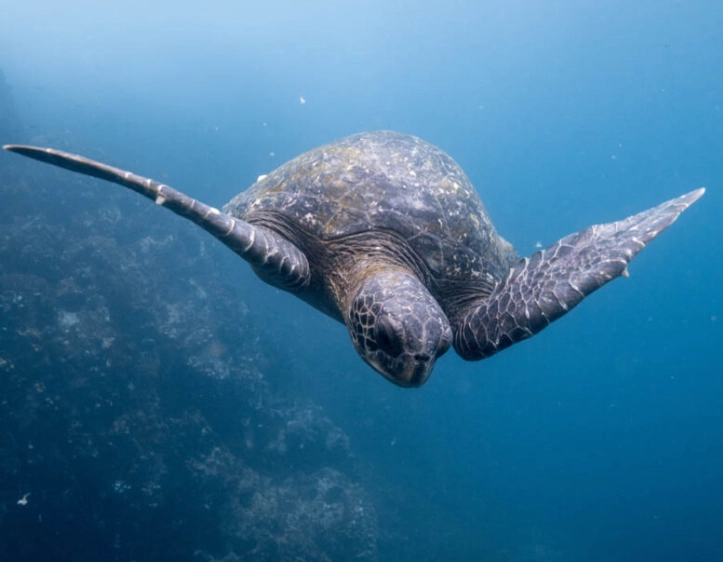
- Mediterranean (Malta, Gozo): Water is cooling down from its summer peak but is still diveable in a 7mm (around 18-20°C / 64-68°F). The big draw? Incredible visibility (40m+ is common) and stunning underwater topography—caves, arches, and wrecks like the WWII wreck HMS Maori. Crowds are gone. I recommend Dive Systems in Gozo.
Gear Essentials for December Diving
This is where I see the most subtle, trip-ruining mistakes. It's not just about thickness; it's about configuration.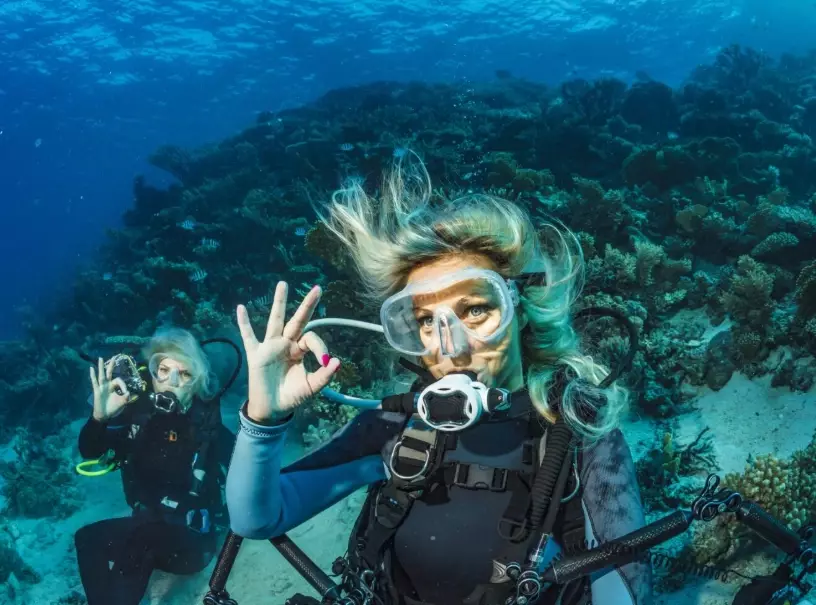
For warm water (26°C+), a 3mm full wetsuit is usually fine. But here's the non-consensus tip: bring a 2mm hooded vest. After three dives a day, that slight core heat loss adds up. The hooded vest traps warmth perfectly and fits under any wetsuit. It's a game-changer for comfort.
For cool/cold water (below 22°C), the debate is wetsuit vs. drysuit.
- 7mm semi-dry wetsuit: If you're doing 1-2 dives a day and are cold-tolerant, this can work. Ensure it has sealed seams at the wrists, ankles, and neck.
- Drysuit: If you're doing multiple dives, a liveaboard, or diving below 18°C (64°F), just rent a drysuit. The learning curve is worth it. You'll be toasty, stay down longer, and enjoy the dive instead of counting the minutes until you can shiver on the surface. Most reputable cold-water shops offer quick intro courses.
Don't forget your surface marker buoy (SMB). Winter often means stronger currents and more boat traffic. Deploying an SMB is a non-negotiable safety skill.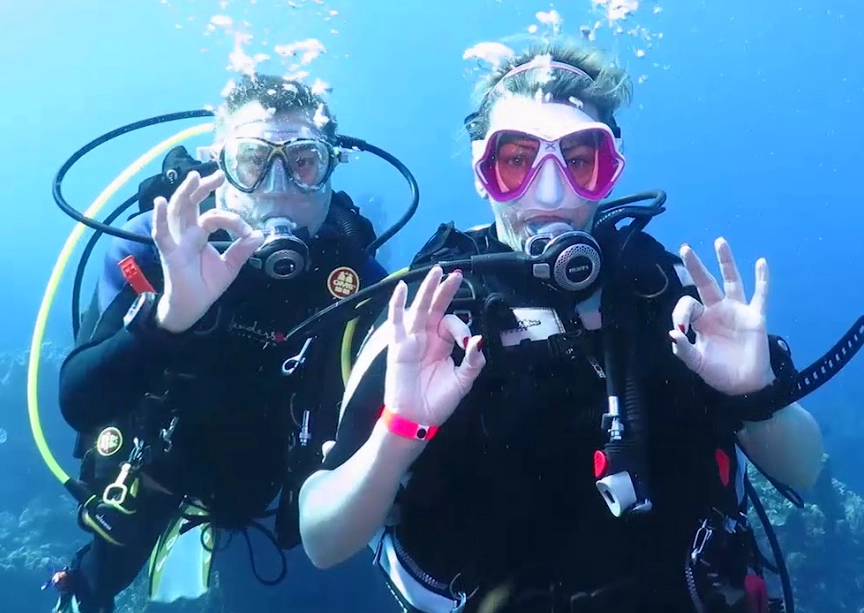
Practical Tips for Planning Your December Trip
Book your flights and the dive operator early, especially if targeting Christmas or New Year's. Good boats and guides fill up.
Check your certification and insurance. Is your Advanced Open Water card handy for those deeper sites? Do you have dive-specific insurance like DAN? Evacuation from a remote island in December is no joke.
Consider a liveaboard. In December, liveaboards get you to remote sites that day-boats can't reach in iffy weather. You're also guaranteed multiple dives to make the most of your trip. The camaraderie on a winter liveaboard is special.
Pack for the surface, too. A warm, windproof jacket, hat, and gloves are essential for boat rides in any temperate region.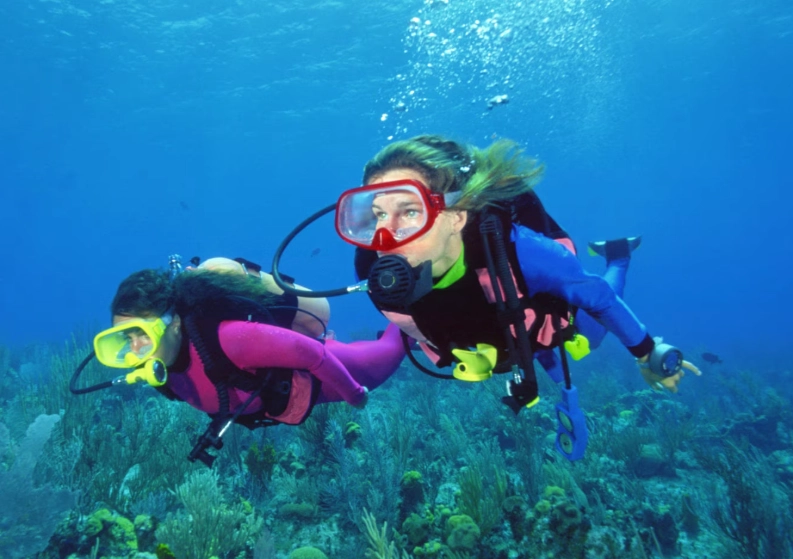
Your comment