If you're looking for crystal-clear water, vibrant reefs, and walls that drop into the abyss, Turks and Caicos should be at the top of your list. I've been diving here for over a decade, and it still blows my mind every time. Let's cut to the chase: this isn't just another Caribbean destination; it's a underwater paradise with some quirks you need to know about.
Jump to What Matters
Top Dive Sites in Turks and Caicos
Everyone talks about the walls, but the real magic often happens in the shallows. Here are the spots you can't miss, based on my own logs and chats with local operators.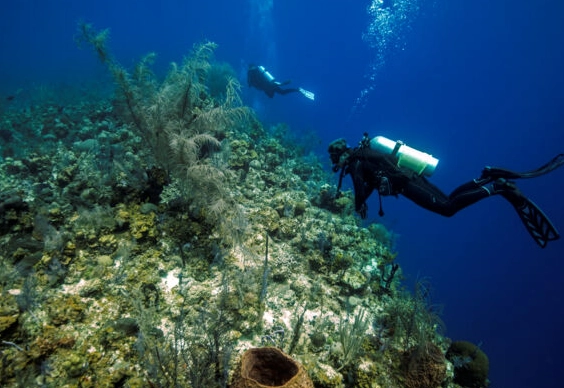
Grace Bay Reef
Located off Providenciales, this reef is perfect for beginners. Depth ranges from 20 to 40 feet, with visibility often exceeding 100 feet. You'll see sea turtles, nurse sharks, and colorful sponges. Access is usually via boat from Grace Bay Beach—no fixed address, but operators like Big Blue Unlimited run trips daily. Cost? Around $80-$120 for a two-tank dive.
I once spent an hour here just watching a hawksbill turtle munch on sponges. Most divers rush past, but slowing down reveals tiny critters like flamingo tongues.
West Caicos Wall
This is the poster child for Turks and Caicos diving. The wall starts at about 40 feet and plunges to over 7,000 feet. Marine life includes eagle rays, reef sharks, and massive gorgonians. It's about a 30-minute boat ride from Providenciales. Operators like Dive Provo offer trips, but book early—spots fill fast. Price: $130-$150 for two tanks.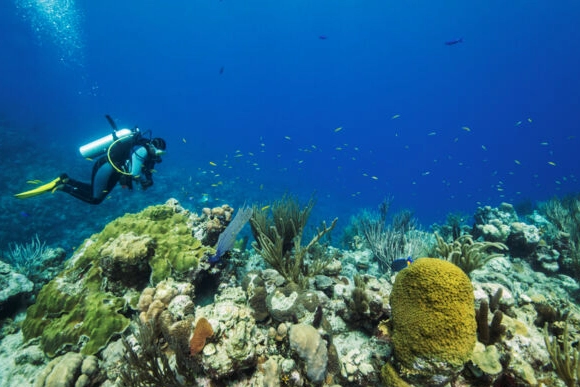
Here's a mistake I see often: divers hover too close to the wall, stirring up sediment. Stay a few feet away to keep visibility pristine.
French Cay
A remote site accessible only by boat, French Cay is for advanced divers. Depths go from 30 to 100 feet, with strong currents at times. You might spot hammerhead sharks and dolphins. Trips run from South Caicos or Providenciales, costing $150-$200. Check with Caicos Adventures for schedules.
Last season, I saw a hammerhead here—a rare sighting that most guides downplay. The key is diving in spring when pelagics pass through.
Quick Comparison of Top Sites: Use this table to pick based on your skill level and interests.
| Site Name | Depth Range | Best For | Approx. Cost |
|---|---|---|---|
| Grace Bay Reef | 20-40 ft | Beginners, macro life | $80-$120 |
| West Caicos Wall | 40-100+ ft | Wall diving, pelagics | $130-$150 |
| French Cay | 30-100 ft | Advanced, sharks | $150-$200 |
How to Plan Your Turks and Caicos Diving Trip
Planning can make or break your trip. I've seen too many divers show up in August only to find choppy seas.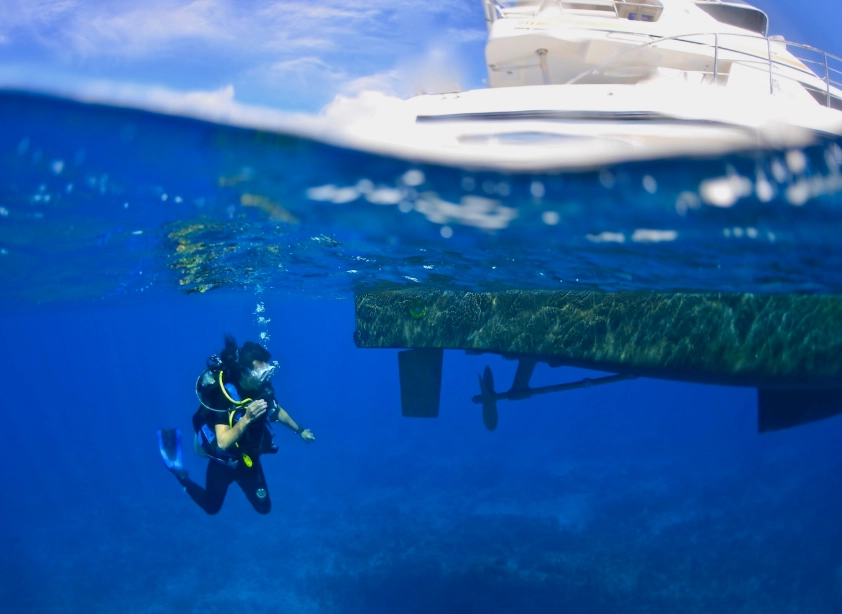
Best Time to Dive
April to July is prime—calm seas, water temps around 80°F, and visibility up to 150 feet. Avoid September to November; hurricane season brings rough conditions. Winter (December-March) is okay, but winds can pick up, affecting boat trips.
My go-to move? Check the National Weather Service forecasts a week before flying.
Getting There and Accommodation
Fly into Providenciales International Airport (PLS). From the US, direct flights from Miami, Atlanta, or Charlotte. Once there, rent a car—taxis add up. Stay in Grace Bay for convenience; hotels like The Palms offer dive packages. Budget around $200-$400 per night.
I stayed at a guesthouse in Blue Hills last time. Half the price, and you get local tips like where to find conch fritters after diving.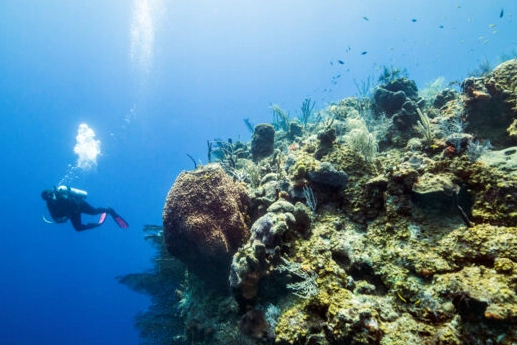
Choosing a Dive Operator
Not all operators are equal. Look for PADI or SSI certification, small group sizes (max 6 divers), and safety records. I recommend Big Blue Unlimited for beginners—their guides are patient. For advanced dives, Dive Provo has faster boats. Always ask about gear rental; some include it, others charge extra.
A common pitfall: booking online without reading recent reviews. Call them directly. You'll hear if they're rushed or attentive.
Essential Tips for Diving in Turks and Caicos
Beyond the basics, here's what most guides won't tell you.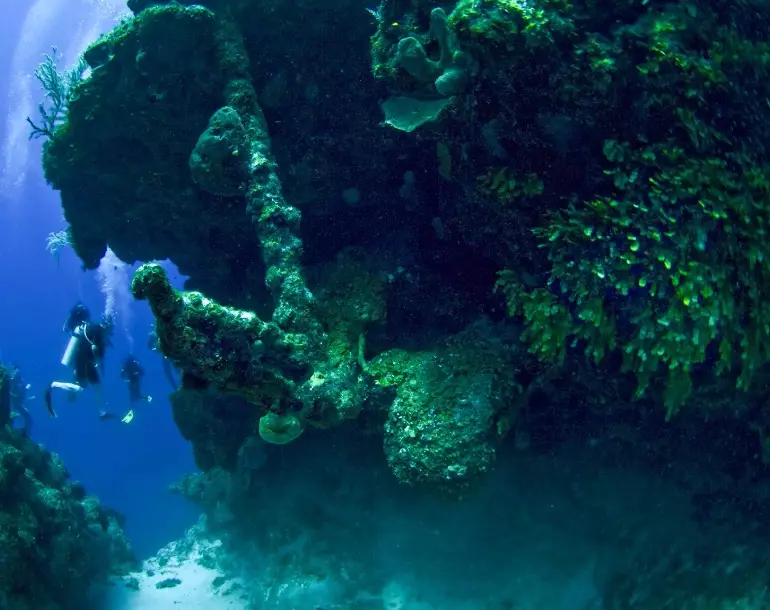
Gear Up Smart: Bring your own mask and snorkel—rental ones can be worn out. Water temps are warm, so a 3mm wetsuit is enough. I always pack a dive computer; operators provide them, but having your own ensures accuracy.
Costs Add Up: Diving isn't cheap here. Budget $100-$200 per dive day, plus tips (10-15% is standard). Park fees apply at some sites, like West Caicos, around $10 per person. Check with your operator.
Safety First: Currents can be sneaky, especially at French Cay. Dive with a buddy and listen to the brief. I've seen divers get separated because they chased a turtle. Not worth it.
Your Burning Questions Answered
Turks and Caicos scuba diving isn't just about checking sites off a list. It's about soaking in the clarity, the colors, and the quiet. Start planning, but leave room for spontaneity—you might stumble upon a hidden cave or a friendly ray. Happy bubbles!
Your comment