Let's cut to the chase. You're thinking about diving in Providenciales, Turks and Caicos, because you've heard the legends. Ninety-foot visibility. Dramatic walls that start in shallow water. Maybe a friendly reef shark or a majestic eagle ray. The good news? The legends are mostly true. The water here is absurdly clear, the reefs are healthy, and the dive operations are professional. But there's a gap between the postcard image and the reality of planning a trip. Where exactly should you dive? Which operator fits your style? Is it worth the cost? I've logged dozens of dives here over the years, from rushed resort trips to dedicated liveaboard weeks. This guide strips away the fluff and gives you the raw, practical details you need to plan an unforgettable dive trip to Provo.
Your Quick Dive Map
Why Providenciales is a Diver's Dream (And Who It's Really For)
Provo sits on the edge of the third-largest barrier reef system in the world. The island's north shore faces the shallow, calm, and stunningly turquoise Grace Bay. But the magic happens on the northwest and west points, where the reef shelf drops into the deep blue of the Turks Island Passage. This creates those famous "walk-in" walls—you can be in 20 feet of water one minute and looking into an abyss the next.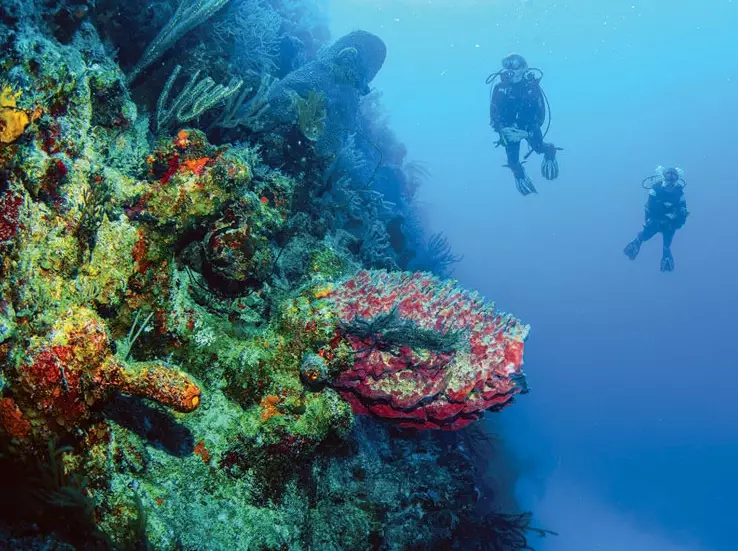
It's perfect for intermediate divers looking to step up to wall diving in a forgiving environment. The currents are generally mild, and the proximity of deep and shallow areas gives you options. For beginners, there are fantastic shallow reef dives, especially on Grace Bay, that are completely stress-free. Advanced divers will love the drift dives along the walls and the chance for bigger pelagics.
A Local's Tip: Many first-timers make the mistake of only booking boat dives. Don't overlook a shore dive at Coral Gardens or Smith's Reef on Grace Bay. It's a fantastic, zero-pressure way to check your gear, get acclimated, and see tons of life. Just be aware, the entry can be rocky—booties are a must. The convenience is unbeatable, and it costs nothing but air fills.
The Must-Dive Sites of Providenciales
Forget generic lists. Here are the sites you'll actually hear operators talking about, broken down by what makes each one special.
The Crack (Northwest Point)
This is Provo's signature dive. It's not a cave but a massive, sand-bottomed chasm that splits the reef. You descend along a wall to about 60 feet, then swim into the opening. Sunlight filters down from above, illuminating huge sponges and schools of fish. The exit leads you back to the wall. It feels adventurous but is suitable for most divers. The key here is to manage your buoyancy in the entrance—new divers sometimes kick up silt because they're looking up at the spectacle instead of watching their fins.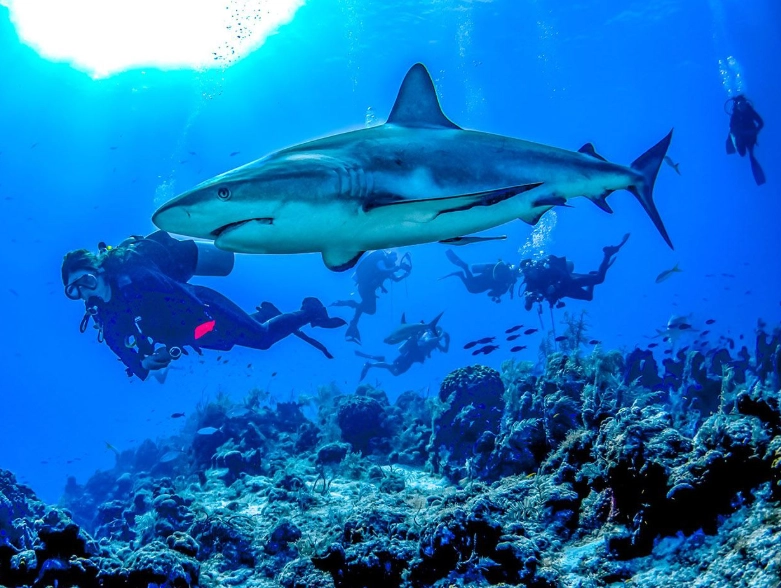
Grace Bay Reef (Various Sites: Coral Gardens, Smith's Reef, Bight Reef)
This is your backyard playground. Ranging from 10 to 40 feet deep, these reefs are packed with life: parrotfish, angelfish, stingrays, and the occasional turtle. It's ideal for beginners, snorkelers, and underwater photographers who want calm conditions and great light. You can literally walk in from the beach. The downside? It can get crowded with snorkel tours. Go early in the morning for the best experience.
Northwest Point Wall
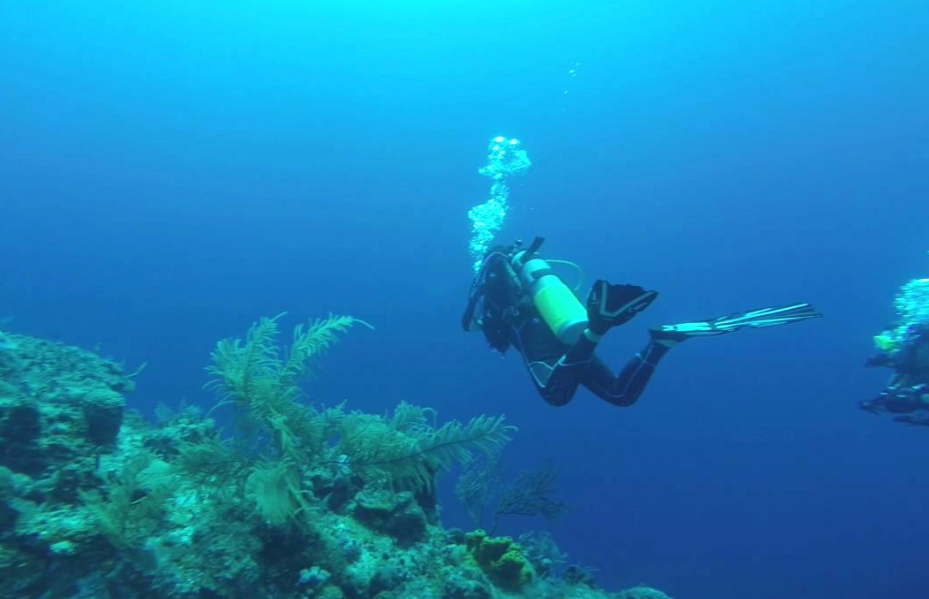
This is the main event for wall lovers. The dive typically starts in a coral garden at about 40 feet before you drift along the precipice. The wall is sheer and covered in black coral, wire coral, and colorful sponges. Look out into the blue for passing sharks (mainly reef and nurse sharks), eagle rays, and sometimes dolphins. Currents can pick up, making this a solid intermediate-to-advanced dive. Operators know the best routes to maximize the drift.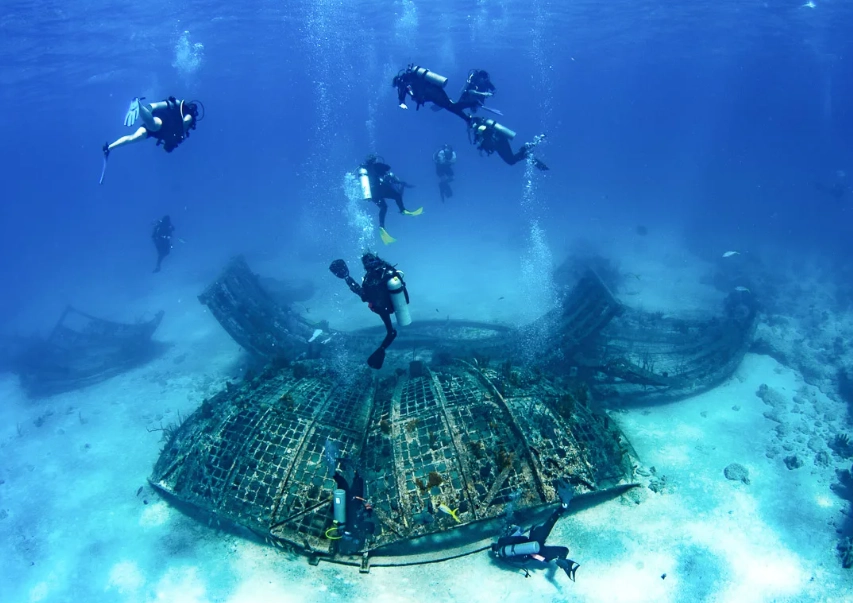
Black Forest (West of Northwest Point)
Named for the dense stands of black coral that grow at depths starting around 70 feet, this site is for advanced divers comfortable with deeper profiles. The topography is stunning—swim-throughs, overhangs, and canyons. You're more likely to see larger pelagics here. It's not always on the schedule due to conditions, so if the boat is going, consider it a lucky day.
How to Choose Your Dive Operator on Provo
This is where your trip is made or broken. Provo's operators range from large, resort-affiliated boats to smaller, boutique outfits. Your choice depends on your priorities: convenience, group size, or a specific dive style.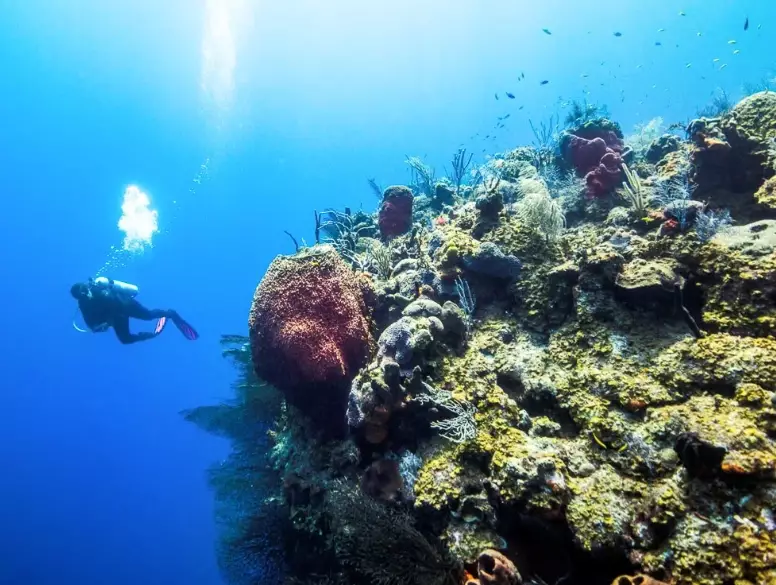
| Operator Style | Best For | What to Expect | Considerations |
|---|---|---|---|
| Large, Resort-Based (e.g., Dive Provo, Flamingo Divers) | First-timers, convenience, social atmosphere. | Big, stable boats. Pick-up from Grace Bay hotels. Structured schedules. Often 2-tank morning trips with large groups (15+ divers). | Can feel impersonal. Less flexibility on sites. May cater to a wide skill range, so briefings can be generic. |
| Mid-Size, Independent (e.g., Big Blue Unlimited, Aqua TCI) | Experienced divers, photographers, small groups. | Smaller boats (6-12 divers). More flexibility to choose sites based on conditions/group. Often better guide-to-diver ratios. | May require your own transport to the marina. Books up faster. Slightly higher cost, often justified. |
| Specialty / Tech Operators | Advanced, tech, or nitrox divers. | Focus on deeper walls, wrecks, and drift dives. Equipment and guides suited for more demanding dives. | Not for beginners. Requires proof of certification and experience. |
My personal take? If you're a confident diver and want a more tailored experience, go with a mid-size independent operator. The quality of guiding is usually higher, and you'll spend less time waiting for 20 people to get back on the boat. I've had guides on these smaller boats point out tiny seahorses and explain local reef ecology in a way the big boat crews simply don't have time for.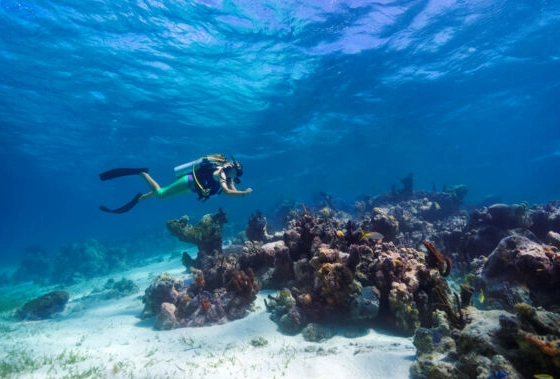
Realistic Cost Breakdown & How to Plan Your Dive Trip
Let's talk numbers. Turks and Caicos is not a budget destination. Diving reflects that, but it's not outrageous if you plan.
- Two-Tank Boat Dive: Expect to pay between $130 and $160 USD per person. This usually includes tanks, weights, and a guide. Some include snacks/drinks.
- Equipment Rental: Full gear rental (BCD, regulator, wetsuit, computer) runs about $50-$65 per day. Most divers bring their own mask, snorkel, fins, and computer.
- Shore Diving: An air fill costs around $10-$12. Tanks can often be rented from shops near Grace Bay.
- Certification Courses: A PADI Open Water referral or full course ranges from $450 to $600.
Sample 5-Day Dive Trip Itinerary:
Day 1: Arrive (PLS airport). Check into accommodation. Do a late afternoon shore dive at Coral Gardens to test gear and shake off travel fatigue.
Day 2: Morning 2-tank boat trip to Northwest Point (The Crack & the Wall). Afternoon relax on Grace Bay beach.
Day 3: Morning 2-tank trip focusing on western sites like Black Forest (if conditions allow) or another wall dive. Consider a sunset sail or dinner in the marina.
Day 4: Mix it up. Do a single-tank morning boat dive, then spend the rest of the day snorkeling from shore or on a non-diving activity like kayaking in the mangroves (Big Blue Unlimited offers great eco-tours).
Day 5: Final morning shore dive or a single-tank boat dive before your flight.
Where to Stay: For dive convenience, stay anywhere on Grace Bay. You'll be close to most operators' pick-up points or the marinas. Renting a villa or condo can be cost-effective for groups. If you're on a tighter budget, look at accommodations near the "Bight" area, still on Grace Bay but sometimes more affordable than the central resorts.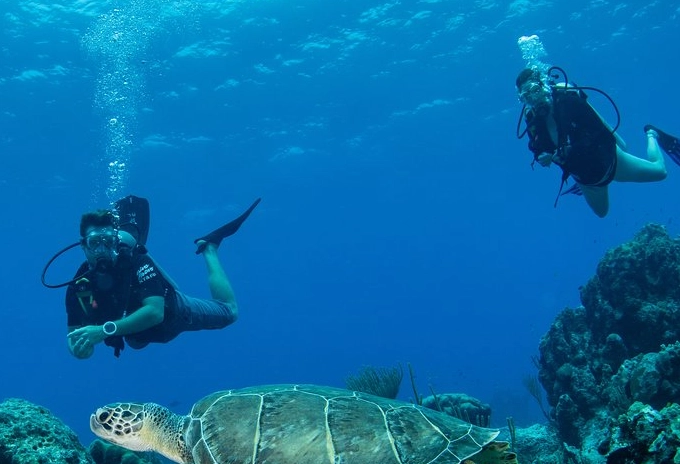
Diving Providenciales: Your Questions Answered
Diving Providenciales delivers on its promise of clear, beautiful, and accessible underwater scenery. It's a place where you can have an easy, relaxing dive vacation or seek out more thrilling wall adventures. By knowing the sites, choosing the right operator for your style, and planning a balanced itinerary, you'll experience the best of what Provo has to offer. Now go get wet.
Your comment