If you're thinking about conch diving in Turks and Caicos, you're in for a treat. The crystal-clear waters here are perfect for harvesting fresh conch, but it's not just about grabbing shells—it's an adventure that mixes skill, local culture, and stunning marine life. I've been diving these islands for years, and let me tell you, there's a right way and a wrong way to do it. Skip the tourist traps, and follow this guide to get the real experience.
Jump to What Matters
- What Makes Conch Diving in Turks and Caicos Special?
- Top 3 Conch Diving Spots in Turks and Caicos
- Essential Gear for Conch Diving
- How to Dive for Conch: A Step-by-Step Guide
- Understanding Local Regulations and Sustainability
- Planning Your Conch Diving Trip: Costs and Logistics
- My Personal Conch Diving Experience in Turks and Caicos
- Frequently Asked Questions (FAQ)
What Makes Conch Diving in Turks and Caicos Special?
Turks and Caicos isn't just another Caribbean destination for diving. The conch here—queen conch, specifically—is abundant, but the real draw is the clarity of the water. Visibility often exceeds 100 feet, making it easy to spot conch on the sandy bottoms. Unlike other places, the local communities have a deep connection to conch diving; it's part of their heritage. You'll see conch shells everywhere, from roadside stalls to high-end restaurants. But here's something most guides don't mention: the conch population has faced pressure from overharvesting. That's why sustainable practices are crucial, and I'll get into that later.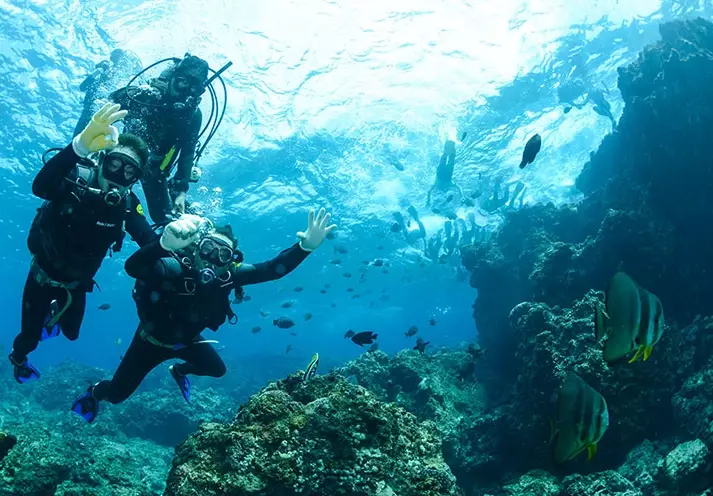
I remember my first dive off Providenciales. The water was so clear I could see conch from the surface, but I made the mistake of going too deep too fast. Lesson learned: pace yourself. The islands offer a mix of shallow reefs and deeper walls, so there's something for every skill level.
Top 3 Conch Diving Spots in Turks and Caicos
Not all spots are created equal. Based on my trips and local chatter, here are the top three places for conch diving. Each has its own vibe, so pick based on your style.
Grace Bay, Providenciales
Grace Bay is famous for its long beach, but the conch diving here is underrated. The water is calm, with depths ranging from 10 to 30 feet. It's perfect for beginners. You can access it from shore, but I recommend a boat trip to avoid the crowded areas. Look for sandy patches near the reef edges—conch love to hide there. Parking is available along the beach, and there's no entry fee, but boat rentals start at around $150 for a half-day. Go early, before 9 AM, to beat the snorkeling crowds.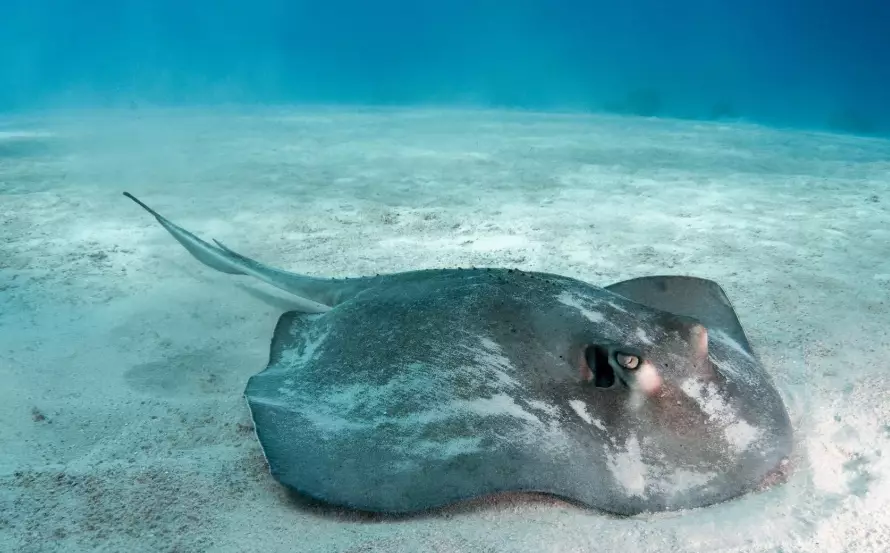
North Caicos Reefs
North Caicos is less touristy, and the reefs are teeming with conch. The dive sites here, like Bottle Creek, offer depths of 15-40 feet. The conch tend to be larger, but the currents can be tricky. I once got caught in a mild current and ended up drifting—thankfully, my buddy was there. You'll need a boat from Kew Town, which costs about $200 for a full day. The ride takes 20 minutes, and operators like Big Blue Unlimited are reliable. Don't forget to check the weather; afternoon winds can make diving rough.
South Caicos Wall
For advanced divers, South Caicos Wall is a gem. The wall drops to over 100 feet, but conch can be found on the sandy ledges at 30-50 feet. It's remote, so you'll likely have the place to yourself. I saw a nurse shark here once, which was thrilling but harmless. Access is via charter from Cockburn Harbour, costing $300+ for a day trip. The water is cooler, so a 3mm wetsuit is a good idea. This spot is for those who want adventure, not just conch.
Pro Tip: Always dive with a local guide if you're new to the area. They know the hidden spots and can help with regulations. I learned this the hard way when I accidentally harvested an undersized conch—fines can be steep.
Essential Gear for Conch Diving
You don't need fancy equipment, but having the right gear makes a huge difference. Here's a breakdown based on my experience. I've seen beginners show up with just a mask and snorkel, but that's a recipe for frustration.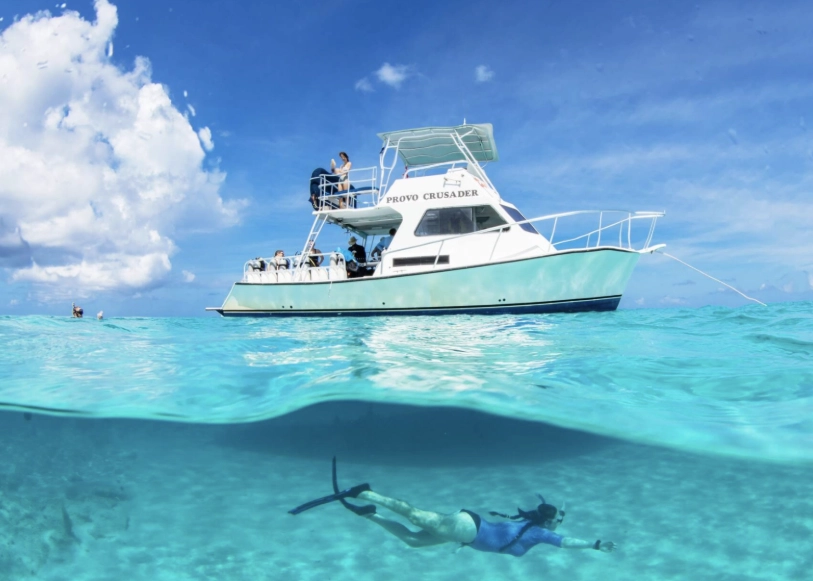
| Gear Item | Why You Need It | Estimated Cost (Rent/Buy) |
|---|---|---|
| Mask and Snorkel | Clear vision and breathing on the surface. A low-volume mask helps with equalization. | Rent: $10/day, Buy: $50-$100 |
| Fins | Efficient movement; longer fins are better for diving deeper. | Rent: $15/day, Buy: $80-$150 |
| Wetsuit (3mm) | Protection from cooler water and reef abrasions. Turks and Caicos water is warm, but after an hour, you'll feel the chill. | Rent: $20/day, Buy: $100-$200 |
| Dive Knife or Tool | To safely extract conch from their shells. A blunt tip avoids damaging the meat. | Buy: $30-$60 |
| Mesh Bag | For carrying conch; avoid plastic bags that can tear. | Buy: $15-$30 |
| Weight Belt | If you're free diving deep, weights help with buoyancy. Start light—I use 4-6 pounds. | Rent: $10/day, Buy: $40-$80 |
Rental shops are plentiful in Providenciales, like Dive Provo, but book ahead in peak season (December to April). I made the mistake of renting old fins once; they rubbed blisters on my heels. Inspect gear before you go.
How to Dive for Conch: A Step-by-Step Guide
Conch diving isn't just about swimming down and grabbing. There's a technique to it. Here's how I do it, broken down into simple steps.
Step 1: Spot the Conch Look for spiral shells partially buried in sand or seagrass. Conch often have algae growth, so they blend in. From the surface, scan for oval shapes. I find that polarized sunglasses help reduce glare.
Step 2: Dive Down Smoothly Take a deep breath, bend at the waist, and kick down. Don't rush—equalize your ears as you go. I've seen people dive too fast and pop their eardrums; it's painful and ruins the trip.
Step 3: Extract the Conch Once you reach the conch, use your dive knife to cut the muscle attachment. Don't just yank it; that can damage the shell and meat. Twist gently while pulling. If it's stuck, work the knife around the edge.
Step 4: Surface Safely Hold the conch close to your body to reduce drag. Exhale slowly as you ascend to avoid lung overexpansion. I always keep an eye on my buddy; it's easy to get distracted.
Step 5: Measure and Store Check the conch size immediately. In Turks and Caicos, the legal minimum shell length is 7.5 inches (19 cm). Use a measuring tape—I carry a waterproof one. Place conch in your mesh bag; don't overload it.
Practice in shallow water first. My first time, I wasted energy diving too deep for small conch. Start at 10-15 feet to build confidence.
Understanding Local Regulations and Sustainability
This is where many divers mess up. Turks and Caicos has strict rules to protect conch populations, and ignoring them can lead to fines or worse. The Department of Environment and Coastal Resources (DECR) oversees this. According to their guidelines, you need a fishing license for conch diving, which costs about $25 for tourists. You can get it online or at local offices.
Key regulations:
- Size Limit: Minimum shell length of 7.5 inches. I've seen undersized conch; if in doubt, leave it.
- Bag Limit: Typically 6 conch per person per day. It's easy to get carried away, but stick to it.
- Season: Conch diving is allowed year-round, but avoid spawning seasons (spring and summer) if possible. Local guides advise against harvesting during peak times.
- No SCUBA for Harvesting: Using SCUBA gear to collect conch is illegal in many areas. Free diving or snorkeling is the way to go. I once saw a group using tanks, and they were quickly reported.
Sustainability matters. Overharvesting has led to declines in some areas. Support local initiatives like the Turks and Caicos Reef Fund, which promotes marine conservation. When I dive, I only take what I'll eat, and I avoid areas with visible damage.
Planning Your Conch Diving Trip: Costs and Logistics
Let's talk numbers and logistics. A conch diving trip in Turks and Caicos isn't cheap, but it's worth it if you plan smart. Here's a rough breakdown based on a 5-day trip for one person.
- Flights: From Miami to Providenciales (PLS), round-trip starts at $400. Book 2-3 months ahead for deals.
- Accommodation: Budget options like guesthouses cost $100/night; resorts can be $300+. I stayed at a mid-range hotel in Grace Bay for $150/night—clean and close to dive spots.
- Transport: Rent a car for flexibility; rates are $50/day. Taxis are expensive, around $30 for short rides.
- Dive Tours: Guided conch diving tours range from $120 to $250 per person, including gear. I recommend Caicos Dream Tours for beginners; they're patient and knowledgeable.
- Food: Eating out costs $20-$50 per meal. Try local conch salad at Bugaloo's Conch Crawl—it's fresh and around $15.
- Total Estimate: Around $1,500-$2,000 for a week, excluding souvenirs.
Best time to go: April to June or September to November. Avoid hurricane season (August to October), though I went in September once and got lucky with calm weather. Check forecasts religiously.
Pack light: swimwear, sunscreen, and a hat. I forgot sunscreen on my first day and got a nasty burn—lesson learned.
My Personal Conch Diving Experience in Turks and Caicos
Let me share a story from last year. I was diving off North Caicos with a local friend, Marcus. We found a patch of conch in about 20 feet of water. The visibility was insane—I could see every detail on the shells. But as I reached for one, a barracuda swam by, staring me down. It was unnerving, but Marcus laughed and said they're just curious. We harvested six conch, all legal size, and later made conch fritters on the beach.
What stuck with me was the community aspect. Locals taught me how to clean conch properly—it's a skill. They use every part: meat for food, shells for crafts. I also noticed some dive operators cutting corners, like not checking sizes. That's why I always double-check regulations myself.
One negative: some spots near cruise ship ports get overcrowded. I avoid them now; the conch are smaller, and the experience feels rushed.
Your comment