Picking your first scuba diving destination in the Philippines can feel overwhelming. The country has over 7,000 islands, and everyone's shouting about Tubbataha or Coron's wrecks—sites that are fantastic, but absolutely not for someone on their first dozen dives. The wrong choice can turn excitement into a stressful, murky experience. After over a decade of guiding new divers here, I've seen the spots that consistently deliver calm, clear, and confidence-building introductions to the underwater world. Forget the advanced stuff for now. This list is your shortcut to the five places where you'll actually enjoy learning, see incredible things, and finish your dive with a huge grin, not a sigh of relief.
Your Quick Guide to This Article
- What Makes a Dive Site "Beginner-Friendly"?
- Top 1: Moalboal, Cebu – The Sardine Run Show
- Top 2: Puerto Galera, Mindoro – The Macro Paradise
- Top 3: Alona Beach, Bohol – The All-Rounder
- Top 4: Dauin, Dumaguete – Muck Diving Made Easy
- Top 5: Coron, Calamianes – Shallow Wrecks & Lakes
- Your Beginner Diving Questions Answered
What Makes a Dive Site "Beginner-Friendly"?
It's not just about being shallow. A great beginner site checks several boxes that most blog lists don't talk about. New divers are managing buoyancy, breathing, and a flood of new sensations. The environment should help, not fight them.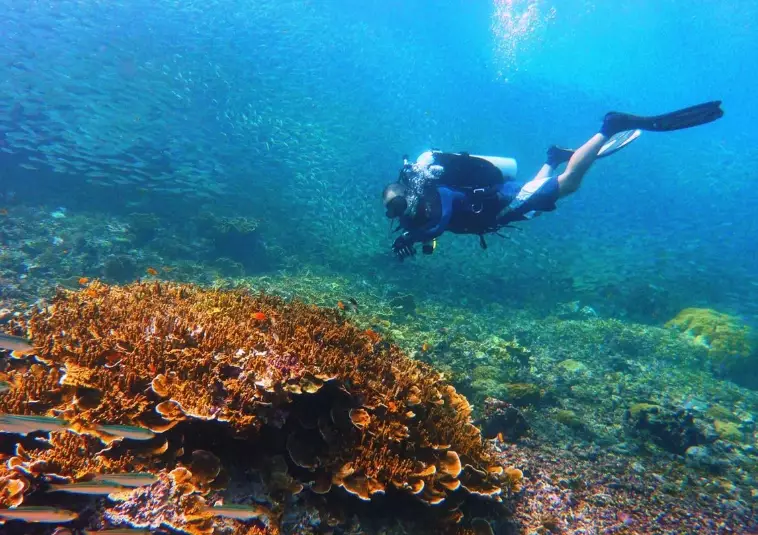
The key factors I look for: Minimal or predictable current (so you're not fighting to stay in place). Generally good visibility (above 10 meters/30 feet), because getting disoriented in murky water is scary. Easy beach or gentle boat entry. A nearby, reputable dive center with patient instructors. And crucially, something interesting to see at a safe depth—a reef at 5-12 meters is perfect.
Depth obsession is a common beginner mistake. A 18-meter dive on a barren slope is harder and less rewarding than a vibrant 8-meter coral garden. The spots below prioritize engagement over depth.
Top 1: Moalboal, Cebu – The Sardine Run Show
Moalboal is my top recommendation for a reason. Panagsama Beach is a long stretch of dive shops, cafes, and resorts built for divers. The main attraction, the Sardine Run, is literally a 2-minute swim from the shore. You can snorkel it, but diving lets you be inside the shimmering, silver tornado of millions of sardines.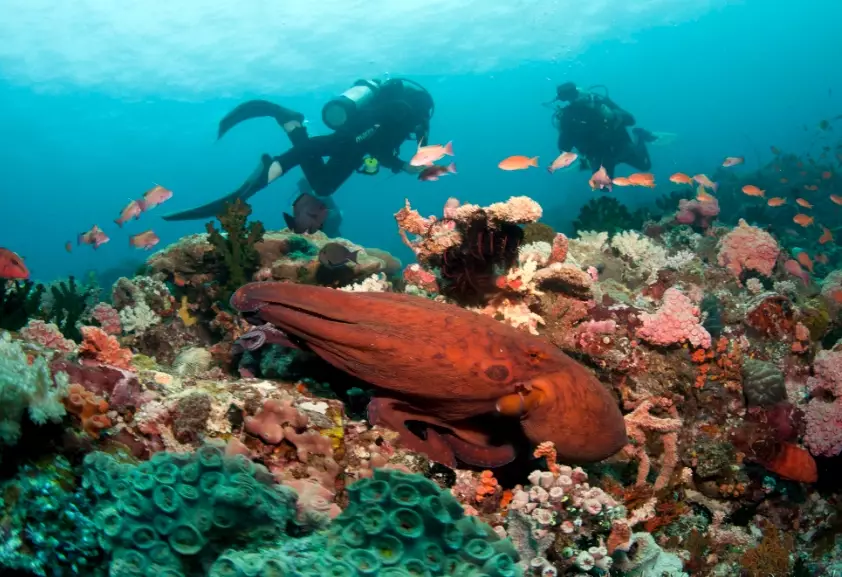
Why it's perfect for beginners: You can do your first open water dives right here. The sardine ball is often in 5-10 meters of water. No current to speak of. If you get anxious, you can simply stand up on the sandy bottom. It's the ultimate low-stress, high-reward dive.
Getting there & around: Fly into Mactan-Cebu International Airport. It's a 3-4 hour drive south to Moalboal. You can book a private van (around 3000-4000 PHP) or take a bus from the Cebu South Bus Terminal for a few hundred pesos. Everything in Moalboal is walkable along the beach road.
What else you'll see: Sea turtles are common at nearby sites like Pescador Island (a bit more advanced due to possible currents, but doable on a good day). The house reef is also dotted with frogfish, nudibranchs, and octopus.
A local tip: Avoid weekends if you can. The beach can get crowded. Weekdays offer a more relaxed vibe. Dive in the morning for the calmest conditions and best light on the sardines.
Top 2: Puerto Galera, Mindoro – The Macro Paradise
Puerto Galera, on the northern tip of Mindoro, is a legend in the Asian diving circuit. Sabang Beach is the bustling, sometimes chaotic, epicenter. Don't let the party reputation fool you—the diving logistics here are incredibly streamlined for learners.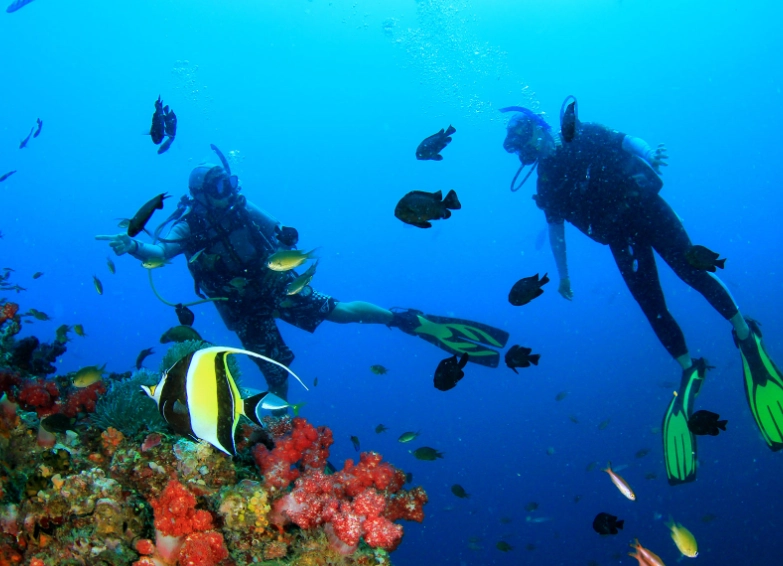
The dive sites in the protected bays, like Sabang Point or Small La Laguna, are like swimming in a giant, calm aquarium. The reefs are packed with life. You'll spend your dive pointing at tiny, colorful creatures you never knew existed.
Beginner advantage: The density of marine life at shallow depths (5-15m) means you're constantly distracted by cool stuff, which takes your mind off any nerves. The dive shops here have been training beginners for decades; their systems are polished.
Getting there: Fly to Manila. Take a 2-hour bus or private car to Batangas Pier. From there, it's a 1-hour fast craft ferry to Puerto Galera. Book your ferry ticket online in advance during peak season.
The caveat: Sabang Beach is not a quiet tropical paradise. It's a busy, noisy town. If you want peace, stay at Small La Laguna beach (a 10-minute walk) or White Beach. But for sheer diving convenience and value, Sabang is unbeatable.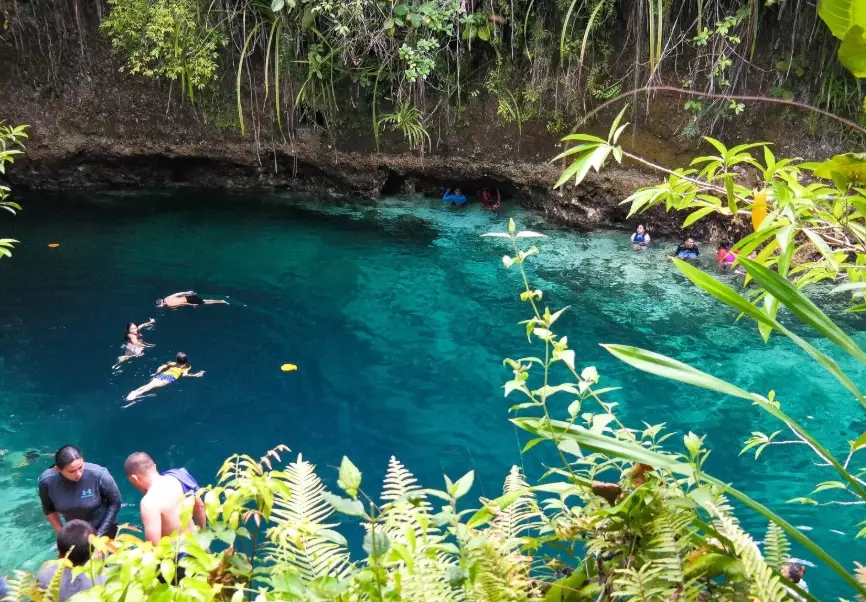
Top 3: Alona Beach, Bohol – The All-Rounder
Alona Beach on Panglao Island is another well-oiled diving hub. The 1.5km stretch of white sand is lined with resorts, restaurants, and dive centers. The vibe is more upscale and family-friendly than Sabang.
The star dive site for newbies is Balicasag Island, a marine sanctuary a 30-minute boat ride away. Here, in often crystal-clear water, you'll find a dramatic drop-off swarming with jackfish and barracuda. The secret for beginners? Stay on the top of the wall at 5-12 meters. You get the spectacle without the depth.
Logistics made easy: Fly directly to Bohol-Panglao International Airport. You're a 20-minute drive from Alona. Dive boats leave on schedule from the beach. It's all very organized.
Beyond diving: This is a huge plus. On your non-diving days, you can easily visit the iconic Chocolate Hills or see the tiny Tarsier primates. It makes the trip more worthwhile for travel companions who don't dive.
My one gripe? Alona has become expensive. A dive package here will cost more than in Moalboal or Puerto Galera. You're paying for the nicer infrastructure.
Top 4: Dauin, Dumaguete – Muck Diving Made Easy
This is the wildcard entry. Dauin, south of Dumaguete City, is famous for "muck diving"—searching for weird critters on black sand slopes. It sounds niche, but it's a game-changer for beginners. Why? Because there's zero current, the depth is a constant 8-12 meters, and you move slowly, focusing on a small patch of sand. It's buoyancy control practice in its purest, most fascinating form.
You'll be hunting for blue-ringed octopus, flamboyant cuttlefish, ghost pipefish, and a dozen species of frogfish. It feels like a treasure hunt.
Perfect for the curious beginner: If you're less about big schools of fish and more into the tiny, bizarre details of ocean life, Dauin is your spot. The conditions are consistently calm. Resorts like Atmosphere or Liquid Dumaguete are right on the beach, with house reefs you can dive anytime.
The combo ticket: Most divers pair Dauin muck dives with a day trip to Apo Island, a world-class marine sanctuary about an hour away by boat. Apo has mild currents, so it's best saved for after you have 4-5 dives under your belt. Doing both gives you an incredible variety.
Getting there: Fly to Sibulan Airport (Dumaguete). Dauin is a 20-30 minute taxi ride south. The area is spread out, so having a resort that offers transport is helpful.
Top 5: Coron, Calamianes – Shallow Wrecks & Lakes
Coron is synonymous with epic WWII Japanese shipwrecks. Most require advanced wreck penetration training. So why is it on a beginner list? Because of its unique, shallow-water options that no other location offers.
The Barracuda Lake dive is a surreal experience. You dive in a thermocline, where fresh and saltwater mix, causing a hazy, rippling effect. The water temperature goes from warm to hot (up to 38°C/100°F) as you descend near a volcanic fissure. It's a shallow, 15-meter max dive that feels otherworldly.
Then there's the Skeleton Wreck, a small cargo plane sitting in just 5-7 meters of crystal-clear water. You can swim around the entire structure without any overhead environment. It's a true, safe wreck dive for absolute beginners.
Important note: Coron itself is not a great place to do your initial Open Water certification dives. The sites are spread out by long boat rides (45 mins to 1.5 hours). Do your course work in one of the first four spots, then come to Coron as a newly certified diver to experience these unique shallow sites. The town is also more rustic and remote, with less nightlife than the other hubs.
Travel: Fly directly to Francisco B. Reyes Airport (Busuanga). Coron town is a 30-minute van ride away. Boat tours to the sites are organized through local operators.
Your comment