You ask where the best diving in the Philippines is, and I get it. The country has over 7,000 islands. It's overwhelming. The short answer? There isn't one single "best" spot. It depends on what you're after. Are you here for sharks, macro life, epic wrecks, or pristine walls? I've been diving these islands for over a decade, and the magic is in matching the destination to your personal dive wishlist. Most blogs just list famous names. Let's cut through the noise and find your perfect Philippine dive spot.
Dive Straight In: Your Quick Guide
The Top 5 Philippines Dive Destinations (And Who They're Really For)
Forget generic rankings. This table breaks down the top contenders based on what they actually deliver. It's the cheat sheet I wish I had on my first trip.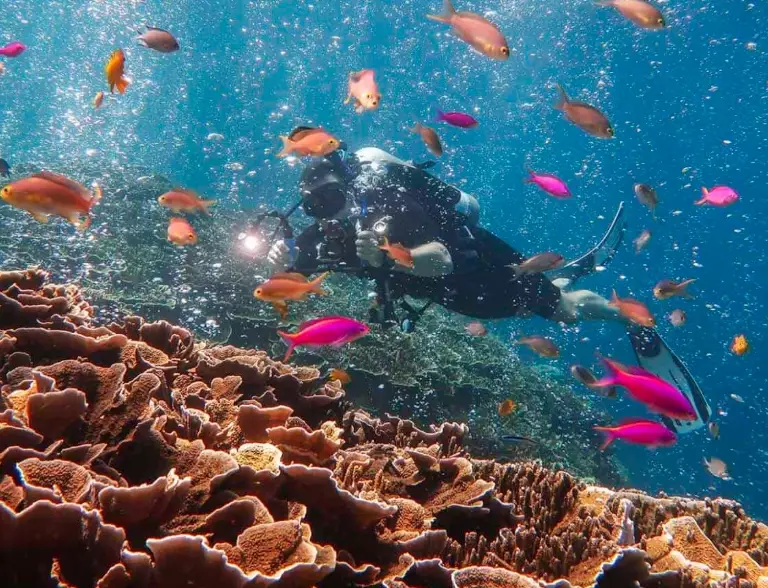
| Destination | Star Attraction | Best For | Not So Great For | How to Get There |
|---|---|---|---|---|
| Malapascua Island | Guaranteed thresher shark encounters at Monad Shoal, tiny mandarinfish at dusk. | Shark lovers, macro photographers, divers who want unique, predictable pelagic action. | Colorful soft coral gardens (it's more sandy/muck diving). Nightlife. | Fly to Cebu (CEB), 4-5 hour drive + 30min boat to the island. |
| Coron, Palawan | World War II Japanese shipwrecks in crystal clear, shallow lagoons. Kayangan Lake. | Wreck divers, snorkelers, history buffs, underwater photographers loving dramatic structures. | Classic reef biodiversity. It's primarily a wreck destination. | Fly directly to Busuanga (USU) from Manila or Cebu. |
| Tubbataha Reefs Natural Park | Pristine atolls, big pelagics (sharks, mantas, turtles), untouched walls. The Philippine's blue-chip dive site. | Serious divers, liveaboard fans, those wanting remote, pristine ocean wilderness. | Budget trips, beginners. Only accessible by liveaboard for a few months a year (Mar-June). | Liveaboard departures from Puerto Princesa, Palawan. |
| Anilao, Batangas | The "muck diving" capital of the Philippines. Unbelievable macro life: rare nudibranchs, pygmy seahorses, ghost pipefish. | Macro photographers, critter hunters, weekend trips from Manila, skill refinement. | Big fish action. It's all about the tiny, weird, and wonderful. | 2-3 hour drive south from Manila. The most accessible major site. |
| Puerto Galera, Mindoro | Incredible biodiversity, great coral walls (like Verde Island Drop-off), reliable conditions year-round. | All-rounders, dive training (many schools), long-term divers, value for money. | Those seeking absolute remoteness. It can get busy. | Fly to Manila, 2-3 hour drive to Batangas Pier + 1hr ferry. |
Let me add some color you won't find on a spec sheet.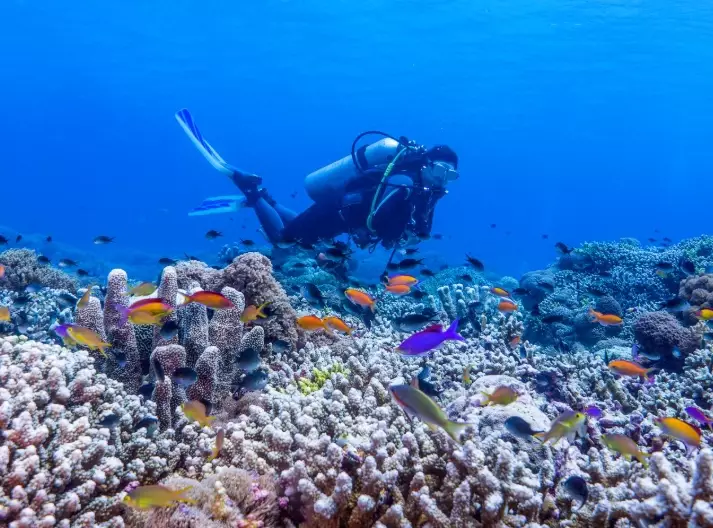
Malapascua: The 5 AM Shark Call
Monad Shoal is a cleaning station at a seamount. You descend in the dark, around 5 AM, and wait at 25-30 meters. The thresher sharks come gliding in like silent, alien spacecraft with those impossibly long tails. It's almost spiritual. The local dive operators have this down to a science, which is great for sightings but can feel a bit regimented. A common mistake? Divers only do the shark dive and leave. Stay for the afternoon muck dives at Gato Island (where you might see white-tip reef sharks napping in caves) and the mandatory mandarinfish mating dive at sunset. Book with a smaller, conservation-focused shop if you want a less crowded experience.
Coron: Wrecks You Can Almost Touch
Diving the Irako, a 147-meter refrigeration ship, is like exploring a submerged cathedral. You swim through engine rooms where light shafts cut through the gloom. Because many wrecks are in sheltered bays and at shallow depths (5-30m), they're accessible to advanced open water divers, not just techies. The water is often clearer than the open ocean here. Don't skip the barracuda lake dive, a thermocline experience where you plunge from warm to hot, jacuzzi-like water. It's weird and wonderful.
The Tubbataha Liveaboard Experience
This is the big leagues. A week on a boat in the middle of the Sulu Sea. You're not paying for luxury (though some boats have it); you're paying for access. I've seen schools of over 50 jackfish form a perfect tornado, hammerheads in the blue, and mantas that seem to dance. The rule here is strict: no fishing, minimal impact. You come for the health of the reef as much as the creatures on it. It's expensive and requires planning a year ahead, but for the right diver, it's the only answer to "best diving in the Philippines."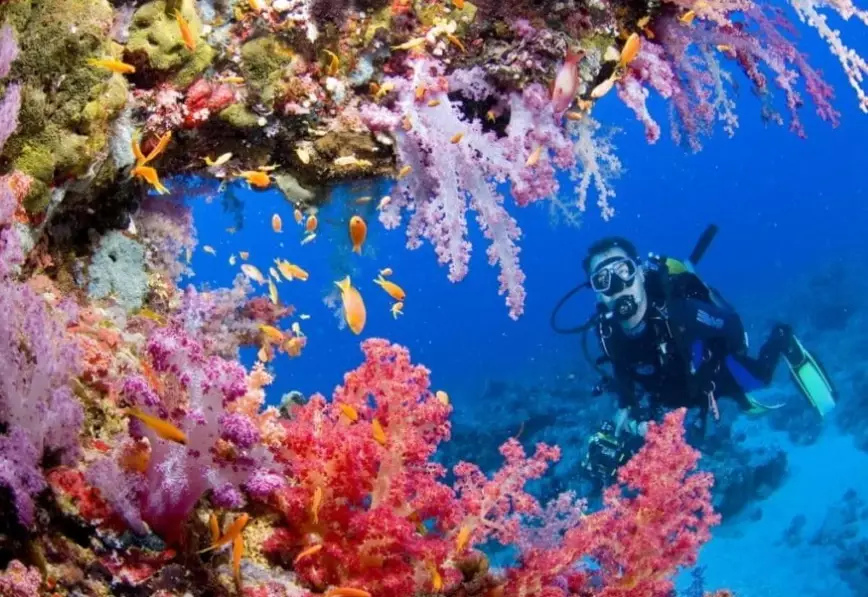
A quick note on Boracay: Yes, it's famous. The diving at nearby Crocodile Island is decent, especially for beginners—easy conditions, pretty fish. But is it the *best*? Not even close. It's a convenient add-on to a beach holiday, not a dedicated dive pilgrimage. Go for the party and white sand, manage your expectations underwater.
How to Choose Your Spot: A Simple Breakdown
Stop thinking about "best" and start thinking about "best for me." Answer these questions: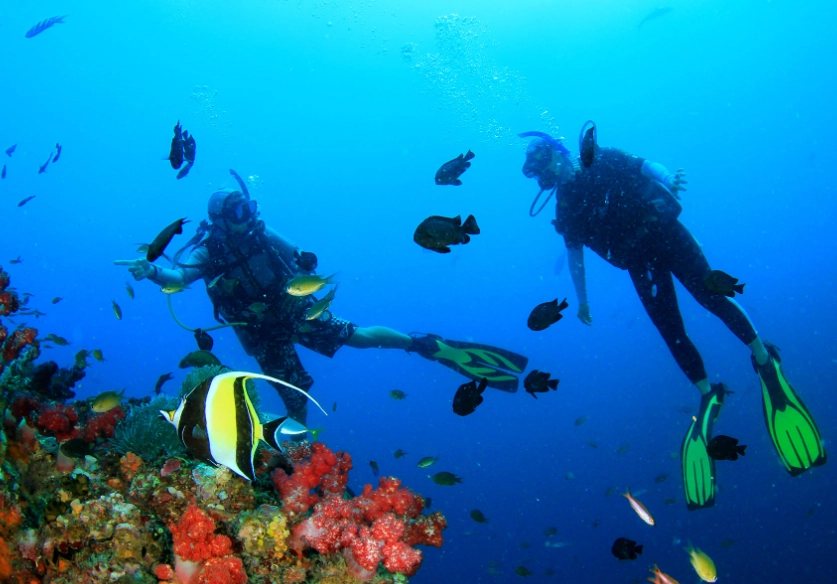
- What's your dive goal? Big animals? Go Malapascua or Tubbataha. Tiny critters? Anilao. Wrecks? Coron. A bit of everything? Puerto Galera.
- What's your budget and time? Anilao or Puerto Galera work for a 4-day weekend. Tubbataha requires a 7-day liveaboard and a bigger budget. Coron and Malapascua are perfect for a 5-7 day dedicated trip.
- What's your skill level? New divers will thrive in Puerto Galera's sheltered coves. Advanced divers seeking depth or currents will head to Tubbataha's walls or the Verde Island Passage.
- Who are you traveling with? Mixing divers and non-divers? Coron offers incredible island-hopping and kayaking for everyone. Malapascua is a sleepy island—non-divers might get bored after two days.
One non-consensus tip: Don't try to island-hop between these major dive hubs in one short trip. The domestic travel logistics (flights, ferries, vans) will eat up your time and energy. Pick one or two regions and dive them deeply. Quality over quantity.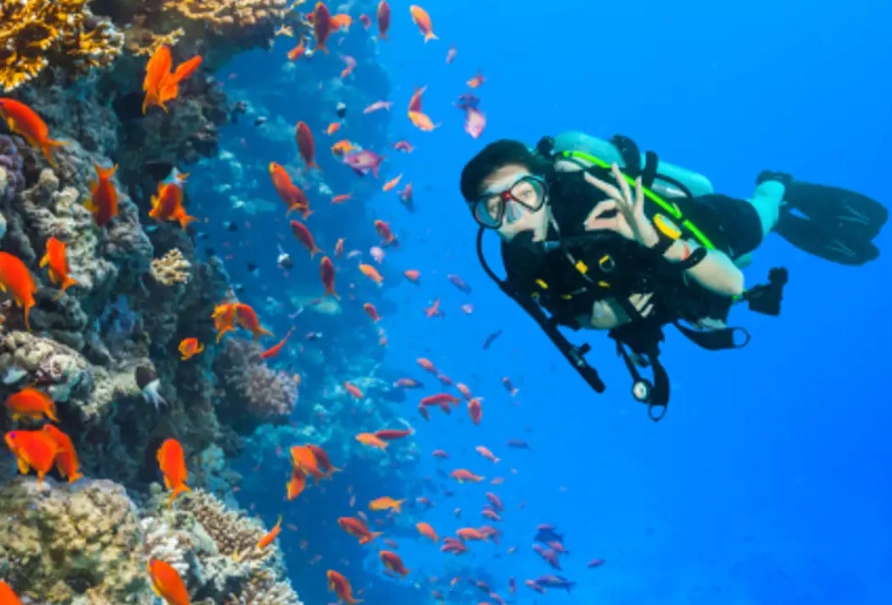
Planning Your Philippines Dive Trip: The Nitty-Gritty
Here's the practical stuff that makes or breaks a trip.
When to Go
The Philippines has a dry season (Nov-May) and a wet/typhoon season (Jun-Oct). For diving:
Best overall: March to June. Calm seas, great visibility.
Still good: November to February. A bit cooler, possible rain showers in some areas, but fewer tourists.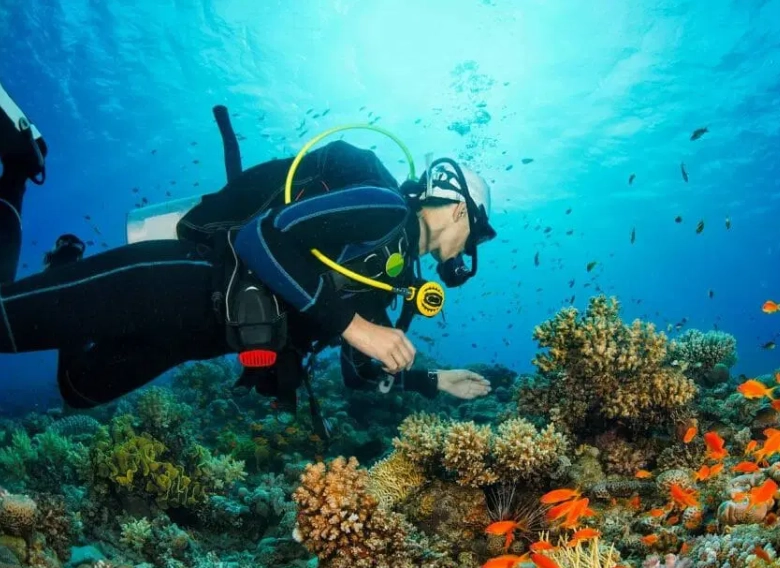
Riskier: July to October. You might get perfect, empty dive sites, or you might be stuck indoors for days. Not the time for a once-in-a-lifetime, non-refundable trip. Tubbataha is only accessible March to mid-June.
Getting Around & Staying Connected
Manila (MNL) or Cebu (CEB) are your main air gateways. Book domestic flights with Cebu Pacific or Philippine Airlines for destinations like Coron, Busuanga, or Puerto Princesa. For ferries, always check the latest schedules—they change with the weather. Get a local SIM card (Globe or Smart) at the airport for data. Google Maps works, but for island transport, ask your resort. They know the reliable boat and van operators.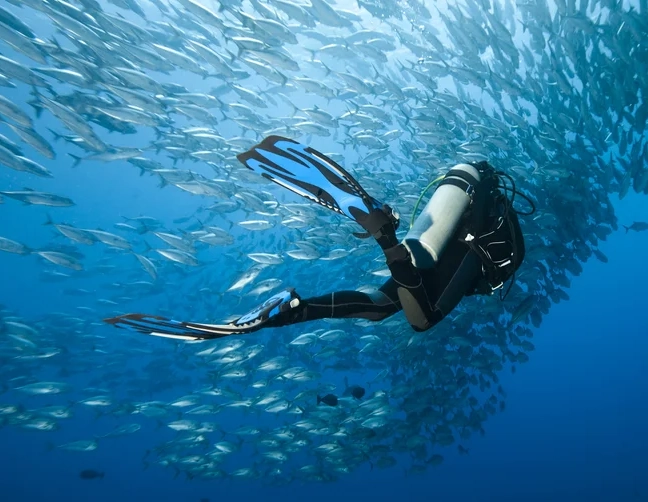
Picking a Dive Operator
This is crucial. Don't just pick the cheapest. Look for:
- Small group sizes (6-8 divers per guide max). I've seen boats overloaded, and it ruins the dive.
- Active conservation efforts (beach clean-ups, mooring buoy use).
- Clear safety protocols and well-maintained gear.
- Reviews that mention guide knowledge, not just free snacks.
Email them directly. Ask about their guide-to-diver ratio and their policy on touching marine life. Their response tells you everything.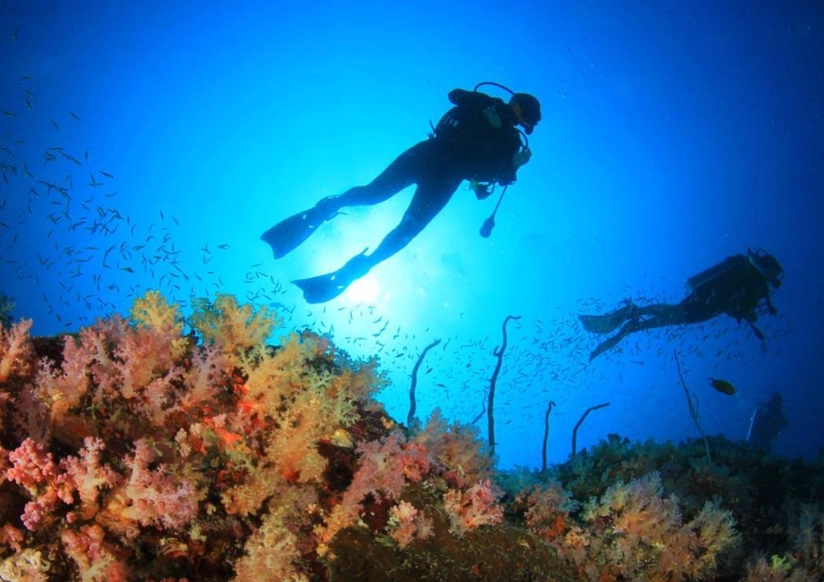
Your Philippines Diving Questions, Answered
So, where is the best diving in the Philippines? It's in the place that matches your underwater dream. Want a guaranteed, face-to-face meeting with a pelagic oddity? Malapascua. Dream of floating through history? Coron. Crave remote, wild ocean? Tubbataha. Obsessed with the tiny and rare? Anilao. Want a bit of everything without the fuss? Puerto Galera.
The real secret is to dive deep into one region, connect with a good local operator, and let the Philippines' incredible marine biodiversity reveal itself. Don't chase a checklist. Pick your adventure and go.
Your comment